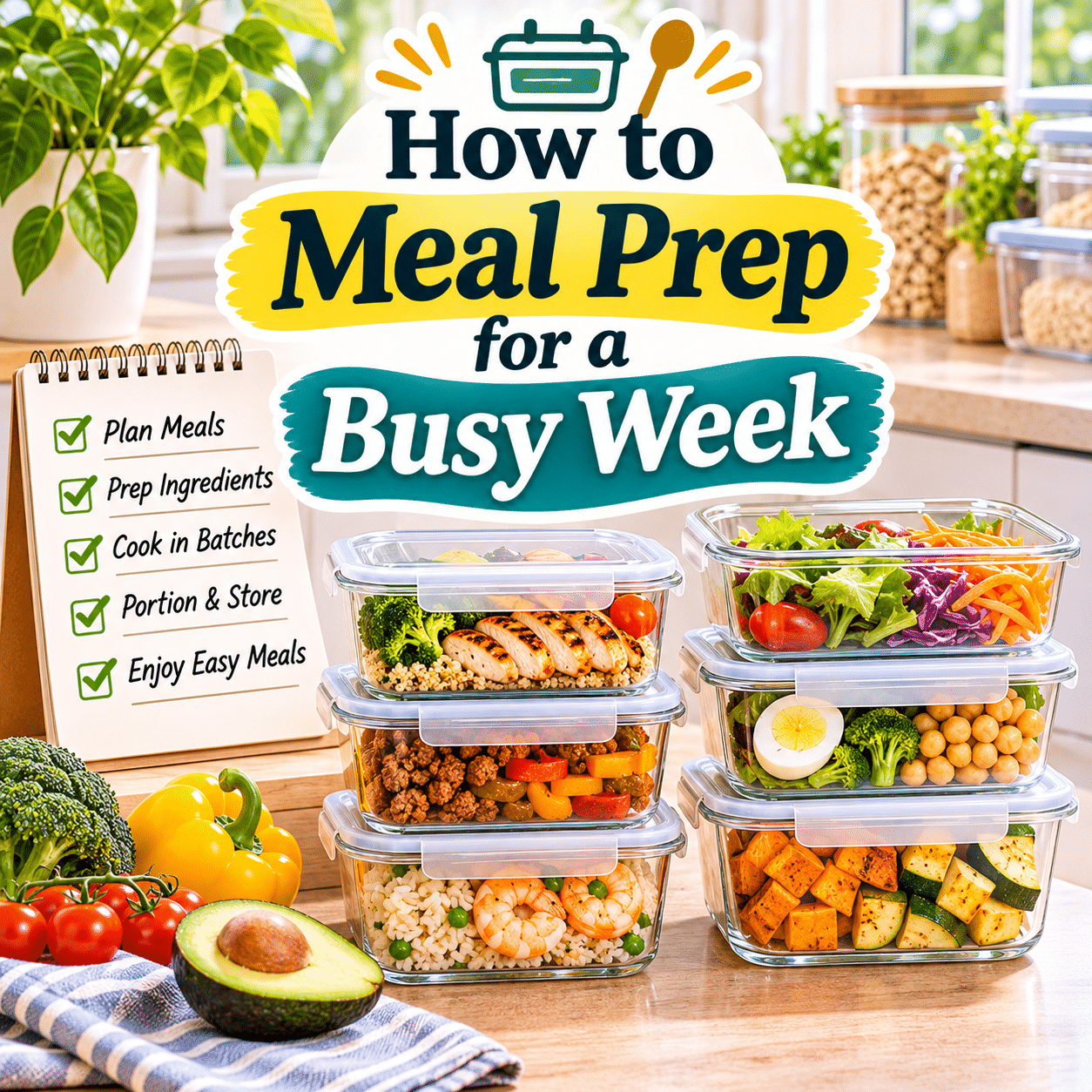
Preparing meals during a busy week can be challenging. Between work, household responsibilities, personal commitments, and unexpected changes in daily routines, finding time to cook balanced, enjoyable meals may become difficult.
When meals are left entirely to the last minute, everyday decisions can feel more complicated. Ingredients may go unused, grocery shopping becomes less predictable, and cooking can take more time than expected.
Meal prepping offers a practical way to simplify this process.
Rather than preparing every meal from scratch each day, meal preparation involves planning meals in advance, organizing ingredients, and completing selected cooking tasks before they are needed.
Some people prefer cooking several complete meals at once. Others find it more convenient to wash vegetables, prepare proteins, cook grains, or portion ingredients that can be combined into different dishes throughout the week.
There is no single correct approach.
The most effective meal prep routine is one that fits your schedule, food preferences, cooking abilities, household size, and available kitchen equipment.
With thoughtful planning, meal prepping can reduce everyday cooking effort, support more consistent eating habits, and make better use of ingredients already available at home.
This guide explains how to create a practical weekly meal prep system, choose suitable recipes, organize grocery shopping, store prepared food safely, and maintain a flexible routine without spending an entire day in the kitchen.
1. Understand What Meal Prepping Really Means
Meal prepping is the process of preparing meals or meal components before they are needed.
It may involve planning a weekly menu, shopping for ingredients, washing produce, preparing sauces, cooking selected dishes, or portioning food into containers.
The amount of preparation can vary considerably.
For example, one person may prepare five individual lunches on Sunday, while another may cook a pot of rice, roast vegetables, and prepare a protein that can be used in several meals.
Both approaches qualify as meal prepping.
The goal is to make future meals easier to prepare.
A practical system should reduce unnecessary work without requiring you to eat identical dishes every day.
2. Understand the Benefits of Weekly Meal Preparation
Meal prepping can provide several practical advantages.
Less Daily Cooking Effort
Preparing ingredients in advance reduces the number of tasks required when it is time to cook.
More Predictable Grocery Shopping
A planned menu makes it easier to identify what you actually need.
Reduced Food Waste
Using ingredients across several meals can help prevent forgotten produce and unnecessary purchases.
Easier Meal Decisions
Knowing what is available for lunch or dinner reduces last-minute uncertainty.
Greater Flexibility
Prepared ingredients can be combined into different meals according to your appetite and schedule.
More Consistent Eating Habits
Having suitable food available may make it easier to follow your preferred eating routine.
However, these benefits depend on realistic planning and appropriate food storage.
Preparing too much food, choosing complicated recipes, or ignoring food safety can make meal prepping less effective.
3. Choose the Right Meal Prep Style
There are several ways to prepare meals in advance.
Each method has advantages depending on your lifestyle.
| Meal Prep Method | How It Works | Best For |
|---|---|---|
| Batch cooking | Cook a larger quantity of one or more dishes | People who enjoy repeatable meals |
| Individual portions | Divide complete meals into containers | Convenient lunches and scheduled meals |
| Ingredient preparation | Wash, chop, measure, or prepare ingredients | People who prefer freshly assembled meals |
| Mix-and-match preparation | Prepare versatile proteins, grains, and vegetables | People who enjoy variety |
| Freezer meal preparation | Cook and freeze suitable meals | Longer-term convenience |
| Hybrid preparation | Combine several methods | Flexible weekly routines |
You do not need to choose only one method.
A hybrid approach often works well because it provides convenience without requiring every meal to be fully cooked in advance.
4. Evaluate Your Weekly Schedule Before Planning Meals
Before choosing recipes, look at your upcoming week.
Identify which days are likely to be busiest.
Consider:
- Work commitments.
- Family responsibilities.
- Appointments.
- Exercise or recreational activities.
- Social plans.
- Travel or commuting.
- Available cooking time.
- Expected meals away from home.
A day with several commitments may require a ready-to-reheat meal.
A quieter evening may allow time to cook using ingredients prepared earlier.
Planning around your actual schedule prevents unnecessary food preparation.
For example, if you expect to eat dinner away from home twice during the week, there may be no reason to prepare seven complete dinners.
5. Decide Which Meals Need Preparation
You do not have to prep breakfast, lunch, dinner, and snacks simultaneously.
Begin with the meals that create the most difficulty.
For some people, lunch is the priority because workdays leave little time for cooking.
Others may find dinner preparation more challenging.
Breakfast may be simple enough to prepare fresh each morning.
Ask yourself:
- Which meals do I regularly skip or delay?
- When do I have the least time to cook?
- Which meals require the most decisions?
- What foods do I enjoy eating repeatedly?
- Which meals would benefit most from advance preparation?
Start with one meal category.
Once the routine becomes comfortable, expand it if necessary.
6. Set a Realistic Weekly Meal Prep Goal
An overly ambitious meal prep plan can become exhausting.
Instead of preparing every meal for seven days, begin with a manageable target.
For example:
- Prepare three workday lunches.
- Cook two versatile dinner components.
- Wash and portion vegetables.
- Prepare one breakfast option.
- Freeze one extra meal for a busy day.
This approach allows you to test what works without committing to an unnecessarily large cooking session.
Your goal should reflect your available time, storage space, and willingness to eat prepared food.
Consistency matters more than preparing the greatest possible quantity.
7. Check Your Refrigerator, Freezer, and Pantry First
Before creating a grocery list, review the ingredients already available.
Look for:
- Fresh vegetables.
- Fruits.
- Proteins.
- Rice, pasta, and grains.
- Beans and legumes.
- Eggs.
- Dairy products.
- Frozen ingredients.
- Canned foods.
- Herbs and seasonings.
Check food condition and storage dates.
Identify ingredients that should be used soon.
Plan meals around suitable foods you already own.
For example, leftover carrots, rice, and frozen peas may become part of a vegetable rice bowl.
This simple step can reduce duplicate purchases and help prevent food waste.
8. Build a Balanced Weekly Meal Plan
A practical meal plan should include variety and reflect your nutritional needs and preferences.
For many people, meals can be built around a combination of:
- Vegetables or fruit.
- Protein-rich foods.
- Whole grains or other suitable carbohydrate sources.
- Appropriate fats.
- Herbs, spices, and flavoring ingredients.
Protein options may include poultry, fish, eggs, beans, lentils, tofu, or other preferred foods.
Carbohydrate sources may include rice, potatoes, pasta, oats, or whole grains.
Vegetables can be fresh, frozen, or appropriately preserved.
There is no requirement to use identical proportions for every person or meal.
Individual nutritional needs vary according to age, activity, health circumstances, and other factors.
The goal is to plan satisfying meals that suit your household rather than follow an unnecessarily restrictive formula.
9. Choose Recipes That Work Well for Meal Prep
Some dishes maintain their quality better than others after refrigeration or freezing.
Suitable meal prep recipes often have several characteristics:
- They can be prepared in reasonable quantities.
- Ingredients are readily available.
- Cooking methods are straightforward.
- Portions are easy to divide.
- Food can be stored safely.
- Reheating does not significantly reduce enjoyment.
- Components can be reused in different meals.
Examples include:
- Vegetable and grain bowls.
- Bean or lentil soups.
- Suitable pasta dishes.
- Roasted vegetables.
- Cooked chicken or tofu.
- Stews and curries.
- Prepared breakfast oats.
- Freezer-friendly casseroles.
Crispy foods, delicate salads, and certain sauces may be better prepared or assembled closer to serving time.
10. Select Recipes With Overlapping Ingredients
One of the most efficient meal prep strategies is to use the same ingredients in several different dishes.
For example, roasted vegetables can appear in a grain bowl, wrap, or pasta dish.
Cooked chicken may be used in salads, rice bowls, or sandwiches.
Beans can support soups, salads, and wraps.
This approach reduces the number of ingredients you need to purchase and prepare.
However, avoid planning so many meals around one ingredient that the menu becomes repetitive.
Choose a few versatile ingredients and vary seasonings, sauces, and combinations.
11. Create a Simple Weekly Meal Prep Menu
A sample weekly menu can provide structure without requiring every meal to be prepared in advance.
| Day | Lunch | Dinner |
|---|---|---|
| Monday | Chicken and vegetable rice bowl | Lentil soup with bread |
| Tuesday | Chickpea and grain salad | Tofu and vegetable stir-fry |
| Wednesday | Chicken wrap with vegetables | Pasta with tomato sauce |
| Thursday | Freezer-friendly bean chili | Freshly prepared fish with vegetables |
| Friday | Vegetable and hummus wrap | Rice bowl with leftover prepared components |
| Saturday | Flexible meal or leftovers handled safely | Fresh cooking |
| Sunday | Simple meal from available ingredients | Meal prep for the coming week |
This menu is illustrative.
It assumes that perishable foods are refrigerated or frozen according to appropriate food safety timelines, not simply kept in the refrigerator all week.
Adjust dishes according to your preferences, household size, and dietary needs.
12. Make a Grocery List Based on Your Menu
Once the menu is selected, create a grocery list.
Group ingredients by category to make shopping more efficient.
| Grocery Category | Example Ingredients |
|---|---|
| Vegetables | Carrots, broccoli, spinach, bell peppers |
| Fruits | Apples, berries, bananas |
| Proteins | Chicken, tofu, eggs, beans |
| Grains | Rice, oats, pasta, quinoa |
| Dairy or alternatives | Yogurt, milk, suitable alternatives |
| Pantry ingredients | Canned tomatoes, lentils, cooking oil |
| Flavorings | Garlic, herbs, spices, sauces |
| Optional snacks | Nuts, fruit, suitable crackers |
Check quantities against your planned portions.
Avoid purchasing large packages solely because they appear economical if you are unlikely to use them before they deteriorate.
A useful grocery list reflects actual meals rather than an idealized pantry.
13. Plan Portions According to Your Household
Meal prep quantities should reflect the number of people eating and the meals being prepared.
For example, three lunches for one person require a different quantity than five lunches for a family.
Consider appetite, preferences, and whether dishes will be served with side items.
A simple planning calculation is:
Number of people × Number of planned meals = Approximate number of portions
If two people need lunch for three days, plan approximately six lunch portions.
However, actual serving sizes vary.
Use recipe yields and your household’s usual eating habits to estimate ingredient quantities.
Avoid cooking excessive amounts simply to fill every available container.
14. Choose a Convenient Meal Prep Day
Many people prefer preparing meals on a weekend, but there is no requirement to use Sunday.
Choose a time when you can work without unnecessary interruptions.
Possible approaches include:
- One larger weekly preparation session.
- Two shorter sessions during the week.
- A weekend session plus a midweek refresh.
- Small preparation tasks after grocery shopping.
- Cooking extra portions during regular meals.
A split schedule can be especially helpful when refrigerator storage time is limited.
For example, you might prepare some meals early in the week and cook additional fresh meals later.
15. Create an Efficient Meal Prep Workflow
Planning the order of tasks can reduce unnecessary waiting.
A practical sequence is:
- Review the menu and recipes.
- Gather ingredients.
- Wash hands and prepare clean work surfaces.
- Begin dishes with longer cooking times.
- Prepare vegetables and other ingredients.
- Cook proteins using safe methods.
- Prepare grains or side dishes.
- Assemble meals or separate components.
- Cool cooked food promptly and safely.
- Portion, label, and store meals.
- Clean equipment and work surfaces.
Some tasks can happen simultaneously.
For example, vegetables may roast while rice cooks.
However, avoid multitasking in ways that compromise food safety or cooking control.
16. Prepare Ingredients Before Cooking
Ingredient preparation can make cooking more efficient.
This may include:
- Measuring dry ingredients.
- Washing suitable produce.
- Chopping vegetables.
- Preparing marinades.
- Portioning proteins.
- Mixing dressings.
- Gathering herbs and spices.
Keep raw animal proteins separate from ready-to-eat foods.
Use clean utensils and cutting surfaces.
Wash hands thoroughly after handling raw meat, poultry, seafood, or eggs.
Do not wash raw poultry, as splashing water can spread contamination around the kitchen.
Prepare ingredients according to safe handling guidance.
17. Wash and Store Vegetables Properly
Vegetables can be prepared in advance, but storage methods should match the type of produce.
Wash produce under clean running water when appropriate.
Avoid using soap or household cleaning chemicals on fruits and vegetables.
Dry washed produce when necessary to reduce excess moisture.
Some vegetables remain crisp when stored whole, while others can be chopped in advance.
For example, carrots and bell peppers may be convenient to prepare ahead, while delicate greens may require more careful handling.
Store cut produce in suitable containers under refrigeration when required.
Do not assume that all vegetables remain fresh for the same length of time.
18. Prepare Proteins Safely
Protein preparation may involve cooking poultry, fish, meat, tofu, beans, or eggs.
Choose methods that suit your recipes and available equipment.
Examples include:
- Baking.
- Roasting.
- Simmering.
- Steaming.
- Sautéing.
- Pressure cooking according to equipment instructions.
For animal proteins, use a food thermometer to verify safe internal temperatures.
Common U.S. food safety reference temperatures include:
| Food | Minimum Safe Internal Temperature |
|---|---|
| Poultry, including chicken and turkey | 165°F / 74°C |
| Ground meats, excluding poultry | 160°F / 71°C |
| Whole cuts of beef, pork, lamb, and veal | 145°F / 63°C, followed by a 3-minute rest |
| Fish | 145°F / 63°C, or applicable safe cooking guidance |
| Leftovers and casseroles | 165°F / 74°C |
These are general U.S. FoodSafety.gov/USDA reference values; specific foods and local guidance may differ.
Avoid relying solely on color or appearance to determine whether meat is safely cooked.
19. Cook Grains and Starches in Advance
Rice, quinoa, pasta, potatoes, and other starches can serve as versatile meal components.
Prepare quantities based on your planned meals.
Follow cooking instructions and safe handling practices.
Cooked rice deserves particular attention because Bacillus cereus spores can survive cooking and may grow if rice is left at unsafe temperatures.
Cool cooked rice promptly, refrigerate it quickly, and follow conservative storage guidance.
Some food safety authorities recommend consuming refrigerated cooked rice within 24 hours, while other guidance permits longer periods under controlled refrigeration.
For a simple, cautious routine, prepare rice for near-term use and freeze additional portions promptly.
Do not leave cooked grains at room temperature for extended periods.
20. Use Sheet-Pan Cooking for Efficient Preparation
Sheet-pan cooking can simplify meal prep by allowing several ingredients to cook in the oven.
Suitable vegetables may include:
- Carrots.
- Broccoli.
- Cauliflower.
- Bell peppers.
- Zucchini.
- Sweet potatoes.
Cut ingredients into reasonably consistent pieces for more even cooking.
Use an appropriate pan size and avoid overcrowding.
If cooking raw meat alongside vegetables, manage cross-contamination and verify that the meat reaches its safe internal temperature.
Different ingredients may require different cooking times.
You can add faster-cooking vegetables later or use separate pans when practical.
21. Use One-Pot and One-Pan Recipes
One-pot dishes can reduce the number of cooking utensils and simplify cleanup.
Examples include:
- Vegetable soups.
- Bean stews.
- Lentil dishes.
- Curries.
- Suitable pasta recipes.
- Rice-based dishes.
- Chili.
These meals may also be convenient for portioning and freezing.
Choose recipes with ingredients that maintain acceptable texture after storage.
Remember that large pots of hot food require prompt cooling.
Divide food into shallow containers rather than leaving a large pot at room temperature for extended periods.
22. Prepare Versatile Sauces and Dressings
Sauces can help create variety from a small selection of prepared ingredients.
For example, cooked vegetables and grains may taste quite different when served with:
- Tomato-based sauce.
- Herb dressing.
- Yogurt-based sauce.
- Suitable citrus dressing.
- Mild curry sauce.
- Garlic and herb seasoning.
- Sesame-based dressing.
Store sauces according to their ingredients and food safety requirements.
Some dressings may separate during refrigeration and need stirring before use.
Keep sauces separate from salads or crispy components when this helps preserve texture.
Avoid preparing large quantities of highly perishable sauces without a clear storage and consumption plan.
23. Create Mix-and-Match Meal Components
A mix-and-match system provides flexibility without requiring several completely different recipes.
Prepare a few ingredients from different categories.
| Component | Examples | Possible Uses |
|---|---|---|
| Protein | Chicken, tofu, beans | Bowls, wraps, salads |
| Grain or starch | Rice, quinoa, potatoes | Bowls, sides, mixed dishes |
| Vegetables | Roasted carrots, broccoli, peppers | Bowls, wraps, pasta |
| Sauce | Tomato sauce, herb dressing | Flavor variation |
| Fresh additions | Lettuce, cucumber, herbs | Final assembly |
You can combine these components into different meals.
For example, roasted vegetables and chicken may become a rice bowl one day and a wrap another day.
This approach is useful for people who dislike eating identical meals repeatedly.
24. Prepare Breakfast Components Ahead of Time
Breakfast meal prep can reduce morning decisions.
Possible options include:
- Overnight oats.
- Portioned yogurt ingredients.
- Prepared fruit.
- Freezer-friendly breakfast items.
- Hard-cooked eggs stored safely.
- Premeasured smoothie ingredients.
- Suitable homemade breakfast muffins.
Choose foods that match your morning appetite and available time.
Some ingredients are best combined shortly before eating.
For example, crunchy toppings may be stored separately from yogurt or oats.
Follow appropriate refrigeration and storage guidance for prepared dairy, eggs, and cut fruit.
25. Prepare Convenient Lunches
Lunch is a common meal prep priority because many people have limited time during the workday.
Suitable options include:
- Grain bowls.
- Pasta dishes.
- Bean salads.
- Vegetable and protein combinations.
- Soups.
- Wrap components.
- Freezer-friendly meals.
Consider how lunch will be transported and stored.
If refrigeration is unavailable, use an appropriate insulated cooler with sufficient cold packs to keep perishable foods at safe temperatures.
Do not leave prepared meals in a warm vehicle or at room temperature for extended periods.
Choose containers that are easy to carry and appropriate for reheating when necessary.
26. Make Weeknight Dinners Easier
Dinner preparation can become more manageable when selected components are ready.
For example, you might prepare:
- Chopped vegetables.
- Cooked beans.
- Suitable sauces.
- Portioned proteins.
- Frozen meal components.
- Premeasured seasonings.
Then complete the final cooking or assembly after work.
This approach allows you to enjoy freshly prepared meals without repeating every preparation step.
It can also be useful for households where different people prefer different meal combinations.
27. Prepare Snacks Without Overcomplicating the Routine
Snacks can be included in meal prep when they support your schedule and preferences.
Simple options may include:
- Whole fruit.
- Prepared vegetable sticks.
- Yogurt.
- Nuts.
- Suitable crackers.
- Cheese.
- Hummus.
- Homemade snack portions.
Choose snacks according to your nutritional needs and appetite.
Keep perishable snacks refrigerated or appropriately chilled.
Avoid preparing more cut produce than you can safely consume.
A simple snack system is usually easier to maintain than a large collection of individually packaged items.
28. Choose Suitable Meal Prep Containers
Containers play an important role in food quality, safety, and convenience.
Choose food-contact containers appropriate for refrigeration, freezing, and reheating.
| Container Type | Common Advantages | Important Considerations |
|---|---|---|
| Glass containers | Durable, easy to inspect contents | Heavier and may break |
| Food-grade plastic containers | Lightweight and portable | Check temperature and microwave suitability |
| Stainless steel containers | Durable and suitable for many cold foods | Generally not microwave-safe |
| Silicone containers | Flexible and available in various formats | Follow temperature and use instructions |
| Compartment containers | Keep meal components separated | Check sealing and cleaning requirements |
| Freezer-safe containers | Designed for suitable frozen storage | Allow appropriate expansion space |
Do not assume that every container is safe for microwave or oven use.
Follow manufacturer instructions and replace damaged containers when necessary.
29. Label Prepared Meals Clearly
Labels help prevent confusion about what was prepared and when.
A simple label can include:
- Meal name.
- Preparation date.
- Refrigeration or freezing date.
- Relevant ingredients or allergens.
- Reheating instructions when useful.
For example:
Vegetable Lentil Soup — Prepared Monday — Frozen Monday
Labels are especially helpful when several similar containers are stored together.
Use a system that is easy to update.
You do not need elaborate printed labels for everyday meal prep.
30. Understand Safe Refrigeration Times
Food safety is essential when preparing meals in advance.
Many cooked leftovers can generally be refrigerated for approximately three to four days under U.S. food safety guidance when handled and stored properly.
However, some foods have shorter recommended storage periods.
For example, certain guidance recommends using cooked rice within 24 hours after prompt cooling.
Prepared seafood, cut produce, sauces, and other ingredients may also have different requirements.
Keep refrigerators at or below 40°F / 4°C, and follow applicable local guidance.
Do not rely on smell or appearance alone to determine whether food is safe.
When a prepared meal will not be consumed within its appropriate refrigerated storage period, freeze it promptly if suitable.
31. Cool Cooked Food Promptly
Proper cooling is an important part of meal preparation.
Do not leave large quantities of cooked food sitting at room temperature for several hours.
General U.S. food safety guidance recommends refrigerating perishable food within two hours, or within one hour when the surrounding temperature exceeds 90°F / 32°C.
Divide large quantities into shallow containers to promote faster cooling.
Hot food can be placed in the refrigerator in suitable shallow containers; it does not need to remain on the counter until completely cool.
Avoid overcrowding the refrigerator with large, tightly packed hot containers that prevent effective cooling.
For especially large batches, use appropriate rapid-cooling methods.
32. Freeze Meals for Longer-Term Convenience
Freezing can extend the usable storage period of many prepared meals.
Suitable options may include:
- Soups.
- Stews.
- Chili.
- Cooked beans.
- Selected casseroles.
- Cooked proteins.
- Certain sauces.
- Appropriately prepared grain dishes.
Use freezer-safe containers and leave suitable space for expansion when necessary.
Label meals with their contents and freezing date.
Keep freezers at 0°F / -18°C or below.
Food kept continuously frozen at appropriate temperatures can remain safe for extended periods, although quality may gradually decline.
Follow food-specific recommendations for best quality.
33. Thaw and Reheat Prepared Meals Safely
Frozen meals should be thawed using safe methods.
Suitable approaches include:
- Thawing in the refrigerator.
- Using a microwave when food will be cooked or reheated immediately.
- Using cold-water thawing with appropriate precautions.
Avoid thawing perishable meals on the kitchen counter.
When reheating leftovers, heat them thoroughly to an internal temperature of 165°F / 74°C under general U.S. food safety guidance.
Stir or rotate microwave-heated food when appropriate to reduce cold spots.
Follow container instructions and ensure food is heated evenly.
Refrigerate or discard leftovers according to safe handling guidance rather than repeatedly leaving them at room temperature.
34. Prevent Cross-Contamination During Meal Prep
Preparing several dishes at once increases the importance of keeping ingredients and equipment organized.
Use separate cutting boards or thoroughly clean and sanitize equipment between raw animal proteins and ready-to-eat foods.
Wash hands with soap and water after handling raw ingredients.
Keep raw meat, poultry, and seafood separate from fresh produce and cooked food.
Clean preparation surfaces appropriately.
Avoid using marinades that have contacted raw meat as ready-to-eat sauces unless they are treated according to safe cooking guidance.
Food safety should remain a priority even when you are trying to save time.
35. Organize Your Refrigerator for Prepared Meals
A well-arranged refrigerator makes meal prep more convenient.
Group prepared meals by intended use or consumption date.
Keep ready-to-eat foods protected from raw animal proteins.
Store raw meat and seafood securely in appropriate locations to prevent drips and cross-contamination.
Avoid blocking airflow.
Place meals intended for earlier consumption where they are easy to see.
Check refrigerator temperature periodically.
Do not overcrowd shelves with more food than the appliance can cool effectively.
36. Reduce Food Waste Through Flexible Planning
Meal prepping can reduce waste, but only when quantities match realistic needs.
Common causes of meal prep waste include:
- Preparing too many portions.
- Choosing meals that become unappealing after storage.
- Forgetting prepared food.
- Buying excessive fresh ingredients.
- Failing to freeze meals before their refrigerated storage period ends.
- Planning meals without considering schedule changes.
To reduce waste, prepare fewer portions initially.
Use overlapping ingredients.
Freeze suitable extra servings promptly.
Review your refrigerator before grocery shopping.
Leave room in the schedule for unexpected changes.
A flexible plan is often more effective than a rigid seven-day menu.
37. Meal Prep on a Limited Budget
Meal preparation does not require expensive ingredients or specialized equipment.
Budget-friendly strategies include:
- Planning around ingredients already available.
- Choosing seasonal produce when economical.
- Using suitable frozen vegetables.
- Incorporating beans and lentils.
- Purchasing quantities that match actual needs.
- Preparing versatile grains.
- Reusing appropriate food containers.
- Freezing extra portions safely.
- Reducing unnecessary duplicate purchases.
Compare the cost per usable serving rather than assuming larger packages always provide better value.
A practical meal prep budget should consider food quality, household preferences, and realistic consumption.
38. Meal Prep Without Spending an Entire Day Cooking
Meal prep does not have to involve several hours of continuous cooking.
You can use shorter sessions throughout the week.
For example:
Session One: Planning and Shopping
Review ingredients, select meals, and purchase groceries.
Session Two: Ingredient Preparation
Wash produce, portion ingredients, and prepare suitable sauces.
Session Three: Batch Cooking
Cook one or two versatile dishes.
Session Four: Midweek Refresh
Prepare additional fresh ingredients or cook another small batch.
This approach can reduce fatigue and help maintain food quality.
It is particularly useful for people who prefer fresh meals but still want to save preparation time.
39. Avoid Common Meal Prep Mistakes
Several mistakes can make meal preparation less convenient.
1. Preparing too many meals at once.
Start with realistic quantities.
2. Choosing overly complicated recipes.
Prioritize dishes that are manageable to prepare.
3. Ignoring refrigerator storage limits.
Freeze suitable meals before their safe refrigerated storage period ends.
4. Cooking without checking existing ingredients.
Review your pantry and refrigerator first.
5. Preparing the same meal for every day.
Use mix-and-match components when variety matters.
6. Buying unnecessary containers.
Begin with suitable containers you already own.
7. Forgetting to label meals.
Record preparation and storage dates.
8. Leaving cooked food at room temperature too long.
Cool and refrigerate promptly.
9. Overcrowding the refrigerator.
Maintain adequate cooling and airflow.
10. Reheating food unevenly.
Follow safe reheating practices.
11. Ignoring changes in your schedule.
Allow flexibility for unexpected meals or commitments.
12. Treating meal prep as an all-or-nothing activity.
Preparing even a few ingredients can be worthwhile.
40. Build a Sustainable Weekly Meal Prep Habit
The most effective meal prep system is one that remains useful over time.
Begin with a small number of meals.
Choose recipes you genuinely enjoy.
Keep grocery lists simple.
Prepare ingredients that can support several dishes.
Use safe storage methods.
Review what was eaten and what went unused.
Adjust quantities and preparation methods based on experience.
As your schedule changes, your meal prep routine can change with it.
Some weeks may require several ready-to-eat meals.
Other weeks may need only washed vegetables, a prepared sauce, and a few freezer portions.
Meal prep should make everyday life easier rather than become another demanding obligation.
Step-by-Step Guide: Prepare Meals for a Busy Week
The following workflow provides a practical starting point.
Step 1: Review Your Upcoming Week
Identify busy days, meals away from home, and available cooking periods.
Step 2: Select the Meals You Want to Prepare
Choose breakfast, lunch, dinner, or snacks according to your priorities.
Step 3: Choose a Small Number of Recipes
Select dishes that share ingredients and store well.
Step 4: Check Existing Food Supplies
Review your refrigerator, freezer, and pantry.
Step 5: Create a Grocery List
Purchase only the ingredients needed for your plan.
Step 6: Prepare Clean Work Surfaces and Equipment
Gather suitable utensils, containers, and cooking tools.
Step 7: Prepare Ingredients
Wash produce, portion ingredients, and organize components safely.
Step 8: Cook Longer-Preparation Dishes First
Begin soups, grains, roasted vegetables, or other time-consuming recipes.
Step 9: Cook Proteins and Remaining Components
Follow appropriate cooking temperatures and food safety practices.
Step 10: Cool Prepared Food Promptly
Divide cooked food into suitable shallow containers.
Step 11: Portion and Label Meals
Identify contents and preparation dates.
Step 12: Refrigerate or Freeze Appropriately
Store food according to its safe storage requirements.
Step 13: Plan Safe Reheating and Final Assembly
Keep fresh or delicate components separate when useful.
Step 14: Review Your Results
Notice which meals were convenient, enjoyable, and realistically consumed.
Use that information to improve the following week’s plan.
Example: A Flexible Two-Session Meal Prep Plan
This example demonstrates how to divide preparation into two manageable sessions.
First Session: Early-Week Preparation
Prepare:
- A batch of roasted vegetables.
- One suitable cooked protein.
- A bean or lentil dish.
- Washed produce for near-term meals.
- A simple dressing or sauce.
- Two or three complete lunch portions.
Refrigerate near-term meals safely.
Freeze additional portions promptly when appropriate.
Second Session: Midweek Preparation
Prepare:
- Another protein or plant-based main dish.
- Fresh vegetables.
- A suitable grain or starch.
- A different sauce.
- Additional lunch or dinner portions.
This approach reduces the need to keep every prepared meal refrigerated for an entire week.
It also allows you to adjust the second session according to what remains from the first.
Troubleshooting Common Meal Prep Problems
| Problem | Possible Cause | Practical Solution |
|---|---|---|
| Meals become repetitive | Too many identical portions | Prepare versatile components and vary sauces |
| Vegetables lose texture | Unsuitable preparation or storage | Choose sturdier vegetables or prepare delicate items later |
| Food goes uneaten | Too many portions were prepared | Reduce batch sizes and freeze suitable extras |
| Meal prep takes too long | Recipes are too complicated | Choose simpler dishes and overlapping ingredients |
| Refrigerator becomes overcrowded | Excessive batch cooking | Prepare smaller batches or freeze portions |
| Meals are difficult to transport | Containers are unsuitable | Use secure, portable food-safe containers |
| Prepared food becomes watery | Moist ingredients are combined too early | Store sauces and delicate components separately |
| Grocery costs increase | Too many specialized ingredients | Plan recipes around shared staples |
| Weekday plans change | Schedule is too rigid | Keep flexible freezer meals and adjustable portions |
| Reheated meals are unappealing | Recipe does not store well | Choose dishes suited to refrigeration or freezing |
| Food safety is uncertain | Dates or storage conditions are unclear | Label meals and follow conservative storage guidance |
| Motivation declines | Preparation sessions feel exhausting | Reduce the number of meals and split tasks across the week |
Practical Weekly Meal Prep Checklist
Planning
- Review the upcoming week’s schedule.
- Identify the meals that need preparation.
- Choose realistic meal prep goals.
- Select suitable recipes.
- Plan overlapping ingredients.
- Check refrigerator, freezer, and pantry supplies.
- Create a grocery list.
Grocery Shopping
- Purchase appropriate quantities.
- Check food condition and dates.
- Keep raw animal proteins separated from ready-to-eat foods.
- Transport perishable groceries safely.
- Refrigerate or freeze perishable ingredients promptly.
Ingredient Preparation
- Wash hands and clean work surfaces.
- Gather cooking equipment.
- Wash suitable produce.
- Prepare vegetables.
- Portion proteins safely.
- Measure dry ingredients.
- Prepare sauces and seasonings.
Cooking
- Begin longer-cooking dishes first.
- Cook proteins to safe internal temperatures.
- Prepare grains and starches safely.
- Cook vegetables according to the recipe.
- Prevent cross-contamination.
- Avoid leaving cooked food at room temperature unnecessarily.
Storage
- Cool cooked food promptly.
- Divide meals into suitable containers.
- Label contents and preparation dates.
- Refrigerate near-term meals safely.
- Freeze suitable extra portions.
- Maintain appropriate refrigerator and freezer temperatures.
- Keep raw foods separated from ready-to-eat meals.
Weekly Maintenance
- Check prepared food before use.
- Reheat leftovers thoroughly.
- Use or freeze food within appropriate storage periods.
- Adjust meals when plans change.
- Review leftover ingredients.
- Note which recipes worked well.
- Improve the next week’s plan.
Frequently Asked Questions
1. What is the easiest way to start meal prepping?
Begin with one meal category, such as lunch, and prepare two or three portions. Choose a simple recipe that stores well. Once the process feels manageable, expand your routine if needed.
2. How many days in advance can I meal prep?
Storage time depends on the food and handling conditions. Many cooked leftovers can be refrigerated for three to four days under U.S. guidance, while certain foods, including cooked rice under some authorities’ recommendations, require shorter periods. Freeze suitable meals for later in the week.
3. Is meal prepping healthy?
Meal prepping can support balanced eating when meals include suitable ingredients and portions. Its nutritional value depends on the foods selected, preparation methods, and individual dietary needs.
4. Do I need to cook every meal in advance?
No. You can prepare ingredients, cook selected components, or make only a few complete meals. Partial preparation is often sufficient to simplify busy days.
5. What foods are best for meal prep?
Soups, stews, roasted vegetables, cooked proteins, beans, lentils, and many grain-based dishes are practical options. Choose recipes that maintain acceptable quality and can be stored safely.
6. How can I meal prep without eating the same food every day?
Prepare versatile proteins, vegetables, grains, and sauces separately. Combine them in different ways to create bowls, wraps, salads, and other meals.
7. Is it better to meal prep once or twice a week?
Both approaches can work. Two shorter sessions may improve freshness and reduce refrigerated storage time, while one larger session may be more convenient when suitable portions are frozen promptly.
8. How do I keep meal-prepped vegetables fresh?
Choose preparation methods appropriate to each vegetable. Dry washed produce when necessary, use suitable containers, refrigerate cut vegetables promptly, and prepare delicate ingredients closer to serving time.
9. Can I freeze meal-prepped food?
Many cooked dishes freeze well, including soups, stews, beans, and selected proteins. Use freezer-safe containers, label dates, and follow food-specific freezing and reheating guidance.
10. How do I reheat meal-prepped food safely?
Reheat leftovers thoroughly, generally to 165°F / 74°C under U.S. guidance. Stir microwave-heated foods when appropriate and verify that the food is heated evenly.
11. What containers should I use for meal prep?
Choose food-safe containers suitable for the intended storage and reheating method. Glass, appropriate plastics, stainless steel, and other materials may work depending on their manufacturer instructions.
12. How can I meal prep on a budget?
Use ingredients already available, select recipes with overlapping ingredients, incorporate economical staples, prepare realistic quantities, and freeze suitable extra portions to reduce waste.
13. How do I meal prep for one person?
Prepare smaller batches, choose recipes with flexible portions, and freeze suitable leftovers. Avoid cooking large quantities unless you enjoy repeated meals or have sufficient freezer space.
14. How do I prevent meal prep from taking too much time?
Choose simple recipes, prepare overlapping ingredients, use efficient cooking methods, and divide preparation into shorter sessions. Focus on the meals that provide the greatest convenience.
15. What should I do when my weekly schedule changes?
Adjust your meal plan rather than forcing yourself to follow it exactly. Freeze suitable unused portions promptly, prepare fresh ingredients as needed, and keep a few flexible meal options available.
Final Thoughts
Meal prepping for a busy week is not about preparing every meal perfectly or following a rigid eating schedule. It is about making everyday cooking more manageable through thoughtful planning and practical preparation.
A successful routine begins with understanding your schedule, identifying which meals create the most difficulty, and choosing recipes that suit your preferences and available time.
Preparing versatile ingredients, using overlapping groceries, and organizing meals into manageable portions can reduce unnecessary work while preserving variety.
Food safety is an essential part of the process. Proper cooking, prompt cooling, appropriate refrigeration or freezing, and safe reheating help ensure that convenience does not come at the expense of safe food handling.
It is also important to remain flexible. Some weeks may benefit from several prepared lunches and dinners, while others may require only a few chopped vegetables, a ready-made sauce, and a freezer meal.
You do not need expensive containers, elaborate recipes, or an entire weekend devoted to cooking. A small amount of well-planned preparation can make a meaningful difference.
Over time, your meal prep system can evolve alongside your schedule, food preferences, and household needs.
The best meal prep routine is not the one that prepares the most food, but the one that makes your busiest days easier while keeping meals enjoyable, practical, and safe.