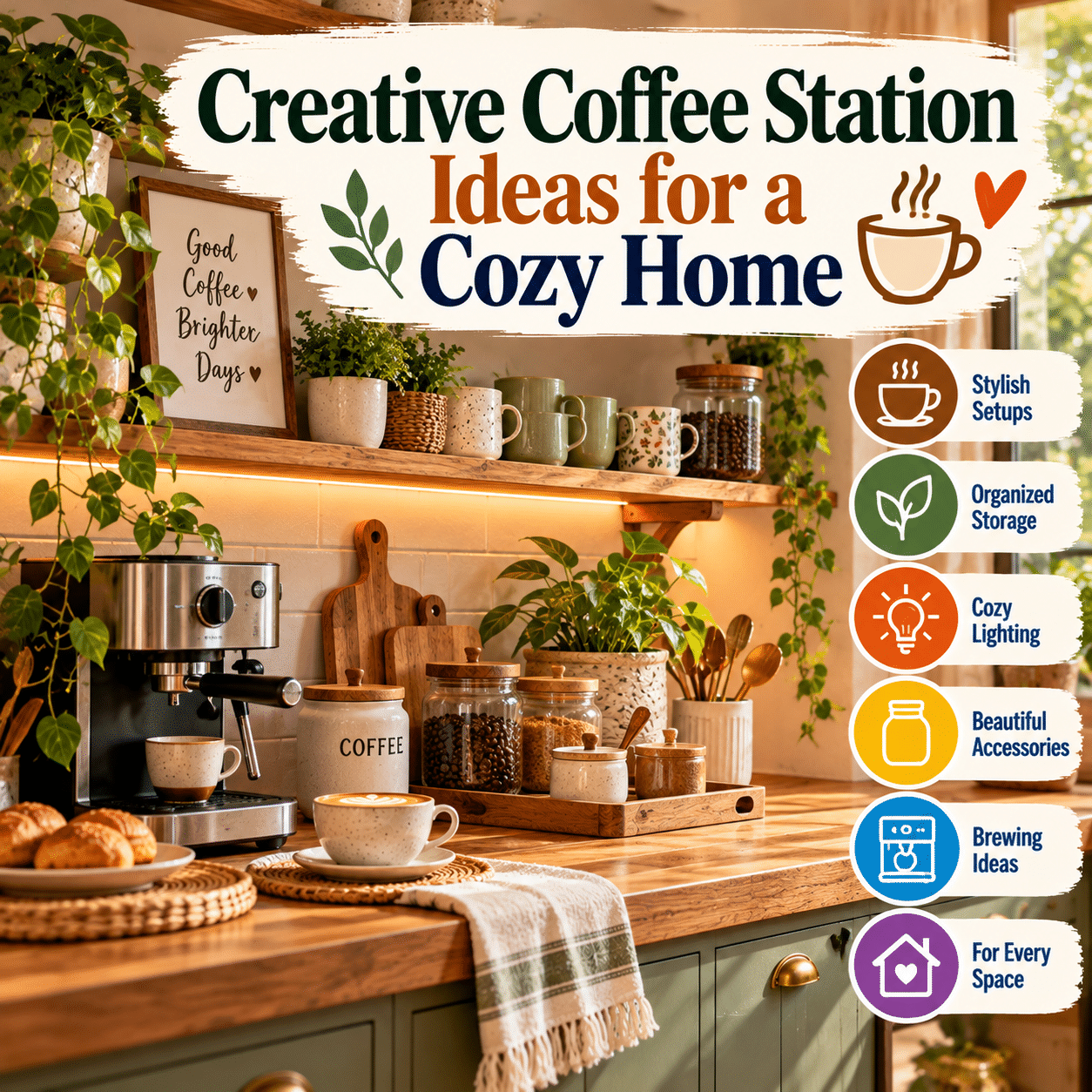
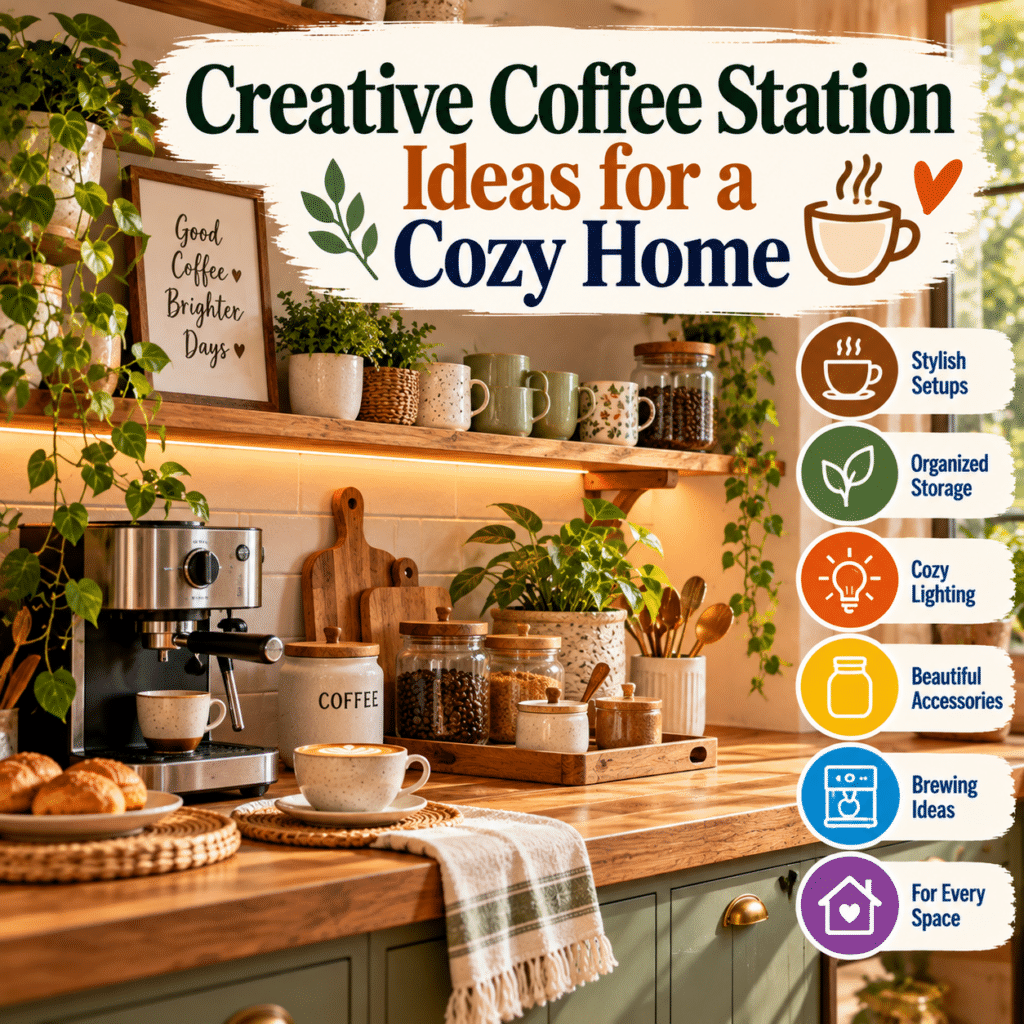
A cozy home is often shaped by the small moments that make everyday life enjoyable. The aroma of freshly brewed coffee, the comfort of a favorite mug, and a quiet place to begin the morning can turn an ordinary routine into something worth looking forward to.
Creating a coffee station at home is a simple way to bring these experiences together. Rather than keeping coffee supplies scattered across kitchen cabinets and countertops, a dedicated coffee area provides an organized, inviting space where everything needed for preparing a favorite drink is conveniently arranged.
A home coffee station does not need an expensive espresso machine, a large kitchen, or a professionally designed coffee bar. It can be as simple as a compact tray holding a coffee maker, mugs, and a few everyday essentials. With thoughtful styling, even a small corner can become a charming and functional part of the home.
The beauty of a personal coffee station lies in its flexibility. Some people prefer a minimalist setup with a single brewing device and neatly organized accessories. Others enjoy a warm, café-inspired arrangement with wooden shelves, ceramic mugs, soft lighting, and decorative details.
Whether you live in a spacious house, a compact apartment, or a home with limited countertop space, the right coffee station can make daily routines more convenient while adding warmth and personality to your surroundings.
This guide explores creative coffee station ideas for a cozy home, including practical layouts, storage solutions, decorating styles, lighting, organization, and budget-friendly improvements. You will also discover how to choose a setup that fits your space, supports your brewing preferences, and remains easy to maintain over time.
1. What Makes a Home Coffee Station Special?
A home coffee station is a designated area where coffee-making equipment, ingredients, and accessories are arranged for convenient daily use.
It may occupy a small section of a kitchen countertop, a dedicated cabinet, a rolling cart, or a separate piece of furniture.
The purpose is not simply to display attractive coffee accessories. A well-designed coffee station should make preparing drinks easier while creating an enjoyable atmosphere.
Convenience for Everyday Routines
Keeping essential supplies together reduces the need to search through multiple cabinets.
A coffee station might include:
- A coffee maker or manual brewing device
- Coffee beans or ground coffee
- A grinder, if needed
- Mugs and cups
- Filters and measuring tools
- Spoons and stirrers
- Suitable storage containers
- A small waste container or nearby disposal area
The exact arrangement depends on the brewing method.
A Personal Coffee Experience
Some people enjoy preparing espresso-based drinks, while others prefer pour-over coffee, French press brewing, or a simple drip coffee maker.
A coffee station can be designed around these preferences.
A Welcoming Decorative Feature
Coffee stations can introduce natural wood, ceramics, attractive storage containers, and personal accessories into the home.
A More Organized Kitchen
A dedicated coffee area can reduce scattered supplies and help preserve other countertops for food preparation.
Flexibility Over Time
A good coffee station can evolve as preferences change.
You might begin with a simple coffee maker and later add a grinder or a different brewing method without redesigning the entire space.
The best coffee station is one that feels enjoyable to use, not merely impressive to look at.
2. Choose the Best Location for Your Coffee Station
The first step is deciding where the station will fit comfortably within your home.
The ideal location should support your daily routine while providing suitable access to electricity, water, storage, and cleaning facilities.
Kitchen Countertop
A section of the kitchen counter is often the simplest choice.
Advantages include convenient access to water, nearby storage, and easy cleaning.
However, avoid occupying essential food preparation areas.
Kitchen Cabinet or Nook
An unused section of cabinetry can become a compact coffee station.
Open shelves or a designated cabinet compartment may provide storage for cups and supplies.
Electrical appliances should not operate inside enclosed cabinets unless the installation and appliance instructions specifically permit it. Heat, steam, and ventilation requirements must be considered.
Dining Room Sideboard
A sideboard can provide a dedicated surface for coffee preparation.
This works particularly well in homes where the dining area is close to the kitchen.
Living Room Coffee Corner
A coffee station can be incorporated into a living room when the layout and equipment allow safe use.
Manual brewing accessories or a simple beverage setup may be more practical than large appliances in this location.
Rolling Coffee Cart
A sturdy rolling cart can provide flexible storage in a small home.
Choose one with locking wheels and an appropriate load capacity.
Avoid moving a cart while it holds hot liquids.
Home Office Coffee Area
A compact coffee setup may be convenient for people who work from home.
Keep liquids away from computers, electrical equipment, and important documents.
Evaluate the Space Before Decorating
Consider the following questions:
- Is the surface stable and level?
- Is there enough space for the equipment?
- Can the station be cleaned easily?
- Is an appropriate electrical outlet available?
- Will steam or heat affect nearby cabinets?
- Are supplies conveniently accessible?
- Does the station obstruct movement?
- Can water be handled without damaging furniture?
A beautiful location is only useful if it supports safe and comfortable preparation.
3. Design Your Coffee Station Around Your Brewing Style
Different brewing methods require different equipment and storage arrangements.
Choosing the brewing method first helps prevent unnecessary purchases.
Drip Coffee Station
A drip coffee maker is convenient for households that regularly prepare multiple cups.
A practical setup may include the machine, coffee, filters, mugs, and a nearby waste disposal option.
Espresso Coffee Station
An espresso setup may require more space.
Depending on the equipment, it might include an espresso machine, grinder, tamper, knock box, and cleaning tools.
Milk-based drinks may also require a suitable frothing system.
Pour-Over Coffee Station
A pour-over setup can be relatively compact.
Common items include a dripper, suitable filters, kettle, coffee, and a cup or server.
Some users also prefer a scale.
French Press Coffee Station
A French press setup generally requires fewer accessories.
A press, kettle, coffee, and measuring tool may be sufficient.
Single-Serve Coffee Station
Single-serve machines can provide convenient preparation.
Consider the storage needs and ongoing cost of compatible capsules or pods.
Manual Coffee Corner
A manual brewing area can work well when countertop space is limited.
Equipment can often be stored between uses.
| Brewing Style | Typical Equipment | Space Considerations |
|---|---|---|
| Drip Coffee | Coffee maker, filters, coffee | Allow room for filling and cleaning |
| Espresso | Machine, grinder, accessories | Often requires more counter space |
| Pour-Over | Dripper, kettle, filters | Compact and flexible |
| French Press | Press, kettle, coffee | Minimal permanent equipment |
| Single-Serve | Compatible machine and supplies | Storage depends on machine and capsules |
| Manual Brewing | Selected brewing tools | Can often be stored after use |
There is no universally best brewing method. Choose one that fits your taste, available time, and preferred level of involvement.
4. Create a Cozy Coffee Station With Natural Wood
Wood is one of the easiest ways to introduce warmth into a coffee area.
It complements ceramic mugs, glass containers, metal equipment, and many kitchen finishes.
Use a Wooden Tray
A wooden tray can visually group frequently used accessories.
It may hold mugs, a sugar container, or other suitable items.
Keep the tray away from excessive heat and standing water.
Choose a Wooden Sideboard
A wooden cabinet or sideboard can provide both a preparation surface and storage.
Select furniture with sufficient strength and stability for the intended equipment.
Add Floating Shelves
Wooden shelves above the coffee station can display mugs, containers, and decorative objects.
Install them securely and avoid placing heavy items where they could fall.
Combine Light and Dark Wood
Light oak tones can create an airy appearance.
Walnut and darker finishes may provide a richer atmosphere.
Different wood tones can work together when balanced with neutral colors and other materials.
Protect Wooden Surfaces
Coffee preparation involves water, heat, and occasional spills.
Use appropriate protective surfaces and follow furniture care instructions.
A wooden coffee station should remain practical to clean and maintain.
5. Style a Coffee Station With a Warm Color Palette
Color helps establish the mood of a coffee corner.
A thoughtful palette can make even a simple setup feel intentional.
Cream and Beige
Warm neutrals complement wood, ceramics, and many coffee machines.
They can create a soft, welcoming appearance.
Coffee Brown and Caramel
Brown shades naturally connect with the coffee theme.
Use them in wooden furniture, mugs, or small accessories.
Sage and Olive Green
Muted greens can introduce a botanical atmosphere.
They work particularly well with wood and warm white surfaces.
Terracotta and Clay
Earthy orange and reddish-brown tones add warmth.
A terracotta planter or ceramic container may be enough to introduce the color.
Black and White
A black-and-white palette can create a clean modern appearance.
Add natural textures or warm lighting to soften the contrast.
Choose a Consistent Accent
Rather than using many unrelated colors, select one or two accent shades.
Repeat them through mugs, containers, artwork, or textiles.
This creates visual harmony without requiring every item to match.
6. Use Shelves to Create a Charming Coffee Display
Shelving can transform a coffee station into an attractive focal point.
It also keeps supplies accessible.
Display Everyday Mugs
A small collection of mugs can create visual interest.
Arrange them according to size, color, or frequency of use.
Store Coffee Accessories
Shelves may hold suitable containers, filters, and lightweight accessories.
Add One or Two Decorative Objects
A framed print, small ceramic vase, or botanical detail can soften the arrangement.
Leave Open Space
Avoid filling every shelf completely.
A little open space makes the display easier to appreciate and maintain.
Consider Cleaning Requirements
Open shelves can collect dust and, in kitchens, cooking grease.
Choose displays that are easy to clean.
Keep Heavy Items Secure
Use properly mounted shelving and observe weight limits.
Avoid unstable stacks of cups or containers.
A successful coffee display combines attractive objects with convenient everyday access.
7. Organize Coffee Supplies With Attractive Containers
Storage containers can make a coffee station feel more organized.
However, appearance should not come at the expense of proper storage.
Choose Suitable Coffee Storage
Coffee beans and ground coffee are generally best stored in containers that help limit exposure to air, moisture, heat, and light.
An opaque, well-sealed container in a cool, dry location is often a practical choice.
Organize Sweeteners and Other Ingredients
Use appropriate food-safe containers for sugar or other suitable dry ingredients.
Keep important product information when transferring items from original packaging.
Store Filters Conveniently
A small organizer can keep filters accessible and protected from moisture.
Keep Tools Together
A tray or drawer organizer can hold measuring spoons, stirrers, and other accessories.
Label When Helpful
Simple labels can improve organization.
Preserve relevant expiration dates, allergen information, and storage instructions when decanting packaged ingredients.
Avoid Unnecessary Containers
Not every ingredient needs to be transferred into a matching jar.
Use organizers only when they improve convenience.
8. Create a Small Coffee Station in a Compact Kitchen
Limited space does not prevent you from enjoying a dedicated coffee area.
The key is choosing equipment and storage carefully.
Use a Narrow Countertop Section
A compact coffee maker or manual brewing device may fit into a small area.
Measure the equipment and allow space for normal operation.
Take Advantage of Vertical Storage
Suitable shelves or organizers can hold mugs and accessories above the work surface.
Choose Compact Equipment
Consider whether smaller brewing equipment meets your needs.
Avoid purchasing a large machine simply because it looks attractive.
Use a Single Tray
A tray can define the station while keeping accessories contained.
Store Occasional Items Elsewhere
Keep everyday essentials nearby and move rarely used accessories into cabinets.
Preserve Preparation Space
Do not allow the coffee station to consume the only practical food preparation surface.
A small coffee station often feels more inviting when it is simple and uncluttered.
9. Turn a Rolling Cart Into a Coffee Station
A rolling cart offers flexibility when permanent counter space is limited.
It can also become an attractive decorative feature.
Choose a Stable Cart
Look for suitable weight capacity, secure shelves, and locking wheels.
Organize by Frequency of Use
Keep frequently used items on the most accessible shelf.
Store lighter accessories below.
Use Baskets or Containers
Small organizers can prevent supplies from shifting.
Avoid Overloading
Coffee machines and water containers can be heavy.
Respect the cart’s stated load limits.
Keep the Cart Stationary During Brewing
Lock the wheels before use.
Do not move the cart while handling hot beverages or operating electrical appliances.
Consider Power Access
Avoid routing electrical cords across walking paths.
Use equipment only according to its electrical requirements.
A rolling cart is most practical when mobility does not compromise stability or safety.
10. Create a Café-Inspired Coffee Corner
A café-inspired coffee station can bring a welcoming atmosphere into the home.
The goal is to borrow the warmth and character of a favorite café without overcrowding the space.
Choose a Distinctive Mug Collection
A few ceramic mugs can provide color and personality.
Introduce a Small Menu-Style Print
A framed coffee illustration or simple typography print can create a café-inspired detail.
Add Warm Lighting
A nearby lamp or suitable accent lighting can soften the atmosphere.
Use Natural Materials
Wood, ceramic, woven textures, and metal can create a layered appearance.
Display Coffee Accessories Thoughtfully
A grinder, dripper, or other frequently used tool can become part of the visual arrangement.
Avoid Excessive Theming
Too many coffee signs, decorative cups, and novelty objects can make the station feel crowded.
Choose a few meaningful details instead.
11. Design a Minimalist Coffee Station
A minimalist coffee station emphasizes simplicity, organization, and functional equipment.
It can be especially useful in small kitchens.
Choose Essential Equipment
Keep only the brewing tools needed for your preferred method.
Use a Limited Color Palette
Neutral colors, natural wood, and restrained accents can create a clean appearance.
Conceal Extra Supplies
Store filters, spare cups, and occasional accessories in nearby drawers or cabinets.
Keep Surfaces Clear
Leave enough room for preparing drinks and cleaning.
Select Multifunctional Accessories
A suitable tray or container may provide both storage and visual organization.
Focus on Quality of Use
Minimalism does not require expensive equipment.
It means keeping the arrangement purposeful and avoiding unnecessary objects.
12. Create a Rustic Coffee Station
Rustic styling emphasizes warmth, natural materials, and relaxed character.
Use Wood With Visible Grain
A wooden sideboard or shelf can establish the foundation.
Introduce Handmade-Looking Ceramics
Ceramic mugs and bowls can add texture.
Choose Earthy Colors
Cream, brown, terracotta, and muted green complement rustic materials.
Add Woven Storage
A basket may hold suitable lightweight supplies.
Include Vintage-Inspired Details
A framed print or carefully selected decorative object can add character.
Keep the Setup Practical
Rustic styling should not interfere with cleaning, food storage, or safe equipment operation.
13. Explore Scandinavian and Modern Organic Coffee Styling
Scandinavian and modern organic interiors share an appreciation for practical furniture, natural materials, and comfortable spaces.
Scandinavian-Inspired Coffee Station
Use light wood, simple ceramic mugs, neutral colors, and compact storage.
Focus on convenience and uncluttered surfaces.
Modern Organic Coffee Station
Combine rounded shapes, textured ceramics, warm neutrals, and natural wood.
A curved tray or sculptural vase can soften the appearance of modern appliances.
Balance Materials
A stainless-steel coffee machine may look attractive beside wooden shelves and matte ceramic containers.
Use Soft Contrasts
Combine light and dark elements thoughtfully.
Keep Decoration Restrained
A few well-chosen accessories can provide enough personality without overwhelming the station.
14. Add Personal Character With Mugs and Coffee Accessories
Mugs are among the easiest ways to personalize a coffee station.
They can reflect favorite colors, travel memories, artistic preferences, or sentimental experiences.
Display Favorite Mugs
Choose mugs you enjoy using rather than displaying a large collection solely for decoration.
Mix Shapes Carefully
Different mug shapes can create a relaxed, collected appearance.
Choose a Shared Color Theme
A common color can connect mugs with different designs.
Use a Mug Rack
A suitable rack may provide convenient access.
Ensure it is stable and designed for the expected weight.
Rotate Your Collection
Not every mug needs to remain on display.
Rotating favorites can refresh the appearance while keeping shelves organized.
Prioritize Practicality
Choose drinkware appropriate for hot beverages.
Check care instructions before using mugs in microwaves or dishwashers.
15. Bring Plants and Botanical Details Into Your Coffee Corner
Greenery can soften the appearance of coffee equipment and storage.
Add a Small Houseplant
Choose a plant suited to the available light.
Use a Compact Planter
A small ceramic planter can complement mugs and other accessories.
Display Botanical Artwork
A botanical print offers a low-maintenance alternative to live plants.
Introduce Natural Textures
Wood, woven accessories, and ceramics can create a nature-inspired appearance.
Protect the Brewing Area
Keep soil, plant-care products, and excess water away from coffee preparation surfaces.
Consider Household Safety
Some plants are toxic to pets or children.
Check plant suitability and position planters securely.
16. Use Lighting to Make the Coffee Station More Inviting
Lighting can help distinguish a coffee station from the surrounding room.
It should also support safe preparation.
Take Advantage of Daylight
A coffee corner near a window may feel bright and welcoming.
Avoid placing equipment where direct sunlight causes excessive heat or glare.
Add Under-Shelf Lighting
Suitable lighting beneath shelves can illuminate the preparation area.
Use Warm Accent Lighting
Warm-white lighting can create a cozy atmosphere.
Maintain Adequate Task Lighting
Coffee preparation may involve measuring, pouring hot water, and cleaning equipment.
Ensure that the work surface is sufficiently illuminated.
Avoid Unsafe Decorative Lighting
Do not place fabric shades or flammable decorations near hot equipment.
Use lighting fixtures appropriate for the location and installation.
17. Make Your Coffee Station Comfortable for Guests
A coffee station can be a welcoming feature when friends or family visit.
Keep Cups Accessible
Store suitable mugs where guests can reach them easily.
Organize Drink Options
If you offer different beverages, group the supplies clearly.
Provide a Convenient Serving Area
A stable tray can help organize cups and accessories.
Consider Different Preferences
Some guests may prefer decaffeinated coffee, tea, or other beverages.
Keep the Station Easy to Understand
A simple arrangement is often more welcoming than a complicated setup.
Maintain Hygiene
Use clean drinkware and suitable utensils.
Store milk and other perishable ingredients according to food-safety guidance.
18. Combine Coffee and Tea in One Beverage Station
A coffee station can also accommodate tea without becoming overcrowded.
Divide the Space Into Simple Zones
Keep coffee supplies together and tea supplies in a separate organizer.
Share Common Accessories
Mugs, spoons, trays, and suitable kettles may serve both purposes.
Store Ingredients Properly
Protect coffee and tea from moisture, heat, and strong odors according to their storage needs.
Use Clear Labels
Labels can help distinguish different teas and coffee varieties.
Avoid Excessive Equipment
Choose brewing tools that reflect the beverages you actually prepare.
A combined station can be especially useful in households with different drink preferences.
19. Organize a Coffee Station for Easy Cleaning
A coffee station should be enjoyable to maintain.
Complicated decorative arrangements may become frustrating if they interfere with cleaning.
Keep Surfaces Accessible
Avoid placing too many objects around the machine.
Clean Spills Promptly
Coffee and milk spills can stain some materials or damage furniture finishes.
Follow Equipment Instructions
Coffee makers and grinders have different cleaning and maintenance requirements.
Follow manufacturer guidance for cleaning and descaling.
Maintain Suitable Waste Storage
Used filters, grounds, and capsules should be disposed of appropriately.
Keep Accessories Dry
Allow washed equipment and containers to dry as recommended before storage.
Avoid Decorative Clutter
Fewer unnecessary objects make cleaning easier.
A clean, functional coffee station often looks more attractive than an elaborate but difficult-to-maintain arrangement.
20. Budget-Friendly Coffee Station Ideas
A cozy coffee corner can be created without purchasing expensive furniture or equipment.
Start With What You Own
Use an existing coffee maker, mugs, and storage containers.
Repurpose a Small Cabinet
A suitable sideboard or shelf may become a coffee station.
Use an Existing Tray
A tray can organize supplies and visually define the space.
Display Favorite Mugs
A small mug collection can provide decoration without additional purchases.
Add a Simple Print
A favorite illustration or personal photograph can introduce character.
Improve Organization Before Buying Accessories
Rearranging supplies may solve many common problems.
Consider Secondhand Furniture
A sturdy secondhand cabinet or cart may provide useful storage.
Inspect its condition and suitability for the intended equipment.
Upgrade Gradually
Begin with a simple setup.
Add equipment only when it addresses a genuine need.
21. Coffee Station Ideas for Different Home Layouts
Different homes require different arrangements.
| Home Layout | Coffee Station Idea | Main Consideration |
|---|---|---|
| Small Apartment | Compact countertop tray | Preserve preparation space |
| Open-Plan Kitchen | Coordinated coffee corner | Match surrounding materials |
| Spacious Kitchen | Dedicated cabinet or counter section | Convenient access and storage |
| Dining Room | Sideboard beverage station | Stable surface and easy cleaning |
| Home Office | Compact manual brewing setup | Keep liquids away from electronics |
| Studio Apartment | Narrow shelving or suitable cart | Maintain clear walking paths |
| Family Home | Shared coffee and tea station | Accessible organization and safety |
Small Apartments
Prioritize compact equipment and vertical storage.
Open-Plan Homes
Choose colors and materials that connect the coffee station with nearby furniture.
Family Kitchens
Keep supplies organized and position hot equipment safely.
Studio Apartments
Avoid furniture that blocks circulation.
Home Offices
Separate beverages from computers and other sensitive equipment.
The ideal arrangement depends on the room’s actual dimensions and daily activities.
22. Common Coffee Station Styling Mistakes to Avoid
A coffee station can lose its usefulness when appearance takes priority over everyday function.
Buying Equipment Before Measuring
A coffee machine may require more space than expected, including clearance for filling, cleaning, and ventilation.
Measure first.
Overcrowding the Surface
Too many accessories make preparation and cleaning difficult.
Ignoring Electrical Requirements
Coffee machines and kettles may draw substantial power.
Use appropriate outlets and follow manufacturer instructions.
Placing Equipment Under Unsuitable Cabinets
Steam and heat can damage some materials.
Respect required clearances.
Using Unstable Furniture
Hot liquids and heavy equipment require stable surfaces.
Storing Coffee Improperly
Decorative transparent jars may expose coffee to light.
Choose storage according to freshness and convenience.
Forgetting Cleaning Access
Leave enough room to remove water tanks, empty drip trays, and clean equipment.
Overdecorating With Coffee-Themed Objects
A few meaningful details usually create a more balanced appearance.
Ignoring Household Safety
Keep hot equipment and cords away from children, pets, and walking paths.
23. A Step-by-Step Plan to Create Your Coffee Station
A simple plan can help you create a coffee corner without unnecessary purchases.
Step 1: Identify Your Brewing Preferences
Choose the coffee preparation method you use most frequently.
Step 2: List Essential Equipment
Separate necessary tools from optional accessories.
Step 3: Choose a Suitable Location
Consider counter space, electricity, water access, ventilation, and cleaning.
Step 4: Measure the Area
Check equipment dimensions and operating clearances.
Step 5: Establish a Color and Material Direction
Choose colors and textures that complement the surrounding room.
Step 6: Organize Everyday Supplies
Keep coffee, filters, mugs, and tools accessible.
Step 7: Add Practical Storage
Use a tray, shelf, drawer, or suitable cabinet where helpful.
Step 8: Improve Lighting
Ensure that the preparation area is adequately illuminated.
Step 9: Add Personal Details
Introduce a favorite mug, small artwork, or suitable botanical accent.
Step 10: Test the Station
Prepare coffee normally for several days.
Notice whether the arrangement is comfortable, convenient, and easy to clean.
Adjust the layout before purchasing additional accessories.
24. Home Coffee Station Checklist
Use this checklist when planning or improving your coffee corner.
Location and Layout
- The station fits the available space.
- The surface is stable and level.
- Equipment has appropriate operating clearance.
- Walking paths remain clear.
- Water and cleaning access are convenient.
Brewing Equipment
- The equipment suits my preferred brewing method.
- Frequently used tools are accessible.
- There is enough room to prepare drinks safely.
- Cleaning and maintenance are manageable.
- Unnecessary equipment is stored elsewhere.
Storage and Organization
- Coffee is stored appropriately.
- Mugs are easy to reach.
- Filters and accessories are organized.
- Containers are suitable for their contents.
- Important food labels and dates are preserved.
Style and Comfort
- Colors complement the surrounding room.
- Materials feel cohesive.
- Lighting is comfortable and functional.
- Decorative accessories do not overcrowd the area.
- The station reflects my personal preferences.
Safety and Maintenance
- Electrical equipment is used according to instructions.
- Hot surfaces and liquids are handled safely.
- Shelves and furniture are secure.
- Spills can be cleaned easily.
- The arrangement remains practical for everyday use.
Frequently Asked Questions About Home Coffee Stations
1. How much space do I need for a home coffee station?
The required space depends on the brewing equipment. A compact manual setup may need only a small countertop section, while an espresso machine and grinder may require substantially more room. Measure the equipment and allow space for filling, cleaning, and safe operation.
2. How can I create a coffee station in a small kitchen?
Choose compact equipment, keep supplies on a small tray, and use suitable vertical storage. Store occasional accessories elsewhere and preserve enough countertop space for food preparation.
3. What should I include in a basic coffee station?
A basic station typically includes your preferred brewing device, coffee, mugs, necessary filters or accessories, and suitable storage. Additional items depend on your brewing method and personal preferences.
4. How do I make a coffee station look cozy?
Use warm colors, natural wood, ceramic mugs, soft lighting, and a few meaningful accessories. Keep the arrangement organized and avoid overcrowding the surface.
5. Can I create a coffee station without a coffee machine?
Yes. Manual methods such as pour-over brewing or a French press can provide a compact setup. Choose equipment that suits your preferences and available space.
6. Where should coffee beans be stored?
Coffee beans are generally best kept in a well-sealed container away from excessive heat, moisture, and light. Follow any specific storage guidance provided by the roaster or manufacturer.
7. Can a coffee station be placed outside the kitchen?
Yes, provided the location supports safe equipment use, stable surfaces, suitable electrical access, and convenient cleaning. Dining room sideboards and other dedicated furniture may work well when properly arranged.
Conclusion: Make Everyday Coffee Moments Feel More Special
A cozy home coffee station is not defined by expensive machines, elaborate decorations, or the amount of space available.
Its value comes from making a familiar daily routine more comfortable, organized, and enjoyable.
A small tray, a favorite mug, a practical brewing device, and a thoughtfully chosen storage arrangement can create a coffee corner that feels welcoming without requiring a major investment.
Natural wood, warm colors, ceramic accessories, greenery, and suitable lighting can enhance the atmosphere. However, the most important elements are convenience, safety, and a layout that supports the way you actually prepare coffee.
Start with the essentials, use the furniture and accessories you already own, and allow the station to evolve gradually.
Whether your coffee corner occupies a kitchen countertop, a narrow cabinet, or a dedicated sideboard, thoughtful details can make it feel like a natural extension of your home.
Over time, it may become more than a place to prepare drinks. It can become a familiar spot for beginning the morning, enjoying a quiet afternoon, or sharing a warm beverage with someone you care about.
The best home coffee station is not the most elaborate one. It is the one that turns a simple everyday cup of coffee into a comfortable moment worth enjoying.