A beautiful kitchen is more than a collection of stylish cabinets, attractive countertops, and carefully arranged accessories. It is a space where everyday routines unfold—from preparing breakfast and cooking family meals to enjoying coffee, organizing groceries, and gathering with loved ones.
The most successful kitchens combine visual appeal with practical convenience. They feel welcoming without becoming cluttered, organized without appearing sterile, and thoughtfully decorated without sacrificing the surfaces and storage needed for daily activities.
Kitchen styling is often associated with expensive renovations, designer appliances, and perfectly coordinated interiors. However, creating a beautiful and functional kitchen does not necessarily require replacing cabinets, installing new countertops, or investing in luxury equipment.
Small changes can make a meaningful difference. Rearranging frequently used items, introducing natural materials, improving lighting, organizing storage, and choosing decorative accessories with practical purposes can transform how a kitchen looks and feels.
The challenge is finding the right balance. Too many decorative objects can interfere with cooking, while an overly utilitarian arrangement may feel impersonal. A well-styled kitchen should support the way people actually prepare food, clean, store ingredients, and move through the space.
This guide explores timeless kitchen styling ideas that balance beauty and everyday function. Whether you have a compact apartment kitchen, an open-plan cooking area, a traditional family kitchen, or a modern minimalist space, these practical ideas can help you create an environment that feels organized, comfortable, attractive, and genuinely enjoyable to use.
1. What Makes a Kitchen Both Beautiful and Functional?
A well-designed kitchen should make everyday activities easier while creating a pleasant visual atmosphere.
Beauty and functionality are not competing goals. When approached thoughtfully, they can reinforce one another.
A Clear and Practical Layout
A functional kitchen allows people to move comfortably between food storage, preparation, cooking, and cleaning areas.
The arrangement should minimize unnecessary obstacles and make essential equipment easy to reach.
Accessible Everyday Essentials
Frequently used utensils, cookware, ingredients, and cleaning supplies should have convenient storage locations.
Items used only occasionally can be stored farther away.
Sufficient Work Surfaces
Clear countertop space is valuable for preparing ingredients, assembling meals, and handling cookware.
Decorative accessories should not occupy every available surface.
Appropriate Lighting
Cooking requires sufficient illumination for tasks such as chopping vegetables, reading labels, and checking food.
Softer lighting can also make the kitchen feel welcoming during less demanding activities.
Materials That Suit Daily Use
Countertops, cabinet finishes, flooring, and accessories should be chosen with durability, cleaning, and maintenance in mind.
A beautiful material may become frustrating if it cannot tolerate the kitchen’s normal conditions.
Personal Style
Artwork, colors, ceramics, textiles, and meaningful objects can make a kitchen feel connected to the rest of the home.
The goal is to create a space that looks inviting because it works well, not despite the way it functions.
2. Begin With the Way You Actually Use Your Kitchen
Before making decorating decisions, observe your everyday kitchen routines.
A kitchen designed for someone who prepares elaborate meals may need different storage and work surfaces from one used primarily for simple cooking.
Identify Your Main Activities
Consider how frequently you:
- Prepare meals from scratch
- Bake or make desserts
- Prepare coffee or tea
- Store fresh produce
- Entertain guests
- Pack lunches
- Use small appliances
- Wash dishes by hand
- Prepare meals with other household members
These habits reveal which areas deserve the most attention.
Identify Common Frustrations
Ask yourself:
- Are frequently used utensils difficult to reach?
- Do appliances occupy too much counter space?
- Is there enough room for food preparation?
- Are drawers and cabinets difficult to organize?
- Does the kitchen feel too dark?
- Are cleaning supplies conveniently stored?
- Do decorative objects interfere with cooking?
Solving these problems can improve the kitchen more than purchasing additional accessories.
Organize Around Frequency of Use
Keep everyday items accessible.
For example, cooking utensils may belong near the preparation or cooking area, while baking equipment used occasionally can be stored elsewhere.
Avoid placing items where they may be exposed to excessive heat, moisture, or contamination.
Design for the Household
A shared family kitchen may benefit from accessible snack storage and clearly organized utensils.
A compact kitchen used by one person may function best with fewer appliances and simplified storage.
Practical styling begins with understanding real needs.
3. Create a Cohesive Kitchen Color Palette
Color helps connect cabinets, countertops, walls, appliances, and decorative accessories.
A cohesive palette can make even a busy kitchen feel more organized.
Start With Versatile Foundation Colors
Popular foundation colors include:
- Warm white
- Cream
- Soft beige
- Light gray
- Taupe
- Natural wood tones
- Muted charcoal
These shades can complement many kitchen styles.
However, neutral colors are not the only option.
Introduce Personality Through Accent Colors
Sage green, muted blue, terracotta, olive, and warm yellow can introduce character.
Accent colors may appear in kitchen towels, ceramics, small appliances, artwork, or selected cabinet finishes.
Use Contrast Thoughtfully
A light kitchen can benefit from darker handles, lighting fixtures, or shelving brackets.
A darker kitchen may feel more balanced with lighter countertops, suitable lighting, and reflective surfaces.
Repeat Colors Across the Space
A consistent accent color can visually connect different elements.
For example, a muted green shade might appear in a ceramic utensil holder, framed artwork, and a small planter.
Consider the Kitchen’s Lighting
Colors can appear different under daylight and artificial illumination.
Test samples in the actual room before making major changes.
The most useful palette is one that feels appealing while working with the existing cabinets, countertops, and flooring.
4. Keep Countertops Attractive Without Sacrificing Workspace
Countertops are among the most important functional surfaces in a kitchen.
They also have a major influence on how organized and attractive the space appears.
Prioritize Clear Preparation Areas
Reserve sufficient space for chopping, mixing, assembling meals, and handling ingredients.
Avoid placing permanent decorative displays in the areas used most frequently for food preparation.
Group Everyday Essentials
Instead of scattering small objects across the countertop, group compatible items in one convenient location.
For example, a tray might hold a frequently used oil bottle and suitable seasoning containers.
Keep these items away from excessive heat and potential contamination.
Choose Functional Decorative Objects
A ceramic utensil holder, wooden cutting board, or attractive storage container can contribute to the kitchen’s appearance while serving a practical purpose.
Limit Unnecessary Accessories
A decorative vase may look appealing, but several vases, candles, framed pictures, and containers can quickly consume valuable workspace.
Choose a few items that genuinely improve the room.
Maintain Easy Cleaning Access
Countertops should remain easy to wipe down.
Avoid arrangements that require moving numerous decorative objects every time you clean.
The most effective countertop styling often looks simple because it is carefully organized.
5. Use Trays to Create Organized Kitchen Stations
Trays are useful because they visually group objects while making them easier to move.
They can turn scattered items into an intentional arrangement.
Create a Coffee Station
A small tray can organize coffee cups, a suitable container for accessories, and frequently used supplies.
Place the arrangement near the coffee-making area without obstructing appliance ventilation.
Organize Tea Essentials
A tray can hold tea containers, a small spoon rest, and other suitable accessories.
Keep electrical kettles on stable, heat-resistant surfaces with appropriate clearance.
Group Cooking Essentials
Frequently used seasonings or cooking oils can be organized near the preparation area.
Store ingredients according to their recommended conditions rather than leaving heat-sensitive products beside the stove.
Create a Breakfast Area
A small breakfast station may include a bread container, fruit bowl, or other regularly used items.
Choose Easy-Care Materials
Trays made from suitable metal, ceramic, sealed wood, or other cleanable materials may work well.
Choose materials according to whether the tray will contact food, moisture, or hot objects.
6. Style Open Shelving Without Creating Clutter
Open shelving can make a kitchen feel lighter and provide convenient access to frequently used items.
However, it also requires thoughtful organization.
Display Items You Actually Use
Everyday bowls, plates, mugs, and suitable containers can create an attractive arrangement.
Items used regularly are less likely to remain untouched and collect dust for long periods.
Combine Function and Decoration
A shelf might include stacked dishes, a ceramic container, and one small decorative object.
This creates visual interest without sacrificing practical storage.
Repeat Materials and Colors
Similar ceramic finishes, glass containers, or wood tones can help shelves feel cohesive.
Leave Some Open Space
Shelves do not need to be completely full.
A little empty space can make the arrangement easier to understand and maintain.
Consider Weight and Installation
Use shelving and mounting hardware appropriate for the wall and expected load.
Heavy dishes should be stored on properly supported shelves.
Understand the Maintenance Tradeoff
Open shelving exposes items to dust, grease, and moisture.
In kitchens with frequent frying or high cooking activity, closed cabinets may be more practical for some belongings.
Open shelving works best when its appearance and maintenance requirements suit the household.
7. Introduce Natural Wood for Warmth
Wood can soften the appearance of kitchens dominated by tile, metal, stone, and glossy appliances.
It works across modern, rustic, Scandinavian, and traditional decorating styles.
Use Wooden Cutting Boards
Wooden cutting boards can be both functional and attractive.
Choose boards suitable for food preparation and follow appropriate cleaning and drying practices.
Avoid using damaged boards with deep cracks that are difficult to clean.
Add Wooden Shelving
Wood shelves can introduce warmth and provide practical storage.
Select finishes appropriate for kitchen conditions.
Choose Wooden Accessories
Trays, utensil holders, stools, and picture frames can introduce natural texture.
Mix Wood With Other Materials
Wood pairs well with ceramic, stainless steel, glass, and stone.
A wooden shelf above a light countertop can create a balanced appearance.
Protect Wood From Moisture and Heat
Wooden accessories should not be exposed unnecessarily to standing water or excessive heat.
Follow manufacturer care instructions to preserve their condition.
8. Bring Greenery Into the Kitchen
Plants and herbs can add color and organic shapes to a kitchen.
They may also make the space feel more connected to nature.
Create a Small Herb Area
Culinary herbs such as basil, mint, parsley, and rosemary may be suitable for kitchen growing when their light and care requirements can be met.
Not all herbs thrive under the same conditions.
Choose Plants for Actual Light Levels
A bright window may support certain plants, while a low-light kitchen may require different choices.
Do not assume that every plant can thrive indoors without sufficient light.
Use Compact Planters
Small planters can fit on suitable windowsills or shelves.
Provide appropriate drainage and protect surrounding surfaces from water damage.
Avoid Food Preparation Areas
Keep potting soil, fertilizers, and decorative plants away from surfaces where food is prepared.
Wash hands after handling plants or soil.
Consider Safety
Some decorative plants are toxic if ingested by pets or children.
Choose species carefully and keep plant-care chemicals stored safely.
Use Botanical Artwork as an Alternative
If live plants are impractical, botanical prints or nature-inspired ceramics can provide a similar visual effect.
9. Choose Kitchen Lighting That Supports Every Activity
Lighting is essential to both kitchen functionality and atmosphere.
A beautiful kitchen can become inconvenient if preparation surfaces are poorly illuminated.
Ambient Lighting
General lighting provides overall illumination.
Ceiling fixtures and other suitable lighting systems can support movement and everyday tasks.
Task Lighting
Task lighting illuminates specific work areas.
Examples include:
- Under-cabinet lights
- Lighting above preparation counters
- Suitable illumination near the sink
- Focused lighting above an island
Task lighting should reduce shadows without creating uncomfortable glare.
Accent Lighting
Accent lighting can highlight shelves, architectural details, or decorative elements.
It can also create a softer atmosphere when the kitchen is not being used for food preparation.
Pendant Lighting
Pendant lights can help define an island or dining area.
Choose fixtures and mounting heights that do not obstruct visibility or movement.
Consider Light Color and Brightness
Warm-white lighting can feel welcoming, while neutral-white lighting may be preferred for some detailed tasks.
Adequate brightness, color rendering, and glare control are important.
Prioritize Electrical Safety
Kitchen lighting should be suitable for the installation location.
Use appropriate fixtures near moisture and heat, and follow applicable electrical requirements.
10. Make Storage Part of the Kitchen’s Design
Storage is not simply a practical necessity.
Well-organized storage contributes to the kitchen’s visual harmony.
Use Drawer Dividers
Drawer dividers can separate utensils, tools, and small accessories.
They make items easier to find and reduce unnecessary searching.
Organize Cabinets by Category
Group related items such as baking supplies, cookware, tableware, and food storage containers.
Keep frequently used objects within comfortable reach.
Use Vertical Storage Carefully
Shelf risers, suitable racks, and organizers can make better use of cabinet height.
Avoid overloading shelves or creating unstable stacks.
Choose Matching Containers Selectively
Coordinated containers can create a tidy appearance.
However, transferring every ingredient into decorative containers may increase work and remove useful packaging information.
Preserve Food Labels and Dates
When decanting food, retain important information such as product identity, allergen details, expiration or best-before dates, and preparation instructions.
Use food-safe containers appropriate for the contents.
Avoid Storage Products That Complicate Access
An organizer is only useful when it makes everyday tasks easier.
Do not add complicated storage systems simply because they look attractive.
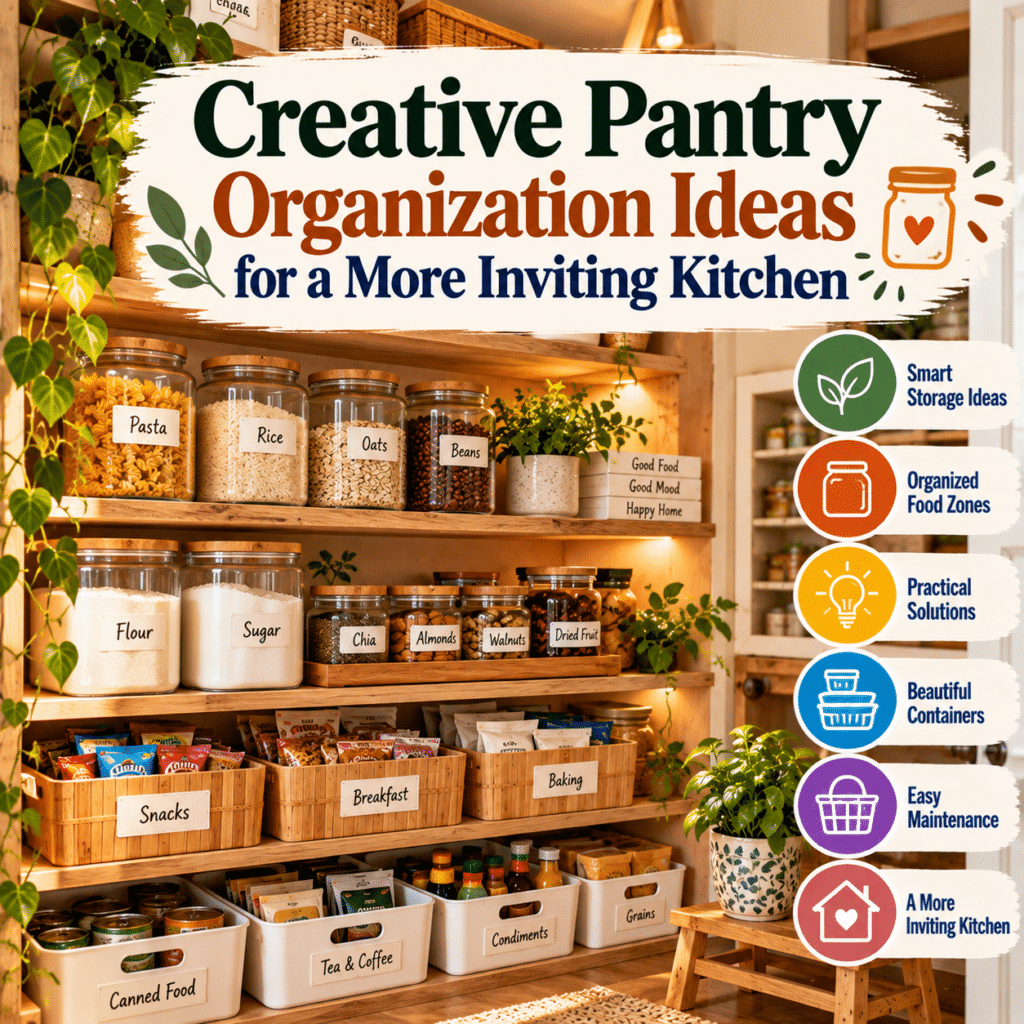
11. Create a Beautiful and Practical Pantry
A well-organized pantry can improve meal preparation and reduce forgotten ingredients.
Group Similar Foods
Organize pantry items by categories such as grains, canned foods, baking ingredients, snacks, and beverages.
Keep Frequently Used Items Accessible
Place everyday ingredients where they can be reached conveniently.
Use Clear Containers Where Helpful
Transparent containers can make contents easier to identify.
However, original packaging may be preferable when it provides important storage, allergen, or preparation information.
Rotate Food Supplies
Use older suitable products before newer ones when appropriate.
Check dates and storage instructions.
Avoid Overcrowding
Leave enough room to see and retrieve items.
Choose Practical Labels
Simple labels can identify contents and relevant dates.
The goal is a pantry that makes cooking easier, not one designed only for photographs.
12. Style a Small Kitchen Without Making It Feel Crowded
Small kitchens benefit from careful editing and efficient storage.
The challenge is preserving useful workspace while introducing visual warmth.
Choose Compact Accessories
A small utensil holder or narrow tray may be more practical than large decorative arrangements.
Use Wall Space
Suitable hooks, rails, or shelves can free countertop space.
Install them securely and keep items away from unsafe heat sources.
Keep Countertops Mostly Clear
In compact kitchens, open preparation space is especially valuable.
Use Light and Balanced Colors
Light colors may help maintain a bright appearance, but darker accents can also work.
Choose Multifunctional Items
A cutting board, attractive bowl, or practical storage container can serve both decorative and functional purposes.
Avoid Oversized Furniture
If the kitchen includes a dining area, choose tables and seating that fit comfortably.
Maintain Easy Movement
Do not place furniture or accessories where they obstruct doors, appliances, or essential walking paths.
13. Make Kitchen Islands More Functional and Inviting
A kitchen island can provide additional preparation space, storage, or seating.
Its design should reflect how it is actually used.
Keep the Main Work Surface Available
Avoid filling the island with permanent decorations.
A small centerpiece may be enough.
Organize Seating Thoughtfully
Choose stools that suit the counter height and provide comfortable legroom.
Consider Storage Needs
Drawers, shelves, or cabinets may improve functionality.
Use Appropriate Lighting
Pendant lights or other suitable fixtures can illuminate the island.
Maintain Safe Circulation
Ensure that people can move around the island and open nearby appliances.
Avoid Mixing Incompatible Activities
If the island is used for food preparation and dining, organize the surface so raw ingredients and food preparation tools do not contaminate eating areas.
14. Add Personality With Kitchen Textiles
Textiles introduce softness and color into kitchens.
They can also serve practical purposes.
Choose Attractive Kitchen Towels
Kitchen towels can complement the room’s color palette.
Use separate towels as appropriate for drying hands, dishes, and cleaning tasks.
Wash them regularly.
Consider Window Treatments
Curtains or blinds can provide privacy and manage sunlight.
Choose materials suitable for the kitchen environment and keep them away from flames or other heat hazards.
Use Practical Rugs
A rug can soften flooring and introduce texture.
Choose a suitable non-slip design that is easy to clean.
Avoid placing rugs where they create tripping hazards.
Add Seat Cushions
If the kitchen includes dining chairs or stools, suitable cushions may improve comfort.
Choose easy-care fabrics.
Keep Textiles Away From Heat
Do not position fabric accessories near open flames, hot burners, or other unsafe heat sources.
15. Display Cookware and Tableware Thoughtfully
Cookware and dishes can contribute to the kitchen’s appearance when stored appropriately.
Display Frequently Used Cookware
A suitable pot rack or shelf can make certain cookware accessible.
Ensure that supports are securely installed and that items do not obstruct movement.
Use Open Shelves for Everyday Dishes
Stacks of plates, bowls, and mugs can create an attractive arrangement.
Organize by Shape and Size
Grouping similar items can make shelves appear more orderly.
Consider a Display Cabinet
Glass-front cabinets can showcase tableware while offering some protection from dust.
Avoid Overloading Displays
Heavy cookware and dishes require suitable support.
Keep Function First
Display arrangements should make items easier to use, not more difficult to retrieve.
16. Introduce Art and Personal Details
Kitchens can reflect personal style just as much as living rooms and bedrooms.
Display Suitable Artwork
Small framed prints, illustrations, or photographs can introduce color and character.
Position them away from excessive heat, moisture, and grease.
Include Meaningful Objects
A favorite ceramic bowl, handmade mug, or treasured serving piece can add personality.
Create a Small Decorative Shelf
A shelf might hold a few cookbooks, ceramics, or suitable decorative objects.
Use Colorful Tableware
Tableware can provide accent colors without requiring permanent changes.
Avoid Excessive Decoration
Keep important work areas clear.
A few meaningful pieces often create a stronger impression than numerous unrelated accessories.
17. Explore Different Kitchen Styling Approaches
Kitchen styling can reflect many decorating preferences.
| Kitchen Style | Visual Characteristics | Functional Styling Ideas |
|---|---|---|
| Modern Minimalist | Clean lines, simple colors | Concealed storage, clear counters |
| Scandinavian | Light wood, soft neutrals | Practical shelving, natural textures |
| Modern Organic | Earthy colors, gentle shapes | Wood accessories, ceramics |
| Rustic | Warm finishes, textured materials | Wooden boards, woven storage |
| Traditional | Classic cabinetry, decorative details | Coordinated hardware, display cabinets |
| Contemporary | Balanced contrasts, streamlined features | Integrated storage, layered lighting |
| Eclectic | Personal collections, mixed finishes | Thoughtful displays, cohesive colors |
Modern Minimalist Kitchens
Focus on clear surfaces, practical storage, and a limited number of accessories.
Scandinavian-Inspired Kitchens
Combine light wood, neutral colors, and functional organization.
Modern Organic Kitchens
Introduce natural materials, textured ceramics, and earth-inspired colors.
Rustic Kitchens
Use wood, woven accessories, and warm finishes while preserving practical cleaning and storage.
Traditional Kitchens
Highlight classic cabinet details, suitable lighting, and carefully selected decorative pieces.
Eclectic Kitchens
Mix colors, materials, and personal objects while maintaining functional work zones.
18. Refresh a Kitchen Without a Major Renovation
A kitchen makeover does not always require replacing cabinets or countertops.
Small changes can improve both appearance and functionality.
Rearrange Countertop Items
Remove unnecessary objects and group everyday essentials.
Improve Drawer Organization
Dividers and practical containers can make storage easier to use.
Replace Suitable Cabinet Hardware
New handles or knobs can subtly change the appearance of cabinets.
Ensure replacements fit securely.
Refresh Kitchen Textiles
New towels, seat cushions, or a practical rug can introduce color.
Add Better Task Lighting
Improving illumination can make food preparation more comfortable.
Introduce a Small Decorative Element
A ceramic bowl, botanical print, or suitable plant may add personality.
Refinish Suitable Surfaces
Painting or refinishing cabinets may be an option when materials and conditions allow.
Follow appropriate preparation, ventilation, and product safety instructions.
Avoid Changes That Create Maintenance Problems
A decorative improvement should not make surfaces harder to clean or reduce access to essential equipment.
19. Consider Sustainability in Kitchen Styling
Thoughtful kitchen styling can support longer-term use of household items.
However, sustainability depends on material sourcing, production, durability, maintenance, and disposal.
Use Existing Items Creatively
Rearrange or repurpose suitable containers, trays, and furniture before purchasing replacements.
Choose Durable Accessories
Items that tolerate regular use and cleaning may remain useful longer.
Avoid Unnecessary Duplicates
Before buying another organizer or utensil holder, consider whether existing storage can be improved.
Repair When Practical
Suitable cabinet hardware, shelves, and furniture may be repairable.
Consider Secondhand Finds
Secondhand shelves, furniture, and decorative accessories can offer character and value.
Inspect condition and safety before use.
Be Careful With Food-Contact Items
Secondhand or decorative ceramics, containers, and finishes should not be assumed food-safe without reliable information.
Prioritize Long-Term Function
A kitchen that remains comfortable and practical over time may require fewer unnecessary changes.
20. Common Kitchen Styling Mistakes to Avoid
Even attractive decorating ideas can become inconvenient when they interfere with daily routines.
Overdecorating Countertops
Too many accessories reduce useful preparation space.
Prioritizing Appearance Over Storage
Beautiful containers are not helpful if they make ingredients harder to identify or access.
Ignoring Cleaning Requirements
Open shelves, textured surfaces, and decorative accessories may require additional maintenance.
Choosing Impractical Materials
Some materials are sensitive to moisture, heat, stains, or cleaning products.
Using Inadequate Lighting
Food preparation requires appropriate illumination.
Blocking Appliance Ventilation
Decorative arrangements should not obstruct ventilation openings or required clearances.
Placing Flammable Items Near Heat
Keep textiles, paper, decorative plants, and other combustible materials away from burners and hot appliances.
Forgetting Food Safety
Decorative objects should not interfere with hygienic food preparation, cleaning, or proper storage.
Following Trends Without Considering Daily Needs
A styling idea may look appealing online but be unsuitable for your kitchen’s size, layout, or cooking habits.
21. A Step-by-Step Kitchen Styling Plan
A thoughtful kitchen refresh can begin with a few manageable steps.
Step 1: Evaluate Daily Routines
Identify how the kitchen is used and which activities require improvement.
Step 2: Clear and Clean the Main Surfaces
Remove unnecessary items from countertops.
Clean surfaces using appropriate methods.
Step 3: Define Functional Zones
Organize storage around food preparation, cooking, cleaning, and serving.
Step 4: Choose a Cohesive Color Direction
Select foundation colors and a few accents that complement existing finishes.
Step 5: Improve Storage
Use practical organizers where they genuinely improve access.
Step 6: Add Functional Accessories
Choose items such as trays, utensil holders, or containers that support everyday activities.
Step 7: Review Lighting
Ensure that work surfaces are adequately illuminated.
Step 8: Introduce Natural Materials
Add wood, ceramics, textiles, or suitable greenery where appropriate.
Step 9: Personalize Carefully
Include a few meaningful decorative details without overcrowding.
Step 10: Test the Arrangement
Use the kitchen normally for several days.
Notice whether the changes make cooking, cleaning, and organization easier.
Adjust anything that interferes with daily routines.
22. Kitchen Beauty and Function Checklist
Use this checklist to evaluate your kitchen styling.
Layout and Workspace
- Food preparation surfaces are reasonably clear.
- Frequently used tools are easy to reach.
- Appliances can be used safely.
- Walking paths remain unobstructed.
- Storage supports everyday cooking routines.
Organization
- Drawers and cabinets are organized logically.
- Pantry items are easy to identify.
- Food labels and dates are preserved where necessary.
- Storage containers suit their intended contents.
- Decorative organizers provide practical value.
Lighting and Atmosphere
- General lighting is adequate.
- Preparation areas have suitable task lighting.
- Colors and materials feel cohesive.
- Decorative objects reflect personal preferences.
- The kitchen feels welcoming without being crowded.
Cleaning and Safety
- Surfaces are easy to clean.
- Decorative objects do not interfere with food preparation.
- Flammable materials are kept away from heat.
- Electrical equipment has appropriate clearance.
- Shelves and storage systems are securely installed.
Long-Term Practicality
- Materials suit the household’s cooking habits.
- Accessories are durable enough for regular use.
- Storage can adapt to changing needs.
- Purchases address genuine problems.
- The kitchen remains comfortable to use every day.
Frequently Asked Questions About Kitchen Styling
1. How can I make my kitchen look beautiful without renovating?
Start by clearing countertops, improving organization, refreshing textiles, and introducing a few coordinated accessories. Better lighting, attractive storage containers, and thoughtful displays can improve the appearance without major construction.
2. How do I decorate kitchen countertops without making them cluttered?
Reserve the main preparation areas for cooking. Group a few frequently used items on a suitable tray and choose accessories that provide practical value. Avoid filling every available surface with decorations.
3. What colors work well for a timeless kitchen?
Warm white, cream, beige, taupe, natural wood tones, muted green, and soft gray are versatile choices. Darker colors and stronger accents can also work when balanced with appropriate lighting and surrounding finishes.
4. Are open kitchen shelves practical?
Open shelves can provide convenient access and attractive displays, but they require regular cleaning. They are most practical for suitable items that are used frequently and in areas with manageable exposure to grease and moisture.
5. How can I make a small kitchen feel more organized?
Prioritize clear countertops, practical cabinet organization, vertical storage, and compact accessories. Keep frequently used items accessible and avoid storage products that make everyday tasks more complicated.
6. What is the best way to combine natural materials in a kitchen?
Use a few complementary materials, such as wood, ceramic, glass, and suitable textiles. Repeat colors or finishes thoughtfully and choose materials according to their cleaning and maintenance requirements.
7. How can I balance kitchen decoration with food safety?
Keep decorative objects away from active food preparation areas, store ingredients properly, maintain cleanable surfaces, and avoid placing flammable items near heat sources. Function and hygiene should guide decorative decisions.
Conclusion: A Beautiful Kitchen Should Make Everyday Life Easier
Kitchen styling is most successful when beauty and practicality work together.
An attractive kitchen does not need to be filled with decorative accessories, expensive appliances, or perfectly coordinated containers. It needs to support everyday cooking, cleaning, storage, and gathering while reflecting the preferences of the people who use it.
Thoughtful organization, suitable lighting, comfortable layouts, natural materials, cohesive colors, and meaningful details can transform the atmosphere without requiring a major renovation.
The most effective improvements often begin with simple questions.
Can frequently used tools be reached easily? Is there enough room to prepare food? Are storage systems practical? Can surfaces be cleaned without unnecessary effort? Does the kitchen feel comfortable and welcoming?
When these needs are addressed, decorative choices become more purposeful.
A wooden cutting board, a ceramic utensil holder, a neatly arranged shelf, or a small botanical detail can add personality while preserving function.
Rather than trying to recreate a picture-perfect kitchen, focus on building a space that works naturally with your daily routines.
The most beautiful kitchen is not the one with the most decorations. It is the one where thoughtful design makes cooking easier, organization simpler, and everyday moments more enjoyable.