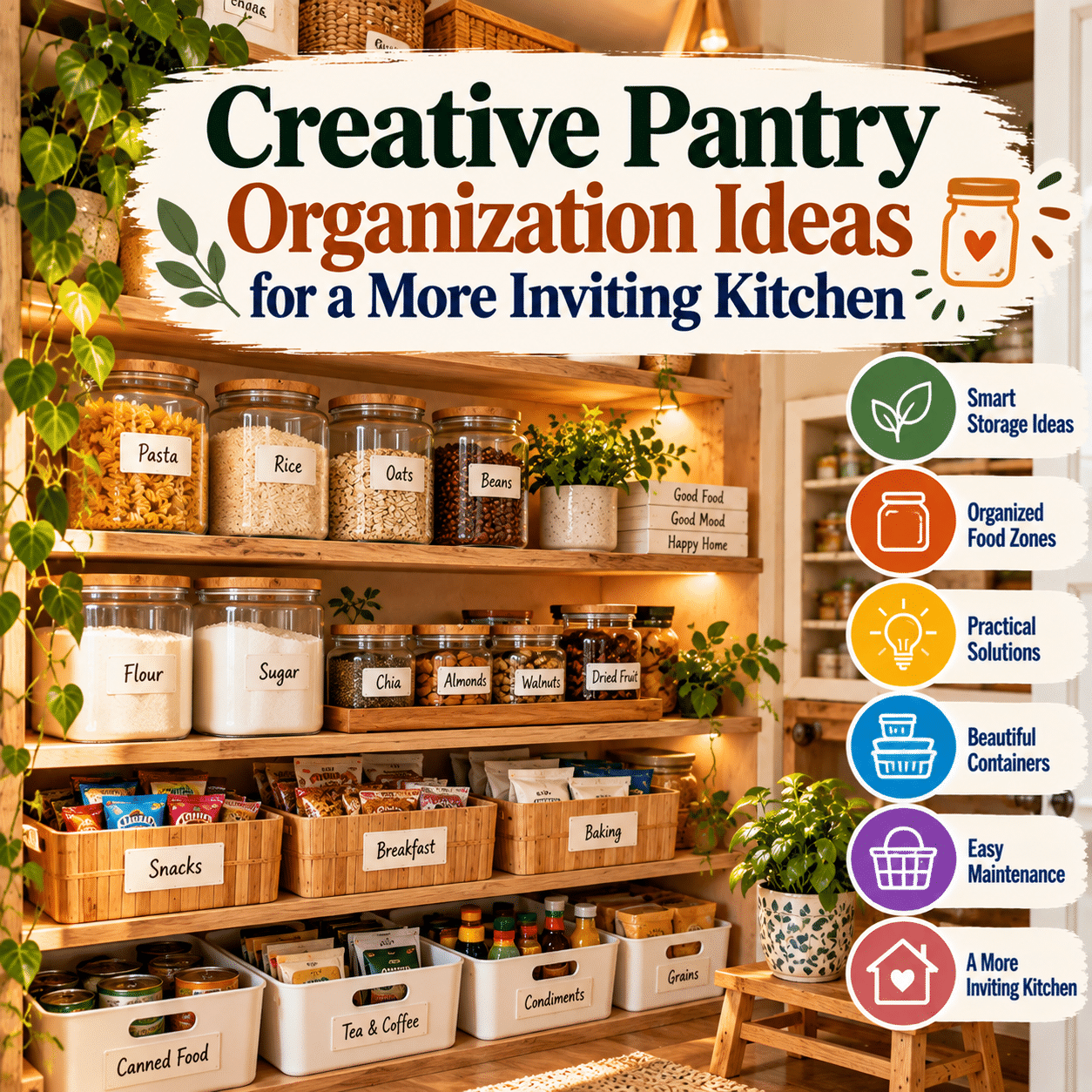
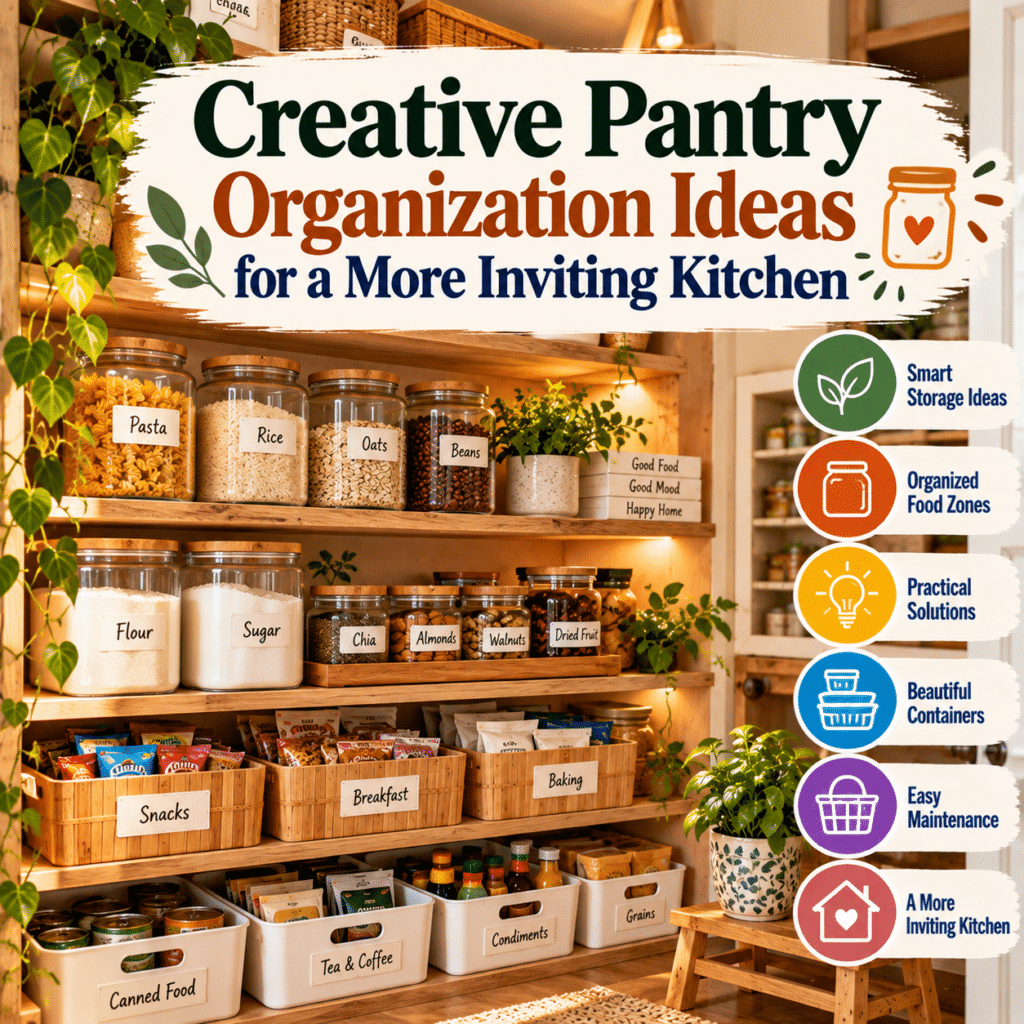
A well-organized pantry can make everyday cooking feel easier, calmer, and more enjoyable. Instead of searching through crowded shelves, discovering forgotten ingredients, or rearranging containers just to reach a favorite snack, imagine opening a pantry where everything has a practical place.
An inviting pantry is not necessarily a large walk-in space filled with perfectly matching jars. It can be a single kitchen cabinet, a narrow shelving unit, a collection of deep drawers, or a dedicated storage area. What matters most is how effectively the space supports the way you shop, prepare meals, and manage food at home.
Thoughtful pantry organization brings together three important qualities: accessibility, visual harmony, and everyday functionality.
Clear categories make ingredients easier to find. Appropriate containers help protect food. Well-planned shelves improve access, while simple labels reduce confusion. Natural materials, coordinated colors, and carefully selected storage accessories can also make the pantry feel like an attractive extension of the kitchen.
However, pantry organization should never become a complicated decorating project that creates more work than it solves. Transferring every ingredient into a matching container, purchasing unnecessary organizers, or hiding important packaging information may make shelves look appealing without improving their usefulness.
The most successful pantry systems are designed around real household routines. They accommodate different food packages, changing grocery supplies, individual preferences, and the practical realities of daily cooking.
Whether you are organizing a compact apartment cabinet or refreshing a spacious walk-in pantry, small improvements can create meaningful results.
This guide explores creative pantry organization ideas that balance beauty and function, including storage zones, shelf arrangements, food-safe containers, labeling systems, small-space solutions, natural materials, practical maintenance routines, and ways to make your kitchen feel more welcoming.
1. What Makes a Pantry Beautiful, Organized, and Functional?
An organized pantry should help you understand what you have, locate ingredients quickly, and store food appropriately.
Its appearance matters, but visual consistency should support practical use rather than replace it.
Clear Categories
Grouping related ingredients makes the pantry easier to navigate.
For example, baking supplies, canned foods, grains, snacks, and beverages can each have a designated area.
Convenient Accessibility
Frequently used ingredients should be stored where they are comfortable to reach.
Items used occasionally can occupy less accessible shelves.
Appropriate Food Storage
Food should be stored according to its packaging instructions and the conditions required to maintain quality and safety.
Visible Inventory
A good pantry system helps you recognize what is available before buying more groceries.
This can reduce unnecessary duplicate purchases.
Flexible Storage
Grocery quantities and household preferences change over time.
An effective system should accommodate different package sizes and new ingredients.
Easy Maintenance
Shelves, containers, and organizers should be practical to clean.
Visual Harmony
Coordinated containers, thoughtful spacing, simple labels, and attractive materials can make the pantry feel more inviting.
The goal is not a perfect display. It is a dependable storage system that makes everyday kitchen activities easier.
2. Begin With a Complete Pantry Assessment
Before purchasing organizers or rearranging shelves, take time to understand the pantry’s current condition.
A thoughtful assessment can reveal problems that decorative storage products alone cannot solve.
Empty One Section at a Time
Remove items from a manageable section and place them on a clean surface.
For a small pantry, you may prefer to empty the entire cabinet.
For a large pantry, working in sections can prevent unnecessary disruption.
Group Similar Foods
Arrange items into broad categories such as:
- Rice, pasta, and grains
- Flour and baking ingredients
- Canned and jarred foods
- Breakfast supplies
- Snacks
- Tea and coffee
- Cooking oils and condiments
- Spices and seasonings
- Shelf-stable beverages
- Extra household supplies
Adjust the categories according to your household.
Check Packaging and Dates
Inspect products for damaged packaging, signs of pests, and relevant date labels.
Follow product-specific guidance when deciding whether food remains suitable for use.
Identify Frequently Used Ingredients
Notice which foods appear in everyday meals.
These should generally occupy convenient storage locations.
Evaluate the Available Space
Measure shelf widths, depths, and heights.
Also consider whether doors, drawers, and nearby appliances limit access.
Identify the Main Problems
Common pantry frustrations include:
- Deep shelves hiding ingredients
- Unstable stacks of packages
- Difficult-to-reach upper shelves
- Forgotten food at the back
- Excessive duplicate purchases
- Containers without labels
- Mixed food and cleaning supplies
- Shelves that are difficult to clean
Understanding these problems helps you choose solutions that genuinely improve the space.
3. Organize the Pantry Into Practical Food Zones
Creating storage zones is one of the most effective ways to make a pantry easier to use.
Each zone should correspond to a familiar kitchen activity or food category.
Everyday Cooking Zone
Keep frequently used grains, pasta, canned tomatoes, and other staple ingredients together.
Choose a location near the main cooking or preparation area when possible.
Baking Zone
Group flour, sugar, baking powder, cocoa, and other baking ingredients.
Store them according to their individual requirements.
Breakfast Zone
Organize cereals, oats, spreads, and other suitable breakfast supplies.
Snack Zone
Use a basket or designated shelf for packaged snacks.
Beverage Zone
Tea, coffee, and shelf-stable drink supplies can occupy a separate area.
Canned Food Zone
Group canned vegetables, beans, soups, and other preserved foods.
Backup Supplies Zone
Store unopened extras and bulk purchases separately from everyday items when space allows.
Specialty Ingredients Zone
Ingredients used for occasional recipes can be grouped together.
| Pantry Zone | Typical Contents | Organization Approach |
|---|---|---|
| Everyday Cooking | Rice, pasta, grains | Accessible shelves or containers |
| Baking | Flour, sugar, baking ingredients | Labeled containers or original packages |
| Breakfast | Oats, cereals, spreads | Baskets and grouped storage |
| Snacks | Packaged snacks | Open bins or designated drawers |
| Beverages | Tea, coffee, shelf-stable drinks | Separate containers and shelves |
| Canned Foods | Beans, vegetables, soups | Stable rows or suitable risers |
| Backup Supplies | Extra unopened products | Higher or less-used storage areas |
| Specialty Foods | Occasional ingredients | Clearly labeled category bins |
Zones should make sense to the people who use the kitchen.
There is no need to follow a complicated classification system if a simpler arrangement works better.
4. Make Pantry Shelves Easier to Navigate
Shelf arrangement has a major influence on pantry convenience.
The best layout considers visibility, weight, frequency of use, and ease of access.
Use Eye-Level Shelves for Everyday Essentials
Store commonly used ingredients at comfortable heights.
This reduces unnecessary bending and reaching.
Keep Heavy Items Lower
Large bags of rice, heavy containers, and bulk beverages are generally safer on sturdy lower shelves.
Observe shelf load limits.
Reserve Upper Shelves for Lightweight Extras
Upper shelves can hold suitable lightweight supplies that are used less frequently.
Avoid storing heavy or fragile objects overhead.
Avoid Excessively Deep Rows
Deep shelves can hide products behind one another.
Use suitable organizers or shorter groupings to improve visibility.
Leave Room to Retrieve Items
Do not pack shelves so tightly that containers must be moved repeatedly.
Consider Adjustable Shelving
Adjustable shelves can accommodate changing package sizes and storage needs.
Keep Storage Stable
Avoid stacking containers in ways that could cause them to tip or fall.
An organized shelf should allow you to find and retrieve an ingredient without disturbing everything around it.
5. Use Clear Storage Containers Thoughtfully
Clear containers are popular because they make ingredients visible.
They can also create a tidy appearance when used appropriately.
However, not every pantry product benefits from being transferred into a different container.
Choose Food-Safe Materials
Use containers intended for food contact.
Common options include suitable glass, plastic, and stainless steel.
Match the Container to the Ingredient
Dry ingredients may benefit from appropriately sealed storage.
Choose containers large enough to accommodate the intended quantity without forcing the contents into an unsuitable space.
Consider Light Exposure
Some ingredients are sensitive to light.
Opaque containers or storage inside closed cabinets may be preferable.
Preserve Important Information
When transferring food, retain relevant details such as:
- Product identity
- Ingredients
- Allergen information
- Best-before or expiration dates
- Storage instructions
- Preparation directions
- Lot or batch information when relevant
A label on the new container may not capture everything printed on the original packaging.
Avoid Mixing Old and New Supplies Automatically
Adding fresh ingredients on top of older supplies can make stock rotation difficult.
Clean and dry containers as appropriate before refilling them, and maintain relevant product information.
Keep Original Packaging When Better
Original packaging may provide effective protection and essential information.
A basket holding neatly arranged original packages can be just as practical as matching jars.
The best storage solution is the one that protects the food and makes it easier to use.
6. Create a Cohesive Look Without Buying Matching Containers for Everything
A beautiful pantry does not require every container to be identical.
Visual harmony can come from consistent organization rather than uniform packaging.
Choose a Simple Color Direction
Neutral containers, natural wood, and a limited number of accent colors can create a balanced appearance.
Repeat Materials Selectively
A few similar baskets or storage bins can visually connect different shelves.
Use Consistent Labels
Simple labels can make varied containers feel organized.
Group Similar Shapes
Placing tall packages together and smaller containers in a separate area can create a more orderly appearance.
Allow Original Packaging to Remain Visible
Colorful packaging does not necessarily make a pantry unattractive.
Organized categories and clear shelf spacing can create a pleasant result.
Avoid Unnecessary Transfers
Moving every food item into a decorative jar can increase cleaning, labeling, and refilling work.
Focus on Everyday Use
Choose matching containers only where they provide practical benefits.
An inviting pantry should feel thoughtfully arranged, not artificially staged.
7. Use Baskets to Organize Loose Pantry Items
Baskets can help contain products that are difficult to stack or display individually.
They are especially useful for snacks, small packets, and irregularly shaped packages.
Create a Snack Basket
Group packaged snacks into a designated container.
Organize Breakfast Supplies
A basket can hold suitable breakfast packets and smaller packaged items.
Store Baking Accessories
Cupcake liners, unopened decorating supplies, and other lightweight accessories can be grouped together.
Create a Backup Ingredients Basket
Use a labeled basket for suitable unopened extras.
Choose Appropriate Materials
Options include:
- Woven baskets
- Plastic bins
- Metal baskets
- Fabric-lined organizers
- Wooden storage boxes
Consider cleaning requirements and the possibility of crumbs or spills.
Use Baskets With Handles
Handles can make lightweight containers easier to retrieve.
Avoid lifting overloaded baskets from high shelves.
Label the Front
A short category label can make contents easier to identify.
Baskets are most effective when each has a clear purpose.
8. Make Deep Pantry Shelves More Accessible
Deep shelves offer generous storage capacity, but they can make ingredients difficult to see.
Without an effective arrangement, products may remain forgotten at the back.
Use Pull-Out Bins
A suitable pull-out bin allows you to bring several items forward at once.
Consider Sliding Drawers
Properly installed sliding shelves can improve access in deep cabinets.
Group Items by Category
Place related products in a single removable container.
Avoid Unstable Stacking
Stacking packages too high can make retrieval difficult.
Keep Frequently Used Items Toward the Front
Reserve rear sections for appropriate backup supplies.
Review Shelf Depth
Not every organizer fits every cabinet.
Measure the available space before purchasing.
Consider Weight Limits
Sliding organizers and pull-out shelves have load capacities.
Heavy containers require suitable support.
A deep pantry becomes more useful when its full storage capacity can be accessed comfortably.
9. Use Lazy Susans for Difficult Corners
A rotating organizer, often called a lazy Susan, can help make certain pantry corners easier to use.
Organize Small Containers
A rotating tray may hold suitable jars, bottles, or packaged ingredients.
Improve Corner Access
Rotating organizers can reduce the need to reach behind other products.
Choose a Stable Design
Select an organizer with suitable dimensions and load capacity.
Consider Raised Edges
Raised edges may help prevent items from sliding off.
Avoid Overloading
Excessive weight can make rotation difficult or unstable.
Keep Items Appropriately Stored
A rotating organizer does not replace proper food storage.
Use Only Where Helpful
Lazy Susans are useful in some corners but may waste space on shelves that already provide easy access.
Choose them to solve a specific accessibility problem.
10. Create Better Visibility With Shelf Risers
Shelf risers can help organize smaller containers and canned goods.
They are especially useful when products are hidden behind one another.
Use Tiered Risers for Small Items
A stepped organizer can make jars and containers easier to see.
Organize Canned Foods
Suitable risers may improve visibility when used within their load limits.
Avoid Tall, Unstable Arrangements
Do not create stacks that could fall when products are removed.
Measure Shelf Height
Check that the riser and its contents fit comfortably beneath the shelf above.
Keep Labels Visible
Arrange items so product names and dates can be read when possible.
Use Risers Selectively
They are most useful for products that would otherwise be hidden.
An organizer should improve access rather than merely increase the number of items stored.
11. Transform Pantry Drawers Into Organized Storage
Deep drawers can be excellent pantry storage areas.
They allow ingredients to be viewed from above and retrieved without reaching into deep shelves.
Group Similar Ingredients
Separate grains, snacks, baking supplies, and other categories.
Use Drawer Dividers
Dividers can prevent smaller packages from shifting.
Choose Suitable Containers
Low-profile containers may work well when drawer height is limited.
Label Container Tops
Top labels can make contents easier to identify when drawers are opened.
Avoid Overloading
Drawers have weight limits, especially when fully extended.
Consider Child Accessibility
Keep products that require restricted access out of children’s reach.
Maintain Easy Cleaning
Choose organizers that can be removed and cleaned when necessary.
A well-organized pantry drawer can make even a compact kitchen feel more efficient.
12. Make Use of Vertical Pantry Space
Vertical space is often overlooked.
Thoughtful use of shelf height can increase storage efficiency without expanding the pantry.
Add Adjustable Shelves
Adjustable shelving can reduce unused gaps above short containers.
Use Suitable Shelf Inserts
Shelf inserts can create additional levels for lightweight products.
Consider Wall-Mounted Storage
Securely mounted shelves may provide storage in suitable pantry areas.
Use Door-Mounted Organizers
The inside of a pantry door may accommodate lightweight supplies.
Check door clearance and hardware capacity.
Store Heavy Items Lower
Avoid using high shelves for heavy or fragile products.
Preserve Visibility
Additional storage should not make items difficult to identify.
Avoid Excessive Height
Storage is only useful when products can be reached safely.
Vertical organization should improve efficiency without introducing unnecessary hazards.
13. Organize Spices and Seasonings Creatively
Spices can become difficult to manage because they often come in small containers with similar appearances.
A simple system makes cooking more convenient.
Group Spices by Use
You might organize them by:
- Everyday seasonings
- Baking spices
- Herbs
- Blends
- Specialty ingredients
Consider Alphabetical Organization
Alphabetical labels can help larger collections.
Use Drawer Inserts
A suitable spice drawer insert can make labels easier to read.
Try a Small Shelf Rack
A compact rack may work well in a cabinet.
Avoid Excessive Heat and Moisture
Store spices away from unsuitable heat, steam, and humidity.
Preserve Original Information
Keep relevant dates and ingredient information, especially for blends containing potential allergens.
Review Your Collection
Avoid keeping unnecessary duplicates or products that are no longer suitable.
A well-organized spice area can make everyday meal preparation smoother.
14. Create a Practical Baking Supplies Station
Baking often requires several ingredients and tools to be used together.
Grouping them can reduce preparation time.
Store Common Ingredients Together
Keep suitable flour, sugar, cocoa, and other baking ingredients in a designated area.
Organize Small Packages
Baking powder, yeast, and decorating supplies may benefit from separate bins.
Keep Measuring Tools Nearby
A drawer or suitable container can hold measuring spoons and cups.
Preserve Storage Instructions
Some baking ingredients require refrigeration or special storage after opening.
Do not assume that all baking products belong in the pantry.
Use Appropriate Containers
Choose food-safe containers suited to the ingredients.
Label Clearly
Similar-looking powders can be easy to confuse.
Avoid Overcrowding
Leave enough space to remove ingredients without disturbing other supplies.
A practical baking station can make occasional and frequent baking more enjoyable.
15. Design a Family-Friendly Snack Zone
A designated snack area can simplify everyday routines in households where multiple people use the pantry.
Choose a Convenient Shelf
Place suitable snacks at an accessible height for intended users.
Use Open Bins
Open containers can make packaged snacks easier to see.
Separate Categories
Group crackers, dried fruit, and other appropriate snacks according to household preferences.
Keep Packaging Information
Original labels provide important ingredient and allergen details.
Consider Age and Safety
Some foods present choking hazards for young children.
Store age-inappropriate products securely.
Avoid Excessive Stockpiling
Keep quantities manageable and rotate supplies.
Make Refilling Simple
A snack zone should be easy to maintain after grocery shopping.
Family-friendly organization works best when it balances independence, convenience, and safety.
16. Make a Small Pantry Feel More Spacious
A compact pantry can be highly functional when storage is carefully planned.
Reduce Unnecessary Items
Begin by removing products that are no longer needed or suitable for use.
Group Similar Products
Clear categories make small spaces easier to navigate.
Use Appropriately Sized Containers
Oversized bins can waste valuable space.
Take Advantage of Shelf Height
Adjustable shelves or suitable inserts may improve capacity.
Keep Labels Easy to Read
Simple labels reduce searching.
Avoid Too Many Organizers
Adding excessive baskets and dividers can actually reduce usable storage.
Maintain Open Space
Leave enough room to remove items comfortably.
A small pantry often feels more inviting when its organization is simple and intentional.
17. Organize a Pantry Without a Dedicated Pantry Room
Not every home has a separate pantry.
Many kitchens rely on cabinets, drawers, or freestanding furniture.
Use a Tall Kitchen Cabinet
A tall cabinet can provide several storage zones.
Create a Pantry Drawer System
Deep drawers may accommodate dry goods and packaged foods.
Repurpose a Suitable Sideboard
A sturdy sideboard can hold shelf-stable ingredients when the environment is appropriate.
Consider a Freestanding Pantry Cabinet
A dedicated cabinet can provide additional storage.
Secure tall furniture against tipping where appropriate.
Use a Small Shelving Unit
Open shelves may work for suitable packaged foods in a clean, dry location.
Combine Multiple Storage Areas
Everyday ingredients can remain near the cooking area while backup supplies are stored elsewhere.
Keep the System Consistent
Clear categories and labels help connect different storage locations.
A pantry is defined by its function, not by having a separate room.
18. Make a Walk-In Pantry Feel Welcoming
A walk-in pantry offers opportunities for both practical organization and thoughtful styling.
Create Clear Storage Sections
Group ingredients by category and frequency of use.
Keep the Floor Clear
Avoid leaving loose packages or boxes in walking paths.
Improve Lighting
Ensure that labels and shelf contents are easy to see.
Use Consistent Storage Accessories
A few complementary bins or baskets can create visual harmony.
Consider a Small Preparation Surface
If space allows, a stable counter may provide a convenient area for organizing groceries.
Use Appropriate Ventilation
Maintain suitable environmental conditions for stored foods.
Keep Cleaning Supplies Separate
Food should not be stored where it may be contaminated by household chemicals.
Avoid Excessive Decoration
A walk-in pantry should remain easy to navigate and clean.
The most inviting walk-in pantry is one where every shelf has a clear purpose.
19. Choose a Pantry Color Palette That Complements Your Kitchen
A pantry can feel like a natural extension of the kitchen when its colors and materials work together.
Warm White
Warm white shelves can create a bright, clean appearance.
Soft Beige
Beige provides a gentle neutral foundation.
Sage Green
Muted green can introduce a natural, welcoming character.
Light Wood
Wood finishes add warmth and texture.
Charcoal Accents
Dark labels or hardware can provide contrast.
Natural Woven Materials
Baskets can soften the appearance of cabinets and shelves.
Use Color Strategically
A neutral foundation with a few repeated accents often creates a cohesive result.
However, the best colors are those that suit the room’s lighting and existing finishes.
20. Add Natural Materials for Warmth and Texture
Natural-looking materials can make pantry storage feel less utilitarian.
Wooden Shelves
Wood can create a warm visual foundation.
Choose finishes suitable for the environment and expected loads.
Woven Baskets
Woven storage can introduce texture while organizing lightweight items.
Glass Containers
Glass can provide visibility and a classic appearance.
Use suitable food-safe containers and handle them carefully.
Ceramic Accessories
A ceramic bowl or container may provide a decorative accent.
Use only food-contact-safe items for direct food storage.
Metal Organizers
Metal racks and baskets can provide durable storage when appropriately finished.
Combine Materials Thoughtfully
Wood, glass, and metal can work together when the palette remains cohesive.
Consider Maintenance
Some natural materials absorb moisture or are difficult to clean.
Choose them according to the pantry’s actual conditions.
21. Use Labels That Make Everyday Organization Easier
Labels are most useful when they reduce uncertainty.
They should communicate information clearly rather than simply decorate containers.
Use Short Category Labels
Examples include:
- Baking
- Breakfast
- Snacks
- Pasta
- Rice
- Tea
- Coffee
- Canned Foods
Label Similar-Looking Ingredients
Flour varieties, starches, and powdered ingredients can be difficult to distinguish.
Preserve Important Dates
Include relevant dates when food is transferred from original packaging.
Keep Allergen Information
Do not discard information needed to identify ingredients or allergens.
Choose Readable Typography
Decorative lettering should remain easy to understand.
Use Removable Labels When Helpful
Removable labels allow containers to be repurposed.
Avoid Overlabeling
Not every basket requires a detailed label.
A good labeling system makes the pantry easier to use for everyone in the household.
22. Create a Simple Pantry Inventory System
A pantry inventory can help reduce forgotten ingredients and unnecessary purchases.
It does not need to be complicated.
Keep a Basic List
A notebook, whiteboard, or digital list may be sufficient.
Track Frequently Used Staples
Focus on ingredients that are regularly replenished.
Record Backup Quantities
Knowing whether you already have extra rice, pasta, or canned foods can improve grocery planning.
Review Before Shopping
Check the pantry before making a grocery list.
Update the System Regularly
An inventory is only useful when it reflects what is actually available.
Avoid Excessive Detail
Tracking every small ingredient may become burdensome.
Choose a System You Will Maintain
A simple list used consistently is often more valuable than an elaborate spreadsheet that is rarely updated.
23. Reduce Food Waste Through Better Pantry Organization
Thoughtful pantry organization can support more intentional food use.
It helps make ingredients visible and easier to rotate.
Keep Older Products Accessible
Arrange suitable older supplies where they are likely to be used first.
Understand Date Labels
Best-before dates often relate to quality, while some use-by dates indicate safety requirements.
Interpret labels according to the product and applicable local guidance.
Check Before Replenishing
Avoid purchasing duplicates simply because existing ingredients are hidden.
Store Food Correctly
Proper storage conditions can help preserve quality.
Plan Meals Around Available Ingredients
Review the pantry before deciding what to cook.
Avoid Excessive Bulk Purchases
Buying large quantities may be inefficient if products cannot be used or stored appropriately.
Inspect Food Regularly
Check for damaged packaging, pest activity, and other signs that food may no longer be suitable.
Organization can support waste reduction, but it should always be paired with appropriate food-safety practices.
24. Store Bulk Ingredients Without Creating Clutter
Bulk purchasing can be convenient for some households.
However, large quantities require sufficient storage space and careful management.
Evaluate Actual Consumption
Consider how quickly the household uses each ingredient.
Check Storage Conditions
Bulk products may require protection from moisture, pests, heat, or light.
Use Suitable Containers
Choose containers intended for the food and quantity being stored.
Keep Heavy Supplies Low
Large bags and containers should be stored on appropriately supported lower shelves.
Separate Everyday and Backup Supplies
Keep a manageable amount accessible while storing unopened extras appropriately.
Preserve Packaging Information
Retain product identity, dates, and other relevant details.
Avoid Buying More Than You Can Use
Bulk purchasing is not automatically economical or sustainable.
A well-organized pantry should support realistic shopping habits.
25. Make Pantry Lighting More Practical and Inviting
Lighting can make a significant difference in how easily pantry contents can be seen.
Improve General Illumination
A walk-in pantry should have sufficient lighting for safe movement and reading labels.
Consider Under-Shelf Lighting
Suitable lighting can illuminate darker shelf areas.
Use Motion-Activated Lights
Motion-activated lighting may be convenient in some storage spaces.
Choose Appropriate Fixtures
Fixtures should suit the installation environment.
Avoid Glare
Position lights so they illuminate shelves without shining directly into the eyes.
Consider Color Rendering
Lighting that makes labels and food colors easy to distinguish can improve visibility.
Prioritize Electrical Safety
Use suitable equipment and follow installation instructions.
A well-lit pantry feels more accessible and welcoming because it is easier to use.
26. Create a Pantry That Works for Different Household Members
A pantry should accommodate the people who use it.
Consider Height and Reach
Frequently used items should be accessible to their intended users.
Organize Shared Supplies Clearly
Simple labels help multiple household members find ingredients.
Keep Hazardous Products Secure
Cleaning chemicals and other hazardous substances should be stored separately and safely.
Consider Children
Store age-inappropriate foods and items requiring supervision out of reach.
Support Different Mobility Needs
Pull-out drawers, accessible shelves, and lighter containers may improve convenience.
Avoid Overly Complicated Systems
An organization method should be easy for everyone to understand.
Review the Arrangement Together
Household members may have useful suggestions based on their routines.
An inviting pantry is one that supports the people who use it every day.
27. Pantry Organization Ideas for Different Kitchen Styles
Pantry organization can complement a variety of decorating preferences.
| Kitchen Style | Visual Direction | Practical Organization Ideas |
|---|---|---|
| Modern Minimalist | Simple colors and clean lines | Concealed bins, clear categories |
| Scandinavian | Light wood and warm neutrals | Practical shelving, restrained accessories |
| Modern Organic | Earthy colors and soft textures | Wood, ceramic accents, woven storage |
| Rustic | Natural grain and warm finishes | Wooden shelves, suitable baskets |
| Contemporary | Streamlined surfaces and contrast | Pull-out storage, integrated lighting |
| Traditional | Classic cabinetry and coordinated details | Labeled jars, organized cabinet sections |
| Eclectic | Mixed materials and personal character | Consistent categories with varied containers |
Modern Minimalist Pantry
Focus on simple storage, clear labels, and uncluttered shelves.
Scandinavian-Inspired Pantry
Combine light wood, neutral colors, and practical organization.
Modern Organic Pantry
Use earthy tones and selected natural materials.
Rustic Pantry
Highlight wood textures and suitable woven accessories.
Contemporary Pantry
Prioritize efficient storage hardware and clean visual lines.
Traditional Pantry
Use classic cabinetry, coordinated containers, and thoughtful shelf arrangements.
Eclectic Pantry
Combine personal style with a consistent organization system.
Regardless of style, accessibility and food storage requirements should remain the priorities.
28. Refresh Your Pantry Without a Major Renovation
A pantry can feel significantly more organized without replacing cabinets or installing new shelving.
Rearrange Existing Shelves
Move frequently used ingredients into more accessible positions.
Repurpose Containers
Use suitable existing bins and baskets before buying new ones.
Add Simple Labels
Clear labels can improve organization immediately.
Remove Unnecessary Packaging Clutter
Where appropriate, group packages into designated bins without discarding essential information.
Improve Lighting
Better illumination can make shelves easier to navigate.
Clean and Reorganize Drawers
Drawer dividers may improve access.
Introduce a Cohesive Accent
A few coordinated baskets or labels can create visual harmony.
Test the New Arrangement
Use the pantry normally before making additional purchases.
A practical refresh often begins with reorganizing what you already own.
29. Common Pantry Organization Mistakes to Avoid
Some popular organization ideas look attractive but create inconvenience.
Buying Organizers Before Measuring
Containers may not fit shelves or allow doors to close.
Always measure first.
Decanting Everything
Transferring every ingredient into matching jars can increase maintenance and remove important packaging information.
Using Containers That Are Too Large
Oversized containers waste storage space.
Hiding Frequently Used Items
Daily ingredients should not be buried behind occasional supplies.
Overcrowding Shelves
Tightly packed storage makes products difficult to retrieve.
Ignoring Food Storage Instructions
Some products require refrigeration after opening or other specific conditions.
Storing Heavy Items Too High
Heavy containers can be difficult and unsafe to retrieve.
Mixing Food and Hazardous Chemicals
Cleaning products should be stored separately to prevent contamination.
Creating Complicated Labels
Labels should improve clarity.
Forgetting Maintenance
Even a well-organized pantry requires occasional cleaning and review.
The best pantry system is one that remains practical after the initial organizing project is finished.
30. A Step-by-Step Pantry Organization Plan
A structured approach can make pantry organization more manageable.
Step 1: Assess the Space
Identify available shelves, drawers, and cabinets.
Measure the dimensions.
Step 2: Remove and Sort Items
Work through the pantry in manageable sections.
Step 3: Inspect Food and Packaging
Check storage instructions, dates, and package condition.
Step 4: Create Practical Categories
Group ingredients according to household routines.
Step 5: Assign Storage Zones
Place everyday ingredients in accessible locations.
Step 6: Reuse Existing Organizers
Try available baskets, trays, and containers before purchasing new products.
Step 7: Add Storage Accessories Where Needed
Choose organizers that solve specific problems.
Step 8: Label Clearly
Use labels that preserve important information.
Step 9: Improve Visibility
Adjust shelf spacing, use suitable risers, or improve lighting.
Step 10: Test the Arrangement
Cook and shop normally for a week or two.
Notice whether the new system makes ingredients easier to find.
Step 11: Make Adjustments
Move categories or change containers when the arrangement proves inconvenient.
Step 12: Establish a Maintenance Routine
Schedule simple reviews to keep the pantry functional.
31. A Practical Pantry Maintenance Routine
A pantry remains inviting when organization becomes part of normal household habits.
After Grocery Shopping
Place new products in their designated categories.
Check existing supplies before adding duplicates.
During Everyday Cooking
Return ingredients to their appropriate locations.
Close containers securely.
Weekly or As Needed
Wipe visible spills and check frequently used storage areas.
Monthly
Review categories, identify forgotten products, and clean shelves as needed.
Periodically
Inspect less-used ingredients, backup supplies, and storage containers.
When Household Needs Change
Adjust categories and storage zones.
Keep the Routine Simple
Maintenance should not require a major organizing session every week.
Small, consistent habits help prevent clutter from returning.
32. Pantry Organization Checklist
Use this checklist to evaluate your pantry.
Layout and Accessibility
- Frequently used ingredients are easy to reach.
- Heavy products are stored safely.
- Shelves are not overcrowded.
- Deep storage areas remain accessible.
- Walking paths and cabinet doors are unobstructed.
Food Storage
- Food is stored according to its requirements.
- Containers are suitable for food contact.
- Important packaging information is preserved.
- Products are protected from inappropriate moisture and heat.
- Food and hazardous chemicals are stored separately.
Organization
- Ingredients are grouped into practical categories.
- Labels are clear and readable.
- Frequently used items have consistent locations.
- Backup supplies are organized.
- The system is easy for household members to understand.
Appearance
- Shelves feel visually balanced.
- Storage accessories complement the kitchen.
- Containers are not unnecessarily complicated.
- Lighting makes contents easy to see.
- The pantry feels welcoming without excessive decoration.
Long-Term Maintenance
- Shelves and containers are easy to clean.
- Inventory is reviewed when needed.
- Older suitable products are used appropriately.
- The system adapts to changing grocery habits.
- Organization saves time rather than creating extra work.
Frequently Asked Questions About Pantry Organization
1. How can I make my pantry look beautiful without buying expensive organizers?
Start by grouping similar foods, cleaning shelves, and arranging frequently used items neatly. Reuse existing baskets and containers, add simple labels, and choose a consistent organization method. Visual harmony often comes from clear categories rather than expensive matching accessories.
2. What is the best way to organize a small pantry?
Use practical food zones, keep everyday ingredients accessible, and make careful use of vertical space. Appropriately sized bins, adjustable shelves, and suitable drawer organizers can improve storage without overcrowding.
3. Should I transfer all pantry foods into airtight containers?
No. Some dry ingredients benefit from suitable sealed containers, but many products can remain in their original packaging. Consider storage requirements, food safety, labeling information, and convenience before transferring ingredients.
4. How do I organize deep pantry shelves?
Use suitable pull-out bins, sliding shelves, or removable category containers. Keep frequently used items near the front and avoid unstable stacks. Measure the available space and check organizer load limits before purchasing.
5. How can I prevent food from getting lost in the pantry?
Group ingredients by category, keep labels visible, and avoid overcrowding. Review supplies before grocery shopping and place older suitable products where they can be used appropriately.
6. What pantry storage ideas work best for families?
Clear categories, accessible everyday ingredients, labeled snack bins, and separate backup supplies can help. Consider the ages and needs of household members, and store potentially hazardous or age-inappropriate products securely.
7. How often should I reorganize my pantry?
There is no fixed schedule for every household. Small adjustments during grocery shopping and periodic checks are usually more manageable than frequent complete reorganizations. Review the system whenever it becomes difficult to find or store ingredients.
Conclusion: Create a Pantry That Makes Everyday Kitchen Life Easier
A beautiful pantry is not defined by matching jars, elaborate labels, or perfectly arranged shelves.
Its real value comes from helping you store ingredients appropriately, find what you need, and move through everyday kitchen routines with less effort.
Thoughtful categories, accessible shelves, suitable containers, clear labels, and practical storage accessories can transform even a small pantry into an organized and welcoming space.
Natural materials, coordinated colors, and simple decorative details can enhance its appearance, but functionality should always guide the design.
Start by understanding what you already have. Remove unnecessary clutter, identify the ingredients you use most often, and organize the space around your actual cooking and shopping habits.
Introduce storage accessories only when they solve a genuine problem. Keep food safety and labeling information in mind, and choose a system that is easy to maintain.
Over time, small improvements can make the pantry feel more comfortable, efficient, and connected to the rest of the kitchen.
The most inviting pantry is not the one that looks perfect in a photograph. It is the one that makes everyday cooking simpler, keeps ingredients easier to find, and helps your kitchen feel naturally organized.