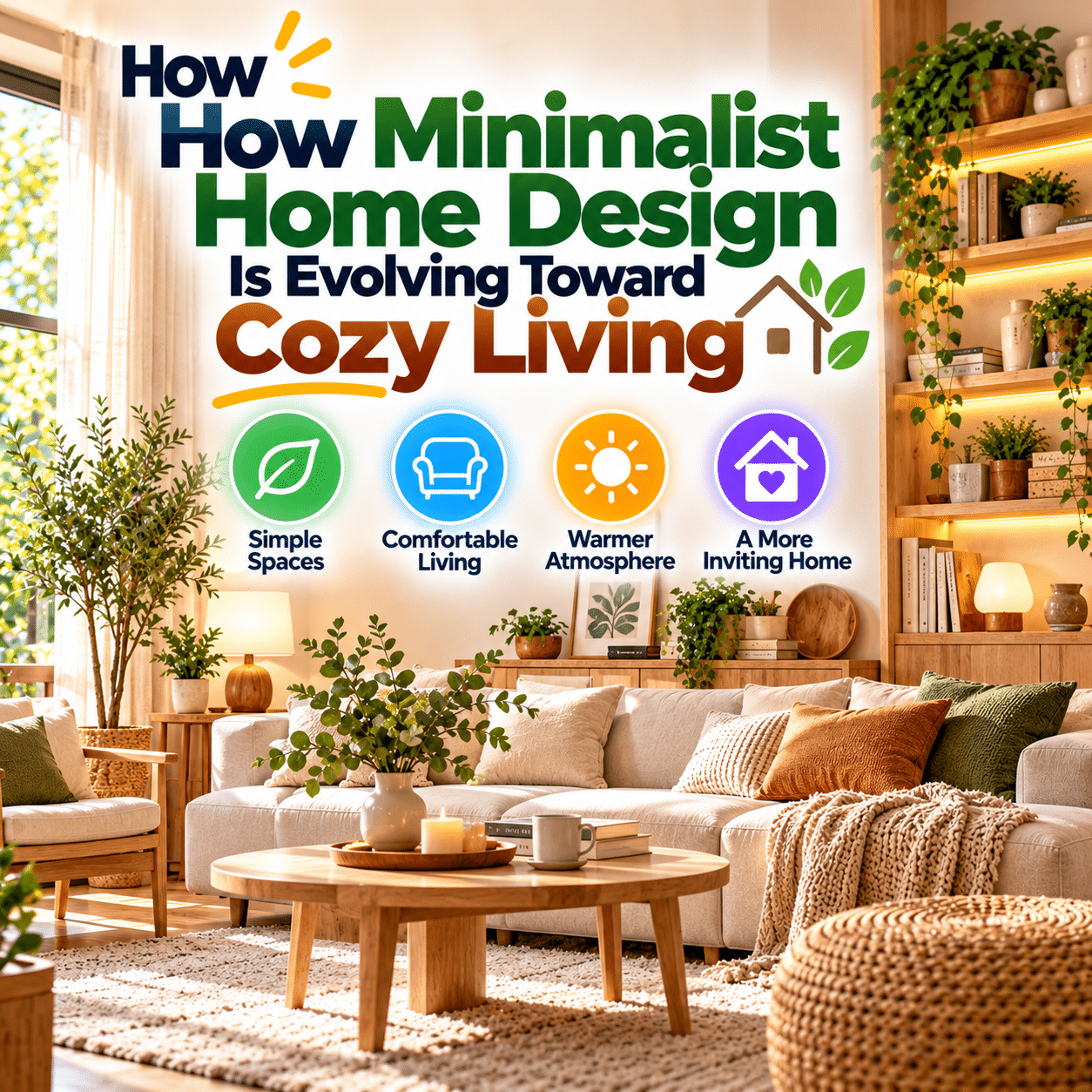
Minimalist home design has long been associated with clean lines, open surfaces, neutral colors, and carefully selected furniture.
At its best, minimalism creates a sense of calm by reducing visual distractions and allowing everyday spaces to function more naturally.
Yet some interpretations of minimalist interiors can feel overly formal or impersonal. A room may look beautifully arranged in a photograph while offering little of the warmth, softness, or flexibility people appreciate in daily life.
This has encouraged a more comfortable approach to minimalist decorating.
Often described as warm minimalism or cozy minimalism, this approach preserves the simplicity of traditional minimalist design while introducing natural textures, softer lighting, comfortable furnishings, and meaningful personal details.
The goal is no longer simply to own fewer objects or maintain perfectly empty surfaces.
Instead, it is to create a home that feels peaceful, welcoming, practical, and genuinely lived in.
Understanding how minimalist home design is evolving toward cozy living can help households develop interiors that balance visual simplicity with everyday comfort.
1. What Is Warm Minimalism?
Warm minimalism is an approach to interior design that combines restrained decoration with materials, colors, and furnishings that create a welcoming atmosphere.
It shares several principles with traditional minimalism, including intentional purchasing, uncluttered layouts, and functional furniture.
The difference lies in how those principles are expressed.
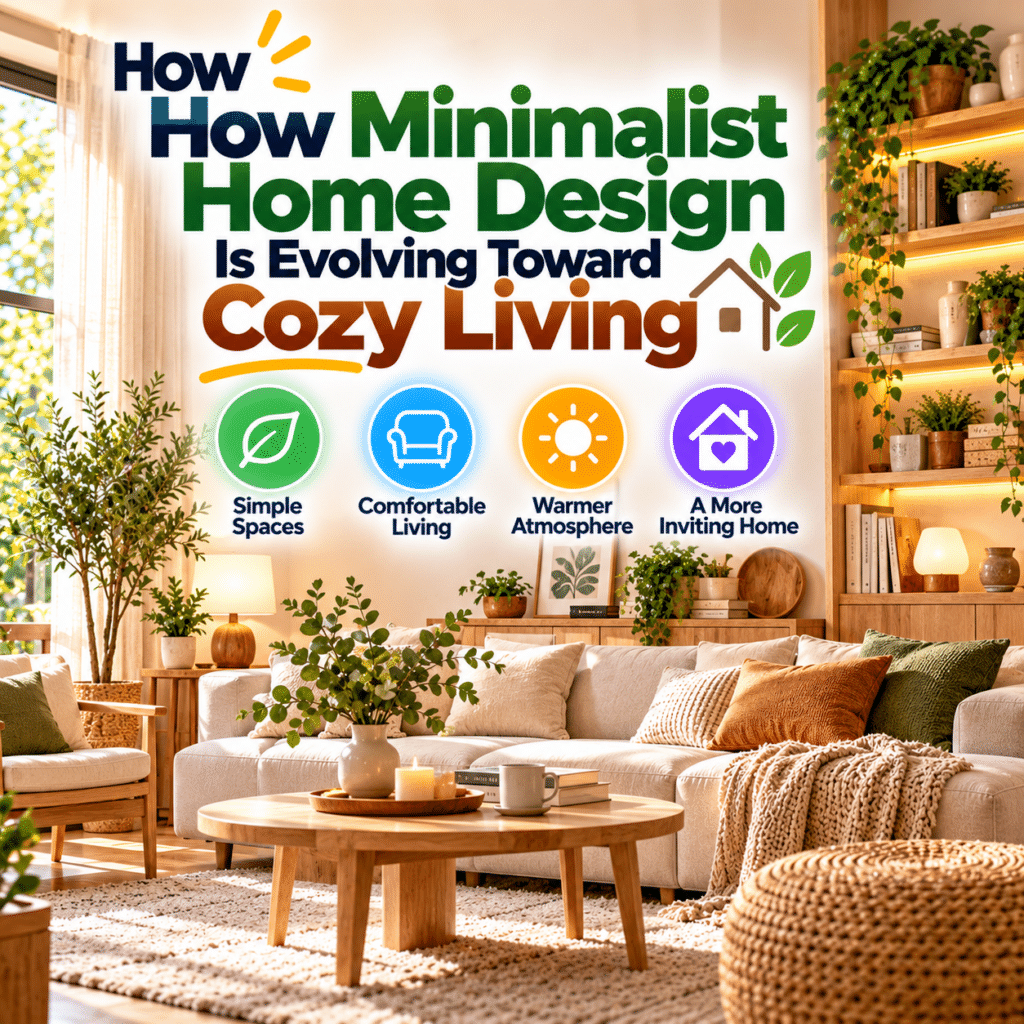
A warm minimalist room may feature a simple sofa, a wooden coffee table, textured cushions, soft curtains, and carefully selected artwork.
The space remains visually organized, but it does not feel empty.
Key Characteristics of Warm Minimalism
- A restrained but welcoming color palette.
- Natural-looking materials and varied textures.
- Comfortable furniture with practical proportions.
- Soft, layered lighting.
- Thoughtful use of personal belongings.
- Open space without unnecessary emptiness.
- Decoration selected for meaning, usefulness, or visual harmony.
Warm minimalism is not a strict formula.
It can be adapted to different budgets, climates, cultural preferences, and household routines.
Its defining quality is the balance between simplicity and comfort.
2. Why Minimalist Interiors Are Becoming More Comfortable
Minimalism has never been a single, unchanging design style.
Different architectural traditions and interior movements have interpreted simplicity in different ways.
The growing interest in warmer interiors reflects a practical desire to make minimalist principles more compatible with everyday life.
Homes Serve More Purposes
Many households use their living spaces for relaxation, work, study, hobbies, and social activities.
An interior that looks attractive but is uncomfortable or difficult to maintain may not support these needs.
Comfort Matters as Much as Appearance
A visually simple room can still benefit from soft seating, supportive furniture, pleasant lighting, and tactile materials.
Personal Expression Remains Important
People often want their homes to reflect memories, interests, and cultural traditions.
Warm minimalism allows carefully chosen personal objects to become part of the design.
Practicality Encourages Flexibility
Furniture arrangements and storage solutions need to accommodate real routines rather than maintain a permanently staged appearance.
Simplicity Can Be Inviting
A room does not need abundant decoration to feel welcoming.
Thoughtful proportions, textures, and lighting can create warmth without introducing unnecessary clutter.
The evolution toward cozy minimalism is therefore less about rejecting simplicity and more about making it easier to live with.
3. The Difference Between Traditional and Warm Minimalism
Traditional minimalist interiors are often represented through highly restrained spaces, while warm minimalism tends to emphasize softness and lived-in comfort.
These are broad design tendencies rather than rigid categories.
| Design element | Highly restrained minimalism | Warm minimalism |
|---|---|---|
| Color palette | White, gray, black, and limited accents | Cream, warm white, beige, muted earth tones, and gentle accents |
| Materials | Smooth, uniform surfaces | Wood, linen, wool, ceramics, and varied finishes |
| Furniture | Clean-lined, visually simple pieces | Simple shapes with comfortable proportions and tactile upholstery |
| Lighting | Minimal fixtures and strong visual clarity | Layered lighting with softer ambient illumination |
| Decoration | Very few displayed objects | A limited number of meaningful or textured objects |
| Atmosphere | Crisp, orderly, and understated | Calm, welcoming, and relaxed |
| Everyday use | Strong emphasis on visual simplicity | Greater emphasis on comfort and flexibility |
Neither approach is inherently superior.
Some people prefer highly restrained interiors, while others feel more comfortable with additional softness and character.
The best home design reflects how its occupants actually want to live.
4. Warm Neutral Colors Create a Softer Atmosphere
Color is one of the most accessible ways to influence the character of a minimalist room.
Warm minimalism often uses a restrained palette with subtle variations rather than relying on a single stark color.
Warm Whites and Creams
Warm whites can create a bright interior without the cooler appearance of some pure white finishes.
Cream and ivory tones may work well with wood and natural-looking fabrics.
Beige and Taupe
These colors provide gentle contrast while maintaining visual continuity.
They can be useful for upholstery, rugs, and larger surfaces.
Muted Earth Tones
Soft clay, terracotta, olive, and muted brown can introduce warmth without overwhelming the room.
Subtle Contrast
A warm minimalist interior does not need every surface to match.
Differences in tone help define furniture and architectural features.
Consider Natural Light
The same paint color can appear different under daylight, warm artificial lighting, or cooler illumination.
Testing samples in the actual room is more reliable than choosing colors from photographs alone.
Avoid Overly Restrictive Rules
Warm minimalism does not require eliminating brighter colors entirely.
A meaningful artwork, patterned textile, or favorite object can become a carefully chosen accent.
The goal is visual harmony, not perfect uniformity.
5. Natural Materials Add Character Without Excess Decoration
Materials contribute to how a room looks and feels.
Warm minimalist interiors often rely on texture and material variation instead of numerous decorative accessories.
Wood
Wood furniture, flooring, or accessories can introduce visible grain and tonal variation.
Different species and finishes create different effects.
A light wood table may feel airy, while a deeper wood finish can provide contrast.
Linen and Cotton
Textiles with visible weave can soften furniture and window treatments.
Their suitability depends on durability, maintenance, and the intended use.
Wool and Other Soft Fibers
Rugs and throws can add tactile comfort.
However, cleaning requirements and household sensitivities should be considered.
Ceramic and Stone
Ceramic objects, stone surfaces, and similar materials can provide subtle visual interest.
They work particularly well when their shape and finish complement the room.
Woven Materials
Baskets and woven accessories may combine storage with texture.
Their practical value depends on construction and appropriate use.
Material Authenticity Is Not the Only Consideration
Natural materials are not automatically more durable, environmentally preferable, or easier to maintain.
Product quality, sourcing, finishes, and longevity matter.
Choose materials that suit the household rather than following a decorative rule.
6. Texture Helps Minimalist Rooms Feel Less Empty
Texture is especially important when a room uses a limited color palette.
Without variation, similarly colored surfaces can appear flat.
Different textures create depth while preserving a restrained visual style.
Layering Textiles
A sofa might combine smooth upholstery with a woven cushion and a soft throw.
The colors can remain coordinated while the surfaces provide contrast.
Mixing Matte and Smooth Finishes
A matte ceramic vase beside a smooth wooden table can introduce visual interest without requiring additional objects.
Using Rugs Thoughtfully
A rug can help define a seating area and provide comfort underfoot.
Its size, backing, and placement should suit the room.
Choosing Curtains
Curtains can soften the appearance of windows and influence light, privacy, and acoustics.
Avoiding Excessive Layering
Too many cushions, throws, and decorative textiles can make a room feel crowded.
Texture works best when it supports comfort and visual balance.
A few well-chosen materials can create more depth than a large collection of decorative items.
7. Lighting Is Essential to Cozy Minimalist Design
Lighting affects how colors, materials, and furniture are perceived.
It also influences the practicality of everyday activities.
A warm minimalist home benefits from lighting designed around the room’s functions.
Ambient Lighting
Ambient lighting provides general illumination.
It may come from ceiling fixtures, wall lights, or other suitable sources.
Task Lighting
Task lighting supports activities such as reading, cooking, or working.
A desk lamp or under-cabinet light can improve visibility where needed.
Accent Lighting
Accent lighting draws attention to selected architectural features or objects.
It should complement rather than dominate the room.
Warm Light Appearance
Many people associate warmer-looking light with relaxation.
However, appropriate brightness and color temperature depend on the activity and personal preference.
Dimmers and Flexible Controls
Compatible dimmers or adjustable fixtures can help a room accommodate different uses.
Electrical compatibility and installation requirements must be checked.
Daylight and Window Treatments
Natural light can make interiors feel open and welcoming.
Curtains, blinds, and shading can help manage glare, privacy, and unwanted heat.
Comfort Before Atmosphere
Soft lighting should not leave kitchens, stairs, or work areas inadequately illuminated.
A cozy interior still needs sufficient visibility for safe everyday use.
8. Comfortable Furniture Makes Minimalism Livable
Furniture is central to the relationship between visual simplicity and physical comfort.
A beautiful chair that is unpleasant to sit in may not be a good choice for everyday living.
Sofas With Supportive Seating
A simple sofa can still offer comfortable cushions, appropriate seat depth, and suitable back support.
Chairs That Suit Their Purpose
Dining chairs, lounge chairs, and desk chairs have different ergonomic requirements.
Minimalist styling should not override these needs.
Beds Designed for Rest
A restrained bedroom can still prioritize mattress support, comfortable bedding, and convenient bedside access.
Rounded or Softened Forms
Some warm minimalist interiors incorporate gently curved furniture.
These shapes may create a softer visual impression than exclusively sharp geometric lines.
Furniture Scale Matters
Oversized furniture can crowd a small room.
Furniture that is too small may be uncomfortable or fail to support the intended activity.
Choose for Daily Use
A piece should fit the room and serve the people who use it.
The best furniture supports comfort without requiring excessive decoration.
9. Thoughtful Layouts Create a Sense of Calm
A cozy minimalist home depends as much on layout as it does on individual products.
Even attractive furniture can make a room uncomfortable when arranged poorly.
Preserve Clear Walking Routes
Furniture should allow comfortable movement between doors and frequently used areas.
Create Functional Zones
A living room may include a seating area, reading corner, and small workspace.
These zones can be defined through furniture placement or lighting rather than additional walls.
Avoid Crowding Every Corner
Some open space helps a room feel balanced and easier to navigate.
Keep Everyday Items Accessible
A practical layout reduces unnecessary movement and searching.
Consider Sightlines
Furniture placement can influence whether a room feels open or visually crowded.
Allow Flexibility
A room may need to accommodate visitors, hobbies, or temporary activities.
Movable furniture can be useful when it is stable and appropriate for the space.
The aim is not to make a room look empty.
It is to give each activity enough space to feel comfortable.
10. Storage Supports Cozy Minimalism Without Demanding Perfection
Organization is often associated with minimalist interiors.
However, a comfortable home does not need every object to be hidden at all times.
Storage should support daily routines rather than create unrealistic expectations.
Closed Storage
Cabinets and drawers can reduce visual clutter by keeping frequently used belongings organized.
Open Shelving
Open shelves can display selected books, ceramics, or personal objects.
They work best when items are arranged for accessibility and easy cleaning.
Storage Furniture
A storage bench or ottoman may combine practical organization with seating.
Modular Systems
Adjustable shelving and compatible storage components can help households adapt to changing needs.
Avoid Excessive Containers
Purchasing many baskets and boxes may create additional clutter if the underlying organization is unclear.
Leave Room for Real Life
A book on the coffee table or a blanket on the sofa does not mean a minimalist room has failed.
The purpose of organization is to make the home easier to use.
It should not turn ordinary living into a constant effort to maintain a perfect photograph.
11. Personal Objects Make Minimalist Homes Feel Meaningful
One criticism of highly staged minimalist interiors is that they can appear anonymous.
Personal belongings can help create a sense of identity and belonging.
Display Meaningful Artwork
A favorite painting or photograph can become a focal point.
Keep Selected Books Visible
Books can reflect interests and support everyday activities.
Incorporate Travel Memories
A small collection of meaningful objects may add character without overwhelming the room.
Include Handmade Pieces
Handcrafted ceramics, textiles, or furniture can introduce personal detail.
Reflect Cultural Traditions
Minimalist design can accommodate decorative traditions and objects that hold cultural significance.
Avoid Arbitrary Object Limits
There is no universal number of items that makes a room minimalist.
The more useful question is whether the objects contribute to comfort, meaning, or function.
Warm minimalism should allow a home to feel personal rather than generic.
12. Cozy Minimalism Can Work in Small Apartments
Small homes can benefit from the visual clarity of minimalist design.
However, the goal should be comfort and functionality rather than making every room appear larger at any cost.
Choose Appropriately Sized Furniture
Furniture should fit the available space while remaining comfortable.
Use Flexible Storage
Shelves, drawers, and suitable multifunctional furniture can help manage belongings.
Maintain Visual Continuity
Coordinated colors and materials may help adjacent areas feel connected.
Prioritize Useful Surfaces
A small apartment still needs practical areas for preparing food, working, and relaxing.
Avoid Too Many Decorative Layers
A few textured elements may create warmth without making the room feel crowded.
Preserve Personal Comfort
A compact home can still include favorite objects, comfortable seating, and suitable lighting.
Small-space minimalism succeeds when it improves daily life rather than merely reducing the number of visible belongings.
13. Warm Minimalism Works Across Different Rooms
The principles of cozy minimalism can be adapted throughout a home.
Living Room
Use comfortable seating, layered lighting, a practical table, and a limited number of meaningful decorative objects.
Bedroom
Prioritize restful bedding, appropriate lighting, and accessible storage.
Soft textiles can add comfort without requiring extensive decoration.
Kitchen
Maintain practical preparation space, organize frequently used utensils, and choose durable materials that are easy to clean.
Dining Area
A simple table, comfortable chairs, and suitable lighting can create a welcoming setting.
Home Office
Keep essential equipment accessible while reducing unnecessary distractions.
Ergonomics and task lighting remain important.
Bathroom
Use appropriate moisture-resistant materials, practical storage, and adequate lighting.
Entryway
A small bench, hooks, or a suitable organizer can make daily routines easier.
Each room should express the same general design principles while respecting its specific function.
14. Warm Minimalism Is Not the Same as Japandi or Scandinavian Design
Several interior styles share features with warm minimalism.
Understanding their differences can help avoid treating them as interchangeable labels.
Scandinavian Design
Scandinavian interiors often emphasize functionality, natural light, practical furniture, and comfortable living.
Many interpretations include warm textiles and natural materials.
Japandi Design
Japandi is commonly used to describe interiors that combine selected Japanese and Scandinavian design influences.
It often emphasizes restrained forms, natural materials, and thoughtful craftsmanship.
Wabi-Sabi
Wabi-sabi is a Japanese aesthetic concept associated with impermanence, imperfection, and the appreciation of understated beauty.
It is more complex than a particular furniture style or neutral color palette.
Warm Minimalism
Warm minimalism is a broader contemporary design approach that combines visual restraint with softness and comfort.
It can borrow compatible ideas from different traditions without being identical to them.
Avoid Reducing Cultural Traditions to Decorative Trends
Design influences have histories and meanings beyond their commercial interpretations.
A thoughtful home can draw inspiration from them while respecting those distinctions.
15. Warm Minimalism Can Support More Intentional Purchasing
Minimalist design is sometimes associated with buying fewer objects.
That can be useful, but purchasing decisions should remain practical.
Choose Products for Real Needs
A new item should solve a problem or provide meaningful comfort.
Prioritize Longevity
Durable furniture and accessories may remain useful longer than short-lived decorative products.
Consider Maintenance
A beautiful material may be impractical if it requires care that does not suit the household.
Reuse Existing Belongings
Rearranging furniture, changing lighting, or reusing textiles may improve a room without major purchases.
Avoid Replacing Everything to Match a Style
Discarding functional items simply because they do not fit a new aesthetic can create unnecessary expense and waste.
Consider Repairability
Furniture with serviceable components may offer better long-term value.
A warm minimalist home can evolve gradually through thoughtful changes rather than a complete redesign.
16. Common Mistakes When Creating a Cozy Minimalist Home
Several decorating mistakes can make a minimalist interior feel less comfortable or practical.
Using Only One Texture
A room filled with similarly smooth surfaces may appear visually flat.
Choosing Furniture for Appearance Alone
Minimalist furniture should still provide adequate support and comfort.
Making Lighting Too Dim
Soft lighting can be pleasant, but everyday tasks require appropriate visibility.
Eliminating Personal Objects
Removing every meaningful item may make a room feel impersonal.
Overdecorating With Neutral Accessories
Buying many beige or cream objects does not necessarily create a calm interior.
Ignoring Practical Storage
A beautiful room may become difficult to maintain when belongings have no appropriate place.
Following a Strict Color Formula
A limited palette can help, but personal preferences should not be excluded.
Treating Minimalism as a Competition
Owning the fewest objects is not the goal.
The objective is a home that feels comfortable, functional, and personally meaningful.
17. How to Make a Minimalist Home Feel Warmer Without a Major Renovation
A more inviting interior can often be created through small, deliberate adjustments.
Step 1: Evaluate What Already Works
Identify furniture, lighting, and accessories that support daily routines.
Keep useful pieces rather than replacing them automatically.
Step 2: Improve Lighting
Consider whether the room needs a better reading lamp, softer ambient lighting, or more effective daylight control.
Step 3: Introduce One or Two Textures
A suitable rug, cushion, or curtain may add softness.
Choose materials that fit the room’s maintenance needs.
Step 4: Add Warm Color Accents
A muted cushion, artwork, or small decorative object can introduce contrast.
Step 5: Rearrange Furniture
Improving circulation and creating a comfortable seating arrangement may have more impact than buying additional products.
Step 6: Organize Visible Clutter
Keep frequently used belongings accessible and provide practical storage for the rest.
Step 7: Display Something Meaningful
Choose artwork, books, or personal objects that make the room feel like home.
Step 8: Live With the Changes
Observe how the space feels during ordinary activities.
Adjust gradually rather than attempting to achieve a finished look immediately.
The best improvements are those that continue to feel useful after the initial decorating excitement fades.
18. Comfort Also Depends on Temperature, Sound, and Air Quality
A cozy home involves more than visual design.
Environmental conditions influence whether a room feels pleasant to occupy.
Thermal Comfort
Temperature, humidity, air movement, and personal preferences all affect comfort.
Window coverings, shading, and appropriate heating or cooling can help manage indoor conditions.
Acoustic Comfort
Rugs, curtains, upholstered furniture, and other soft materials may influence how sound behaves in a room.
However, decorative textiles are not substitutes for proper soundproofing when significant noise control is needed.
Ventilation
Appropriate ventilation helps manage indoor pollutants and moisture.
The suitable approach depends on the building, climate, and activities performed indoors.
Indoor Air Quality
Some furnishings, finishes, and household products can release substances into indoor air.
Material selection, manufacturer information, and appropriate ventilation deserve consideration.
Practical Maintenance
A comfortable room should also be easy to clean and maintain.
Dust-collecting surfaces and difficult-to-clean textiles may be unsuitable for some households.
A truly cozy minimalist home supports physical comfort as well as visual calm.
19. The Future of Minimalist Home Design
Minimalist interiors will likely continue to be interpreted in different ways.
Several enduring design priorities help explain why warmer approaches may remain relevant.
Greater Emphasis on Comfort
Homes need to support everyday activities, not simply create visually striking interiors.
Flexible Furniture and Layouts
Adaptable spaces can accommodate changing routines.
More Personal Expression
Meaningful belongings and cultural influences can coexist with restrained decoration.
Interest in Durable Materials
Long-lasting furniture and repairable products may become more important to thoughtful purchasing decisions.
Better Lighting Design
Layered, adjustable lighting can support different activities and preferences.
Accessible and Inclusive Interiors
Comfortable furniture, practical storage heights, and clear circulation can make spaces easier to use.
Less Dependence on Perfectly Styled Rooms
A more livable interpretation of minimalism allows homes to change naturally throughout the day.
The future of cozy minimalism is not necessarily a new set of decorating rules.
It is a continued effort to balance simplicity with the complexity of real life.
Frequently Asked Questions
What is warm minimalist home design?
Warm minimalist design combines simple layouts and restrained decoration with comfortable furniture, soft lighting, varied textures, and welcoming colors.
How can I make a minimalist room feel cozy?
Start with comfortable seating, appropriate lighting, a few textured textiles, and meaningful personal objects. Avoid adding accessories that create unnecessary clutter.
What colors work best for warm minimalism?
Warm whites, cream, beige, taupe, muted browns, and soft earth tones are common choices. However, the best palette depends on natural light, existing materials, and personal preference.
Is warm minimalism suitable for small apartments?
Yes. Warm minimalism can help small spaces feel organized and welcoming when furniture is appropriately sized and storage supports everyday routines.
Do I need to buy new furniture to create a cozy minimalist home?
No. Rearranging existing furniture, improving lighting, reorganizing storage, and introducing selected textiles may create meaningful improvements.
Is warm minimalism the same as Japandi?
No. The styles may share restrained forms and natural materials, but Japandi refers more specifically to a combination of Japanese and Scandinavian design influences. Warm minimalism is a broader approach.
Can a minimalist home still have decorations?
Absolutely. Meaningful artwork, books, photographs, and decorative objects can contribute to a minimalist interior when they are selected and arranged thoughtfully.
Conclusion: Minimalism Is Becoming More About Living Well
The evolution of minimalist home design toward cozy living reflects an important idea: simplicity and comfort do not need to compete.
Clean lines, uncluttered layouts, and carefully chosen furniture can create a calm foundation. Natural-looking materials, soft textiles, warm lighting, and personal details can make that foundation feel welcoming.
The most successful warm minimalist homes are not defined by perfectly empty rooms or rigid decorating rules.
They are designed around the people who live in them.
A comfortable chair, a practical storage system, a favorite piece of artwork, and lighting that suits everyday routines may contribute more to a pleasant home than an expensive redesign.
Warm minimalism offers a flexible approach that can evolve with different spaces, lifestyles, and personal preferences.
A truly minimalist home does not have to feel empty. It can feel peaceful, personal, comfortable, and full of everyday life.