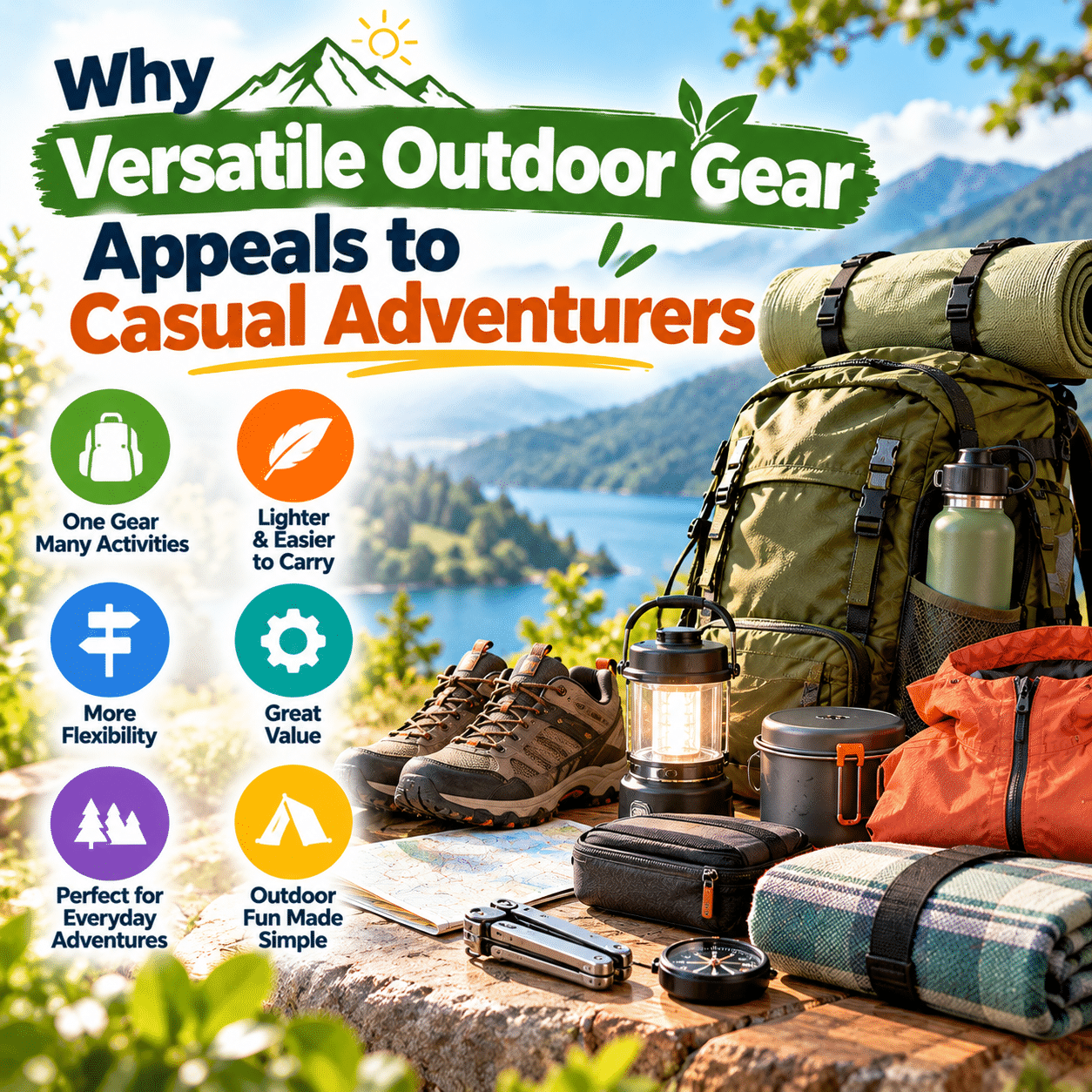
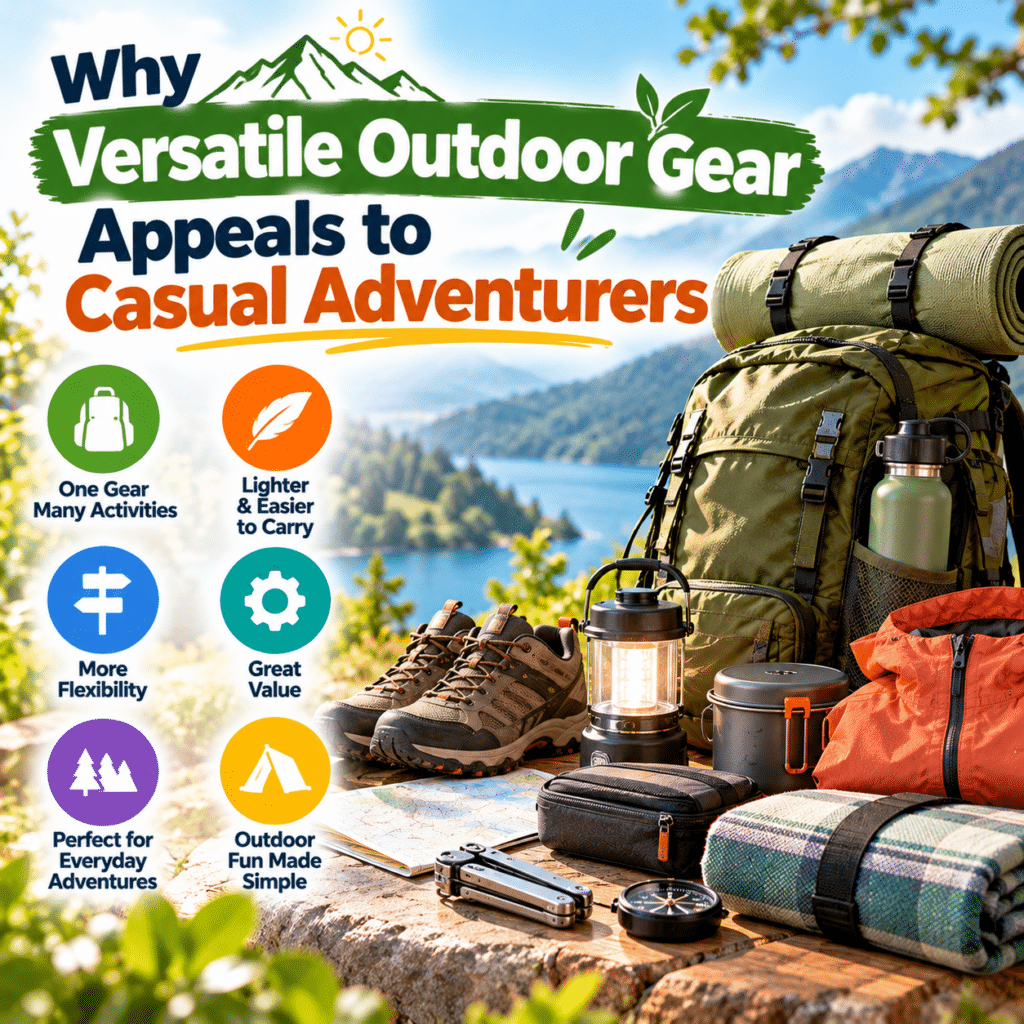
Outdoor adventures do not always require remote wilderness destinations, demanding expeditions, or expensive specialized equipment. For many people, spending time outdoors means taking a weekend hike, visiting a nearby park, enjoying a picnic, camping occasionally, exploring a nature trail, or planning a short getaway with friends and family.
These experiences offer opportunities to enjoy fresh air, discover new surroundings, and step away from familiar indoor routines.
However, even simple outdoor activities require some preparation.
A sudden change in weather can make an afternoon uncomfortable. An unsuitable backpack can become frustrating during a long walk. Bulky equipment may take up valuable storage space at home. Purchasing separate accessories for hiking, camping, picnicking, and travel can also become expensive.
These practical challenges help explain the appeal of versatile outdoor gear.
Versatile equipment is designed to perform useful functions across multiple activities or situations. A lightweight backpack might serve as a hiking daypack, travel companion, and everyday bag. A packable rain jacket may be useful during a city commute, countryside walk, or weekend camping trip. A compact picnic blanket might also function as a beach mat or outdoor seating surface.
Rather than collecting specialized products for every occasional activity, casual adventurers can build a smaller collection of dependable essentials that adapt to different experiences.
The attraction goes beyond convenience.
Versatile outdoor gear can support simpler preparation, more efficient storage, better purchasing decisions, and greater confidence when planning spontaneous outings.
Yet versatility has limits.
A multipurpose product may work well in ordinary conditions but perform poorly in demanding environments. A lightweight shelter suitable for a calm summer outing may not provide adequate protection during severe weather. A casual walking shoe may be comfortable on maintained paths but unsuitable for difficult mountain terrain.
Choosing versatile outdoor equipment therefore requires balancing flexibility with durability, comfort, safety, and realistic performance.
This guide explores why multipurpose outdoor gear appeals to casual adventurers, how it supports different recreational activities, which features matter most, and how to create a practical outdoor collection without buying unnecessary equipment.
1. What Is Versatile Outdoor Gear?
Versatile outdoor gear refers to equipment, clothing, and accessories that can serve multiple practical purposes or adapt to different outdoor activities.
Instead of being designed exclusively for one narrow situation, these products offer features that remain useful across a range of everyday adventures.
Examples include:
- Lightweight backpacks suitable for hiking and travel.
- Packable jackets for commuting and outdoor recreation.
- Reusable water bottles for everyday activities and short hikes.
- Compact blankets for picnics, parks, and beaches.
- Portable seating for camping and outdoor gatherings.
- Adjustable lighting for campsites and emergency household use.
- Layered clothing suitable for changing temperatures.
- Foldable storage bags for travel and recreational equipment.
Versatility Does Not Mean Universal Performance
A versatile product is not necessarily appropriate for every environment.
For example, a lightweight daypack may work well for casual walks and sightseeing but lack the support needed for carrying heavy equipment over long distances.
Similarly, a compact rain jacket may be convenient for ordinary wet weather but may not provide sufficient protection for prolonged exposure to extreme conditions.
The value of versatility depends on whether a product performs its intended functions reliably.
2. Who Are Casual Adventurers?
Casual adventurers are people who enjoy outdoor recreation without necessarily participating in highly technical or demanding activities.
They may explore nature occasionally, take short trips, or include outdoor experiences in their everyday routines.
Common Casual Outdoor Activities
- Walking through parks.
- Visiting botanical gardens.
- Hiking maintained nature trails.
- Enjoying weekend picnics.
- Camping at established campgrounds.
- Spending time at beaches.
- Taking scenic road trips.
- Visiting lakes and recreational areas.
- Exploring countryside destinations.
- Attending outdoor gatherings.
Different Levels of Experience
Casual adventurers may include beginners, families, occasional travelers, and experienced outdoor enthusiasts who simply prefer less demanding activities.
The term describes the nature of the outing rather than someone’s overall ability.
Why Their Equipment Needs Are Different
Casual adventurers often prioritize convenience, comfort, affordability, and easy storage.
They may not need the highly specialized equipment required for mountaineering, technical climbing, winter expeditions, or remote backcountry travel.
However, even familiar outdoor destinations can involve risks.
Appropriate preparation remains essential regardless of experience level.
3. Why Multipurpose Outdoor Equipment Is So Appealing
The appeal of versatile outdoor gear comes from several practical advantages.
Fewer Products to Purchase
One useful item may serve multiple activities.
Easier Storage
A smaller equipment collection requires less space at home.
Simpler Preparation
Familiar accessories can be packed for different outings without repeatedly building an entirely new kit.
Greater Familiarity
Using the same equipment regularly helps people understand its capabilities and limitations.
More Flexible Planning
Adaptable gear can support changes between suitable activities.
Potential Long-Term Value
A durable item used frequently for several purposes may provide better value than multiple rarely used products.
Less Equipment Management
Fewer accessories can mean less cleaning, maintenance, and organization.
The main benefit is not simply owning less.
It is having equipment that remains genuinely useful across different experiences.
4. How Versatile Gear Supports Spontaneous Outdoor Activities
Outdoor recreation is not always planned weeks in advance.
A pleasant weekend forecast might encourage a short hike. Friends may suggest an afternoon picnic. A family may decide to visit a nearby nature reserve.
A collection of adaptable essentials can make these outings easier to organize.
Ready-to-Use Equipment
Frequently used items can be stored together.
Less Preparation Time
A familiar backpack, water bottle, and weather-appropriate clothing may cover many basic needs.
Flexible Destinations
Some equipment works equally well in parks, urban green spaces, and maintained trails.
Reduced Decision-Making
A smaller collection of reliable products simplifies packing.
Practical Limits
Spontaneity should not replace checking weather, route conditions, access restrictions, or essential safety requirements.
A well-prepared casual adventure combines convenience with informed decisions.
5. Lightweight Backpacks as Everyday Outdoor Companions
A versatile backpack is one of the most useful accessories for casual outdoor recreation.
It can carry water, snacks, clothing, personal items, and other essentials.
Day Hiking
A suitable backpack can hold supplies for a short trail outing.
Travel
The same bag may work for sightseeing or transportation days.
Picnics
A backpack can carry small food containers and reusable accessories.
Everyday Errands
Some designs are practical for shopping, commuting, or other daily activities.
Important Features
Look for:
- Comfortable shoulder straps.
- Appropriate capacity.
- Reliable zippers.
- Durable fabric.
- Accessible compartments.
- Suitable water resistance.
- Manageable empty weight.
Capacity Matters
An oversized backpack may encourage unnecessary packing.
A very small backpack may not accommodate essential supplies.
Comfort Matters More Than Appearance
A backpack should be tested with a realistic load.
The best versatile backpack fits the user’s body and intended activities rather than simply offering the largest number of compartments.
6. Packable Jackets and Adaptable Weather Protection
Weather can change during outdoor activities.
A lightweight, packable jacket can provide convenient protection in suitable conditions.
Common Applications
- Walking in parks.
- Traveling between destinations.
- Exploring coastal areas.
- Visiting outdoor attractions.
- Hiking maintained trails.
- Attending outdoor events.
Wind-Resistant Jackets
Some jackets help reduce exposure to wind.
Water-Resistant Jackets
Water-resistant fabrics may provide limited protection against light moisture.
Waterproof Jackets
Properly designed waterproof garments can provide greater rain protection, depending on their construction and condition.
Breathability
Ventilation and fabric characteristics influence comfort during physical activity.
Packability
Some jackets fold into their own pocket or a compact pouch.
Important Distinction
Water-resistant and waterproof are not interchangeable terms.
Actual protection depends on fabric performance, seams, closures, maintenance, and exposure conditions.
For demanding weather, choose equipment appropriate to the environment rather than relying solely on compactness.
7. Layered Clothing for Different Outdoor Conditions
Layering is a practical way to adapt clothing to changing temperatures and activity levels.
Instead of relying on one heavy garment, a layered system combines clothing with different functions.
Base Layer
The layer closest to the skin influences moisture management and comfort.
Insulating Layer
An insulating layer helps retain warmth.
Outer Layer
An outer layer may provide protection against wind, rain, or other environmental conditions.
Why Layering Is Versatile
Individual garments can be added or removed according to circumstances.
A lightweight insulating jacket may also be useful during travel or cool evenings.
Material Considerations
Different fabrics offer different moisture-management, drying, and insulation characteristics.
Safety Considerations
Cold, wet, or windy conditions may require more substantial protection than casual clothing provides.
A versatile clothing system should be appropriate for expected weather and activity intensity.
8. Outdoor Footwear That Works Across Different Activities
Footwear is one of the most important considerations for comfortable outdoor recreation.
Casual adventurers may prefer shoes that work for several activities rather than owning specialized footwear for every outing.
Walking Shoes
Comfortable walking shoes can be useful on paved paths and ordinary urban routes.
Trail Shoes
Suitable trail shoes may provide additional traction on certain natural surfaces.
Hiking Shoes
Some hiking shoes offer greater support or protection for specific trail conditions.
Outdoor Sandals
Certain sandals may be convenient for warm-weather activities in appropriate environments.
Important Features
- Proper fit.
- Comfortable cushioning.
- Suitable traction.
- Secure fastening.
- Appropriate protection.
- Breathability.
- Durability.
Avoid Assuming One Shoe Fits Every Terrain
Footwear suitable for a park may not provide sufficient traction or protection on rocky, muddy, or steep trails.
Technical terrain, extreme weather, and specialized activities may require dedicated footwear.
Comfort and safety should determine footwear choices.
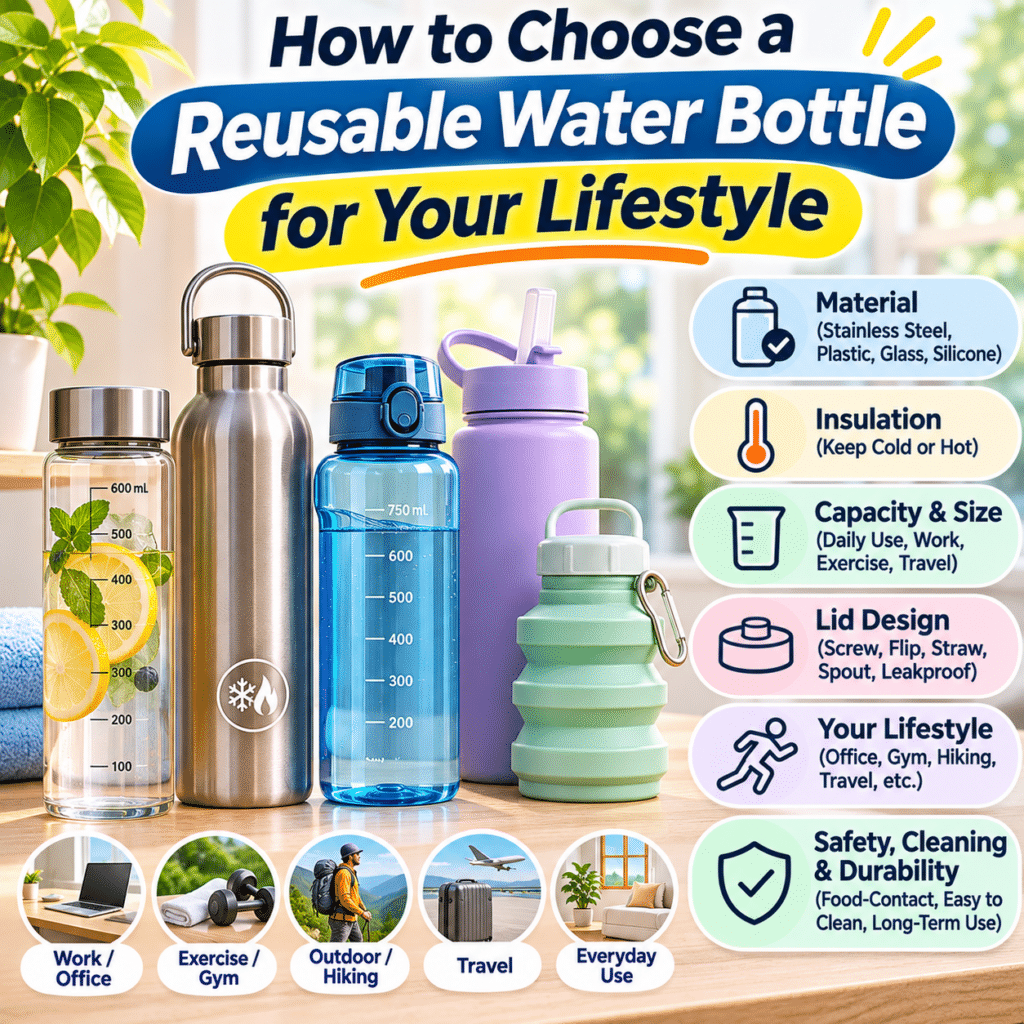
9. Reusable Water Bottles and Hydration Accessories
A reusable water bottle is one of the simplest examples of versatile outdoor equipment.
It can support daily routines as well as recreational outings.
Everyday Activities
A bottle can be carried to work, school, or local errands.
Short Hikes
Water can be transported in a suitable container.
Picnics
Reusable bottles can reduce dependence on disposable beverage containers when safe refill options are available.
Road Trips
A bottle provides convenient access to drinking water.
Material Options
Common choices include:
- Stainless steel.
- Suitable plastic.
- Glass.
- Flexible hydration containers.
Choosing Capacity
A larger bottle carries more water but becomes heavier when filled.
Cleaning and Maintenance
Lids, seals, and drinking openings require regular cleaning.
Outdoor Safety
Water needs depend on weather, exertion, trip duration, and individual circumstances.
For remote activities, travelers should plan water supplies and understand whether available water sources are safe.
A reusable bottle is convenient, but it does not replace proper hydration planning.
10. Compact Picnic Blankets and Multipurpose Outdoor Mats
A compact outdoor blanket can support several recreational activities.
Picnics
It provides a seating surface for outdoor meals.
Parks
A blanket can create a comfortable place to relax.
Beaches
Certain designs may help separate belongings from sand.
Outdoor Events
A suitable mat can provide seating where permitted.
Casual Camping
Some blankets may be useful as additional ground coverings.
Material Considerations
Outdoor blankets may use woven fabrics, synthetic materials, or layered construction.
Water Resistance
A water-resistant underside can help limit moisture transfer from damp ground.
Cleaning
Easy-to-clean materials are useful when equipment regularly contacts grass, dirt, or sand.
Important Limitations
A picnic blanket is not necessarily a substitute for an insulated sleeping pad or technical groundsheet.
Products should be used according to their intended function.
11. Foldable Chairs and Portable Seating
Portable seating can make outdoor gatherings more comfortable.
Camping
Foldable chairs provide seating around appropriate campsite areas.
Picnics
Compact chairs may be useful for people who prefer not to sit on the ground.
Outdoor Events
Portable seating may be permitted at selected venues.
Fishing and Nature Observation
A suitable chair can support stationary activities.
Important Features
- Weight.
- Folded dimensions.
- Load capacity.
- Stability.
- Seat height.
- Comfort.
- Frame durability.
- Carrying method.
Safety
Always follow the manufacturer’s load limits.
Use portable chairs on stable surfaces and inspect frames and locking mechanisms before use.
Portability Trade-Offs
Very compact chairs may provide less comfort or stability than larger designs.
Choose based on expected carrying distance and seating duration.
12. Portable Tables and Flexible Outdoor Surfaces
A portable table can support outdoor meals, hobbies, and campsite organization.
Common Uses
- Picnic preparation.
- Campground meals.
- Outdoor games.
- Organized storage of lightweight equipment.
- Recreational gatherings.
Folding Designs
Some tables collapse into compact forms.
Roll-Top Designs
Certain tabletops can be disassembled or rolled for storage.
Height and Stability
The table should suit the intended activity and remain stable on the selected surface.
Load Capacity
Follow manufacturer specifications.
Food Safety
Use clean, food-appropriate surfaces and maintain safe food handling practices.
Limitations
A lightweight portable table may not support heavy cooking equipment or uneven loading.
The most versatile design provides sufficient stability without excessive bulk.
13. Compact Outdoor Lighting for Different Situations
Portable lighting is useful during evening activities, camping, and certain household situations.
Headlamps
Headlamps provide hands-free illumination.
Flashlights
Compact flashlights can support navigation and basic tasks.
Lanterns
Lanterns provide broader illumination for campsites or outdoor seating areas.
Rechargeable Lights
Some models use built-in rechargeable batteries.
Replaceable-Battery Lights
Other designs use replaceable batteries.
Important Features
- Appropriate brightness.
- Battery life.
- Weather resistance.
- Ease of operation.
- Weight.
- Mounting options.
Avoid Overreliance on One Light
For activities where lighting is essential to safety, an appropriate backup may be necessary.
Battery Safety
Follow charging instructions and avoid damaged batteries.
A versatile light should be reliable, easy to operate, and suitable for the intended environment.
14. Portable Power for Casual Outdoor Activities
Electronic devices are often part of modern outdoor recreation.
Phones may provide maps, communication, photography, and access to travel information.
Power Banks
Portable batteries can recharge compatible devices.
Compact Chargers
Suitable chargers are useful where electricity is available.
Solar Charging Accessories
Some portable solar products can generate electricity under appropriate conditions.
Important Limitations
Solar output depends on sunlight, panel orientation, weather, and equipment design.
Choosing Capacity
A short daytime outing may require little or no backup power.
An overnight camping trip may involve different needs.
Safety
Keep electrical accessories protected from unsuitable moisture, heat, and physical damage.
Outdoor Preparedness
Electronic navigation and communication can fail.
For activities where navigation is important, travelers should have appropriate backup methods and sufficient knowledge to use them.
Portable power is useful when it supports genuine needs without creating unnecessary equipment weight.
15. Multipurpose Bags and Outdoor Storage Solutions
Outdoor equipment often includes small accessories that are easy to misplace.
Versatile bags and organizers can simplify storage.
Dry Bags
Properly designed dry bags can help protect contents from water exposure within their specified limitations.
Mesh Bags
Mesh storage can be useful for selected damp or sandy items.
Packing Cubes
Packing cubes help organize clothing and accessories.
Foldable Totes
A compact tote may carry picnic supplies or other lightweight belongings.
Utility Pouches
Small pouches can group tools, cables, or hygiene items.
Important Considerations
Not every bag advertised as water-resistant is waterproof.
Closure design, material construction, and intended use matter.
Avoid Excessive Organization
Too many pouches can increase weight and make belongings harder to locate.
A simple organization system is often more effective.
16. Why Compact Gear Is Useful for Apartment Living
Outdoor enthusiasts do not always have large garages, sheds, or dedicated equipment rooms.
People living in apartments or smaller homes may have limited storage space.
Foldable Designs
Chairs, tables, and other accessories can be stored more efficiently when folded.
Stackable Containers
Suitable storage bins can help organize equipment.
Packable Clothing
Compact jackets and other garments may require less storage space.
Multipurpose Accessories
A backpack used for both commuting and hiking reduces the need for separate bags.
Easy Maintenance
Equipment that can be cleaned and dried without specialized facilities is convenient.
Storage Safety
Wet equipment should be dried appropriately before prolonged storage.
A Practical Advantage
Versatile gear can make outdoor recreation more accessible to people who do not have room for extensive specialized collections.
17. How Versatile Gear Can Reduce Unnecessary Purchases
Outdoor equipment can become expensive when every activity seems to require a different product.
Versatility offers an alternative approach.
Identify Overlapping Needs
A backpack may serve hiking, travel, and everyday errands.
Prioritize Frequent Activities
Choose equipment based on what you actually do.
Avoid Buying for Hypothetical Adventures
Specialized equipment may remain unused if an activity never happens.
Consider Borrowing or Renting
Occasional activities may not justify purchasing expensive equipment.
Maintain Existing Products
Cleaning and repairs can extend useful life.
Evaluate Long-Term Value
A durable item used regularly may provide better value than several inexpensive accessories used rarely.
Avoid False Economy
A multipurpose product is not a good purchase if it performs every intended task poorly.
The goal is thoughtful consumption, not simply minimizing the number of products owned.
18. Versatility Versus Specialization: Understanding the Trade-Off
Versatile and specialized equipment serve different purposes.
| Consideration | Versatile outdoor gear | Specialized outdoor gear |
|---|---|---|
| Intended use | Multiple suitable activities | Specific tasks or environments |
| Convenience | Often easier to reuse | May require activity-specific preparation |
| Storage | Can reduce duplicate equipment | May increase storage needs |
| Performance | Balanced across several functions | Optimized for a particular function |
| Cost | May reduce duplicate purchases | Can involve higher costs for specialized features |
| Learning curve | Often familiar and straightforward | May require additional knowledge or training |
| Limitations | May be unsuitable for demanding conditions | May be less practical outside its intended use |
When Versatile Gear Makes Sense
It is often useful for familiar activities in moderate conditions.
When Specialized Gear Is Necessary
Technical climbing, severe-weather camping, remote expeditions, and certain water activities may require dedicated safety equipment.
The Best Approach
Use versatile equipment where it performs reliably.
Choose specialized products when the activity demands specific protection or capabilities.
19. The Importance of Durability in Multipurpose Gear
Versatile equipment may be used more frequently because it serves several activities.
Frequent use makes durability particularly important.
Fabric Quality
Materials should be suitable for expected abrasion, moisture, and handling.
Stitching
Strong seams help maintain structural integrity.
Zippers and Closures
Reliable closures are essential for bags and organizers.
Frames and Hinges
Foldable furniture should have durable structural components.
Repairability
Replaceable parts can extend product life.
Cleaning
Products should be practical to maintain after exposure to dirt, sand, or moisture.
Long-Term Value
A product that remains functional through repeated use may justify a higher initial cost.
Durability should be evaluated according to actual conditions rather than marketing claims alone.
20. Materials Commonly Used in Versatile Outdoor Equipment
Material selection influences weight, durability, comfort, and maintenance.
| Material | Common applications | Practical considerations |
|---|---|---|
| Nylon | Backpacks, jackets, pouches | Strength and abrasion resistance vary by construction |
| Polyester | Bags, blankets, clothing | Versatile and often easy to maintain |
| Aluminum | Chairs, tables, poles | Relatively lightweight; strength depends on design |
| Stainless steel | Bottles, cookware, hardware | Durable but may add weight |
| Silicone | Collapsible containers, accessories | Flexible; suitability depends on formulation |
| Foam | Seating, padding, sleeping accessories | Comfort and insulation vary |
| Fleece fabrics | Clothing and blankets | Warmth and drying characteristics vary |
| Composite materials | Specialized lightweight equipment | Performance depends on construction and intended use |
No Material Is Perfect
The best material depends on the product’s function.
For example, a lightweight aluminum chair may be convenient to carry, while a heavier design may offer different stability or durability characteristics.
Evaluate the complete product rather than relying solely on material names.
21. How Easy Setup Improves Outdoor Experiences
Casual adventurers often prefer equipment that is straightforward to use.
Complicated assembly can consume time and create frustration.
Foldable Furniture
Simple folding mechanisms reduce setup effort.
Packable Shelters
Certain recreational shelters are designed for relatively quick assembly.
Organized Storage
Dedicated pouches can keep related components together.
Clear Instructions
Easy-to-understand directions reduce uncertainty.
Familiar Equipment
Repeated use helps people develop confidence.
Important Limitations
Quick setup does not guarantee structural stability.
Shelters, chairs, and other equipment must be assembled and secured according to manufacturer instructions.
Practice Before Traveling
Test unfamiliar equipment at home before relying on it during an outing.
Ease of setup is valuable when it improves convenience without compromising safety.
22. Outdoor Gear for Weekend Picnics
Picnics are among the simplest outdoor activities.
They generally require less equipment than camping or technical hiking.
Useful Essentials
- Suitable picnic blanket.
- Reusable water bottles.
- Food containers.
- Appropriate cooler or insulated bag when needed.
- Napkins and utensils.
- Waste collection supplies.
- Weather protection.
Multipurpose Choices
A foldable tote can carry supplies.
A compact blanket may also be useful for parks and beaches.
Reusable containers can serve everyday household purposes.
Food Safety
Perishable foods require appropriate temperature control.
Follow food safety guidance and avoid leaving temperature-sensitive foods unrefrigerated for unsafe periods.
Respect the Location
Follow local rules concerning waste disposal, fires, pets, and permitted activities.
A well-planned picnic does not require elaborate equipment.
23. Outdoor Gear for Short Nature Walks
Short nature walks can be enjoyable with a relatively simple collection of essentials.
Suitable Footwear
Choose footwear appropriate to the surface and expected conditions.
Water
Carry an appropriate supply.
Weather Protection
Bring suitable clothing for the forecast.
Navigation
Understand the route and available trail information.
Communication
A charged phone may be useful where service is available.
Personal Essentials
Carry necessary medication and other individual supplies.
Additional Considerations
Even short trails can involve uneven ground, heat, sudden weather changes, or limited connectivity.
Avoid Underestimating Familiar Areas
Check route length, terrain, access conditions, and expected return time.
Versatile gear supports convenience, but basic preparation remains important.
24. Outdoor Gear for Casual Camping
Camping at established campgrounds can introduce people to outdoor recreation without requiring remote wilderness travel.
Common Equipment
- Suitable shelter.
- Appropriate sleeping equipment.
- Lighting.
- Water containers.
- Food storage.
- Comfortable clothing.
- Seating.
- Personal hygiene supplies.
Versatile Accessories
A lantern may also be useful at home during certain power interruptions.
A foldable chair can serve camping and backyard activities.
A reusable bottle can be used throughout the week.
Equipment Limitations
Sleeping systems and shelters must be appropriate for expected temperatures and weather.
Campground Rules
Follow regulations concerning fires, food storage, waste, noise, and wildlife.
Safety
Never use fuel-burning stoves, grills, or heaters inside tents or other enclosed spaces because of fire and carbon monoxide hazards.
Casual camping can be simple, but it still requires suitable equipment and responsible practices.
25. Outdoor Gear for Beach Days and Coastal Outings
Beach activities create different equipment requirements from hiking or camping.
Common Essentials
- Appropriate sun protection.
- Drinking water.
- Beach mat or blanket.
- Suitable bag.
- Weather-appropriate clothing.
- Towels.
- Secure storage for personal belongings.
Versatile Products
A foldable tote can carry towels and supplies.
A reusable bottle can serve everyday and beach activities.
A compact blanket may work in several recreational settings.
Sand and Salt Exposure
Sand and saltwater can affect zippers, fabrics, and electronic equipment.
Clean and dry products according to manufacturer instructions.
Water Safety
Follow local warnings, weather conditions, and lifeguard instructions.
Sun Exposure
Use appropriate sun-protection measures, including shade, clothing, and suitable sunscreen.
A convenient beach setup should remain focused on comfort and safety.
26. Versatile Gear for Road Trips
Road trips provide opportunities to explore several destinations without relying on a single outdoor activity.
A versatile equipment collection can support stops at parks, viewpoints, picnic areas, and recreational sites.
Useful Items
- Reusable water bottles.
- Compact blankets.
- Suitable daypack.
- Weather-appropriate clothing.
- Portable charging accessories.
- Food containers.
- Basic personal-care supplies.
Organized Storage
Separate frequently used items from equipment needed only at destinations.
Vehicle Safety
Secure loose equipment so it does not become hazardous during sudden braking or a collision.
Emergency Preparation
Vehicle-specific emergency supplies should reflect the route, climate, and local conditions.
Avoid Excessive Packing
Additional vehicle space can encourage unnecessary equipment accumulation.
A practical road-trip kit balances flexibility with organized storage.
27. Family-Friendly Outdoor Equipment
Families often benefit from products that can be used across several recreational activities.
Shared Blankets
A suitable blanket can provide seating for group activities.
Reusable Containers
Food and water containers can support everyday routines and outings.
Foldable Storage
Compact bags can organize clothing, snacks, and other supplies.
Portable Seating
Appropriate chairs may improve comfort for certain family members.
Weather Protection
Clothing and accessories should match individual needs.
Age-Appropriate Equipment
Children may require specialized products rather than smaller versions of adult equipment.
Safety Considerations
Avoid products with small detachable parts that could create choking hazards for young children.
Follow manufacturer age, size, and load recommendations.
Family-friendly versatility should simplify preparation while preserving individual comfort and safety.
28. Outdoor Gear for Beginners
People new to outdoor recreation may feel overwhelmed by the number of available products.
A simple approach can make the experience more accessible.
Begin With Familiar Activities
Start with manageable outings suited to experience and ability.
Use Existing Equipment
Comfortable clothing, suitable footwear, and a reliable bag may already meet basic needs.
Identify Missing Essentials
Purchase only what is necessary for the activity.
Learn Equipment Limitations
Understand what each product can and cannot do.
Borrow or Rent Specialized Gear
Occasional activities may not justify immediate ownership.
Practice Using Equipment
Test unfamiliar products before important outings.
Build Experience Gradually
More demanding activities may require additional skills, planning, and specialized equipment.
Versatile gear can reduce the initial complexity of outdoor recreation, but knowledge and preparation remain essential.
29. The Relationship Between Versatile Gear and Outdoor Comfort
Comfort is an important reason people choose outdoor equipment.
Carrying Comfort
Appropriate backpacks and carrying systems reduce unnecessary inconvenience.
Seating Comfort
Portable chairs and suitable mats provide alternatives to sitting directly on the ground.
Temperature Management
Layered clothing helps users adjust to changing conditions.
Organization
Accessible equipment reduces time spent searching through bags.
Hydration Convenience
Reusable bottles make water easier to carry.
Weather Protection
Suitable jackets and accessories help manage ordinary environmental exposure.
Personal Differences
Comfort depends on body size, mobility, preferences, and activity requirements.
A product that works well for one person may not suit another.
The most versatile equipment accommodates realistic needs without sacrificing comfort for compactness.
30. Why Portability and Versatility Work Well Together
Portability and versatility are complementary characteristics.
Portability makes equipment easier to transport.
Versatility makes equipment useful in more situations.
Lightweight Construction
Lower weight can reduce carrying effort.
Compact Storage
Foldable products can fit into smaller spaces.
Multiple Functions
One accessory may serve several activities.
Easy Setup
Simple designs can reduce preparation time.
Repeated Use
Frequently used equipment becomes familiar and easier to manage.
The Trade-Off
Extremely compact products may sacrifice comfort, capacity, or durability.
A product should be portable enough for its intended use while remaining effective.
31. Outdoor Equipment and Responsible Consumption
Versatile outdoor gear can support more intentional purchasing habits.
However, buying multipurpose products does not automatically reduce environmental impact.
Fewer Duplicate Purchases
One suitable product may replace several separate accessories.
Longer Product Use
Durable equipment can remain useful over time.
Maintenance
Cleaning, drying, and repair may extend product life.
Material Choices
Some products incorporate recycled or responsibly sourced materials.
Manufacturing Impact
Different materials and processes have different environmental considerations.
Avoiding Unnecessary Upgrades
Functional equipment does not need replacement simply because newer products are available.
Renting and Sharing
Borrowing or renting may be practical for infrequent activities.
Responsible Disposal
Use appropriate repair, donation, resale, or recycling options where available.
The most meaningful approach is to choose equipment carefully and use it for as long as it remains safe and functional.
32. Common Mistakes When Buying Multipurpose Outdoor Gear
Versatility can be an attractive marketing feature, but not every multipurpose product delivers useful performance.
Assuming One Product Can Do Everything
A product may have clear limitations.
Choosing the Cheapest Option Without Evaluating Quality
Low-cost equipment may provide poor durability or comfort.
Ignoring Weight
Several compact accessories can collectively become heavy.
Overlooking Storage Dimensions
A foldable product may still occupy considerable space.
Buying Too Many Gadgets
Multiple specialized accessories can create unnecessary clutter.
Ignoring Weather Requirements
Casual gear may not be suitable for severe conditions.
Failing to Test Equipment
Unfamiliar products can be difficult to use during an outing.
Neglecting Maintenance
Outdoor equipment may deteriorate when stored dirty or wet.
Confusing Convenience With Safety
Easy-to-use equipment is not necessarily appropriate for demanding activities.
Careful evaluation helps prevent disappointing purchases.
33. How to Evaluate Versatile Outdoor Products
Before purchasing multipurpose equipment, consider several practical questions.
What Activities Will It Support?
Identify specific intended uses.
How Frequently Will It Be Used?
Frequent use may justify investing in better construction.
Is It Comfortable?
Evaluate fit, carrying method, and usability.
Is It Durable?
Inspect materials, seams, frames, and closures.
Is It Easy to Store?
Check actual packed dimensions.
Does It Require Maintenance?
Consider cleaning, drying, and replacement parts.
Are the Safety Limits Clear?
Review manufacturer instructions and product specifications.
Does It Replace Existing Equipment?
Avoid purchasing products that duplicate functional items already owned.
Is the Price Reasonable?
Evaluate long-term usefulness rather than price alone.
Can It Perform Each Intended Task Well?
A versatile product should be genuinely useful in more than one situation.
These questions help separate meaningful functionality from attractive marketing language.
34. A Practical Comparison of Common Versatile Outdoor Essentials
| Outdoor essential | Potential uses | Main considerations |
|---|---|---|
| Lightweight backpack | Hiking, travel, errands | Fit, capacity, comfort |
| Packable rain jacket | Walking, commuting, travel | Weather protection, breathability |
| Reusable water bottle | Daily use, picnics, hiking | Capacity, cleaning, weight |
| Compact outdoor blanket | Parks, picnics, beaches | Material, moisture resistance |
| Foldable chair | Camping, gatherings, recreation | Stability, load capacity |
| Portable lantern | Camping, outdoor seating, household backup | Battery life, brightness |
| Foldable tote | Shopping, picnics, travel | Strength, storage size |
| Layered clothing | Travel, walking, outdoor recreation | Climate suitability |
| Compact organizer | Camping, travel, everyday storage | Accessibility, durability |
| Portable power bank | Travel, day trips, device backup | Capacity, compatibility, safety |
The best choices depend on the activities someone actually enjoys.
A small number of well-selected products may provide more value than an extensive equipment collection.
35. How to Build a Versatile Outdoor Gear Collection
A practical outdoor collection can be developed gradually.
Step 1: Identify Your Favorite Activities
List the outdoor experiences you participate in most often.
Step 2: Look for Overlapping Needs
Determine which equipment categories appear across several activities.
Step 3: Review Existing Belongings
Identify products that already meet those needs.
Step 4: Prioritize Safety Essentials
Ensure that appropriate clothing, hydration, navigation, and activity-specific supplies are available.
Step 5: Choose a Reliable Carrying System
Select a suitable backpack or bag.
Step 6: Add Weather-Appropriate Clothing
Choose garments suited to expected conditions.
Step 7: Consider Comfort Accessories
Add seating, blankets, or other equipment when they provide genuine value.
Step 8: Evaluate Storage Space
Prefer manageable designs when home storage is limited.
Step 9: Test Equipment
Use products during realistic activities.
Step 10: Refine Over Time
Remove unnecessary items and add specialized equipment only when justified.
A versatile collection develops through experience rather than one large shopping trip.
36. A Simple Outdoor Gear Checklist for Casual Adventures
The following checklist can help prepare for ordinary recreational outings.
It should be adapted to the activity, weather, location, and personal needs.
Core Essentials
- Suitable backpack or carrying bag.
- Appropriate footwear.
- Weather-appropriate clothing.
- Drinking water.
- Necessary identification.
- Phone or suitable communication method.
- Essential medication.
- Appropriate navigation information.
Comfort Accessories
- Compact blanket.
- Portable seating if needed.
- Snacks.
- Reusable containers.
- Sunglasses or other appropriate sun protection.
Conditional Equipment
- Rain jacket.
- Headlamp or flashlight.
- Portable charger.
- Additional warm clothing.
- Suitable first-aid supplies.
- Activity-specific equipment.
Before Leaving
- Check weather conditions.
- Review route and access information.
- Confirm opening hours or permits when relevant.
- Understand local rules.
- Check equipment condition.
- Tell a trusted person about plans when appropriate.
The checklist is a starting point, not a substitute for activity-specific planning.
37. Maintaining Outdoor Gear for Long-Term Use
Versatile equipment often experiences different environmental conditions.
Proper maintenance helps preserve functionality.
Clean After Use
Remove dirt, sand, and other residue according to product instructions.
Dry Thoroughly
Moisture can contribute to odors, mildew, or material deterioration.
Inspect Moving Parts
Check hinges, zippers, clips, and folding mechanisms.
Review Fabric Condition
Look for tears, damaged seams, or worn coatings.
Maintain Batteries
Follow manufacturer guidance for charging and storage.
Store Appropriately
Avoid unsuitable heat, moisture, and prolonged exposure to direct sunlight.
Repair When Practical
Replace damaged components when safe and supported.
Retire Unsafe Equipment
Do not continue using products with structural damage that compromises safety.
Regular care can make a versatile equipment collection more dependable and economical over time.
38. When Specialized Outdoor Gear Is the Better Choice
Versatility is useful, but some activities require equipment designed for specific conditions.
Technical Hiking and Mountaineering
Difficult terrain may require specialized footwear, navigation, and safety equipment.
Severe-Weather Camping
Shelters and sleeping systems must be appropriate for expected environmental conditions.
Water Activities
Suitable personal flotation devices and other activity-specific safety equipment may be required.
Climbing
Certified equipment, proper techniques, and relevant training are essential.
Remote Wilderness Travel
Additional navigation, communication, emergency, and survival planning may be necessary.
Extreme Temperatures
Appropriate insulation and environmental protection are critical.
The Key Principle
Never substitute casual multipurpose equipment for specialized safety equipment when the activity requires it.
The best gear is the gear appropriate to the conditions.
39. How Versatile Gear Encourages More Accessible Outdoor Recreation
Outdoor activities can feel intimidating when beginners believe they need expensive collections of specialized equipment.
Versatile products may help reduce this barrier.
Lower Initial Complexity
A few familiar essentials can support several simple activities.
Flexible Budgets
People can prioritize necessary equipment and add accessories gradually.
Easier Storage
Compact products can suit smaller homes.
Simpler Transportation
Manageable equipment is easier to carry on appropriate outings.
Greater Confidence
Familiar products can make preparation less complicated.
Opportunities for Experimentation
A basic collection may support trying different low-risk recreational activities.
Accessibility Requires More Than Products
Transportation, public facilities, physical accessibility, cost, and local opportunities also influence participation.
Versatile equipment can support access to outdoor recreation, but it is only one part of the experience.
40. The Future of Versatile Outdoor Equipment
Outdoor product design may continue emphasizing flexibility, portability, and practical usability.
Several developments are worth considering.
More Modular Designs
Some products may allow components to be added or removed for different activities.
Improved Lightweight Materials
Manufacturers may explore ways to reduce weight while maintaining suitable strength.
Better Packability
Folding mechanisms and storage designs may become more convenient.
Greater Repairability
Replaceable components could help extend product life.
More Inclusive Product Design
Equipment may become easier to use for people with different physical needs.
More Transparent Material Information
Consumers may receive clearer details about product construction and environmental claims.
Improved Everyday Compatibility
Outdoor accessories may increasingly serve both recreational and ordinary daily activities.
Simpler Product Systems
Manufacturers may focus on products that perform essential functions reliably without excessive complexity.
These developments are possibilities rather than guarantees.
Their long-term value will depend on actual performance, affordability, durability, and usefulness.
41. Why the Best Outdoor Gear Is Often the Gear You Already Use
Outdoor equipment marketing frequently emphasizes new features, innovative materials, and specialized designs.
However, many casual activities can be enjoyed with a small collection of familiar belongings.
A comfortable backpack may already be suitable for a short nature walk.
A reusable water bottle can accompany both daily errands and weekend outings.
A weather-appropriate jacket may serve commuting and recreational activities.
A simple blanket can make a park visit more comfortable.
Familiarity Builds Confidence
Regular use helps people understand equipment limitations.
Existing Products Reduce Additional Costs
Not every activity requires a new purchase.
Simplicity Supports Preparation
A manageable collection is easier to maintain.
Appropriate Equipment Matters More Than Quantity
A few reliable essentials may provide greater practical value than numerous unused accessories.
Experience Guides Better Decisions
After several outings, people can identify which additional products would genuinely improve comfort or safety.
The purpose of outdoor gear is to support outdoor experiences.
It should not become a barrier to enjoying them.
Frequently Asked Questions About Versatile Outdoor Gear
1. What is versatile outdoor gear?
Versatile outdoor gear includes equipment, clothing, and accessories that can serve multiple outdoor activities or everyday purposes. Examples include lightweight backpacks, packable jackets, reusable water bottles, compact blankets, and portable seating. The most useful products combine flexibility with dependable performance.
2. Why do casual adventurers prefer multipurpose outdoor equipment?
Multipurpose equipment can simplify preparation, reduce storage requirements, and help avoid unnecessary duplicate purchases. It is particularly appealing to people who enjoy occasional hiking, picnics, camping, travel, and other recreational activities without needing specialized equipment for every outing.
3. Is versatile outdoor gear cheaper than specialized equipment?
It can be more economical when one durable product replaces several separate purchases. However, multipurpose equipment is not always less expensive, and poor-quality products may require replacement. Long-term value depends on actual use, durability, and suitability.
4. Can the same backpack be used for hiking and everyday activities?
Yes, many backpacks can serve both purposes when their capacity, fit, comfort, and construction are appropriate. However, a casual backpack may not provide the load support or features required for demanding hikes or heavy equipment.
5. What outdoor gear should beginners buy first?
Beginners should start by identifying the activities they plan to enjoy. Suitable footwear, weather-appropriate clothing, drinking water, a reliable carrying bag, and necessary safety supplies are common priorities. Additional equipment should be selected according to the specific activity and conditions.
6. Is lightweight outdoor gear always better?
No. Lightweight equipment can be easier to carry, but weight reduction may involve trade-offs in durability, comfort, insulation, or protection. The best product balances portability with the performance required for its intended use.
7. How can I avoid buying unnecessary outdoor equipment?
Review what you already own, identify overlapping needs, and prioritize products that will be used regularly. Borrow or rent specialized equipment for occasional activities when practical. Choose durable products based on genuine requirements rather than marketing claims or temporary trends.
Conclusion: Versatile Outdoor Gear Makes Everyday Adventures More Approachable
Versatile outdoor gear appeals to casual adventurers because it makes preparation simpler and equipment more adaptable.
A lightweight backpack can support travel, hiking, and everyday errands. A packable jacket can provide appropriate protection during different activities. A reusable water bottle, compact blanket, portable chair, or dependable lantern may serve several recreational purposes.
These products can help people build a smaller, more manageable equipment collection without sacrificing the essentials needed for comfortable outings.
However, versatility should never be confused with unlimited capability.
Outdoor conditions vary, and some activities require specialized equipment, training, or additional safety precautions. The most useful multipurpose products are those that perform their intended tasks reliably while remaining comfortable, durable, and easy to maintain.
For casual adventurers, thoughtful equipment selection begins with understanding personal interests.
Someone who enjoys weekend picnics may prioritize reusable containers and a comfortable outdoor blanket. A person who regularly explores maintained trails may benefit more from suitable footwear, a reliable daypack, and weather-appropriate clothing. Families may place greater importance on organized storage and comfortable seating.
There is no universal outdoor gear collection that works for everyone.
The best approach is to begin with essential equipment, make use of suitable products already owned, and add specialized accessories only when experience reveals a genuine need.
As outdoor products continue to evolve, versatility will remain valuable when it supports practical use rather than unnecessary complexity.
Ultimately, enjoying the outdoors does not require owning the largest collection of equipment or preparing for every imaginable adventure.
It requires choosing appropriate essentials, understanding their limitations, and making room for experiences that fit personal interests and abilities.
The best versatile outdoor gear is not the equipment that promises to do everything. It is the equipment that helps people enjoy more of the outdoors with greater comfort, confidence, and simplicity.