Modern life often moves at a pace that leaves little room for quiet moments. Work responsibilities, household tasks, digital communication, and personal commitments can fill the day from morning until evening. Even when people have a few minutes to themselves, those moments may be occupied by notifications, unfinished tasks, or the feeling that they should be doing something productive.
Yet relaxation does not need to be reserved for vacations, weekends, or rare occasions when every responsibility has been completed. Small, enjoyable activities can become a natural part of everyday living, offering opportunities to step away from demands, reconnect with personal interests, and create a more comfortable daily rhythm.
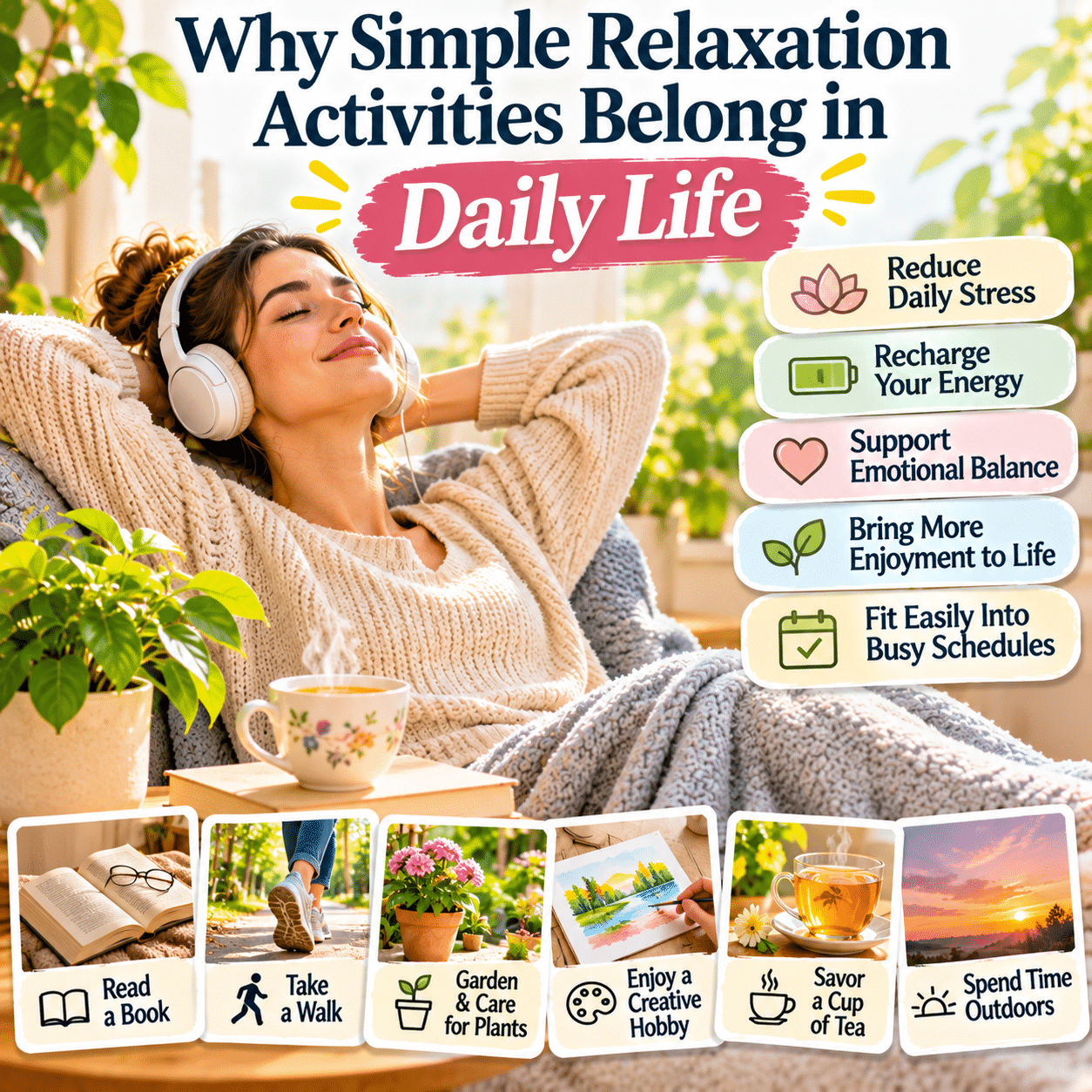
Relaxation can take many forms. Reading a few pages of a book, listening to gentle music, watering plants, enjoying a cup of tea, taking a leisurely walk, or sitting quietly near a window may all provide moments of ease. The most suitable activity depends on individual preferences, circumstances, and available time.
Simple relaxation activities are not a substitute for adequate sleep, supportive relationships, medical care, or addressing ongoing sources of stress. However, they can complement these important aspects of well-being by creating manageable opportunities for rest and enjoyment.
Understanding why relaxation belongs in daily life helps shift the focus away from elaborate wellness routines and toward ordinary habits that are realistic, affordable, and personally meaningful.
1. Relaxation Is a Normal Part of Everyday Living
Relaxation is sometimes treated as something people must earn after completing their responsibilities.
This perspective can make rest feel optional or even undeserved.
However, daily life naturally involves periods of activity and recovery. People need opportunities to step away from demanding tasks and engage in activities that feel less pressured.
Relaxation does not mean avoiding responsibilities.
It means recognizing that moments of ease can coexist with productive, meaningful daily routines.
A few quiet minutes may be enough to create a welcome transition between activities.
2. Simple Activities Make Relaxation More Accessible
Elaborate relaxation routines may require special equipment, travel, appointments, or substantial amounts of free time.
Simple activities are often easier to include in ordinary schedules.
A person can listen to a favorite song, sit outdoors briefly, or read a short passage without extensive preparation.
Accessibility matters because habits that require little effort are generally easier to repeat.
The goal is not to create an impressive relaxation experience.
It is to make enjoyable moments available within the realities of everyday life.
3. Relaxation Does Not Have to Be Time-Consuming
One common misconception is that meaningful relaxation requires several uninterrupted hours.
Long periods of leisure can certainly be enjoyable, but shorter moments also have value.
A brief pause between meetings, a quiet cup of tea after lunch, or a few minutes of gentle stretching may provide a change of pace.
The amount of time needed varies by person and activity.
Rather than focusing on a fixed duration, consider whether the activity provides an opportunity to disengage from immediate demands.
4. Everyday Relaxation Encourages a More Balanced Routine
A daily schedule dominated by obligations can leave little room for personal enjoyment.
Including small relaxation activities creates space for experiences that are not measured by productivity.
This can help establish a more varied daily rhythm.
For example, someone might alternate concentrated work with short breaks or reserve part of the evening for a quiet hobby.
Balance does not require equal amounts of work and leisure every day.
It involves making reasonable room for different kinds of activities over time.
5. Relaxation Can Provide a Transition Between Responsibilities
Moving directly from one demanding task to another may make the day feel continuous and crowded.
Simple relaxation activities can create gentle transitions.
Listening to music after work, taking a short walk before dinner, or sitting quietly after household chores can mark the end of one activity and the beginning of another.
These transitions may make daily routines feel more organized.
They also provide opportunities to adjust attention before moving into a different role or responsibility.
6. Quiet Moments Offer Relief From Constant Stimulation
Many people spend substantial portions of the day surrounded by sounds, screens, conversations, and information.
Although stimulation is not inherently harmful, constant input can feel tiring.
Quiet activities provide opportunities to reduce competing demands.
Looking out a window, sitting in a peaceful room, or spending a few minutes without digital devices may feel refreshing.
Not everyone prefers silence.
The important consideration is choosing an environment that feels comfortable rather than overwhelming.
7. Relaxation Can Encourage Awareness of Personal Needs
Busy routines sometimes make it difficult to notice fatigue, discomfort, or the desire for a change of pace.
A relaxation break can create an opportunity to check in with these needs.
Someone may realize that they have been sitting too long, need a drink of water, or would enjoy stepping outside.
This awareness does not require formal meditation or detailed self-monitoring.
It can simply involve paying attention to how the body and mind feel during an ordinary pause.
8. Personal Enjoyment Matters Beyond Productivity
Not every activity needs to produce a measurable result.
Reading for pleasure, listening to music, drawing casually, or watching clouds can be worthwhile because the experience itself is enjoyable.
Modern routines often emphasize achievement and efficiency.
Relaxation provides a reminder that enjoyment has a place in daily life.
An activity does not become more valuable simply because it improves performance or develops a skill.
Sometimes, the opportunity to enjoy a moment is enough.
9. Relaxation Activities Should Reflect Individual Preferences
People relax in different ways.
One person may enjoy quiet reading, while another prefers gardening, walking, or preparing a simple meal.
Some find social conversation relaxing, while others prefer solitude.
An activity that feels peaceful to one individual may feel boring or demanding to another.
Personal preference should guide relaxation choices.
There is no universal list of activities that everyone must enjoy.
10. Reading Can Create a Gentle Mental Break
Reading is a familiar relaxation activity that can fit into many schedules.
A novel, short story, magazine, or collection of essays may offer an enjoyable change from everyday responsibilities.
Reading can be done in a comfortable chair, during a quiet afternoon, or as part of an evening routine.
The material does not need to be educational or challenging.
Choosing something enjoyable is often more important than finishing a particular number of pages.
Reading for pleasure can remain simple and unstructured.
11. Music Can Shape the Atmosphere of a Break
Music can accompany relaxation in many different ways.
Some people prefer gentle instrumental pieces, while others enjoy familiar songs or lively rhythms.
Listening to music may make household activities more pleasant or provide a distinct pause between responsibilities.
The most suitable style depends on individual taste and circumstances.
Comfortable listening volume is important, particularly when using headphones.
Music should be chosen for enjoyment rather than treated as a guaranteed solution to stress or sleep difficulties.
12. Gentle Walking Offers a Change of Pace
Walking can combine light physical movement with a change of surroundings.
A short walk around the neighborhood, through a garden, or along a familiar path may provide an enjoyable break.
Walking does not need to involve speed targets or fitness tracking to be worthwhile.
A leisurely pace can allow time to notice surroundings and move comfortably.
Weather, accessibility, and personal physical abilities should guide the activity.
For some people, indoor walking or another gentle movement option may be more suitable.
13. Spending Time Outdoors Can Feel Refreshing
Outdoor environments offer opportunities to experience daylight, changing scenery, and natural surroundings.
A balcony, courtyard, local park, or shaded seating area may provide a pleasant place to relax.
The experience does not require a distant destination.
Even a brief period in a suitable outdoor space can offer a change from indoor routines.
However, outdoor conditions should be considered carefully.
Extreme heat, poor air quality, strong sunlight, or unsafe surroundings may make indoor alternatives more appropriate.
14. Gardening Can Be a Relaxing Everyday Hobby
Caring for plants combines gentle activity, observation, and a connection with living things.
Watering a small herb garden, checking new leaves, or tending indoor plants may provide enjoyable moments.
Gardening can also create a sense of continuity as plants change over time.
However, it should remain manageable.
A large collection of demanding plants may become another responsibility rather than a relaxing hobby.
Starting with a few suitable plants can make the experience more enjoyable.
15. Creative Activities Offer Relaxation Without Performance Pressure
Drawing, coloring, crafting, and other creative activities can provide opportunities for personal expression.
They do not need to produce polished results.
Someone might sketch simple shapes, decorate a notebook, or experiment with colors simply because the process is enjoyable.
Removing expectations about quality can make creativity feel more accessible.
The purpose is not necessarily to develop professional skills.
It is to engage in an activity that allows curiosity and enjoyment.
16. Writing Can Provide a Quiet Personal Activity
Writing does not always need to involve formal journaling or detailed reflection.
A person might write a few observations, describe a pleasant experience, or make notes about something interesting.
Creative writing, short personal reflections, and casual lists can all be enjoyable.
Some people prefer structured prompts, while others enjoy writing freely.
The activity should not become another obligation.
Writing can remain private, informal, and entirely optional.
17. Tea and Coffee Rituals Can Create Pleasant Pauses
Preparing a warm beverage can become a familiar moment within the day.
Choosing a cup, preparing tea or coffee, and sitting down to enjoy it may create a gentle transition between activities.
The value often lies in the ritual rather than the beverage itself.
People who avoid caffeine can choose herbal infusions or other suitable drinks.
Caffeine intake, added sugar, and individual dietary needs should still be considered.
A relaxing beverage ritual does not require expensive equipment or elaborate preparation.
18. Simple Cooking Can Be Enjoyable for Some People
Cooking is a daily responsibility, but it can also be a relaxing activity when approached without time pressure.
Preparing a familiar recipe, arranging ingredients, or making a favorite snack may provide enjoyment.
Some people appreciate the sensory experience of cooking, including aromas, textures, and flavors.
Others may find cooking tiring, particularly after a demanding day.
Relaxation should not require turning an already burdensome task into another obligation.
Choose cooking as leisure only when it genuinely feels enjoyable.
19. Gentle Stretching Can Provide a Physical Pause
Long periods of sitting or repetitive activity may create a desire to move.
Gentle stretching or comfortable movement can offer a break from remaining in one position.
Movements should stay within individual abilities and avoid pain.
Stretching is not necessary for every relaxation routine, and it should not be used to treat persistent physical problems without appropriate guidance.
For some people, simply standing, walking briefly, or changing position is more suitable.
The purpose is to create comfortable movement rather than pursue flexibility goals.
20. Breathing Awareness Can Encourage a Slower Moment
Paying attention to natural breathing can be a simple way to focus on the present.
Someone might sit comfortably and notice the rhythm of inhaling and exhaling without attempting to force a particular pattern.
This activity can be brief and informal.
Breathing exercises are not suitable or comfortable for everyone, and some techniques may cause dizziness if performed incorrectly.
There is no need to hold the breath or breathe excessively deeply.
A relaxed, natural approach is often sufficient.
21. Mindful Observation Can Make Ordinary Moments More Enjoyable
Mindful observation involves paying attention to an experience without immediately moving to another task.
This might include noticing the colors of a sunset, the sound of rain, or the texture of a favorite blanket.
Such moments can occur naturally during daily routines.
They do not require special equipment or a formal meditation practice.
The activity is simply an opportunity to observe something pleasant or interesting.
It can be adapted to individual preferences and surroundings.
22. Comfortable Spaces Make Relaxation Easier
The environment influences how enjoyable a relaxation activity feels.
A supportive chair, suitable lighting, manageable temperature, and accessible supplies can make a difference.
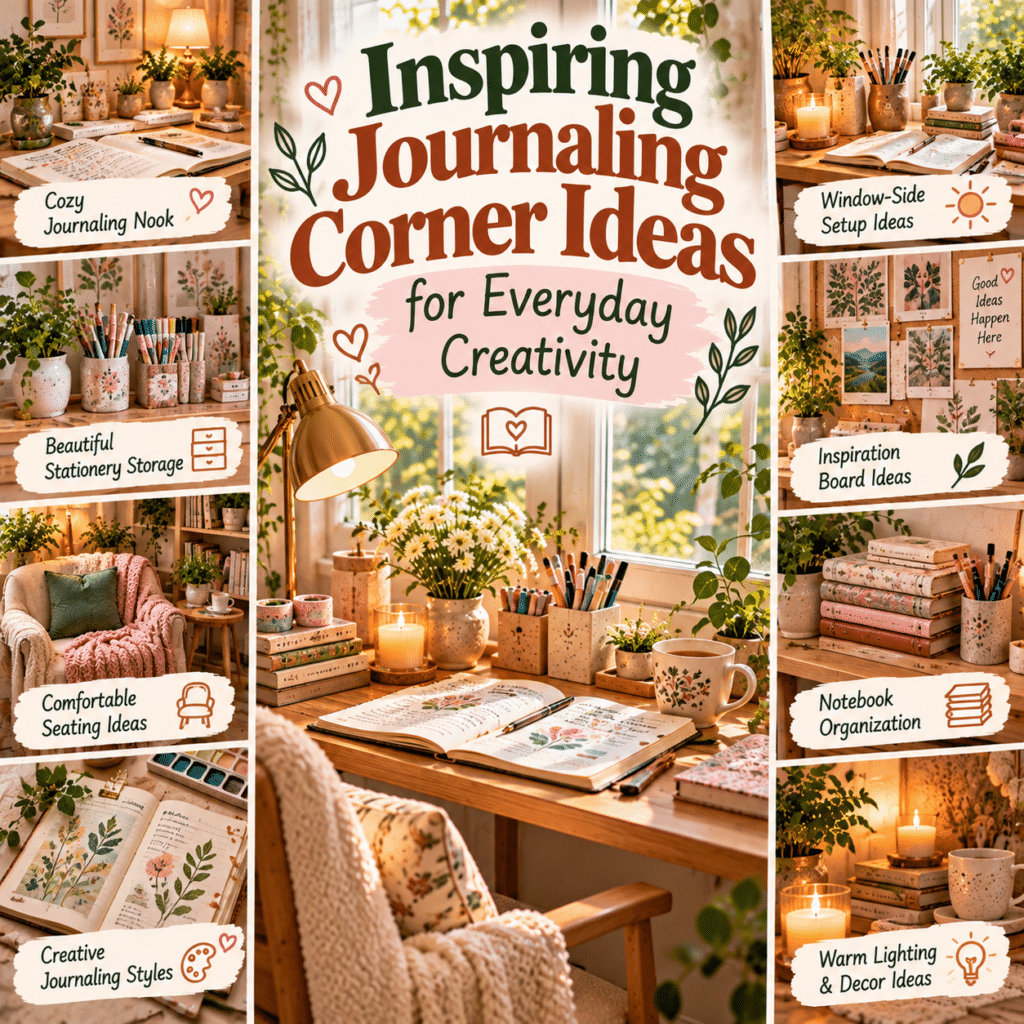
A reading corner may benefit from a lamp and comfortable seating.
A craft area may need a stable surface and organized materials.
The space does not need to be large or beautifully decorated.
Practical comfort is more important than creating a perfect visual setting.
23. Relaxation Can Fit Into Small Living Spaces
A dedicated relaxation room is not necessary.
People living in apartments, dormitories, or shared homes can create enjoyable moments within existing spaces.
A corner of the sofa, a balcony chair, or a small desk may be sufficient.
Portable supplies, such as a book or sketchbook, can make activities easy to begin and put away.
The most useful arrangement respects available space and household needs.
Relaxation should remain accessible without requiring major changes.
24. Screen-Free Activities Offer a Different Kind of Leisure
Digital entertainment can be enjoyable, but screen-free activities provide opportunities to engage with the physical environment.
Reading printed books, working on puzzles, caring for plants, or taking a walk can create a break from digital input.
Screen-free leisure is not automatically superior to every digital activity.
The value depends on personal needs and how technology is being used.
A balanced approach allows different forms of entertainment without making complete digital avoidance a requirement.
25. Digital Relaxation Can Also Be Meaningful
Relaxation does not always require turning off every device.
Listening to an audiobook, enjoying a calming video, or connecting with friends online may provide genuine enjoyment.
The important distinction is between intentional leisure and automatic, prolonged scrolling that no longer feels satisfying.
Choosing content deliberately can make digital activities more meaningful.
Notifications, screen brightness, and time spent online may also influence comfort.
Technology can support relaxation when used thoughtfully.
26. Social Relaxation Creates Opportunities for Connection
Some relaxation activities are especially enjoyable when shared.
A casual conversation, a leisurely meal, or a simple board game can provide opportunities for connection.
These activities do not require elaborate planning.
The quality of the interaction often matters more than the setting.
However, social relaxation should respect individual energy levels and preferences.
People who need solitude after busy days may prefer to connect at other times.
27. Solitary Relaxation Supports Personal Space
Time alone can be valuable for people who enjoy quiet or independent activities.
Reading, listening to music, drawing, or sitting peacefully may provide opportunities to follow personal preferences without compromise.
Solitude is not necessarily loneliness.
For many individuals, chosen time alone is a normal and enjoyable part of daily life.
However, relaxation habits should not become a reason to withdraw from meaningful relationships when connection is needed.
A balanced lifestyle can include both solitude and social interaction.
28. Relaxation Can Be Shared Across Generations
Simple activities can bring people of different ages together.
Reading stories, tending plants, preparing snacks, or completing easy crafts may provide enjoyable shared experiences.
Activities should reflect participants’ abilities, interests, and safety needs.
Children may enjoy playful exploration, while older adults may prefer familiar hobbies or gentle activities.
The purpose is not to create a structured program.
It is to make room for comfortable shared moments.
29. Family Routines Can Include Relaxing Activities
Household schedules often revolve around work, school, meals, and chores.
Including occasional shared leisure can create opportunities for connection.
A short evening walk, quiet reading time, or simple weekend craft may fit naturally into family life.
Not every household member needs to participate in the same activity.
Flexible routines can accommodate different interests and ages.
Relaxation should remain enjoyable rather than becoming another scheduled obligation.
30. Relaxation Is Especially Valuable During Busy Periods
Demanding schedules can make leisure feel less important.
Yet busy periods are often when small, manageable breaks become particularly welcome.
A few minutes away from a screen or a brief outdoor pause may provide a change of pace.
These activities cannot eliminate excessive workloads or solve ongoing organizational problems.
They can, however, create moments of relief within demanding circumstances.
Long-term balance may also require addressing the responsibilities and pressures that make rest difficult.
31. Evening Relaxation Can Help Mark the End of the Day
Evening routines offer opportunities to transition away from daytime demands.
Reading, listening to quiet music, or preparing a comfortable space can signal that active responsibilities are winding down.
The activity should suit individual preferences.
Some people prefer quiet reflection, while others enjoy light entertainment.
A relaxation routine cannot guarantee better sleep, but it may help create a more comfortable bedtime atmosphere.
The goal is to make evenings feel less rushed.
32. Weekend Relaxation Does Not Need Elaborate Plans
Weekends are often associated with outings, travel, or social events.
These activities can be enjoyable, but meaningful leisure can also happen at home.
A leisurely breakfast, an afternoon with a book, or time spent on a favorite hobby may be enough.
Relaxation does not require filling every available hour.
Leaving some unstructured time can provide flexibility.
A quiet weekend can be just as personally satisfying as a busy one.
33. Relaxation Activities Can Change With the Seasons
Weather influences which activities feel comfortable.
Warm days may be suitable for shaded outdoor breaks or indoor hobbies.
Cooler weather may make reading under a blanket or enjoying warm beverages especially appealing.
Rainy periods may encourage indoor crafts, music, or quiet observation.
Seasonal adjustments help keep relaxation practical.
Safety, air quality, and individual comfort should guide outdoor choices.
34. Relaxation Does Not Have to Cost Money
Commercial wellness experiences can be appealing, but they are not essential for everyday relaxation.
Many activities require little or no spending.
Walking, listening to music already available, borrowing library books, or enjoying a quiet moment at home can provide opportunities for leisure.
Some hobbies involve materials or equipment, but expensive purchases are rarely necessary.
Choosing affordable activities helps keep relaxation accessible and sustainable.
35. Relaxation Should Not Become Another Productivity Goal
People sometimes approach relaxation with the same expectations they apply to work.
They may track minutes, measure progress, or feel pressure to choose the most beneficial activity.
While structure can help some individuals, excessive measurement may undermine enjoyment.
A relaxation activity does not need to produce visible improvement.
It is acceptable to read slowly, draw imperfectly, or simply sit quietly.
The purpose is to create space for ease rather than another performance target.
36. Flexibility Makes Relaxation Habits Easier to Maintain
Daily schedules change.
Unexpected responsibilities, travel, family needs, or tiredness may interrupt planned leisure.
A flexible approach allows relaxation activities to adapt.
A long walk can become a brief stroll, while an elaborate craft session can become a few minutes of sketching.
Missing an activity does not mean the routine has failed.
The most useful habits are those that can fit naturally into changing circumstances.
37. Relaxation Is Not the Same as Avoiding Responsibilities
Taking a break and avoiding necessary tasks are not identical.
Relaxation involves intentionally creating time for rest or enjoyment.
Avoidance may involve repeatedly postponing responsibilities in ways that create additional difficulties.
A balanced approach recognizes both the need for recovery and the importance of completing essential obligations.
Relaxation can support transitions between tasks without replacing meaningful action.
The distinction often depends on context, timing, and consequences.
38. Restorative Activities Are Not Always Passive
Relaxation is often imagined as lying down or remaining still.
However, some people feel more relaxed while engaging in gentle activity.
Gardening, walking, knitting, cooking, or organizing a small personal collection may provide enjoyment.
These activities involve movement or attention but do not necessarily feel demanding.
The key is whether the experience offers a comfortable change from usual responsibilities.
Restorative leisure can be active, passive, social, or solitary.
39. Relaxation Needs May Change Over Time
Personal interests and circumstances evolve.
An activity that felt relaxing during one life stage may become less appealing later.
Changes in health, work, family responsibilities, and living arrangements can influence available time and preferences.
Occasionally reviewing leisure habits can help identify activities that remain enjoyable.
There is no requirement to maintain the same relaxation routine indefinitely.
Flexibility allows everyday leisure to remain personally meaningful.
40. The Value of Relaxation Lies in Ordinary Enjoyment
Simple relaxation activities may not create dramatic transformations.
Their value often appears through small experiences of comfort, enjoyment, and personal choice.
A familiar song, a quiet walk, or a few pages of reading can become a welcome part of the day.
These moments remind people that life includes more than obligations and measurable achievements.
Relaxation belongs in daily living because ordinary enjoyment deserves a place alongside responsibility.
The most meaningful activities are often those that can be repeated naturally without pressure.
Understanding Different Types of Everyday Relaxation
Relaxation can take many forms, and different activities may suit different needs.
| Type of relaxation | Everyday examples | Potential value |
|---|---|---|
| Quiet relaxation | Sitting peacefully, observing nature | Provides a break from stimulation |
| Creative relaxation | Drawing, coloring, crafting | Encourages personal expression |
| Physical relaxation | Gentle walking, comfortable stretching | Offers a change from prolonged inactivity |
| Sensory relaxation | Listening to music, enjoying comfortable textures | Creates pleasant sensory experiences |
| Social relaxation | Casual conversation, shared meals | Supports enjoyable connection |
| Solitary relaxation | Reading, journaling, personal hobbies | Provides independent leisure |
| Outdoor relaxation | Gardening, balcony time, park visits | Offers a change of environment |
| Domestic relaxation | Preparing tea, arranging flowers | Adds enjoyment to familiar routines |
| Digital relaxation | Audiobooks, selected entertainment | Provides accessible leisure |
| Reflective relaxation | Quiet observation, informal writing | Encourages personal awareness |
These categories frequently overlap.
For example, gardening may involve physical movement, sensory enjoyment, and quiet observation.
A shared cooking activity may combine creativity, conversation, and familiar household rituals.
The most suitable form depends on what feels genuinely enjoyable and manageable.
How to Build a Simple Daily Relaxation Routine
Creating space for relaxation does not require a complete lifestyle redesign.
A gradual approach can help make leisure feel natural.
Step 1: Identify Activities You Already Enjoy
Begin with familiar interests.
Think about activities that feel pleasant without requiring significant preparation.
These might include reading, listening to music, walking, or enjoying a warm beverage.
Avoid choosing activities solely because they are popular.
Step 2: Notice Natural Breaks in Your Schedule
Look for moments between responsibilities.
A short pause after lunch, a transition after work, or a quiet period in the evening may provide an opportunity.
The goal is to use available time realistically.
Step 3: Start With a Manageable Activity
Choose something easy to begin.
Reading a few pages or listening to a song may be more practical than planning a complicated hobby session.
Small activities can remain enjoyable without requiring a fixed duration.
Step 4: Prepare a Comfortable Space
Keep essential supplies accessible.
A book beside a chair or a sketchbook in a drawer can reduce preparation time.
The environment should support the activity without requiring elaborate decoration.
Step 5: Reduce Unnecessary Interruptions
When practical, silence nonessential notifications or move away from competing tasks.
Even a short period of focused leisure can feel different from an activity interrupted repeatedly.
Step 6: Allow the Activity to Remain Optional
Relaxation should not become another rigid obligation.
Some days may offer more time than others.
Adapt the activity or skip it when circumstances require.
Step 7: Review What Feels Enjoyable
Notice which activities you genuinely look forward to.
If something becomes tedious or stressful, choose another option.
A successful relaxation routine is one that supports enjoyment and fits real life.
Simple Relaxation Ideas for Different Times of Day
| Time of day | Relaxation activity | Why it may fit |
|---|---|---|
| Early morning | Enjoying a quiet beverage | Creates a gentle start |
| Before work | Brief outdoor observation | Offers a moment before responsibilities |
| Midmorning | Listening to a favorite song | Provides a short change of pace |
| Lunch break | Taking a leisurely walk | Combines movement with a break |
| Early afternoon | Reading a few pages | Offers quiet leisure |
| After work | Changing clothes and listening to music | Marks a transition |
| Before dinner | Watering plants | Provides a familiar activity |
| Early evening | Drawing or crafting | Encourages creative enjoyment |
| Later evening | Reading or listening to an audiobook | Supports a quieter atmosphere |
| Weekend afternoon | Gardening or a casual outing | Allows more flexible leisure |
These examples are suggestions rather than a prescribed schedule.
Activities can be rearranged according to personal preferences and responsibilities.
Relaxation Activities for Different Living Situations
| Situation | Common consideration | Suitable activities |
|---|---|---|
| Small apartment | Limited space | Reading, sketching, music |
| Busy work schedule | Short available breaks | Brief walks, quiet pauses |
| Working from home | Difficulty separating work and leisure | Post-work rituals, screen-free hobbies |
| Shared household | Different noise preferences | Headphone listening, individual reading |
| Living alone | Independent leisure opportunities | Gardening, crafts, personal projects |
| Family with children | Shared schedules | Storytelling, simple games, easy crafts |
| Older adulthood | Comfort and accessibility | Reading, gentle gardening, familiar hobbies |
| Frequent travel | Limited supplies | Audiobooks, portable journals |
| Limited budget | Affordable options | Walking, library books, free creative activities |
| Rainy weather | Reduced outdoor access | Indoor crafts, music, reading |
Relaxation becomes more sustainable when activities fit the environment rather than requiring the environment to change dramatically.
Twenty Simple Relaxation Activities to Try
The following ideas require little preparation and can be adapted to different schedules.
| Activity | Simple way to begin |
|---|---|
| 1. Read for pleasure | Choose a few pages of an enjoyable book |
| 2. Listen to music | Play a favorite song at a comfortable volume |
| 3. Take a gentle walk | Explore a familiar, safe route |
| 4. Water plants | Care for a few suitable indoor or outdoor plants |
| 5. Sketch casually | Draw simple objects without judging the result |
| 6. Enjoy tea | Prepare a beverage and sit without multitasking |
| 7. Watch the sky | Observe clouds or changing daylight |
| 8. Arrange flowers | Use available flowers or greenery |
| 9. Write a short reflection | Record a pleasant observation |
| 10. Complete a puzzle | Choose an enjoyable difficulty level |
| 11. Listen to an audiobook | Select a story that interests you |
| 12. Try gentle movement | Change position or stretch comfortably |
| 13. Sit on a balcony | Enjoy suitable outdoor conditions |
| 14. Color a picture | Use simple coloring materials |
| 15. Browse a photo album | Revisit meaningful memories |
| 16. Prepare a favorite snack | Choose something simple and enjoyable |
| 17. Practice a familiar craft | Knit, fold paper, or make a small decoration |
| 18. Enjoy a quiet conversation | Connect with someone you feel comfortable with |
| 19. Spend time with a pet | Engage in suitable, gentle interaction |
| 20. Sit quietly | Allow a few moments without planned activity |
Not every activity will suit every person.
The purpose of the collection is to encourage exploration rather than completion.
How to Create a Relaxing Corner at Home
A dedicated relaxation area can make leisure more convenient, but it does not need to be large.
Choose an Available Location
A chair near a window, a corner of the living room, or a small balcony may work well.
Consider privacy, noise, and accessibility.
Prioritize Comfortable Seating
Choose a chair or cushion that feels appropriate for the intended activity.
Avoid arrangements that create physical discomfort.
Provide Suitable Lighting
Reading and crafting may require focused illumination.
Quiet evening activities may feel more pleasant with softer lighting.
Keep Supplies Nearby
Store books, notebooks, or other frequently used materials within easy reach.
Avoid overcrowding the area.
Add Personal Details
A favorite cushion, small plant, or meaningful photograph can make the space feel welcoming.
Decoration should remain optional.
Keep the Space Flexible
The same corner may support reading, music, or quiet observation.
A practical arrangement allows activities to change without requiring major adjustments.
Common Mistakes When Building Relaxation Habits
Mistake 1: Waiting Until Every Task Is Finished
Responsibilities may continue indefinitely.
Better approach: Allow reasonable moments of leisure within the day rather than treating relaxation as a reward available only after perfect completion.
Mistake 2: Choosing Activities Based on Trends
Popular wellness activities may not match individual preferences.
Better approach: Select activities that feel genuinely enjoyable.
Mistake 3: Making Relaxation Too Complicated
Elaborate routines can require unnecessary preparation.
Better approach: Begin with simple activities that fit existing circumstances.
Mistake 4: Measuring Every Relaxation Session
Constant tracking may create performance pressure.
Better approach: Allow leisure to remain informal when measurement is unnecessary.
Mistake 5: Expecting Immediate Emotional Changes
A short break may feel pleasant without producing a dramatic change in mood.
Better approach: Appreciate the experience without demanding a specific outcome.
Mistake 6: Confusing Relaxation With Avoidance
Repeatedly postponing necessary tasks can create additional stress.
Better approach: Balance enjoyable breaks with realistic responsibilities.
Mistake 7: Ignoring Physical Comfort
An uncomfortable chair or unsuitable environment may reduce enjoyment.
Better approach: Make practical adjustments to seating, lighting, and temperature.
Mistake 8: Assuming Relaxation Must Be Passive
Some people prefer gentle activity.
Better approach: Explore walking, gardening, crafts, or other enjoyable movement.
Mistake 9: Treating Screen Time as Automatically Bad
Digital activities can provide meaningful entertainment.
Better approach: Focus on intentional use and personal satisfaction.
Mistake 10: Turning Relaxation Into Another Obligation
Strict schedules can make leisure feel demanding.
Better approach: Maintain flexibility and allow preferences to change.
Everyday Relaxation Checklist
Use this checklist as a flexible reminder to make room for enjoyable activities.
Personal Preferences
- I have identified a few activities I genuinely enjoy.
- My relaxation choices reflect my interests rather than trends.
- I allow myself to enjoy activities without performance goals.
- I recognize that my preferences may change.
- I do not expect every activity to produce immediate results.
Daily Routine
- I notice opportunities for short breaks.
- I allow reasonable transitions between demanding activities.
- I make room for leisure when practical.
- My relaxation habits remain flexible.
- I do not treat every free moment as time that must be productive.
Environment
- I have access to a reasonably comfortable place to relax.
- Lighting suits my preferred activities.
- Frequently used leisure supplies are accessible.
- Noise and interruptions are managed when possible.
- My relaxation space is practical rather than overly complicated.
Lifestyle Balance
- I include both activity and rest as appropriate.
- I make room for personal interests.
- I respect my need for solitude or social connection.
- I use digital entertainment intentionally.
- I recognize that relaxation complements, rather than replaces, other well-being needs.
Frequently Asked Questions About Simple Relaxation Activities
1. Why are relaxation activities important in everyday life?
Relaxation activities provide opportunities to step away from immediate demands, enjoy personal interests, and create a more varied daily routine. They can complement rest and other healthy lifestyle habits.
2. How much time should I spend relaxing each day?
There is no universal amount. Available time, responsibilities, and personal needs vary. Short activities may be practical on busy days, while longer leisure periods may be enjoyable when schedules allow.
3. Can a few minutes of relaxation be worthwhile?
Yes. Brief enjoyable activities can provide a change of pace, even if they do not produce dramatic or lasting effects. Their value depends on individual experience and circumstances.
4. What are some easy relaxation activities at home?
Reading, listening to music, drawing, watering plants, enjoying a warm beverage, completing puzzles, and sitting quietly are accessible options.
5. Does relaxation always mean sitting still?
No. Gentle walking, gardening, crafting, and other light activities can feel relaxing for some people.
6. Are screen-free activities better for relaxation?
Not necessarily. Screen-free activities offer a break from digital input, but intentional digital entertainment can also be enjoyable. The best choice depends on personal preferences and habits.
7. Can reading be a relaxing daily habit?
Yes. Reading for pleasure can provide an enjoyable break from ordinary responsibilities. The material and duration should suit individual interests.
8. Is listening to music a useful relaxation activity?
Many people enjoy music as part of leisure or daily transitions. Preferences vary, and comfortable listening volume is important.
9. Can relaxation activities help with sleep?
A comfortable evening routine may help some people wind down. However, relaxation activities cannot guarantee better sleep or treat persistent sleep disorders.
10. What if I find traditional relaxation activities boring?
Try different options. Creative hobbies, gentle movement, social activities, or practical hands-on interests may feel more enjoyable than quiet meditation or sitting still.
11. Do relaxation activities need special equipment?
No. Many require little or no equipment. Walking, listening to available music, or observing nature can be simple starting points.
12. Can relaxation activities be shared with family members?
Yes. Reading together, casual games, simple crafts, or leisurely walks can provide enjoyable shared experiences when they suit participants’ interests and abilities.
13. Is it acceptable to relax when responsibilities remain unfinished?
Reasonable breaks are a normal part of daily life. The important consideration is balancing rest with necessary responsibilities rather than expecting every task to be completed before enjoying leisure.
14. How can I make relaxation a regular habit?
Choose an enjoyable activity, identify convenient opportunities, keep preparation simple, and allow flexibility. A routine should support leisure without creating additional pressure.
15. Can relaxation replace professional help for ongoing stress or emotional difficulties?
No. Relaxation activities may provide enjoyment and temporary relief, but they do not replace appropriate professional support when stress, anxiety, or other concerns significantly affect daily functioning.
Final Thoughts
Simple relaxation activities deserve a place in daily life because ordinary well-being involves more than completing responsibilities.
Work, household duties, and personal commitments are important, but so are moments of enjoyment, comfort, and freedom from constant demands.
Relaxation does not need to involve expensive experiences, elaborate routines, or large amounts of free time.
A favorite song, a few pages of reading, a leisurely walk, or a quiet cup of tea can provide a welcome pause within an otherwise busy day.
The most meaningful activities are often those that fit naturally into existing routines and reflect genuine personal preferences.
Some people relax through stillness, while others enjoy gentle movement, creative projects, or social connection. There is no single approach that suits everyone.
Flexibility is equally important. Relaxation should remain an opportunity for enjoyment rather than another task to complete perfectly.
Although simple leisure activities cannot solve every source of stress or replace essential rest and professional care, they can contribute to a more comfortable and balanced everyday experience.
Ultimately, making room for relaxation is not about doing less with life. It is about allowing everyday life to include experiences that are enjoyable for their own sake.
A more balanced daily life is often built through small moments of relaxation that remind us there is value not only in what we accomplish, but also in what we enjoy.