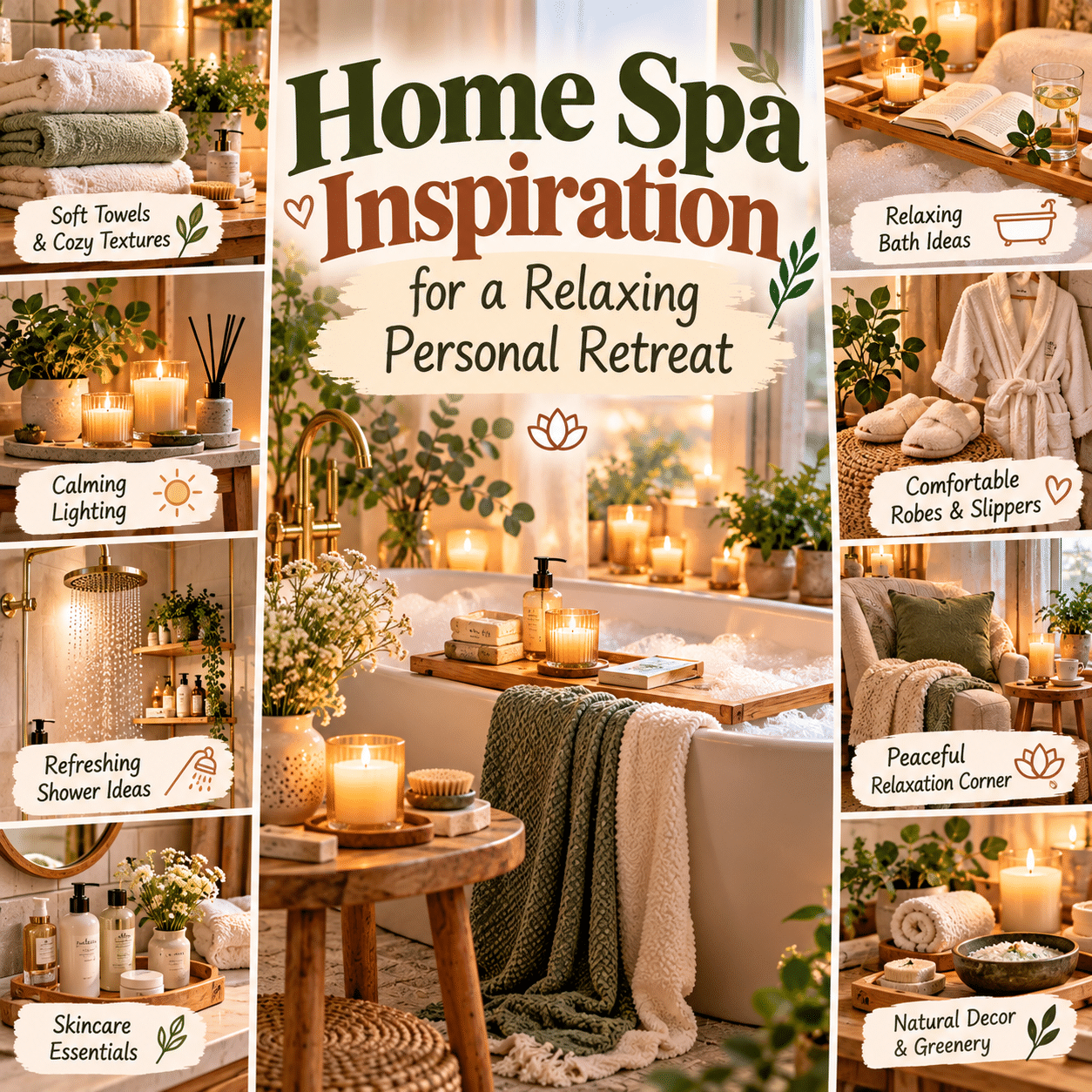
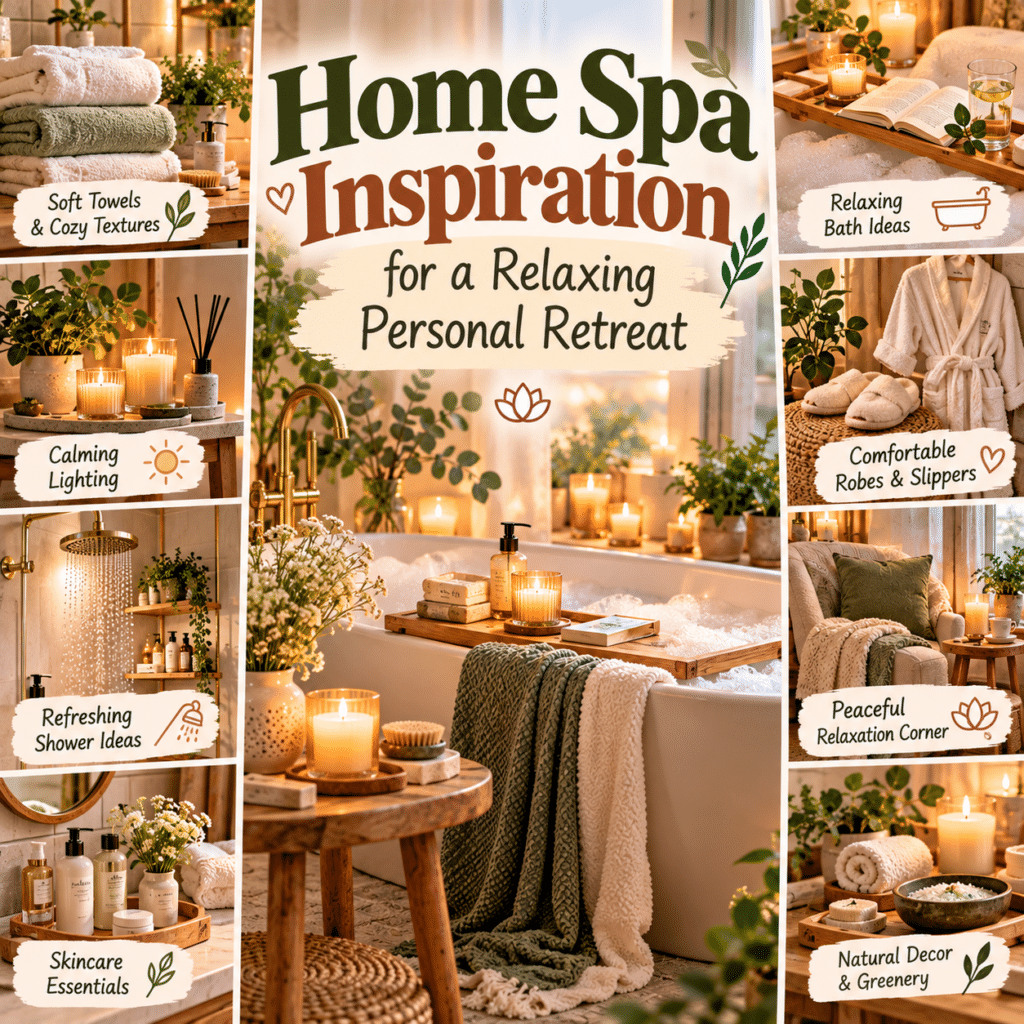
A peaceful spa experience does not always require an appointment, a luxurious resort, or a specially designed wellness facility. With thoughtful planning and a few comfortable details, an ordinary home can offer a welcoming setting for personal care, quiet relaxation, and restorative everyday routines.
A home spa is not necessarily a dedicated room filled with expensive equipment. It can be a clean and comfortable bathroom, a cozy bedroom corner, a warm shower followed by a favorite skincare routine, or a simple relaxation area with soft towels, gentle lighting, and a comfortable chair.
What makes a home spa special is the attention given to the experience.
Instead of rushing through familiar activities, you can create an environment that encourages a slower pace and makes everyday personal care feel more enjoyable.
Lighting, temperature, organization, textures, colors, and thoughtful accessories all contribute to the atmosphere. Small changes can help transform functional spaces into personal retreats without requiring major renovations.
Whether you live in a spacious house, a compact apartment, or a shared home, there are many practical ways to create a home spa that suits your preferences, available space, and budget.
This guide explores home spa inspiration, relaxing bathroom ideas, comfortable self-care spaces, simple wellness rituals, storage solutions, and design details that can help make your home feel more peaceful and inviting.
1. Define Your Ideal Home Spa Experience
Before decorating or purchasing accessories, think about what a relaxing home spa means to you.
Some people imagine a warm bath, soft towels, and quiet music. Others prefer a refreshing shower, a comfortable skincare routine, or a peaceful place to sit and read.
Your personal retreat should support the activities you genuinely enjoy.
Consider experiences such as:
- Taking a comfortable bath or shower.
- Following a simple skincare routine.
- Enjoying a warm foot soak.
- Practicing gentle stretching.
- Listening to relaxing music.
- Reading in a peaceful corner.
- Applying hand or body moisturizer.
- Enjoying a warm beverage.
- Journaling or reflecting quietly.
- Spending time away from unnecessary distractions.
Choose a few activities that fit your daily life.
A successful home spa is not defined by the number of products or accessories it contains. It is defined by comfort, convenience, and personal enjoyment.
2. Choose the Best Location for Your Personal Retreat
The bathroom is a natural starting point for a home spa, but it is not the only option.
Depending on your home’s layout, you might create a relaxing experience in:
- A bathroom with a shower or bathtub.
- A quiet bedroom corner.
- A dressing or vanity area.
- A comfortable reading nook.
- A guest bathroom.
- A sheltered outdoor space.
- A small area beside a bedroom window.
Consider Privacy and Convenience
Choose a location where you can enjoy your routine without unnecessary interruptions.
If you share your home, consider when the space is most available.
The location should also be practical for the activities you plan to enjoy.
For example, skincare and bathing products are usually easiest to use near a sink, while reading and meditation may be more comfortable in a dry seating area.
3. Begin with a Clean and Uncluttered Environment
A home spa does not need elaborate decoration to feel welcoming.
One of the most effective improvements is simply creating a clean, organized space.
Start by removing unnecessary items from countertops, shelves, and the edges of the bathtub.
Keep frequently used products accessible while storing occasional-use items in cabinets or drawers.
Focus on High-Impact Areas
Pay particular attention to:
- Bathroom countertops.
- Shower shelves.
- Bathtub edges.
- Towel storage.
- Vanity drawers.
- Mirrors.
- Frequently touched surfaces.
A clear countertop and neatly arranged towels can make an ordinary bathroom feel more intentional.
Avoid treating cleanliness as a purely decorative concern. Bathrooms also require appropriate ventilation, moisture management, and regular cleaning to remain comfortable and hygienic.
4. Create a Soft and Soothing Color Palette
Color is an important part of home spa design.
A balanced palette can help establish a calm visual atmosphere without requiring extensive decoration.
Popular home spa colors include:
- Warm white.
- Ivory.
- Cream.
- Beige.
- Soft taupe.
- Sage green.
- Pale blue.
- Muted gray.
- Sand.
- Natural wood tones.
These shades are often associated with understated, spa-inspired interiors.
However, color preferences are personal. Choose combinations that feel pleasant to you.
Use a Simple Three-Color Approach
For a cohesive design, select:
- A primary neutral color.
- A complementary secondary shade.
- A small accent color.
For example, cream walls, sage green towels, and light wood accessories can create a soft, natural appearance.
You do not need to repaint the room. Towels, bath mats, storage containers, and decorative accessories can introduce a new palette.
5. Transform Bathroom Lighting into a Spa-Like Experience
Lighting can change the atmosphere of a bathroom dramatically.
Bright overhead lights are useful for cleaning, grooming, and detailed skincare activities, but softer illumination may feel more comfortable during quiet relaxation.
Consider:
- Warm-toned wall lights.
- Dimmable ceiling fixtures.
- Indirect LED lighting.
- Soft vanity lighting.
- Battery-operated decorative candles.
- Warm accent lighting in dry areas.
Layer Lighting for Function and Comfort
A practical home spa should have more than one lighting option.
Use brighter lighting when shaving, applying skincare products, or cleaning.
Switch to gentler lighting when enjoying a relaxing bath or quiet personal-care routine.
Any lighting installed near water must be appropriate for the location and comply with relevant electrical safety requirements.
Avoid placing ordinary lamps or electrical accessories near sinks, showers, or bathtubs.
6. Create a Candlelit Atmosphere Safely
Candles are a familiar feature of spa-inspired interiors because their gentle light can create a warm atmosphere.
However, open flames require careful attention.
For an easier alternative, consider battery-operated LED candles.
These can provide a similar decorative effect without an exposed flame.
If You Prefer Traditional Candles
Follow basic precautions:
- Use stable, heat-resistant holders.
- Keep flames away from towels and curtains.
- Never leave burning candles unattended.
- Keep candles away from children and pets.
- Follow the manufacturer’s safety instructions.
Avoid placing candles where they could be knocked over or exposed to splashing water.
A relaxing environment should never compromise household safety.
7. Invest in Comfortable Towels
Soft, clean towels are among the most practical elements of a home spa.
Choose towels that feel pleasant against your skin and absorb moisture effectively.
Cotton towels are a popular choice because they are widely available and relatively easy to maintain.
Consider keeping:
- Bath towels.
- Hand towels.
- Washcloths.
- Hair towels, if useful.
- A clean towel reserved for facial care.
Display Towels Beautifully
Fold towels neatly on open shelves or roll them into a suitable basket.
Use matching or complementary colors for a cohesive appearance.
Avoid storing towels where they remain damp or are exposed to frequent splashes.
Proper drying and regular washing matter more than decorative arrangement.
8. Add a Comfortable Bathrobe and Slippers
A soft bathrobe can make the transition from bathing to relaxation feel more comfortable.
Choose a robe suited to your climate and preferences.
Lightweight cotton may be comfortable in warm conditions, while thicker fabrics may provide additional warmth in cooler environments.
Pair it with comfortable slippers designed for the surfaces where they will be worn.
Prioritize Safety
Bathroom floors can become slippery.
Choose footwear with suitable traction and avoid walking across wet surfaces in smooth-soled slippers.
Keep bathrobes and other textiles away from heaters, candles, and electrical equipment.
9. Create a Relaxing Bathtub Retreat
If your bathroom includes a bathtub, it can become the centerpiece of a simple home spa.
Begin by keeping the tub clean and free from unnecessary products.
Add a comfortable bath mat nearby and arrange towels within easy reach.
A bathtub tray designed for the tub may provide space for a book or a few small accessories, provided it remains stable and does not create a hazard.
Keep Bathing Comfortable
Use comfortably warm rather than excessively hot water.
Very hot water can cause burns, dizziness, or skin discomfort.
Avoid prolonged bathing if you begin to feel overheated or unwell.
Keep electrical devices away from the bathtub.
A peaceful bath does not require special additives or elaborate accessories.
Sometimes clean water, comfortable temperature, and a quiet environment are enough.
10. Create a Spa-Like Shower Experience
You do not need a bathtub to enjoy a home spa.
A well-organized shower can provide a pleasant and refreshing personal-care experience.
Start with practical improvements:
- Clean shower surfaces.
- Organized toiletries.
- A comfortable shower mat outside the wet area.
- Suitable water temperature.
- Good ventilation.
- Fresh towels nearby.
Consider Shower Accessories Carefully
A handheld showerhead may offer useful flexibility.
A shower caddy can keep products organized and accessible.
Choose accessories that are suitable for wet environments and securely installed.
Avoid overcrowding the shower with products that are rarely used.
11. Design a Minimalist Spa Bathroom
Minimalist spa design emphasizes simplicity, clean lines, and functional organization.
Choose a restrained color palette and avoid excessive decorative accessories.
A minimalist bathroom might feature:
- Neutral towels.
- Simple soap dispensers.
- A small wooden or ceramic tray.
- Concealed storage.
- One decorative plant or artwork piece.
- Warm, practical lighting.
Keep Essential Products Accessible
Minimalism should not make everyday routines inconvenient.
Store frequently used items where they are easy to reach.
The goal is to reduce unnecessary visual clutter while preserving comfort and functionality.
12. Introduce Natural Wood Accents
Wood can add warmth to bathrooms that otherwise contain mostly tile, glass, and metal.
Consider using:
- A wooden stool in a suitable dry area.
- A bamboo-inspired storage organizer.
- A wooden-framed mirror.
- A decorative tray.
- Wall shelves designed for bathroom conditions.
- A small wooden bench outside the shower.
Protect Wood from Moisture
Not all wood products are suitable for humid environments.
Choose appropriately finished materials and follow care instructions.
Avoid leaving wooden accessories in standing water.
Good ventilation and prompt drying help maintain their appearance and durability.
13. Add Stone and Ceramic Details
Stone-inspired surfaces and ceramic accessories can create a refined spa aesthetic.
You do not need expensive natural stone countertops to achieve the look.
Consider:
- Ceramic soap dispensers.
- Stone-look trays.
- Neutral tile accessories.
- Small ceramic bowls.
- Textured planters.
- Simple decorative containers.
Choose materials that are easy to clean and appropriate for bathroom use.
Balance Appearance with Maintenance
Some porous materials require special care.
Check whether surfaces need sealing and whether they are suitable for frequent exposure to moisture.
A beautiful accessory should also be practical for everyday cleaning.
14. Bring Greenery into Your Home Spa
Plants can soften the appearance of a bathroom and introduce natural color.
However, bathroom conditions vary significantly.
Some bathrooms receive abundant daylight, while others have little natural light.
Choose plants based on actual light, temperature, and humidity conditions.
Possible options for suitable environments include:
- Spider plants.
- Certain ferns.
- Peperomia.
- Parlor palms.
- Other species matched to the room’s conditions.
Consider Light and Household Safety
Humidity alone does not replace a plant’s need for sufficient light.
Avoid assuming that every tropical plant will thrive in a windowless bathroom.
If pets or children can access the plants, check species-specific safety information.
Use stable planters and protect surfaces from water damage.
Artificial greenery or botanical artwork can be practical alternatives.
15. Use Natural Textures for a Warm Atmosphere
Spa-inspired interiors often combine smooth surfaces with softer natural textures.
Consider adding:
- Cotton towels.
- Linen accessories.
- Woven baskets.
- Wooden trays.
- Ceramic containers.
- Textured bath mats.
- Neutral fabric storage bins in dry areas.
These materials can make the room feel more welcoming without requiring major changes.
Avoid Excessive Layering
Bathrooms need surfaces that are easy to clean and dry.
Too many fabric accessories may trap moisture or create clutter.
Choose a few practical pieces rather than filling every available space.
16. Create a Thoughtful Aromatherapy Experience
Fragrance is sometimes associated with spa environments, but it is not essential.
If you enjoy scented products, consider using them sparingly.
Options may include:
- Mildly scented bath products.
- Fragrance sachets.
- Scented candles used safely.
- Other products intended for household fragrance.
Understand the Limitations
Essential oils are concentrated substances and are not automatically safe because they come from plants.
Some may irritate skin or airways, and certain oils can be hazardous to pets.
Do not apply undiluted essential oils directly to skin unless a product is specifically formulated and labeled for that use.
Avoid adding essential oils directly to bathwater without appropriate formulation guidance.
If you have fragrance sensitivities, choose unscented products.
A clean, well-ventilated bathroom can feel relaxing without any added scent.
17. Create a Comfortable Skincare Station
A dedicated skincare area can make daily routines easier to organize.
Choose a clean surface near appropriate lighting.
Arrange frequently used products in a small tray or organizer.
Useful essentials might include:
- A gentle cleanser.
- Moisturizer.
- Clean facial towels.
- A headband.
- A mirror.
- Other products suited to your individual routine.
Keep the Routine Simple
More products do not necessarily produce better results.
Follow product instructions and introduce new skincare items carefully.
Avoid combining strong active ingredients without understanding their compatibility.
For persistent skin concerns, professional guidance may be more useful than experimenting with numerous products.
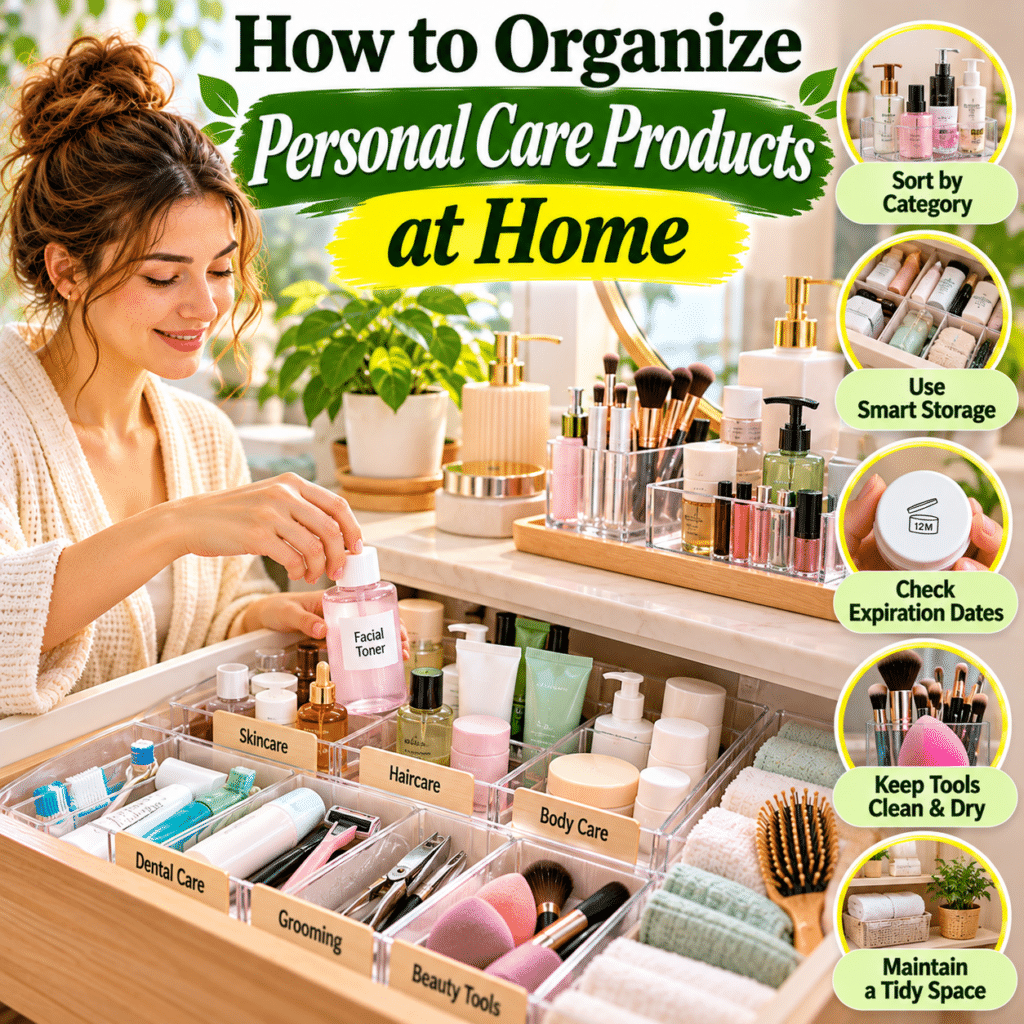
18. Organize Personal-Care Products Beautifully
Good organization contributes to both appearance and convenience.
Group products according to their purpose.
For example:
| Category | Typical Items | Storage Idea |
|---|---|---|
| Daily skincare | Cleanser, moisturizer | Small countertop tray |
| Bathing essentials | Body wash, shampoo | Shower caddy |
| Hair care | Brush, hair accessories | Drawer organizer |
| Towels | Bath towels, washcloths | Open shelf or cabinet |
| Occasional treatments | Masks, specialty products | Labeled storage box |
| Grooming tools | Nail tools, accessories | Closed organizer |
| Cleaning supplies | Bathroom cleaning products | Separate secure cabinet |
Keep cleaning chemicals away from personal-care products.
Store medications and products requiring specific temperatures according to their labels.
19. Create a Relaxing Foot Soak Corner
A foot soak can be an enjoyable occasional personal-care activity.
Choose a stable basin intended for the purpose and place it on a level surface.
Use comfortably warm water and keep a towel nearby.
A supportive chair makes the experience more comfortable.
Practice Basic Foot-Care Safety
Avoid excessively hot water.
Check water temperature carefully, especially if you have reduced temperature sensation.
Dry your feet thoroughly afterward, including between the toes.
If you have diabetes, circulation problems, neuropathy, open wounds, or another condition affecting foot safety, seek appropriate medical advice before soaking your feet.
A foot soak should feel comfortable rather than intense.
20. Make Hand Care Part of Your Home Spa
Hands are involved in countless daily activities, making simple hand care a practical addition to a home spa routine.
Consider:
- Washing with a gentle cleanser.
- Drying hands thoroughly.
- Applying a suitable moisturizer.
- Keeping nails clean and neatly maintained.
- Using protective gloves for household tasks when appropriate.
A small tray with hand cream and a clean towel can create a convenient station.
Avoid Unnecessary Complexity
You do not need specialized equipment for basic hand care.
Choose products that suit your skin and follow their instructions.
If a product causes irritation, discontinue use and seek guidance when necessary.
21. Create a Gentle Body-Care Routine
A home spa can include a simple body-care routine after bathing.
Apply a suitable moisturizer if desired, particularly when your skin feels dry.
Choose comfortable clothing and allow time to relax.
Be Careful with Exfoliation
Exfoliating products are not necessary for everyone.
Overuse can irritate the skin.
Follow product directions, avoid applying exfoliants to damaged or irritated skin, and choose gentle methods appropriate for your needs.
Personal care should prioritize skin comfort rather than aggressive treatments.
22. Add Soft Background Music
Music can make a home spa feel more immersive.
Choose recordings that complement your preferred atmosphere.
Ideas include:
- Gentle piano music.
- Acoustic instrumentals.
- Soft jazz.
- Ambient music.
- Nature-inspired soundscapes.
- Familiar relaxing playlists.
Keep the volume comfortable.
Use Electronics Safely
Do not place ordinary speakers, phones, or charging equipment where they could fall into water.
Use devices specifically rated for wet environments when appropriate and follow all manufacturer instructions.
You can also place a speaker safely outside the bathroom.
23. Experiment with Peaceful Nature Sounds
Some people enjoy the sound of rainfall, ocean waves, or flowing water.
These recordings can provide a pleasant background for quiet activities.
However, they are optional.
Silence may be more comfortable for some individuals.
Choose the sound environment that suits your preferences rather than assuming a particular recording will automatically produce relaxation.
24. Create a Cozy Post-Spa Relaxation Corner
The home spa experience does not need to end when you leave the bathroom.
A comfortable chair or bedroom corner can provide a pleasant place to unwind afterward.
Consider adding:
- A soft blanket.
- A supportive chair.
- A small side table.
- A warm lamp.
- A favorite book.
- A glass of water or another beverage.
This area can also serve as a regular reading or self-care corner.
Keep the Space Ready
Store blankets and books conveniently.
Avoid using the chair as temporary storage for laundry or unrelated items.
A relaxation area is most useful when it remains easy to access.
25. Introduce a Simple Tea Ritual
A warm beverage can be a pleasant part of a personal retreat.
Choose tea or another drink you enjoy.
If caffeine affects your sleep, consider a caffeine-free option during the evening.
Arrange a small tray with a mug, coaster, and napkin.
Keep Drinks Away from Bathing Areas
Avoid placing hot beverages on unstable bathtub edges.
Choose a dry, stable surface and keep drinks away from electrical equipment.
The ritual should be comfortable and convenient.
26. Design a Spa-Inspired Bedroom Corner
A bedroom can complement a bathroom-based spa routine.
Choose a comfortable chair, soft lighting, and a few personal accessories.
A small table can hold a journal, book, or skincare items suitable for room-temperature storage.
Use a Consistent Color Palette
Repeat one or two colors from the bathroom to create a sense of continuity.
For example, cream textiles and sage green accents can connect both spaces visually.
The rooms do not need identical decorations.
27. Create a Meditation and Quiet Reflection Space
A peaceful home spa may include a small area for meditation or reflection.
Choose seating that supports a comfortable position.
A chair is perfectly suitable if floor seating is uncomfortable.
Keep the space relatively uncluttered.
Begin with a Simple Practice
You might sit quietly for a few minutes, notice your surroundings, or practice gentle breathing.
There is no requirement to use a particular meditation technique.
If a practice feels uncomfortable, adjust it or choose another activity.
The purpose is to create a pleasant opportunity for personal reflection.
28. Add Gentle Stretching to Your Personal Retreat
Gentle movement can be an enjoyable part of a home spa routine.
Choose a safe, open area with enough room to move comfortably.
Wear clothing that allows easy movement.
A non-slip exercise mat may be useful.
Respect Your Physical Limits
Avoid forcing stretches or attempting movements that cause pain.
Choose activities appropriate for your mobility and physical condition.
If you have an injury or medical concern, seek qualified guidance before beginning unfamiliar exercises.
Relaxation should never require pushing through discomfort.
29. Make Your Home Spa Feel Luxurious Without Overspending
A comfortable home spa does not require premium fixtures or expensive beauty products.
Small improvements can create a welcoming atmosphere.
Budget-friendly ideas include:
- Rearranging existing accessories.
- Reusing attractive containers.
- Folding towels neatly.
- Cleaning mirrors and surfaces.
- Adding a simple bath mat.
- Using a favorite mug.
- Introducing one warm light source.
- Displaying a small piece of artwork.
- Repurposing a suitable storage basket.
Prioritize Useful Purchases
If you decide to spend money, focus on items that improve everyday comfort.
A supportive bath mat or better towel storage may be more valuable than decorative objects that serve no practical purpose.
30. Create a Home Spa in a Small Bathroom
Compact bathrooms can still feel peaceful and organized.
The key is reducing clutter and using storage efficiently.
Consider:
- Wall-mounted shelves.
- Narrow storage cabinets.
- Drawer dividers.
- Shower caddies.
- Hooks for towels.
- Small trays.
- Matching containers.
Preserve Movement and Accessibility
Avoid placing furniture or storage baskets where they obstruct doors, fixtures, or walkways.
Use shelves and cabinets that are properly secured.
Keep frequently used products within comfortable reach.
A small bathroom can feel more inviting when every item has a clear purpose.
31. Create a Spa Experience Without a Bathtub
A bathtub is not essential for home spa relaxation.
A shower-based routine can include:
- Preparing a clean towel and comfortable clothing.
- Adjusting the bathroom temperature.
- Taking a comfortably warm shower.
- Using familiar personal-care products.
- Drying off thoroughly.
- Applying moisturizer if desired.
- Moving to a comfortable relaxation area.
The emphasis is on enjoying familiar activities without unnecessary rushing.
32. Explore Japanese-Inspired Spa Simplicity
Japanese-inspired bathing spaces are often associated with simplicity, cleanliness, and thoughtful separation of activities.
You can borrow general design principles without attempting to recreate a traditional bathing room.
Consider:
- Minimal decorative clutter.
- Natural wood accents.
- Neutral colors.
- Organized bathing supplies.
- Clean surfaces.
- Practical storage.
Focus on Principles Rather Than Imitation
Traditional bathing practices vary and have cultural contexts.
For an ordinary home bathroom, it is often more practical to adopt ideas such as cleanliness, simplicity, and comfortable bathing temperatures.
Choose adaptations that suit your actual space and household needs.
33. Try a Scandinavian-Inspired Home Spa
Scandinavian-inspired interiors often emphasize natural materials, functional furniture, and understated comfort.
For a home spa, consider:
- Light wood.
- White or cream towels.
- Simple ceramic accessories.
- Soft gray accents.
- Warm lighting.
- Minimal storage containers.
This style can be particularly effective in small bathrooms because it avoids excessive decoration.
The goal is a comfortable, practical environment rather than a perfectly styled display.
34. Create a Natural Botanical Spa Atmosphere
A botanical theme can make a home spa feel fresh and connected to nature.
Use muted green accents, botanical artwork, and suitable plants.
Combine them with natural wood and neutral textiles.
Keep the Design Balanced
Avoid overcrowding the room with plants.
Choose a few decorative elements that fit the available space.
If natural light is limited, botanical prints or artificial greenery may be more practical than living plants.
35. Design a Modern Luxury Spa Look
A modern luxury aesthetic can be created through thoughtful simplicity rather than excessive spending.
Consider:
- Coordinated towels.
- A large, clean mirror.
- Simple black or brushed-metal accents.
- Neutral ceramic dispensers.
- A refined storage tray.
- Warm indirect lighting.
- Minimal decorative accessories.
Choose Durable Finishes
Bathroom materials should withstand regular cleaning and humidity.
Prioritize easy maintenance, stable accessories, and suitable finishes.
A polished appearance is easier to maintain when the underlying design is practical.
36. Refresh Your Home Spa for Different Seasons
A home spa can adapt to changes in temperature and climate.
During Warm Weather
Choose lightweight towels and breathable clothing.
Maintain comfortable ventilation.
Use pleasantly warm or lukewarm water according to your preferences.
During Cooler Weather
Keep towels and robes conveniently accessible.
Maintain a comfortable room temperature.
Avoid using unsafe portable heaters near water.
During Humid or Rainy Periods
Pay attention to ventilation and moisture accumulation.
Dry towels thoroughly and avoid leaving damp fabrics in closed storage.
Address leaks or persistent dampness promptly.
37. Make Your Home Spa Pet-Friendly and Family-Conscious
A relaxing space should also be safe for everyone in the household.
Consider:
- Keeping personal-care products out of children’s reach.
- Storing cleaning chemicals securely.
- Avoiding accessible hot water containers.
- Checking plant toxicity.
- Keeping electrical cords away from wet areas.
- Securing shelves and storage furniture.
- Avoiding unattended open flames.
- Using caution with fragrances and essential oils.
Choose Practical Accessories
Stable containers, non-slip mats, and secure storage are often more useful than delicate decorative objects.
A beautiful home spa should remain comfortable for everyday household life.
38. Avoid Common Home Spa Design Mistakes
A home spa can become less enjoyable when appearance is prioritized over practicality.
Buying Too Many Products
An overflowing collection of skincare and bathing products creates clutter and may lead to waste.
Keep a manageable selection of items you actually use.
Ignoring Ventilation
Bathrooms can accumulate moisture.
Proper ventilation and moisture management are essential for comfort and maintenance.
Using Excessively Hot Water
Very hot baths and showers can cause discomfort or injury.
Choose comfortable temperatures and avoid prolonged exposure to excessive heat.
Overusing Fragrance
Strong scents may irritate some people or create risks for pets.
Fragrance should remain optional and subtle.
Choosing Slippery Accessories
Decorative mats and smooth flooring may become hazardous when wet.
Use suitable non-slip products and keep floors dry when possible.
Making the Routine Too Complicated
An elaborate routine can become difficult to maintain.
A few enjoyable activities are often more practical than a long sequence of treatments.
How to Create Your Home Spa Step by Step
Building a personal retreat is easier when you begin with the essentials.
Step 1: Choose Your Main Spa Activities
Decide whether you want to focus on bathing, skincare, relaxation, journaling, or another activity.
Choose a manageable combination.
Step 2: Identify the Best Location
Select a bathroom, bedroom corner, or another suitable area.
Consider privacy, lighting, ventilation, and access to necessary facilities.
Step 3: Clean and Organize the Space
Remove unnecessary items.
Clean surfaces and arrange frequently used products conveniently.
Step 4: Establish a Simple Color Palette
Choose neutral or muted colors that complement your existing room.
Use towels and accessories to introduce the palette.
Step 5: Improve Lighting
Add or adjust lighting to support both practical tasks and relaxation.
Use fixtures appropriate for the environment.
Step 6: Add Comfortable Textiles
Choose clean towels, a suitable bath mat, and a comfortable robe if desired.
Prioritize quality and easy maintenance.
Step 7: Organize Personal-Care Essentials
Use trays, baskets, or drawer organizers.
Keep cleaning supplies separate from skincare and bathing products.
Step 8: Add One or Two Decorative Details
Consider a plant, artwork, or a small ceramic accessory.
Avoid overcrowding surfaces.
Step 9: Prepare a Simple Routine
Choose a few activities that feel enjoyable and fit your available time.
Step 10: Evaluate and Adjust
Use the space several times before making additional purchases.
Notice what improves comfort and what creates unnecessary work.
Home Spa Essentials for Different Budgets
A relaxing personal retreat can be created at many price levels.
| Element | Simple Option | Optional Upgrade |
|---|---|---|
| Lighting | Existing warm lamp in a dry area | Professionally installed dimmable bathroom lighting |
| Towels | Clean, comfortable towels | Coordinated premium towel set |
| Storage | Reused baskets and trays | Built-in shelving or cabinets |
| Bathing | Comfortable shower routine | Upgraded shower fixture |
| Relaxation | Existing chair and blanket | Dedicated lounge chair |
| Decoration | Botanical print | Coordinated decorative collection |
| Music | Existing audio device used safely | Suitable bathroom-rated audio system |
| Personal care | Familiar basic products | Selected specialty products |
| Floor comfort | Suitable non-slip mat | Upgraded bathroom flooring |
| Atmosphere | Battery-operated candle | Integrated accent lighting |
The best choice is not necessarily the most expensive.
Focus on durability, safety, and how frequently you will use each item.
Home Spa Ideas for Different Living Spaces
| Living Space | Recommended Approach | Main Priority |
|---|---|---|
| Small apartment | Organized shower area and compact relaxation corner | Space efficiency |
| Family home | Shared bathroom with personal storage | Convenience and safety |
| Bedroom with ensuite | Coordinated bathroom and bedroom retreat | Visual continuity |
| Guest bathroom | Simple towels, neutral accessories, clean surfaces | Welcoming functionality |
| Home without a bathtub | Shower-based routine and comfortable seating | Practical relaxation |
| Large bathroom | Defined bathing, grooming, and storage areas | Functional zoning |
| Shared accommodation | Portable self-care kit and personal organizer | Flexibility |
| Home with balcony | Separate sheltered relaxation seating | Weather and structural safety |
Adapt the design to your actual living conditions rather than following a single idealized spa layout.
A Simple 30-Minute Home Spa Routine
You do not need several hours to enjoy a personal retreat.
This example offers a manageable sequence.
| Time | Activity | Purpose |
|---|---|---|
| Minutes 1–5 | Prepare towels, clothing, and the bathroom | Create a comfortable setting |
| Minutes 6–15 | Enjoy a warm shower or bath | Personal cleansing and comfort |
| Minutes 16–20 | Apply familiar skincare or body-care products | Everyday personal care |
| Minutes 21–25 | Change into comfortable clothing and prepare a drink | Transition into relaxation |
| Minutes 26–30 | Sit quietly, read, or listen to gentle music | Enjoy a peaceful moment |
Adjust the timing according to your preferences.
There is no need to rush through an activity simply to follow the schedule.
Home Spa Checklist for a Relaxing Personal Retreat
Use this checklist to evaluate your setup.
Atmosphere and Comfort
- The space feels clean and welcoming.
- Lighting is comfortable and practical.
- Temperature and ventilation are suitable.
- Towels and clothing are easy to access.
- Decorative details do not create clutter.
Organization
- Frequently used products are within reach.
- Storage containers are stable.
- Personal-care products are organized.
- Cleaning chemicals are stored separately.
- Surfaces are easy to maintain.
Personal Care
- Bathing products suit personal preferences.
- Skincare products are used according to instructions.
- Water temperature is comfortable.
- Clean towels are available.
- The routine feels manageable.
Safety
- Wet floors are addressed promptly.
- Electrical devices are kept away from water.
- Candles are used safely or replaced with LED alternatives.
- Fragrances are suitable for household members and pets.
- Plants and accessories are positioned securely.
- Hot water and bathing conditions are appropriate.
Long-Term Enjoyment
- The setup fits the available budget.
- Accessories are easy to clean.
- The space supports favorite activities.
- The routine can be adapted when needed.
- Relaxation feels enjoyable rather than obligatory.
Frequently Asked Questions About Home Spa Inspiration
1. What is a home spa?
A home spa is a personal space or routine designed to make everyday relaxation and self-care more enjoyable.
It may involve bathing, skincare, comfortable surroundings, soft lighting, and quiet activities.
A dedicated spa room is not necessary.
2. How can I make my bathroom feel like a spa?
Start with cleanliness and organization.
Add comfortable towels, gentle lighting, coordinated accessories, and practical storage.
Choose a simple color palette and avoid unnecessary clutter.
3. Can I create a home spa without a bathtub?
Yes.
A comfortable shower, clean towels, familiar skincare products, and a peaceful relaxation corner can provide an enjoyable home spa experience.
A bathtub is optional.
4. What colors work best for a home spa?
Warm white, cream, beige, sage green, soft gray, and natural wood tones are popular choices.
However, the best palette is one that suits your preferences and existing home.
5. How can I create a home spa on a budget?
Use items you already own.
Organize toiletries, fold towels neatly, clean surfaces, and add one or two comfortable accessories.
Prioritize practical improvements before decorative purchases.
6. Are essential oils necessary for a home spa?
No.
A relaxing environment does not require fragrance.
Essential oils can cause irritation and may pose risks to pets.
Choose unscented alternatives if you prefer them or if household sensitivities are a concern.
7. What lighting is best for a spa-inspired bathroom?
A combination of functional lighting and softer ambient lighting can work well.
Ensure that all fixtures are appropriate for bathroom conditions and comply with electrical safety requirements.
8. How do I make a small bathroom feel more luxurious?
Keep surfaces uncluttered, use coordinated towels, choose simple accessories, and organize products with compact storage.
Good lighting and clean finishes can make a noticeable difference.
9. What plants are suitable for a bathroom spa?
Plant suitability depends on natural light, humidity, temperature, and available space.
Some ferns, peperomia, and other houseplants may work in suitable conditions.
Check individual species requirements and household safety considerations.
10. How often should I enjoy a home spa routine?
There is no required schedule.
You may enjoy a short routine daily or reserve a longer session for occasional personal time.
Choose a frequency that feels comfortable and practical.
11. Do I need expensive skincare products?
No.
A simple routine with suitable products is often more practical than a large collection.
Follow product instructions and seek professional guidance for persistent skin concerns.
12. How can I make a home spa safe for pets?
Keep essential oils, fragrances, skincare products, and cleaning chemicals out of reach.
Check plant toxicity and avoid leaving open flames unattended.
Choose stable storage and secure accessories.
13. Can I create a home spa in my bedroom?
Yes.
A bedroom can provide a comfortable setting for reading, journaling, gentle relaxation, or personal-care activities that do not require water.
Use soft lighting, comfortable seating, and organized storage.
14. What is the most important part of a home spa?
The most important element is creating an experience that feels comfortable, practical, and personally enjoyable.
Cleanliness, safety, suitable lighting, and simple routines usually matter more than expensive decorations.
Final Thoughts: Create a Personal Retreat That Feels Like Home
A relaxing home spa does not need to imitate a luxury resort or include elaborate equipment.
Its greatest value comes from creating a comfortable environment where everyday personal care feels more intentional and enjoyable.
Soft towels, gentle lighting, organized surfaces, pleasant colors, and thoughtful accessories can make familiar spaces feel welcoming.
A warm shower, a simple skincare routine, a favorite beverage, or a quiet moment in a comfortable chair can become part of a personal retreat.
The most successful home spas balance atmosphere with practicality. They are easy to use, safe to maintain, and flexible enough to fit changing schedules and preferences.
Begin with the space you already have.
Choose a few meaningful improvements, avoid unnecessary clutter, and allow your routine to develop naturally.
Whether your ideal retreat is a minimalist bathroom, a botanical-inspired shower space, a cozy bedroom corner, or a simple evening self-care ritual, the best home spa is one that reflects your lifestyle.
A peaceful personal retreat is not defined by luxury. It begins with comfort, thoughtful simplicity, and the opportunity to enjoy a little time for yourself.