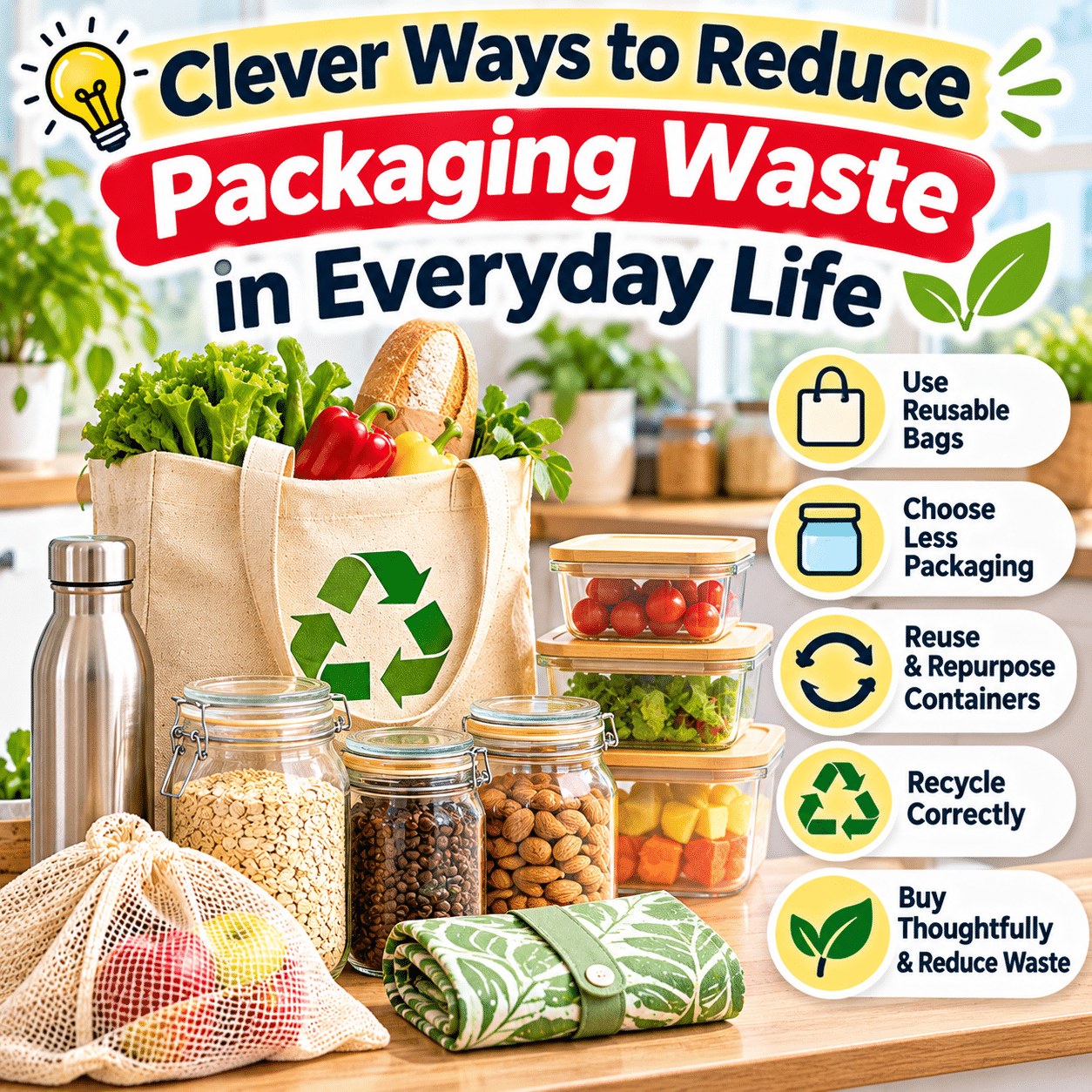
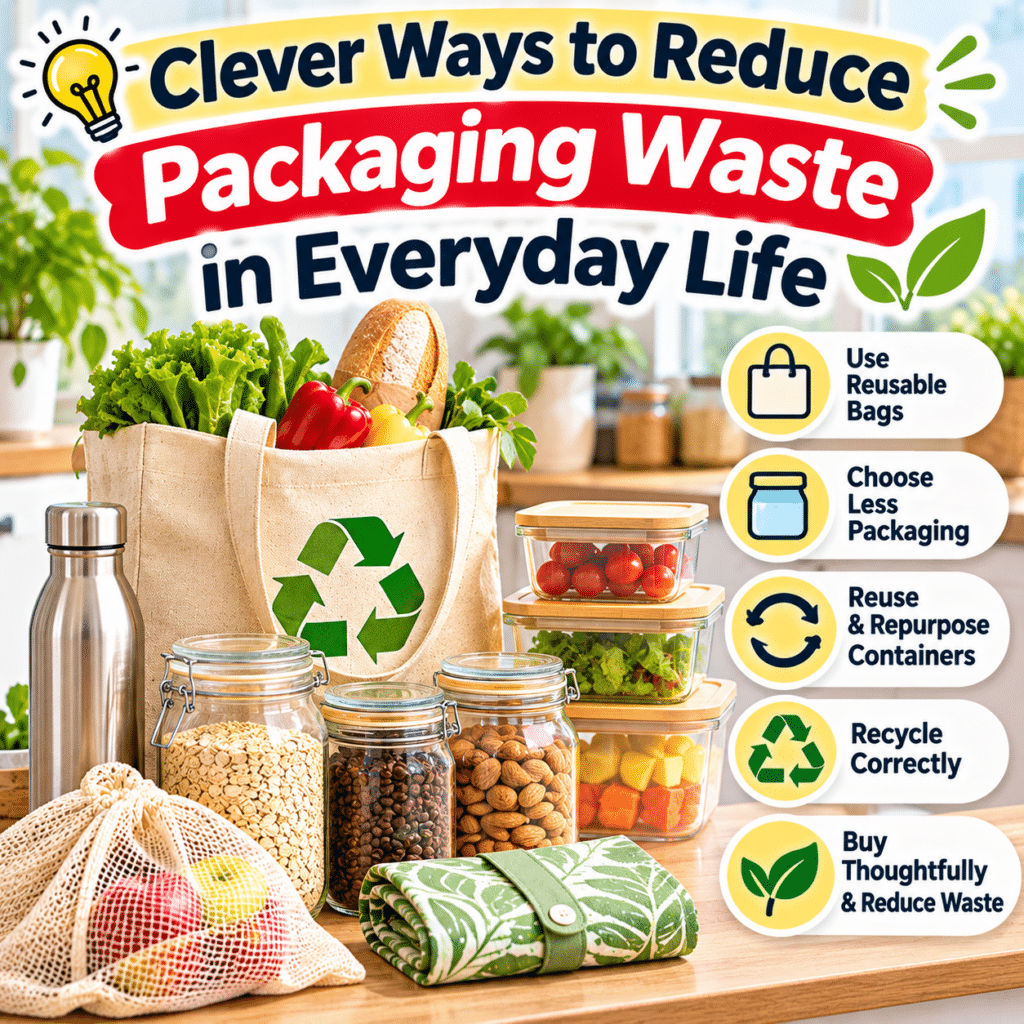
Packaging is part of nearly every modern household routine. It protects groceries, keeps personal care products contained, makes online deliveries possible, and helps everyday goods reach consumers in usable condition. From cardboard boxes and plastic wrappers to glass jars, paper bags, and protective shipping materials, packaging serves many practical purposes.
However, packaging can also create a significant amount of household waste. A single grocery trip may bring home several types of disposable materials, while online purchases can introduce boxes, cushioning, tape, and plastic mailers. Over time, these materials accumulate in kitchens, storage areas, and household waste bins.
Reducing packaging waste does not mean eliminating every package or avoiding products that require protection. Packaging can be essential for food safety, hygiene, transportation, product preservation, and accessibility. The goal is to reduce unnecessary materials while choosing practical alternatives that protect products and fit everyday needs.
Fortunately, meaningful improvements often begin with small decisions. Reusing containers, planning purchases, choosing appropriate package sizes, organizing reusable shopping supplies, and understanding local recycling systems can all help reduce avoidable waste.
This comprehensive guide explores clever, realistic ways to reduce packaging waste throughout everyday life without sacrificing convenience, safety, or household efficiency.
1. Understand What Packaging Waste Includes
Packaging waste refers to packaging materials that are discarded after serving their intended purpose.
Common Household Packaging Materials
Examples include:
- Plastic bottles and containers.
- Cardboard shipping boxes.
- Paper bags and wrapping.
- Plastic films and wrappers.
- Glass jars and bottles.
- Metal cans and containers.
- Foam protective packaging.
- Bubble wrap and air pillows.
- Food trays and cartons.
- Product sleeves and labels.
- Disposable takeaway containers.
- Protective packaging inserts.
Some materials can be reused or recycled, while others may be difficult to recover through available local systems.
Why Packaging Is Used
Packaging serves several important functions.
It can:
- Protect products during transportation.
- Reduce physical damage.
- Preserve food quality.
- Prevent contamination.
- Provide product information.
- Support safe storage.
- Make handling and distribution easier.
Why Reducing Unnecessary Packaging Matters
Producing packaging requires materials, energy, transportation, and other resources.
Packaging that is discarded after a single use may create additional collection, sorting, processing, or disposal demands.
Reducing unnecessary packaging can help conserve resources and decrease household waste.
However, the environmental impact of packaging depends on its material, weight, production process, transportation, reuse potential, and end-of-life treatment.
A heavier reusable container is not automatically better than a lightweight disposable one in every situation.
The most useful approach considers the entire life cycle of a product and its packaging.
2. Begin With a Simple Household Packaging Waste Audit
Before making changes, identify which packaging materials appear most frequently in your home.
Observe Your Waste for Several Days
Pay attention to packaging generated by:
- Grocery shopping.
- Online deliveries.
- Takeaway meals.
- Personal care products.
- Household cleaning supplies.
- Snacks and beverages.
- Pet supplies.
- Office and hobby materials.
Identify Repeating Patterns
You may notice that certain types of packaging accumulate regularly.
For example:
- Small plastic wrappers from individually packaged snacks.
- Cardboard boxes from frequent deliveries.
- Disposable beverage containers.
- Plastic bags from shopping trips.
- Empty cleaning product bottles.
Separate Packaging From Other Waste
Where practical and safe, observe packaging materials separately from food scraps and other household waste.
Focus on High-Impact Opportunities
Instead of trying to eliminate every small wrapper immediately, prioritize the packaging categories that are easiest to reduce consistently.
Avoid Complicated Tracking
A brief checklist or simple observation routine is usually sufficient.
The purpose is to understand household habits, not create another demanding task.
3. Follow a Practical Packaging Waste Reduction Hierarchy
A useful strategy is to consider whether packaging can be avoided, reduced, reused, or recovered.
First: Avoid Unnecessary Packaging
When suitable, choose products that do not require excessive packaging.
Second: Reduce Packaging Materials
Select products with an appropriate amount of protective packaging.
Third: Reuse Suitable Packaging
Extend the useful life of clean, durable packaging materials when safe and practical.
Fourth: Recycle Accepted Materials
Follow local recycling requirements and preparation instructions.
Fifth: Dispose of Remaining Waste Responsibly
Some packaging cannot be safely reused or processed through available recycling systems.
Dispose of these materials according to local waste management guidance.
Consider the Bigger Picture
Packaging reduction should not create greater problems elsewhere.
For example, removing protective food packaging may increase spoilage, while inadequate shipping protection may lead to damaged products and replacement deliveries.
The goal is to reduce overall waste and unnecessary resource use, not simply minimize visible packaging.
4. Bring Reusable Shopping Bags for Everyday Purchases
Reusable shopping bags are among the simplest alternatives to disposable checkout bags.
Keep Bags Near Your Departure Area
Store a small collection near the entryway or another convenient location.
Carry a Foldable Bag
A compact reusable bag can be useful for unexpected purchases.
Match Bags to Shopping Needs
Choose suitable sizes for:
- Groceries.
- Clothing.
- Household supplies.
- Produce.
- General errands.
Avoid Collecting Excessive Reusable Bags
Reusable bags also require materials and energy to manufacture.
Use existing bags repeatedly rather than continually acquiring new ones.
Maintain Cleanliness
Wash or clean bags when necessary, particularly after carrying food that may leak or contaminate surfaces.
Check Durability
Inspect handles and seams before carrying heavy purchases.
The greatest practical benefit comes from using suitable bags consistently over time.
5. Choose Products With Less Unnecessary Packaging
Packaging design varies considerably between products.
Compare Similar Products
When choosing between suitable alternatives, consider whether one uses less unnecessary wrapping or fewer separate packaging components.
Look Beyond Appearance
Minimal-looking packaging does not always have a lower environmental impact.
A lightweight package may use fewer resources than a heavier alternative, even if the heavier material appears more sustainable.
Consider Product Protection
Packaging should still protect the contents during normal handling and transportation.
Avoid Excessive Decorative Layers
Some products include multiple boxes, sleeves, ribbons, or inserts that are not essential to their function.
Prioritize Practical Choices
Packaging is one factor among many, including product durability, quality, safety, price, and expected use.
A balanced decision is more useful than choosing packaging based on appearance alone.
6. Buy Appropriate Quantities Instead of Excessive Small Portions
Repeatedly purchasing very small packages can increase the amount of packaging used per unit of product.
However, buying larger quantities is not always the best solution.
Consider Larger Packages for Frequently Used Products
Suitable examples may include:
- Dry pantry staples.
- Household cleaning supplies.
- Frequently used personal care products.
- Pet food.
- Office supplies.
Check Storage Capacity
Only purchase quantities that can be stored safely and conveniently.
Consider Product Shelf Life
Larger packages may create waste if their contents expire or deteriorate before use.
Compare Packaging Efficiency
A larger container may use less packaging per unit of product, but this varies by material and design.
Avoid Unnecessary Stockpiling
Buying more than a household can realistically use may increase product waste.
The best quantity is one that balances packaging, consumption, storage, and product longevity.
7. Reduce Packaging Waste When Buying Groceries
Grocery shopping creates many opportunities to reduce unnecessary packaging.
Choose Loose Produce When Practical
Some fruits and vegetables can be purchased without additional disposable bags.
However, packaging may be useful for hygiene, protection, transportation, or shelf life.
Use Reusable Produce Bags
Washable produce bags may be suitable for certain unpackaged fruits and vegetables.
Avoid Unnecessary Double Bagging
When products are already safely contained, an additional bag may not always be needed.
Plan Grocery Purchases
A shopping list can help prevent impulse purchases and reduce unnecessary packaging accumulation.
Consider Product Freshness
Packaging can reduce food damage and spoilage.
Avoid packaging changes that compromise food safety or significantly increase food waste.
Follow Store Policies
Some stores permit reusable containers and bags, while others have specific hygiene or handling requirements.
Choose options that comply with local rules.
8. Use Refillable Containers When Appropriate
Refill systems can reduce the need to purchase a completely new container each time a product runs out.
Common Refill Categories
Depending on local availability, refill options may include:
- Hand soap.
- Dishwashing liquid.
- Laundry products.
- Shampoo.
- Certain household cleaners.
- Dry food products.
Reuse Compatible Containers
Only refill containers that are suitable for the product.
Follow Product Instructions
Some products require specific containers, dilution methods, or storage conditions.
Avoid Mixing Cleaning Chemicals
Never combine household chemicals or transfer hazardous substances into food or beverage containers.
Keep Labels Clear
Refilled containers should remain clearly identifiable.
Consider the Refill Packaging
A refill pouch may use less material than a rigid bottle, but environmental benefits depend on the packaging design, refill frequency, transportation, and disposal options.
Refill systems are most useful when they are safe, practical, and used consistently.
9. Explore Bulk and Package-Free Shopping Carefully
Bulk shopping may allow customers to purchase selected goods with less individual packaging.
Choose Suitable Products
Common bulk categories include:
- Rice.
- Beans.
- Grains.
- Nuts.
- Certain dried foods.
- Household products offered through approved refill systems.
Bring Approved Containers
Some retailers allow clean reusable containers.
Check store policies before using them.
Maintain Food Hygiene
Use containers suitable for food contact and keep them clean and dry.
Avoid Buying Too Much
Purchase realistic quantities based on consumption and storage conditions.
Check Product Information
Ensure necessary details such as ingredients, allergens, storage instructions, and dates remain available.
Consider Availability
Bulk shopping is not accessible or practical everywhere.
Ordinary packaged products can still be part of a responsible purchasing routine.
10. Reduce Packaging From Online Shopping
Online purchases often generate shipping boxes, cushioning materials, labels, and protective wrapping.
Consolidate Orders When Practical
Combining purchases may reduce some packaging and delivery activity.
However, consolidated shipping does not always guarantee fewer materials or lower environmental impact.
Avoid Unnecessary Separate Deliveries
Where retailers offer suitable delivery options, consider grouping items.
Choose Appropriate Packaging Preferences
Some sellers provide options for reduced packaging or fewer decorative materials.
Reuse Shipping Boxes
Clean, structurally sound boxes can be useful for storage, moving, or future shipping.
Save Suitable Protective Materials
Bubble wrap, paper cushioning, and air pillows may be reused when clean and undamaged.
Avoid Keeping Excessive Supplies
A small, organized collection is more useful than accumulating every shipping material.
Dispose of Unusable Materials Correctly
Follow local recycling and waste collection guidance.
11. Reuse Cardboard Boxes for Household Organization
Cardboard boxes can serve several practical purposes before disposal.
Organize Lightweight Household Items
Suitable boxes may hold:
- Craft supplies.
- Stationery.
- Seasonal decorations.
- Spare accessories.
- Lightweight household materials.
Use Boxes for Temporary Storage
Shipping boxes can be useful during household rearrangement or moving.
Create Drawer Dividers
Clean cardboard can be cut and folded into simple drawer separators.
Protect Stored Items
Avoid using damp, moldy, contaminated, or structurally weakened cardboard.
Consider Storage Conditions
Cardboard can absorb moisture and may attract pests if stored in unsuitable conditions.
Recycle When No Longer Useful
Flatten accepted cardboard boxes and prepare them according to local collection rules.
12. Reuse Glass Jars and Containers Safely
Glass jars can be useful for organizing suitable household items.
Possible Uses
Clean jars may hold:
- Craft materials.
- Buttons.
- Small stationery.
- Decorative objects.
- Nonhazardous household accessories.
Use Food Containers Appropriately
Food-grade jars may be reused for certain foods when cleaned properly and suitable for the intended storage conditions.
Avoid Unsafe Heat Processing
A reused commercial food jar should not automatically be considered suitable for home canning or heat processing.
Use containers specifically designed for approved preservation methods.
Inspect for Damage
Do not reuse cracked, chipped, or otherwise damaged glass.
Consider Lid Condition
Lids may wear out or become unsuitable for repeated use.
Avoid Hazardous Repurposing
Do not use food containers to store cleaning chemicals or other hazardous substances.
Safe reuse depends on the container’s original design and intended new purpose.
13. Reuse Suitable Plastic Packaging Without Creating Safety Risks
Some plastic containers can be reused for practical household purposes.
Choose Appropriate Containers
Rigid, clean containers may be useful for organizing dry, nonhazardous accessories.
Check Material Suitability
Not every plastic package is designed for repeated use, heating, dishwashing, or long-term food storage.
Avoid Excessive Heat
Heat may deform certain plastics or affect their suitability for food contact.
Follow Manufacturer Instructions
Use containers only within their intended conditions.
Inspect for Wear
Replace containers that are cracked, severely scratched, distorted, or difficult to clean.
Avoid Storing Hazardous Chemicals in Food Packaging
This can create serious risks of accidental exposure or ingestion.
Reuse should extend usefulness without compromising safety.
14. Reduce Disposable Packaging in Food Storage
Food storage habits can influence how much disposable wrapping a household uses.
Choose Durable Food Storage Containers
Reusable containers may reduce repeated use of disposable bags and wraps.
Match Containers to Food Types
Use suitable containers for:
- Refrigerated leftovers.
- Dry pantry foods.
- Prepared meals.
- Freezer storage.
Follow Food Safety Practices
Use food-contact materials appropriate for the storage temperature and intended use.
Avoid Unnecessary Wrapping
A properly sealed reusable container may eliminate the need for additional disposable wrapping in some situations.
Preserve Food Quality
Food waste can have significant environmental consequences.
Packaging reduction should not compromise safe storage or lead to avoidable spoilage.
Maintain Containers
Clean and dry reusable containers according to their care instructions.
15. Reduce Packaging Waste From Takeaway Meals
Takeaway food can generate disposable containers, bags, utensils, napkins, and condiment packets.
Decline Unnecessary Extras
When ordering, consider whether you actually need:
- Disposable cutlery.
- Extra napkins.
- Drinking straws.
- Additional condiment packets.
- Separate carrying bags.
Choose Appropriate Portion Sizes
Avoid ordering excessive food that may go uneaten.
Use Reusable Containers When Permitted
Some food businesses allow customer-provided containers.
Follow their hygiene and safety requirements.
Reuse Suitable Takeaway Containers Carefully
Not all disposable food containers are designed for repeated use or reheating.
Follow material and manufacturer guidance.
Sort Packaging After Use
Remove food residue as required by local recycling programs.
Prioritize Food Safety
Takeaway packaging may be necessary to prevent spills, contamination, or temperature-related problems.
Reduce unnecessary extras without compromising safe handling.
16. Reduce Packaging Waste From Beverages
Beverage packaging can include bottles, cartons, cans, cups, lids, and sleeves.
Use a Refillable Water Bottle
Where safe drinking water is available, a durable reusable bottle can reduce reliance on single-use bottled water.
Maintain Bottle Hygiene
Clean bottles and lids regularly.
Consider Reusable Cups
Some cafés allow customers to bring suitable reusable cups.
Check local business policies.
Avoid Collecting Too Many Reusable Bottles
Reusable products require resources to manufacture.
Use existing bottles consistently before purchasing additional ones.
Choose Appropriate Beverage Formats
Larger beverage containers may reduce packaging per serving in some circumstances, but only when the contents will be consumed safely before deterioration.
Consider Local Recycling
Metal cans, glass bottles, and certain plastic bottles may be accepted by local recovery systems.
Acceptance varies by location and material.
17. Reduce Packaging in Personal Care Routines
Personal care products often come in bottles, tubes, jars, boxes, and protective seals.
Finish Existing Products Before Replacing Them
Using what you already own prevents unnecessary accumulation.
Consider Refill Options
Some personal care brands offer refillable packaging.
Choose Appropriate Product Sizes
Select quantities that can be used within the product’s recommended period.
Avoid Excessive Sample Collection
Small samples may create disproportionate packaging waste when accumulated unnecessarily.
Consider Solid Products When Suitable
Certain solid personal care products may require less packaging.
However, suitability depends on personal needs, formulation, storage, and product performance.
Preserve Hygiene
Do not remove protective packaging when it serves an important safety or contamination-prevention function.
18. Reduce Packaging Waste From Household Cleaning Products
Cleaning supplies often come in rigid bottles, refill pouches, cartons, and protective packaging.
Use Products Efficiently
Follow recommended quantities rather than using more than necessary.
Consider Compatible Refill Systems
Some products are available in refill formats.
Choose Concentrated Products Carefully
Concentrated products may reduce packaging and transportation requirements, but they must be handled and diluted according to instructions.
Never Mix Chemicals
Combining incompatible cleaning products can release hazardous substances.
Preserve Original Labels
Keep important safety information available.
Store Products Securely
Cleaning products should remain away from children, pets, food, and incompatible materials.
Recycle Containers When Accepted
Follow local guidance, including requirements for emptying and preparing containers.
19. Reduce Packaging Waste When Buying Pet Supplies
Pet food, treats, grooming products, and accessories may create recurring packaging waste.
Choose Practical Package Sizes
Purchase quantities that can be used within recommended storage periods.
Protect Food Freshness
Pet food packaging may help protect against moisture, contamination, and deterioration.
Store Food Appropriately
Follow manufacturer storage instructions.
If transferring dry pet food to another container, retain important product information such as the original label, lot number, and expiration date.
Avoid Unnecessary Accessory Packaging
When choosing suitable products, consider packaging efficiency alongside durability and safety.
Reuse Shipping Materials
Clean cardboard boxes may be useful for non-food storage or suitable pet enrichment activities under supervision.
Prevent Pet Exposure to Packaging Hazards
Plastic films, strings, foam pieces, and small packaging components may present choking, ingestion, or entanglement risks.
Keep hazardous materials away from pets.
20. Choose Durable Products to Reduce Repeated Packaging
Packaging waste is influenced not only by how products are packaged but also by how frequently they need replacement.
Prioritize Product Longevity
Durable household items may require fewer replacement purchases.
Consider Repairability
Products that can be repaired may remain useful longer.
Maintain Existing Belongings
Routine cleaning and proper care can extend the life of many everyday products.
Avoid Unnecessary Upgrades
Replacing functional products prematurely can generate additional product and packaging waste.
Evaluate Total Usefulness
A durable item with slightly more protective packaging may sometimes be preferable to a fragile alternative requiring frequent replacement.
Packaging should be considered within the broader context of product life span and resource use.
21. Organize Packaging Materials for Reuse
Reusable packaging becomes less helpful when it creates excessive household clutter.
Establish a Small Packaging Storage Area
Choose a dry cabinet, shelf, or utility space.
Separate Materials by Type
Possible categories include:
- Cardboard boxes.
- Paper cushioning.
- Reusable mailers.
- Protective wraps.
- Suitable containers.
Set Practical Limits
Keep only what can reasonably be reused.
Inspect Materials
Discard contaminated, damaged, or unsuitable packaging.
Avoid Unsafe Storage
Do not block exits, ventilation, electrical equipment, or walkways with accumulated packaging.
Review Periodically
Remove materials that remain unused for extended periods.
The goal is practical reuse, not indefinite storage.
22. Understand Recycling Symbols and Local Collection Rules
Recycling symbols can provide useful information, but they are often misunderstood.
Identify the Material
Some packaging includes material identification codes.
Do Not Assume Every Symbol Means Recyclable
A plastic resin identification code identifies the plastic type. It does not guarantee that the item is accepted by local recycling facilities.
Check Local Requirements
Recycling acceptance depends on collection programs, sorting technology, contamination standards, and market conditions.
Prepare Materials Correctly
Some programs require packaging to be emptied, rinsed, dried, or separated.
Avoid Wish-Cycling
Placing unacceptable items in recycling bins can interfere with sorting and processing.
Follow Official Guidance
Use information from local waste authorities or recycling service providers.
When local recycling options are limited, reducing unnecessary packaging and reusing suitable materials may be especially valuable.
23. Avoid Common Misconceptions About Sustainable Packaging
Packaging decisions can be confusing because environmental claims are often simplified.
Misconception 1: Paper Is Always Better Than Plastic
Paper and plastic have different production, transportation, reuse, and disposal impacts.
The better option depends on the application and full life cycle.
Misconception 2: Glass Is Always the Most Sustainable Choice
Glass is durable and recyclable in many systems, but it is also relatively heavy and energy-intensive to produce.
Reuse frequency and transportation conditions matter.
Misconception 3: Biodegradable Packaging Can Be Littered Safely
Biodegradable materials may require specific conditions to break down.
They should never be treated as permission to litter.
Misconception 4: Compostable Packaging Belongs in Every Compost Bin
Some compostable materials require industrial composting facilities and are unsuitable for ordinary home composting.
Misconception 5: Recyclable Packaging Will Definitely Be Recycled
Actual recycling depends on collection, sorting, processing, and available infrastructure.
Misconception 6: More Reusable Containers Always Mean Less Waste
Purchasing unnecessary reusable products can create additional resource demands.
Misconception 7: Packaging-Free Products Are Always Better
Removing packaging can sometimes increase damage, spoilage, or contamination.
A thoughtful approach considers the complete product system rather than one visible material.
24. Common Mistakes When Trying to Reduce Packaging Waste
Mistake 1: Replacing Every Disposable Item Immediately
Buying many new reusable products can create unnecessary consumption.
Better approach: Use suitable items you already own before purchasing replacements.
Mistake 2: Buying Excessive Bulk Quantities
Large purchases may lead to spoilage or unused products.
Better approach: Choose quantities based on realistic consumption.
Mistake 3: Reusing Unsafe Containers
Some packaging is not suitable for repeated food contact, heating, or chemical storage.
Better approach: Follow material and manufacturer guidance.
Mistake 4: Ignoring Food Preservation
Removing protective packaging may increase food waste.
Better approach: Balance packaging reduction with safe storage and shelf life.
Mistake 5: Assuming All Plastics Are Recyclable
Local facilities may accept only certain materials.
Better approach: Check local recycling rules.
Mistake 6: Accumulating Too Much Packaging for Reuse
Excess boxes and containers can create clutter.
Better approach: Keep a manageable collection with clear purposes.
Mistake 7: Buying Products Based Only on Green Claims
Environmental marketing may not provide enough information for a meaningful comparison.
Better approach: Evaluate materials, durability, reuse, and disposal options.
Mistake 8: Forgetting Reusable Shopping Bags
Repeatedly purchasing replacement bags increases accumulation.
Better approach: Create a consistent grab-and-go system.
Mistake 9: Mixing Recycling With Contaminated Waste
Food residue and unsuitable materials may reduce recycling effectiveness.
Better approach: Follow local preparation requirements.
Mistake 10: Expecting Perfect Zero-Waste Living
An overly restrictive approach may become impractical.
Better approach: Focus on sustainable habits that can be maintained over time.
25. Troubleshooting Common Packaging Waste Problems
| Problem | Possible Cause | Practical Solution |
|---|---|---|
| Too many cardboard boxes accumulate | Frequent deliveries | Reuse suitable boxes and recycle excess materials |
| Reusable bags are often forgotten | Inconvenient storage | Keep bags near the entryway or regular shopping supplies |
| Kitchen bins fill with wrappers | Frequent individually packaged purchases | Consider suitable larger formats or alternatives |
| Bulk products expire before use | Purchasing excessive quantities | Buy realistic amounts based on consumption |
| Reusable containers create clutter | Too many duplicates | Keep a practical number of compatible containers |
| Packaging is difficult to recycle | Mixed materials or limited local facilities | Check local acceptance rules and prioritize reduction |
| Takeaway meals generate many extras | Default utensils and condiments | Decline unnecessary items when ordering |
| Shipping materials occupy storage space | Keeping everything for possible reuse | Set storage limits and recycle suitable excess materials |
| Refill products cause confusion | Poor labeling or incompatible containers | Follow refill instructions and preserve clear labels |
| Food spoils after packaging changes | Inadequate protection | Use appropriate food-safe storage methods |
| Packaging develops odors | Food residue or moisture | Clean suitable materials and discard contaminated packaging |
| Sustainable alternatives seem expensive | Unnecessary replacement purchases | Use existing durable items and prioritize gradual changes |
The most effective solutions address the specific source of packaging waste rather than requiring an entirely new household system.
26. Build a Practical Packaging Waste Reduction Checklist
A reusable checklist can make packaging reduction easier to incorporate into everyday routines.
Before Shopping
- Check existing household supplies.
- Prepare a realistic shopping list.
- Bring reusable shopping bags.
- Consider reusable produce bags when suitable.
- Review whether bulk purchases will be used.
- Avoid unnecessary duplicate products.
- Choose practical package sizes.
While Shopping
- Compare packaging when products are otherwise suitable.
- Avoid unnecessary extra bags.
- Consider refill options when available.
- Choose durable products where practical.
- Protect food safety and product quality.
- Avoid impulse purchases with excessive packaging.
- Follow retailer hygiene requirements.
When Ordering Online
- Review whether purchases can be combined.
- Choose reduced packaging options when available.
- Avoid unnecessary separate deliveries.
- Reuse suitable shipping materials.
- Remove personal information from packaging before disposal.
- Recycle accepted materials according to local rules.
In the Kitchen
- Use suitable reusable food storage containers.
- Reduce unnecessary disposable wrapping.
- Store food safely.
- Use leftovers appropriately.
- Clean reusable containers.
- Separate accepted recyclable packaging.
- Avoid accumulating unnecessary containers.
In Bathrooms and Laundry Areas
- Finish existing products before replacing them.
- Consider compatible refill options.
- Follow product storage instructions.
- Keep hazardous chemicals properly labeled.
- Avoid mixing cleaning products.
- Recycle suitable empty containers when accepted.
Periodic Household Review
- Identify frequently discarded packaging.
- Review reusable bag supplies.
- Check packaging storage areas.
- Remove damaged or contaminated materials.
- Review local recycling guidance.
- Evaluate whether new habits are practical.
- Focus on improvements that can be maintained.
27. Frequently Asked Questions About Reducing Packaging Waste
1. What is the easiest way to reduce packaging waste at home?
Start by using reusable shopping bags, avoiding unnecessary packaging, choosing appropriate product quantities, and reusing suitable containers.
2. Why is reducing packaging waste important?
It can reduce unnecessary material consumption and household waste while supporting more efficient resource use.
3. Is packaging always bad for the environment?
No. Packaging can prevent product damage, contamination, and food spoilage. Its environmental impact depends on its design, materials, use, and disposal.
4. How can I reduce plastic packaging when grocery shopping?
Bring reusable bags, avoid unnecessary extra wrapping, and consider suitable products with less packaging when available.
5. Are reusable shopping bags environmentally friendly?
Their benefits depend on material, production impacts, and how often they are used. Reusing bags consistently is important.
6. Is buying in bulk always better for reducing packaging waste?
No. Bulk purchasing may reduce packaging per unit, but excessive quantities can increase product waste.
7. How can I reduce packaging from online orders?
Consider consolidating suitable purchases, selecting reduced packaging options when available, and reusing or recycling shipping materials.
8. Can cardboard shipping boxes be reused?
Yes. Clean, structurally sound boxes can be useful for storage, moving, and future shipping.
9. Are glass jars safe to reuse?
Some glass jars can be reused for suitable purposes, but they should be inspected and used within their design limitations.
10. Can disposable plastic containers be reused for food?
Only when the container is suitable for the intended reuse. Not all disposable packaging is designed for repeated food storage or heating.
11. Are refill pouches better than buying new bottles?
They may reduce packaging materials in some situations, but overall environmental performance depends on design, transportation, and disposal.
12. How can I reduce packaging waste from takeaway food?
Decline unnecessary utensils, straws, condiment packets, and extra bags when appropriate.
13. Should I remove packaging from fruits and vegetables?
Not always. Packaging may protect produce from contamination, damage, and spoilage.
14. What is the difference between recyclable and recycled packaging?
Recyclable packaging is designed or considered suitable for recycling under certain conditions. Recycled packaging contains material recovered from previous use.
15. Does a recycling symbol guarantee that packaging can be recycled locally?
No. Acceptance depends on the local recycling system.
16. Are biodegradable materials always environmentally friendly?
No. Their impacts depend on production, use, disposal conditions, and actual degradation processes.
17. Can compostable packaging go into home compost?
Only if it is specifically suitable for home composting and local guidance permits it. Many compostable products require industrial processing.
18. Is paper packaging always better than plastic?
No. Environmental comparisons depend on material production, weight, transportation, reuse, and disposal.
19. Is glass packaging always more sustainable?
No. Glass may offer advantages in suitable reuse and recycling systems, but weight and production energy also matter.
20. How can I reduce packaging waste in the bathroom?
Use existing products fully, consider suitable refill systems, and avoid unnecessary small sample packages.
21. How can I reduce packaging from cleaning supplies?
Choose practical product sizes, use compatible refill options, and follow correct product dosing and storage instructions.
22. How can families reduce packaging waste without spending more?
Start with existing reusable items, plan purchases, avoid unnecessary extras, and reduce product waste.
23. Should I keep all packaging for future reuse?
No. Keep only clean, safe materials that have realistic future uses.
24. What should I do with packaging that cannot be recycled?
Follow local disposal rules and consider whether future purchases could avoid that type of packaging.
25. Can reducing packaging waste also save money?
It can in some situations, particularly when avoiding unnecessary purchases or disposable extras. Savings depend on product choices and local prices.
26. How can I reduce packaging waste when living in a small apartment?
Use compact reusable items, avoid excessive stockpiling, and maintain a small organized area for suitable reusable packaging.
27. What is the most important habit for reducing packaging waste?
Thinking about packaging before purchasing—and using existing reusable items consistently—can help prevent unnecessary waste from entering the home.
28. Create a Long-Term Low-Waste Packaging Routine
Reducing packaging waste becomes easier when practical decisions turn into consistent habits.
Start With Existing Resources
Use reusable bags, bottles, containers, and other suitable items you already own.
Prioritize Common Sources of Waste
Focus on the packaging that appears most frequently in your household.
Make Gradual Changes
Introduce improvements that fit naturally into shopping, cooking, cleaning, and household routines.
Balance Waste Reduction With Safety
Packaging choices should continue to support hygiene, product protection, and safe storage.
Avoid Unnecessary Purchases
Buying new reusable products is not always necessary when existing belongings remain functional.
Maintain Reusable Items
Cleaning, drying, and appropriate storage can extend the useful life of many containers and bags.
Learn Local Recycling Rules
Understand which materials are accepted and how they should be prepared.
Review Your Progress
Periodically identify which changes have been useful and which require adjustment.
Consider the Entire Product Life Cycle
Packaging is only one part of a product’s environmental impact.
Durability, resource consumption, transportation, food waste, and disposal also matter.
Focus on Sustainable Consistency
A few practical habits maintained for years are often more valuable than complicated rules that are quickly abandoned.
Final Thoughts
Reducing packaging waste in everyday life does not require a perfectly packaging-free home or a complete change in shopping habits.
Meaningful progress can begin with simple actions: bringing reusable shopping bags, choosing practical product quantities, avoiding unnecessary extras, reusing suitable containers, and understanding local recycling options.
The most effective approach also recognizes that packaging has legitimate purposes. Food safety, product protection, hygiene, and transportation are important considerations, and eliminating packaging is not always the most environmentally responsible choice.
Rather than focusing only on how much packaging is visible, consider how products are made, used, stored, transported, and eventually discarded.
A thoughtful household system makes it easier to reduce unnecessary waste without creating new problems, excessive costs, or complicated routines.
Over time, small decisions can become lasting habits. By buying intentionally, using products fully, maintaining reusable items, and managing packaging responsibly, households can create a more organized and resource-conscious everyday lifestyle.
The goal is not perfection. It is making practical choices that reduce avoidable waste while preserving the convenience, safety, and comfort of daily life.