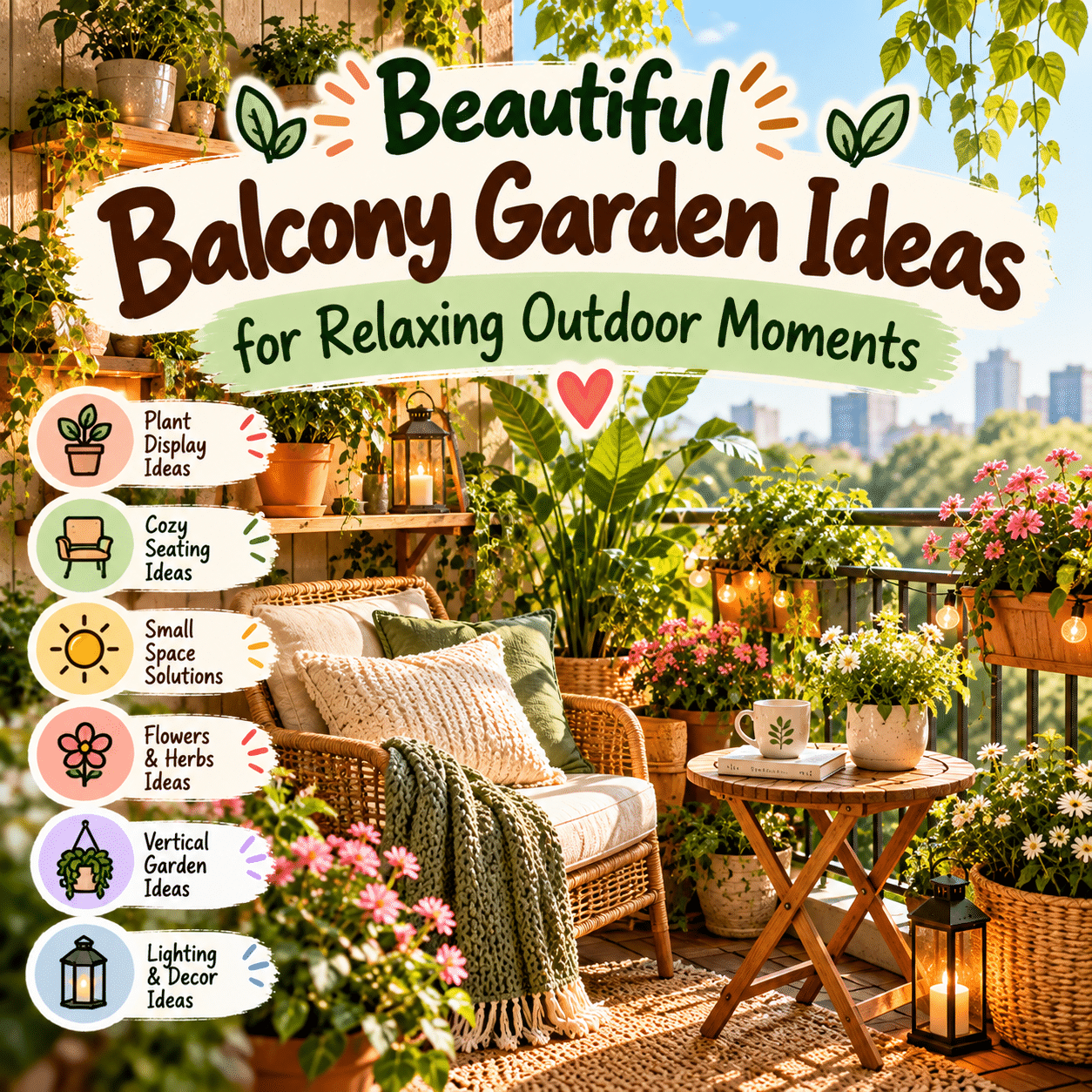
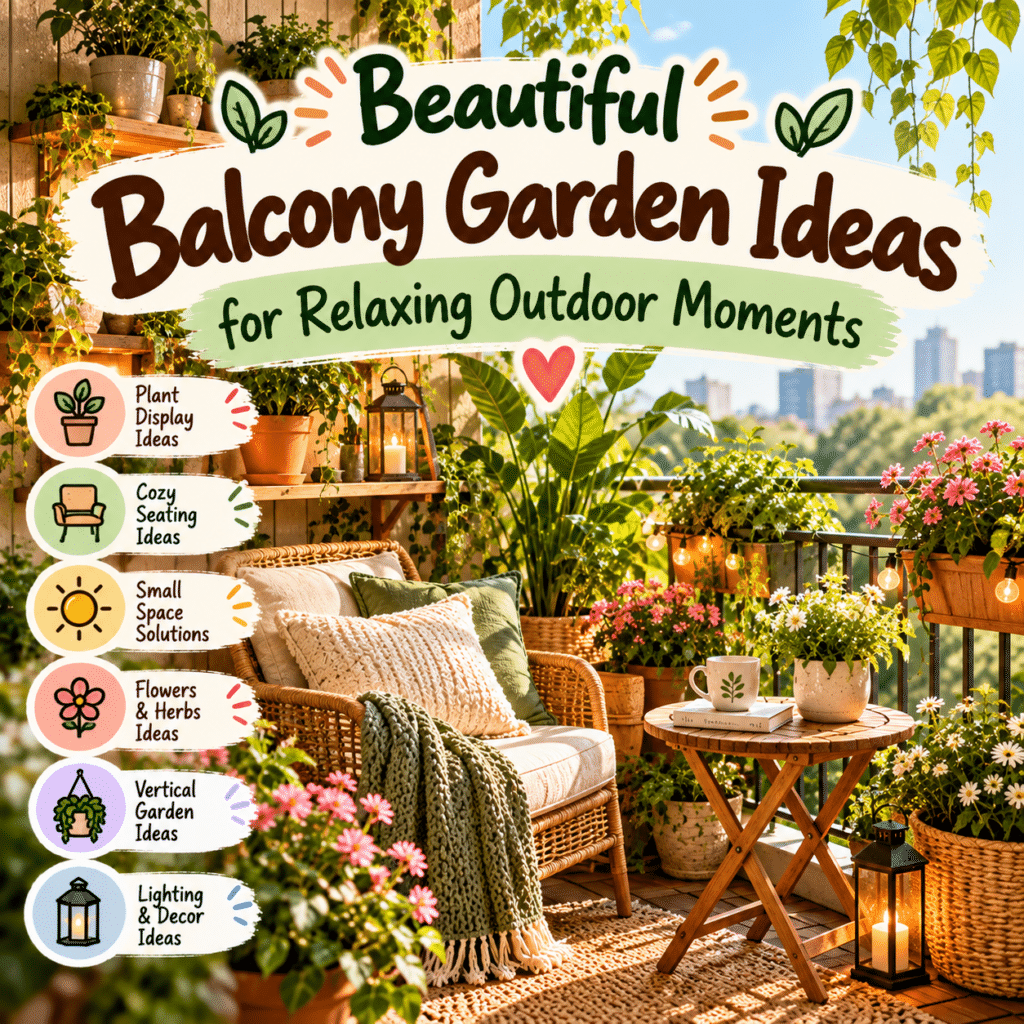
A beautiful balcony garden can transform even the smallest outdoor space into a welcoming retreat. Whether you live in a compact city apartment, a modern condominium, or a home with a narrow balcony, thoughtful greenery and comfortable furnishings can create a peaceful setting for enjoying fresh air, morning coffee, quiet reading, or a relaxing evening.
Balcony gardens offer a unique opportunity to connect with nature without needing a traditional backyard. A collection of potted plants, a comfortable chair, gentle lighting, and a few carefully chosen decorative elements can turn an ordinary balcony into a personal outdoor sanctuary.
The most appealing balcony gardens are not necessarily the largest or most elaborate. Their charm often comes from thoughtful arrangements, natural textures, harmonious colors, and practical details that make the space enjoyable throughout the year.
However, creating a successful balcony garden requires more than choosing attractive plants and furniture. Sun exposure, wind, drainage, available floor space, structural load limits, and local weather conditions all influence how a balcony should be designed.
A sunny balcony may be suitable for flowering plants and certain herbs, while a shaded balcony may benefit from foliage varieties adapted to lower light. A narrow balcony might work best with compact furniture and vertical greenery, while a larger outdoor area may accommodate separate seating and planting zones.
The goal is to balance beauty, comfort, and everyday practicality.
This guide explores creative balcony garden ideas for different spaces and decorating styles, including cozy seating arrangements, vertical plant displays, container gardens, privacy solutions, outdoor lighting, natural materials, and low-maintenance landscaping ideas.
Whether you want a lush green hideaway, a charming café-inspired corner, or a minimalist outdoor retreat, these ideas can help you create a balcony garden that makes everyday outdoor moments feel more special.
1. Begin With a Vision for Your Balcony Garden
Before purchasing plants, furniture, or decorations, consider how you want to use your balcony.
A clear purpose helps guide your design choices and prevents the space from becoming overcrowded.
Imagine Your Ideal Outdoor Experience
Think about the moments you would most enjoy spending outside.
Your balcony might become:
- A peaceful morning coffee corner.
- A cozy outdoor reading nook.
- A small garden filled with greenery.
- A relaxing place to enjoy evening air.
- A compact herb garden.
- A charming breakfast spot.
- A nature-inspired meditation area.
- A comfortable outdoor workspace.
- A colorful flowering garden.
- A quiet retreat from a busy day.
You can combine several purposes, but small balconies often benefit from one primary function.
Choose an Atmosphere That Reflects Your Style
Some people prefer a lush tropical garden with abundant foliage.
Others enjoy a minimalist setting with simple planters, neutral colors, and clean furniture lines.
A romantic balcony might feature flowering plants, soft cushions, and warm lighting.
A modern balcony may emphasize architectural plants, coordinated containers, and streamlined furnishings.
Prioritize Everyday Comfort
A beautiful balcony should be practical enough to use regularly.
Make sure there is comfortable seating, sufficient room to move, and convenient access to plants.
A thoughtfully arranged space is more enjoyable than one filled with decorations but difficult to navigate.
2. Evaluate Your Balcony Before Decorating
Understanding the physical conditions of your balcony is essential for both plant health and safety.
Measure the Available Space
Record the balcony’s width, depth, and usable floor area.
Consider door clearance, railings, drainage outlets, and any permanently installed equipment.
Observe Sun Exposure
Notice when sunlight reaches the balcony.
A balcony receiving strong afternoon sun has different growing conditions from one shaded by nearby buildings.
Consider Wind Exposure
Elevated balconies may experience stronger or more turbulent winds than ground-level gardens.
Choose stable containers and suitable plants.
Check Drainage
Outdoor plants need appropriate drainage, but water must not accumulate or flow into neighboring properties.
Keep existing drains clear.
Confirm Structural Load Limits
Large planters, wet potting mix, water-filled containers, furniture, and people all contribute to balcony loading.
Before installing heavy features, consult building management or a qualified professional about allowable loads.
Review Building Rules
Some apartments and condominiums restrict hanging planters, exterior attachments, privacy screens, or structural modifications.
Check applicable regulations before installation.
3. Create a Cozy Balcony Seating Corner
Comfortable seating can transform a balcony from a decorative space into a place you genuinely enjoy using.
Choose Compact Outdoor Chairs
For a small balcony, one or two lightweight chairs may provide enough seating.
Look for materials designed for outdoor conditions.
Try a Small Bistro Set
A compact table and two chairs can create a charming café-inspired atmosphere.
This arrangement works particularly well for morning coffee or casual conversations.
Consider a Comfortable Outdoor Bench
A bench may provide seating along a wall while preserving the central walkway.
Choose a stable design appropriate for the balcony’s dimensions.
Add Weather-Appropriate Cushions
Outdoor cushions can introduce color and comfort.
Choose materials suited to the local climate and store them appropriately during severe weather.
Include a Small Side Table
A side table provides a convenient surface for drinks, books, or small accessories.
Preserve Movement Space
Furniture should not obstruct the balcony door, drainage, or required access.
4. Design a Beautiful Balcony Garden With Potted Plants
Container gardening is one of the most flexible ways to introduce greenery to a balcony.
Pots allow you to experiment with different arrangements without creating permanent planting beds.
Start With a Few Well-Chosen Plants
Choose plants suited to the available sunlight, temperature, and wind conditions.
Begin with a manageable collection before expanding.
Combine Different Plant Heights
A taller plant can become a focal point, while medium and smaller plants create supporting layers.
Mix Leaf Shapes
Broad leaves, delicate foliage, upright forms, and trailing plants can create visual variety.
Coordinate Planter Colors
Containers in related shades can make the arrangement feel cohesive.
Allow Room for Growth
Plants may become considerably larger over time.
Avoid placing them too close to furniture or railings.
Keep Maintenance Convenient
Arrange containers so every plant can be watered, inspected, and pruned safely.
5. Explore Vertical Balcony Garden Ideas
Vertical gardening is especially useful when floor space is limited.
It introduces greenery at different heights while preserving room for seating.
Use a Freestanding Plant Shelf
A narrow outdoor shelving unit can hold several small containers.
Choose a weather-resistant design and secure it against tipping where appropriate.
Try a Tiered Plant Stand
A tiered stand can create a layered display.
Place heavier containers on lower levels.
Consider Wall-Mounted Planters
Wall-mounted planters may work where building rules and wall construction permit secure installation.
Create a Vertical Herb Display
A compact vertical arrangement can hold suitable herbs when each receives adequate light and water.
Add Trailing Plants
Trailing foliage can soften the appearance of shelves and walls.
Prioritize Safety
Never assume a railing or exterior wall can support heavy containers without verification.
Keep planters securely within permitted areas and avoid falling-object hazards.
6. Create a Lush Tropical Balcony Retreat
A tropical-inspired balcony can feel vibrant and inviting.
Large leaves, layered greenery, and natural textures help establish this style.
Choose Bold Foliage
Look for plants with distinctive leaf shapes that suit the balcony’s conditions.
Some tropical foliage plants require protection from intense direct sun or strong wind.
Layer Different Heights
Combine taller foliage plants with compact varieties.
Introduce Natural-Look Containers
Terracotta, ceramic, and suitable woven-look decorative planters can complement tropical greenery.
Add Warm Wood Tones
Outdoor-rated wooden furniture or wood-look accessories can reinforce the natural atmosphere.
Use Soft Neutral Textiles
Cream, beige, and muted green cushions can balance abundant foliage.
Avoid Excessive Crowding
Dense greenery should not interfere with airflow, access, or plant maintenance.
7. Create a Minimalist Balcony Garden
A minimalist balcony emphasizes simplicity, thoughtful placement, and practical comfort.
It can be particularly effective in compact apartments.
Choose a Limited Plant Collection
A few well-positioned plants may provide more visual impact than many small containers.
Use Coordinated Planters
Simple containers in neutral colors create a unified appearance.
Select Streamlined Furniture
Choose compact chairs and tables with uncomplicated shapes.
Preserve Open Floor Space
Avoid filling every corner.
Introduce One Focal Element
A distinctive plant, comfortable chair, or elegant outdoor lantern can anchor the design.
Keep Accessories Intentional
Minimalism does not mean eliminating personality.
Choose decorative details that genuinely contribute to the atmosphere.
8. Build a Charming Café-Inspired Balcony
A café-inspired balcony can turn a small outdoor area into a delightful place for coffee, tea, or a quiet breakfast.
Start With a Bistro Table
A small round table can fit comfortably in many compact spaces.
Add Two Coordinated Chairs
Choose foldable chairs if flexibility is important.
Introduce Flowering Plants
A few colorful flowers can create a welcoming atmosphere when suited to the available light.
Use a Simple Table Arrangement
A small vase or suitable potted plant can serve as a centerpiece.
Add Gentle Lighting
Outdoor-rated lighting can make the area enjoyable in the evening.
Keep the Setup Practical
Leave enough room for comfortable seating and movement.
9. Make a Small Balcony Feel More Spacious
Thoughtful layout choices can make a compact balcony feel less crowded.
Choose Appropriately Sized Furniture
Oversized furniture may dominate the available space.
Use Vertical Greenery
Shelves and stands can provide planting space without consuming much of the floor.
Select a Cohesive Color Palette
Repeating a few colors can create visual continuity.
Use Foldable Furniture
Folding chairs and tables may provide flexibility.
Avoid Too Many Decorative Objects
A limited number of meaningful accessories often creates a cleaner appearance.
Keep the Floor Organized
Store gardening tools and unused containers appropriately.
Preserve Clear Sightlines
Avoid unnecessarily blocking attractive outdoor views.
10. Create a Balcony Herb Garden
A small herb garden can combine decorative greenery with everyday culinary use.
Choose Herbs Based on Sunlight
Many culinary herbs require substantial sunlight.
Basil, rosemary, thyme, mint, and parsley have different growing requirements.
Use Individual Containers
Separate pots allow you to adjust watering and soil conditions for different herbs.
Place Herbs Where They Are Accessible
A convenient location makes harvesting and care easier.
Label Your Plants
Simple labels can help identify different varieties.
Provide Appropriate Drainage
Use containers suited to the plants and prevent water from accumulating on the balcony.
Harvest Responsibly
Avoid removing too much foliage at once.
Consider Food Safety
Use appropriate gardening products for edible plants and avoid contamination from unsuitable materials.
11. Add Color With Balcony Flowers
Flowering plants can make an outdoor space feel cheerful and inviting.
Choose Flowers for the Climate
Select varieties suited to local temperatures, sunlight, and seasonal conditions.
Combine Complementary Colors
A limited palette can create visual harmony.
Mix Flowers With Foliage
Green plants provide a natural backdrop for colorful blooms.
Use Containers of Different Heights
Varying elevations can make the display more dynamic.
Consider Flowering Seasons
Some plants bloom during particular periods rather than continuously.
Maintain Flowers Regularly
Water, feed, and remove spent blooms according to each plant’s needs.
Avoid Overcrowding
Provide enough room for healthy growth.
12. Create a Peaceful Balcony Reading Nook
A balcony can become a charming place to enjoy books and quiet moments.
Choose Comfortable Seating
A compact outdoor armchair or suitable bench may work well.
Add a Small Side Table
Keep a book, drink, or reading glasses within reach.
Introduce Greenery
A few plants can soften the surrounding space.
Consider Shade
Strong direct sunlight may make reading uncomfortable.
Use appropriate shading where permitted.
Add Cushions
Weather-resistant cushions can provide extra comfort.
Provide Evening Lighting
Choose suitable outdoor-rated lighting for reading after sunset.
Protect Books
Avoid leaving books outdoors where moisture, sunlight, or wind may damage them.
13. Design a Balcony for Morning Coffee
A balcony coffee corner can make an ordinary daily routine feel more enjoyable.
Position Seating Near a Pleasant View
Arrange chairs to take advantage of the surrounding scenery when possible.
Choose a Stable Table
A compact table should comfortably hold drinks and small essentials.
Add a Few Plants
Greenery can provide a natural backdrop.
Introduce Soft Textures
Outdoor cushions can make seating more inviting.
Keep the Space Uncluttered
A simple arrangement is often easier to maintain.
Consider Morning Sun
Observe whether the balcony receives comfortable light during the hours you plan to use it.
14. Create a Relaxing Evening Balcony Atmosphere
A balcony can become a pleasant place to unwind after a busy day.
Use Warm Outdoor Lighting
Soft lighting can create an inviting atmosphere.
Add Comfortable Seating
Choose furniture that supports relaxed sitting.
Introduce Natural Textures
Outdoor-rated wood, woven-look materials, and suitable textiles can add warmth.
Keep the Arrangement Simple
A few plants and decorative accessories may be enough.
Consider Privacy
Use permitted screens or plant arrangements to reduce unwanted visibility.
Manage Insects
Avoid standing water in planters and trays.
Use appropriate household insect-prevention measures.
Respect Neighbors
Keep lighting and noise at considerate levels.
15. Use Outdoor Lighting to Enhance Your Balcony Garden
Lighting can make a balcony more functional and attractive after sunset.
Outdoor String Lights
String lights can create a festive or cozy atmosphere.
Use products rated for outdoor conditions.
Solar-Powered Lights
Solar lighting may be convenient where sufficient sunlight is available for charging.
Performance varies with exposure and weather.
Rechargeable Outdoor Lanterns
Portable lanterns can provide flexible illumination.
Wall-Mounted Fixtures
Permanent fixtures may be suitable where installation is permitted.
Task Lighting
A reading or dining area may require more focused illumination.
Prioritize Electrical Safety
Use outdoor-rated electrical equipment and suitable weather-protected connections.
Avoid damaged cords, overloaded outlets, and unsafe installations.
Consider Fire Safety
Battery-operated lighting is generally a more practical decorative choice than open flames on small balconies.
16. Add Privacy Without Making the Balcony Feel Closed In
Privacy can make an outdoor retreat more comfortable.
However, privacy features must respect building regulations, airflow, and structural safety.
Use Tall Plants
Suitable plants can provide partial visual screening.
Choose stable containers and account for wind exposure.
Consider Outdoor Privacy Screens
Freestanding or attached screens may be useful where permitted.
Explore Outdoor Curtains
Weather-appropriate curtains can soften the appearance of a balcony.
They require secure installation and careful management in windy conditions.
Try Decorative Panels
Suitable panels can provide visual interest.
Preserve Ventilation
Avoid enclosing the balcony in ways that create unsafe conditions or violate building rules.
Keep the Design Balanced
Privacy should not eliminate every view or source of daylight.
17. Decorate With Natural Materials
Natural textures can make a balcony garden feel warm and welcoming.
Outdoor Wood Furniture
Wooden furniture can complement greenery.
Choose materials and finishes suited to outdoor exposure.
Terracotta Planters
Terracotta adds an earthy appearance.
Its porous nature may influence watering needs.
Ceramic Containers
Ceramic planters offer a wide range of colors and finishes.
Woven-Look Accessories
Outdoor-rated woven-look furniture and baskets can introduce texture.
Stone-Inspired Decor
Small decorative objects can provide visual contrast.
Consider Durability
Not every natural material tolerates rain, humidity, or strong sunlight.
Choose products appropriate for the balcony’s conditions.
18. Add an Outdoor Rug for a Cozy Foundation
A rug can help define a balcony seating area.
Choose an Outdoor-Rated Rug
Look for materials designed to withstand outdoor conditions.
Select the Right Size
A rug should complement the furniture without overwhelming the floor.
Coordinate Colors
Neutral shades can create a calm foundation, while patterns may add personality.
Prevent Slipping
Use a suitable slip-resistant arrangement.
Avoid Trapping Moisture
Some balcony surfaces require unobstructed drainage and drying.
Choose a rug that can be lifted and cleaned easily.
Keep Maintenance Simple
Clean and dry the rug according to manufacturer instructions.
19. Create a Balcony Garden With a Natural Color Palette
Color helps establish the atmosphere of an outdoor retreat.
Green and Cream
A classic combination that feels bright and natural.
Green and Terracotta
Earthy warmth complements foliage.
Green and Natural Wood
Wood tones create a relaxed outdoor appearance.
White and Soft Blue
A light palette can evoke a coastal atmosphere.
Sage Green and Beige
Muted colors create a gentle, coordinated look.
Charcoal and Green
Dark planters or furniture can provide modern contrast.
Choose a Cohesive Scheme
A few complementary colors usually work better than numerous competing shades in a small space.
20. Design a Mediterranean-Inspired Balcony
Mediterranean-inspired balcony decor often combines warm colors, simple furniture, and distinctive containers.
Use Terracotta Pots
Terracotta provides a traditional earthy appearance.
Introduce Warm Neutral Colors
Cream, sand, and muted brown can create a sunlit atmosphere.
Choose Suitable Herbs
Rosemary, thyme, and other Mediterranean herbs may work where sunlight and growing conditions are appropriate.
Add Simple Outdoor Furniture
A compact metal or wooden bistro set can complement the style.
Include Decorative Ceramics
Ceramic accessories can introduce pattern and color.
Consider the Local Climate
Plants associated with Mediterranean landscapes may not thrive in every climate.
Choose varieties suited to your actual balcony conditions.
21. Create a Japanese-Inspired Balcony Retreat
A Japanese-inspired balcony can emphasize simplicity, natural materials, and carefully considered arrangements.
Use a Restrained Plant Collection
Choose a few plants with distinctive forms.
Introduce Natural Textures
Wood, stone-look ceramics, and neutral containers can create a balanced appearance.
Focus on Composition
Consider the relationship between plant shapes, containers, and open space.
Add a Small Decorative Feature
A simple lantern or carefully chosen ornament may complement the setting.
Avoid Excessive Decoration
Allow individual elements to stand out.
Prioritize Authenticity and Respect
Draw inspiration from broad design principles without assuming every traditional Japanese garden feature is suitable for a balcony.
22. Make a Balcony Feel Like a Mini Outdoor Living Room
A larger balcony may accommodate a compact lounge arrangement.
Choose a Small Outdoor Sofa
Select furniture that fits without restricting movement.
Add a Coffee Table
A low table can support drinks and small accessories.
Introduce Layered Greenery
Use plants around the seating area to soften the arrangement.
Add Weather-Resistant Cushions
Textiles can make the space more comfortable.
Use Outdoor Lighting
Gentle lighting can extend the balcony’s usefulness into the evening.
Keep the Layout Flexible
Avoid permanently filling every available area.
23. Create a Balcony Garden With Limited Maintenance
A low-maintenance balcony can still be attractive.
The key is choosing plants and materials suited to your environment.
Select Appropriate Plants
Choose varieties that match the available light, wind, and temperature.
Use Suitable Containers
Adequate drainage and appropriate pot sizes can support healthier plants.
Group Plants by Care Needs
Plants requiring similar watering and light conditions may be easier to manage together.
Avoid Overly Complicated Displays
A few larger containers may be simpler to care for than numerous tiny pots.
Choose Durable Furniture
Outdoor-rated materials can reduce maintenance demands.
Consider Self-Watering Planters
Some self-watering systems can help manage moisture, but they still require monitoring and appropriate use.
Establish a Simple Routine
Inspect plants regularly and adjust care based on their condition.
24. Make Your Balcony Garden More Sustainable
Thoughtful balcony gardening can reduce unnecessary purchases and encourage responsible use of resources.
Reuse Suitable Containers
Existing pots may be repurposed when they are structurally sound and appropriate for planting.
Choose Durable Materials
Long-lasting furniture and planters can reduce replacement needs.
Water Thoughtfully
Check plant moisture requirements before watering.
Use Appropriate Potting Mix
Choose growing media suited to container plants.
Avoid Unnecessary Fertilizer
Follow plant-specific needs and product instructions.
Consider Local Plant Options
Plants adapted to the local climate may require less intervention.
However, suitability still depends on container conditions and exposure.
Compost Only Where Practical
Small-scale composting may be possible in some homes, but it requires suitable space, management, and compliance with building rules.
25. Create a Balcony Garden for Different Weather Conditions
Balcony gardens experience changing environmental conditions.
Planning for local weather can help protect plants and furniture.
Strong Sunlight
Use plants suited to high light exposure and consider permitted shade solutions.
Heavy Rain
Ensure drainage remains unobstructed.
Protect furniture and accessories not designed for prolonged rain exposure.
Strong Wind
Secure lightweight furniture and planters.
Move vulnerable objects to safer locations before severe weather.
Hot Conditions
Monitor soil moisture and avoid placing heat-sensitive plants in unsuitable locations.
Cooler Weather
Choose plants appropriate for seasonal temperatures.
Humid Conditions
Maintain airflow and monitor plants for fungal problems.
Severe Weather
Follow local warnings and building guidance.
Do not leave unsecured objects where they could fall or become airborne.
26. Use Balcony Railings Carefully in Garden Design
Balcony railings can visually frame a garden, but they are also essential safety features.
Avoid Unapproved Attachments
Do not attach planters or structures without confirming that the railing and building rules permit them.
Consider Interior Placement
Placing suitable planters on the balcony floor, inside the railing, may be safer than suspending them externally.
Keep Railings Functional
Do not obstruct their protective purpose.
Account for Wind
Elevated planters may experience strong wind forces.
Consider Children and Pets
Avoid arrangements that create climbing opportunities near railings.
Prioritize Safety Over Appearance
A beautiful display should never compromise fall protection or create falling-object hazards.
27. Create a Pet-Conscious Balcony Garden
Households with pets need additional precautions.
Verify Plant Toxicity
Some ornamental plants can be harmful if chewed or ingested.
Choose species appropriate for your pets.
Secure the Balcony
Do not assume ordinary railings or screens prevent pets from falling or escaping.
Use appropriate, professionally assessed protective solutions where needed and permitted.
Avoid Climbing Hazards
Keep furniture and planters away from locations where pets could climb toward railings.
Store Gardening Products Safely
Fertilizers, pesticides, and tools should remain inaccessible.
Provide Shade and Water
Pets should not be left exposed to unsafe heat or weather conditions.
Supervise Outdoor Access
A decorative balcony garden is not automatically a safe unsupervised pet area.
28. Balcony Garden Ideas for Different Sizes
The best design depends on the available space and its practical limitations.
| Balcony Type | Suggested Garden Idea | Main Priority |
|---|---|---|
| Very narrow balcony | Compact chair and vertical greenery | Preserve walking space |
| Small apartment balcony | Bistro table with potted plants | Combine comfort and function |
| Sunny balcony | Suitable flowering plants and herbs | Manage heat and watering |
| Shaded balcony | Shade-tolerant foliage plants | Match light requirements |
| Windy balcony | Stable planters and compact furniture | Prevent tipping and falling objects |
| Covered balcony | Cozy seating and suitable greenery | Evaluate actual light exposure |
| Larger balcony | Separate seating and planting zones | Maintain safe loading and access |
| Urban balcony | Privacy planting and soft lighting | Balance privacy with airflow |
| Minimalist balcony | Few statement plants and simple furniture | Preserve open space |
| Tropical-inspired balcony | Layered foliage and natural textures | Provide suitable plant care |
These ideas can be adapted to the balcony’s dimensions, climate, and building requirements.
29. Common Balcony Garden Mistakes to Avoid
A beautiful balcony garden should remain safe, functional, and manageable.
Choosing Plants Based Only on Appearance
Plants must suit the available light, temperature, and wind exposure.
Overcrowding the Balcony
Too many containers can reduce comfort and create maintenance problems.
Ignoring Weight Limits
Large planters and wet growing media can be surprisingly heavy.
Using Unstable Furniture
Outdoor furniture must remain secure under expected conditions.
Blocking Drainage
Water accumulation can damage surfaces and create hazards.
Hanging Planters Unsafely
Unsecured containers can fall and injure people below.
Forgetting About Wind
Lightweight decorations may become dangerous in strong winds.
Choosing Indoor-Only Accessories
Some materials deteriorate quickly outdoors.
Ignoring Plant Toxicity
Pets and children may be exposed to harmful plants or gardening products.
Making Maintenance Difficult
A garden should be easy to water, clean, and inspect.
Overlooking Building Rules
Unapproved modifications can create safety and compliance problems.
30. A Step-by-Step Balcony Garden Makeover
A gradual approach can help you create an attractive outdoor retreat without unnecessary purchases.
Step 1: Measure Your Balcony
Record usable dimensions and identify doors, drains, railings, and other fixed features.
Step 2: Check Safety Requirements
Confirm building rules, structural load limits, and permitted installations.
Step 3: Observe Environmental Conditions
Evaluate sunlight, wind, rain exposure, and temperature.
Step 4: Define Your Main Purpose
Decide whether the balcony will primarily support gardening, relaxation, dining, or a combination.
Step 5: Choose a Layout
Position seating and plants while preserving safe movement.
Step 6: Select Suitable Plants
Choose varieties appropriate for the environment and your care routine.
Step 7: Add Containers and Supports
Use stable planters and properly installed structures.
Step 8: Introduce Comfortable Furniture
Choose outdoor-rated pieces that fit the available space.
Step 9: Add Decorative Details
Consider lighting, cushions, rugs, and coordinated colors.
Step 10: Test the Arrangement
Spend time using the balcony and adjust the layout for comfort.
Step 11: Establish a Maintenance Routine
Monitor plants, clean surfaces, and inspect equipment.
Step 12: Adapt Over Time
Allow the garden to evolve with seasonal conditions and personal preferences.
31. Balcony Garden Design Checklist
Use this checklist before completing your outdoor retreat.
Safety and Structure
- Balcony load limits have been considered.
- Building rules have been reviewed.
- Railings remain fully functional.
- Planters and furniture are stable.
- No objects create falling hazards.
- Drainage outlets remain clear.
- Doors and walkways are unobstructed.
Plant Selection
- Plants match available sunlight.
- Wind exposure has been considered.
- Containers provide suitable drainage.
- Plants have enough room to grow.
- Plant safety has been checked for children and pets.
Comfort and Furniture
- Seating is comfortable.
- Furniture is appropriately sized.
- Materials are suitable for outdoor use.
- Shade is available when needed.
- The layout supports relaxing activities.
Decoration and Atmosphere
- Planters complement the overall style.
- The color palette feels cohesive.
- Lighting is suitable for outdoor conditions.
- Decorative accessories do not overcrowd the space.
- Privacy features are safe and permitted.
Long-Term Maintenance
- Every plant is accessible for care.
- Watering can be managed without creating drainage problems.
- Furniture is easy to clean.
- The garden can be secured during severe weather.
- The arrangement remains enjoyable to use.
Frequently Asked Questions About Balcony Gardens
1. How can I make a small balcony look beautiful?
Start with a clear design purpose and a cohesive color palette.
Choose compact furniture, a few suitable plants, and practical containers.
Vertical greenery, warm outdoor lighting, and simple textiles can create an inviting atmosphere without overcrowding the space.
2. What plants are best for a balcony garden?
The best plants depend on sunlight, wind exposure, temperature, and maintenance preferences.
Some balconies support flowering plants and herbs, while others are better suited to foliage varieties.
Choose plants based on actual growing conditions rather than appearance alone.
3. How can I create a balcony garden without taking up much floor space?
Use narrow plant stands, suitable shelves, and securely installed vertical displays where permitted.
Keep large containers limited and preserve comfortable walking space.
4. How can I make my balcony feel cozy?
Add comfortable outdoor seating, a small table, coordinated planters, and weather-appropriate cushions.
Warm lighting and natural textures can create a welcoming atmosphere.
Avoid excessive decoration.
5. Can I grow herbs on an apartment balcony?
Yes, provided the balcony offers suitable growing conditions.
Many culinary herbs require substantial sunlight and appropriate drainage.
Choose varieties suited to the local climate and container environment.
6. How do I decorate a balcony on a budget?
Begin with existing furniture and suitable containers.
Add a few plants, reuse durable accessories, and introduce simple decorative details gradually.
Prioritize safety, comfort, and plant suitability before purchasing additional items.
7. How can I add privacy to my balcony?
Suitable plants, permitted screens, or outdoor curtains may provide partial privacy.
Any installation should comply with building rules and remain secure in windy conditions.
Avoid blocking ventilation or required access.
8. Are hanging planters safe for balconies?
Hanging planters may be appropriate when installed using suitable structural supports and permitted by building rules.
Avoid attaching heavy containers to unverified railings or exterior surfaces.
Prevent falling-object hazards.
9. How can I maintain a balcony garden during hot weather?
Choose heat-tolerant plants, monitor soil moisture, and provide suitable shade where necessary.
Water according to individual plant needs.
Strong sun and wind can increase moisture loss from containers.
10. How can I make my balcony enjoyable in the evening?
Use comfortable seating and appropriate outdoor-rated lighting.
A few plants and natural textures can create a relaxing atmosphere.
Consider privacy, insects, weather, and neighborhood noise.
11. Can I create a balcony garden in a high-rise apartment?
Yes, but high-rise balconies may experience significant wind exposure and have specific structural and building restrictions.
Use stable containers, avoid unsecured objects, and confirm permitted installations.
12. How many plants should I put on a small balcony?
There is no ideal number.
The appropriate quantity depends on available space, structural capacity, sunlight, and maintenance requirements.
A few well-positioned plants may create a more comfortable garden than a crowded collection.
Conclusion: Turn Your Balcony Into a Beautiful Everyday Retreat
A balcony garden is more than a collection of potted plants. It is an opportunity to create a personal outdoor space where greenery, comfort, and thoughtful design come together.
Whether you imagine a peaceful reading corner, a charming café-inspired setting, a colorful flower display, or a lush tropical retreat, the most successful balcony gardens begin with understanding the space itself.
Sunlight, wind, drainage, structural limits, and available room should guide the selection of plants, furniture, and decorative accessories.
Once these practical foundations are addressed, creativity can shape the atmosphere.
A comfortable chair, a few healthy plants, coordinated containers, and gentle lighting may be all you need to transform an ordinary balcony into a welcoming destination.
You do not need a large outdoor area or an elaborate landscaping project to enjoy the beauty of a garden. Even a narrow balcony can become a meaningful retreat when every element is chosen with care.
Start with a simple arrangement, allow the plants to grow, and adjust the design as your needs evolve.
With thoughtful planning and consistent maintenance, your balcony can become a beautiful extension of your home—a peaceful place to enjoy fresh air, appreciate nature, and find relaxing outdoor moments throughout everyday life.