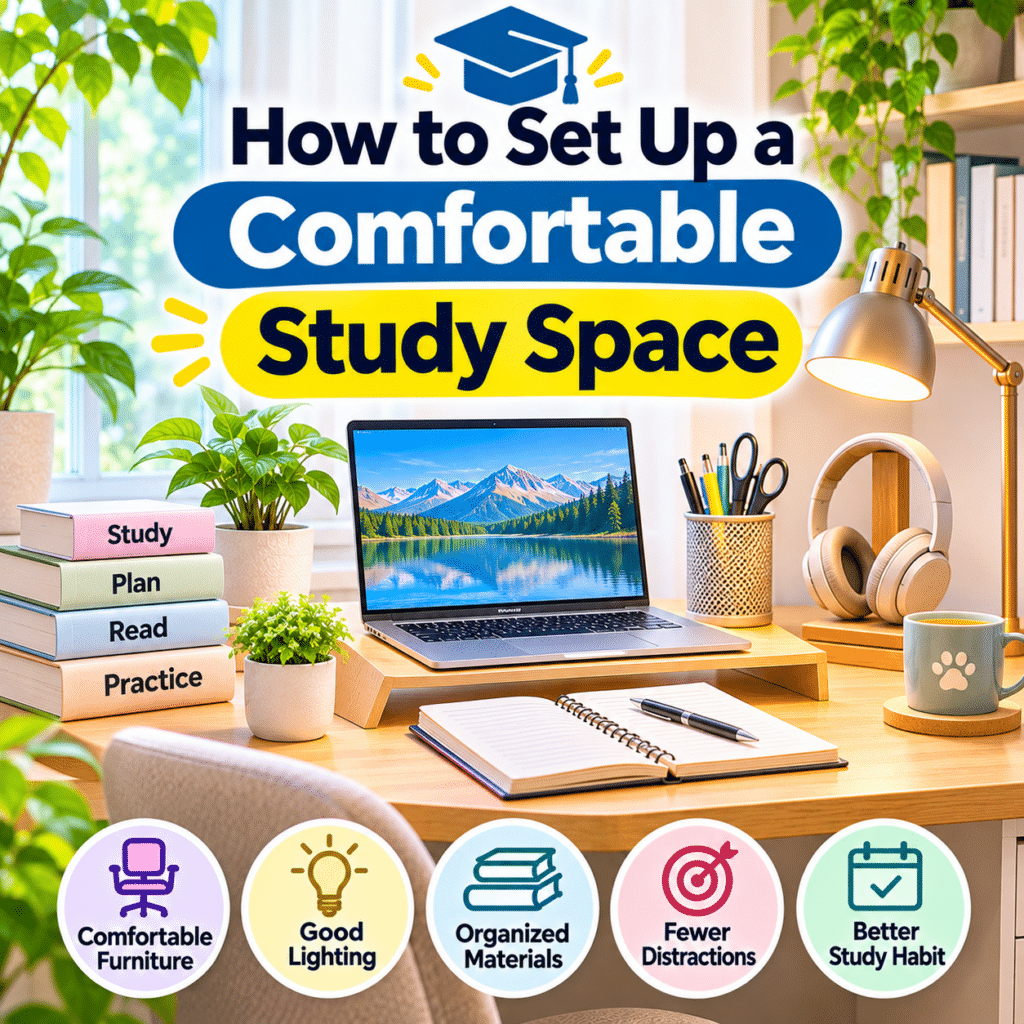
There is something wonderfully comforting about having a special place dedicated to reading. A quiet corner with a comfortable chair, gentle lighting, and a favorite book can become a welcome retreat from everyday distractions. Whether you enjoy novels, biographies, poetry, travel writing, or simply spending a few peaceful moments with a magazine, a thoughtfully designed reading nook can make the experience even more enjoyable.
A reading nook does not need to occupy an entire room or require an elaborate home library. Some of the most inviting reading spaces are created in overlooked corners, beside sunny windows, beneath staircases, or within cozy bedrooms. With a little creativity, even a compact apartment can accommodate a personal reading retreat.
The beauty of a reading nook lies in its ability to combine comfort, functionality, and personal expression. Soft furnishings, practical book storage, appropriate lighting, and meaningful decorative details can transform an ordinary area into a place that encourages relaxation and imagination.
However, a beautiful reading nook should offer more than visual appeal. It should support comfortable seating, provide enough light for reading, and make favorite books easy to access. The best designs balance atmosphere with everyday practicality.
This guide explores creative reading nook ideas for book lovers, including cozy seating arrangements, space-saving solutions, different decorating styles, lighting techniques, and thoughtful ways to organize books. Whether you dream of a peaceful window seat, a charming bookshelf corner, or a nature-inspired retreat, these ideas can help you create a reading space that feels uniquely yours.

1. Begin With the Feeling You Want Your Reading Nook to Create
Before choosing furniture or decorations, think about the atmosphere you want to experience when reading.
A reading nook is a personal space, and different readers find comfort in different environments.
Some prefer a bright, airy corner filled with daylight. Others enjoy warm lighting, rich colors, and the feeling of being surrounded by books.
Imagine Your Ideal Reading Experience
Consider when and how you usually read.
Do you enjoy a few chapters with morning coffee? Do you prefer reading quietly before bedtime? Are you someone who spends entire afternoons immersed in a novel?
Your habits can guide your design choices.
For example:
- Morning readers: A bright window-side nook may feel especially welcoming.
- Evening readers: Adjustable task lighting and a cozy chair may be more important.
- Weekend readers: A spacious armchair with a footrest can support longer reading sessions.
- Casual readers: A compact corner with a comfortable cushion may be sufficient.
- Families: A shared reading area may benefit from accessible shelves and flexible seating.
- Creative readers: A nearby notebook or small writing surface can provide space for reflections and ideas.
Choose an Atmosphere That Reflects Your Personality
Your reading nook might feel like a peaceful library, a charming countryside cottage, a minimalist retreat, or a colorful creative corner.
There is no single correct style.
The most inviting reading spaces reflect the interests and preferences of the people who use them.
Prioritize Comfort Over Perfection
A perfectly styled chair surrounded by decorative objects may look attractive, but it will not become a favorite reading spot if the seating is uncomfortable or the lighting is inadequate.
Start with practical comfort.
Decorative details can follow naturally.
2. Find the Perfect Location for Your Reading Nook
The location of a reading nook can influence how frequently and comfortably you use it.
Look for an area that offers reasonable privacy, suitable lighting, and enough room for comfortable seating.
A Quiet Living Room Corner
A living room corner is one of the most accessible locations for a reading nook.
Place a comfortable chair beside a bookshelf, near a window, or in an underused area away from the television.
A small rug and dedicated lamp can help distinguish the reading space from the rest of the room.
Choose furniture that complements the existing interior so the nook feels like a natural extension of your home.
A Peaceful Bedroom Retreat
Bedrooms often provide a quieter environment for reading.
An armchair near a window, a small bench, or a carefully arranged corner can become a relaxing retreat.
Soft colors and warm lighting may help the space feel restful.
If you frequently read before sleeping, choose lighting that provides sufficient visibility without illuminating the entire room unnecessarily.
A Window-Side Reading Spot
A window can make a reading nook feel bright and connected to the outdoors.
A chair positioned beside a window offers natural light and potentially a pleasant view.
Consider adjustable curtains or blinds to manage glare and strong sunlight.
An Underused Alcove
Architectural recesses can become charming reading spaces.
A compact chair, narrow bookshelf, and wall-mounted light may be enough to transform an alcove.
Measure the available dimensions carefully and avoid overcrowding the area.
A Dedicated Home Library Corner
If you already have bookshelves or a home office, consider adding a comfortable reading chair nearby.
This arrangement creates a natural connection between book storage and reading.
It can also provide an alternative to sitting at a desk.
3. Choose a Comfortable Reading Chair
Seating is often the most important element of a reading nook.
A chair should support your body comfortably while allowing you to change positions naturally.
Consider an Upholstered Armchair
An upholstered armchair is a classic reading nook choice.
Look for a supportive backrest, suitable seat depth, and comfortable armrests.
A chair with generous cushioning may feel inviting, but excessive softness can make it difficult to maintain a comfortable position.
Try a Wingback Chair
Wingback chairs offer a traditional appearance and can create a sense of enclosure.
They work particularly well in classic, vintage-inspired, or cozy interiors.
Choose a size appropriate for the available space.
Explore Lounge Chairs
A lounge chair can provide a relaxed seating position.
Some designs work well with matching ottomans.
However, a deeply reclined chair may not be comfortable for every reading activity.
Consider a Rocking Chair
A rocking chair can add gentle movement to a reading space.
Choose a stable design with sufficient clearance for safe movement.
Avoid positioning it where it could strike nearby furniture or walls.
Use a Compact Accent Chair
Small rooms may benefit from a compact upholstered chair.
A smaller chair can still be comfortable when its dimensions suit the user.
Test Seating When Possible
Before purchasing, consider:
- Seat height.
- Back support.
- Armrest position.
- Cushion firmness.
- Seat depth.
- Ease of getting in and out.
- Available space for changing posture.
A reading chair should feel comfortable during actual use, not just look attractive.
4. Create a Beautiful Window Seat Reading Nook
Window seats are among the most charming reading nook ideas.
They combine natural light, comfortable seating, and a connection to the outdoors.
Use an Existing Window Bench
If your home has a built-in window seat, add a suitable cushion and a few supportive pillows.
Choose fabrics that are comfortable and easy to maintain.
Consider a Custom Window Seat
A built-in bench may be possible in some rooms.
However, construction should account for structural support, safe access, ventilation, and window operation.
Do not obstruct emergency escape windows or required access.
Add Practical Storage Beneath the Seat
Drawers or compartments beneath a suitable bench can hold books, blankets, and reading accessories.
This can be particularly useful in small rooms.
Layer Cushions Thoughtfully
A seat cushion provides the foundation.
A few pillows can support the back or arms.
Avoid using so many cushions that the seat becomes crowded.
Control Sunlight
Direct sunlight can create glare and may cause some fabrics or book covers to fade over time.
Adjustable window coverings can help protect the space while maintaining a pleasant atmosphere.
5. Make a Small Reading Nook Feel Cozy
A cozy reading nook does not require extensive decoration.
Often, a few carefully selected elements create the most welcoming atmosphere.
Introduce Soft Textures
Consider adding:
- A comfortable throw blanket.
- A textured cushion.
- A small rug.
- Upholstered seating.
- Soft curtains.
- A fabric-covered footstool.
Different textures can make a reading space feel layered and inviting.
Use Warm Colors
Cream, beige, terracotta, caramel, olive green, and muted brown can create a warm visual foundation.
Deep blue, burgundy, or forest green may suit a more intimate library-inspired atmosphere.
Choose colors that complement your existing room.
Add a Small Side Table
A side table provides a practical surface for a book, reading glasses, or a drink.
Choose a stable design that fits comfortably beside the chair.
Include a Favorite Decorative Object
A framed photograph, small ceramic piece, or meaningful souvenir can add personality.
Avoid filling every surface with decorations.
Keep the Area Easy to Maintain
A cozy space should remain comfortable to use.
Choose fabrics and accessories that can be cleaned appropriately.
6. Design a Reading Nook With Beautiful Lighting
Good lighting is essential for a comfortable reading experience.
A reading nook may look inviting during daylight but become impractical in the evening without suitable illumination.
Take Advantage of Natural Light
A window-side nook can provide pleasant daylight.
Position the chair so that sunlight does not shine directly into your eyes or create uncomfortable glare on the page.
Choose an Adjustable Reading Lamp
An adjustable floor lamp or wall-mounted light can direct illumination toward your book.
This is especially useful when you change reading positions.
Consider a Floor Lamp
Floor lamps work well beside armchairs and sofas.
Choose a stable base and position the lamp where it will not obstruct movement.
Explore Wall-Mounted Lighting
Wall sconces can save floor space.
Adjustable wall lights are particularly useful for narrow reading corners.
Ensure electrical installation is appropriate and safe.
Layer Ambient and Task Lighting
Ambient lighting creates the overall atmosphere, while task lighting provides focused illumination.
Combining the two can make a reading nook feel comfortable and visually balanced.
Adjust Lighting to Your Needs
The ideal brightness depends on the reader, the type of printed material, and the surrounding conditions.
Older readers and people with certain visual needs may benefit from stronger or more adjustable illumination.
Choose lighting that makes text easy to see without producing uncomfortable glare.
7. Add a Footrest for Extra Comfort
A footrest can make a reading chair more comfortable, particularly during longer sessions.
Try an Upholstered Ottoman
An ottoman provides a place to support your legs.
It can also contribute color and texture to the reading nook.
Choose a Compact Footstool
Small spaces may benefit from a simple footstool.
Select a stable design with an appropriate height.
Consider Storage Ottomans
Some ottomans include compartments for blankets, books, or accessories.
This can be useful when storage space is limited.
Preserve Comfortable Movement
Make sure the footrest does not block walkways.
Choose a position that allows you to change posture and stand safely.
8. Organize Books Within Easy Reach
A reading nook becomes more practical when favorite books are accessible.
However, book storage should complement the available space rather than overwhelm it.
Place a Small Bookshelf Nearby
A compact bookshelf beside the chair can hold current reads and favorite titles.
Choose a stable unit and secure tall furniture against tipping when appropriate.
Use Floating Shelves
Wall-mounted shelves can provide storage without occupying floor space.
Follow installation instructions and respect weight limits.
Books can be surprisingly heavy when grouped together.
Try a Narrow Bookcase
A tall, narrow bookcase may fit into a small corner.
Keep heavier books on lower shelves to improve stability.
Use a Small Book Basket
A basket can hold a few books or magazines.
Choose a size that is easy to move and does not obstruct circulation.
Keep a Current Reading Collection
Rather than placing your entire library beside the chair, display a manageable selection.
Rotate books as your interests change.
9. Create a Floor Cushion Reading Nook
A floor-level reading space can feel casual and inviting.
It may be particularly appealing for children, relaxed weekend reading, or rooms with limited furniture space.
Use Supportive Floor Cushions
Choose cushions with enough structure for comfortable seating.
Very thin cushions may not provide adequate support on hard floors.
Add a Soft Rug
A rug can make the area more comfortable and visually define the nook.
Choose a slip-resistant option.
Include Back Support
Position cushions against a stable wall or suitable furniture.
Avoid arrangements that require prolonged unsupported posture.
Keep Books Nearby
Low shelves or baskets can make reading materials accessible.
Consider Accessibility
Floor seating may be difficult for people with limited mobility or joint discomfort.
Provide an alternative chair when needed.
10. Build a Reading Nook Around a Bookshelf
Bookshelves can become the visual centerpiece of a reading area.
A chair positioned beside a bookcase creates a classic library-inspired atmosphere.
Arrange Books Thoughtfully
You can organize books by:
- Author.
- Genre.
- Subject.
- Reading priority.
- Series.
- Personal preference.
Choose a system that makes books easy to find.
Combine Books With Decorative Objects
A small plant, framed photograph, or ceramic accessory can add visual variety.
Keep decorations limited so the shelves remain practical.
Use Bookends Where Needed
Bookends help support partially filled shelves.
Choose stable designs suitable for the weight of the books.
Avoid Overloading Shelves
Follow furniture load limits.
Secure tall or freestanding units where necessary.
Leave Some Visual Breathing Room
A bookshelf does not need to be filled completely.
Open spaces can make the arrangement feel less crowded.
11. Explore Different Reading Nook Design Styles
A reading nook can reflect almost any interior design style.
The most successful approach combines visual character with practical comfort.
Scandinavian-Inspired Reading Nook
This style emphasizes light wood, simple furniture, neutral colors, and soft textures.
A light-colored armchair, wooden side table, and warm floor lamp can create an understated retreat.
Cottage-Inspired Reading Nook
A cottage-style nook may include floral cushions, vintage-inspired furniture, woven baskets, and warm colors.
This approach feels relaxed and welcoming.
Modern Minimalist Reading Nook
A minimalist reading corner uses simple furniture, restrained decoration, and a cohesive palette.
The focus remains on comfort and reading.
Classic Library-Inspired Nook
Dark wood, rich upholstery, framed artwork, and traditional lighting can create a timeless atmosphere.
Bohemian Reading Nook
A bohemian-inspired space may combine patterned cushions, layered textiles, plants, and collected decorative objects.
Use a recurring color palette to maintain visual harmony.
Nature-Inspired Reading Nook
Wood, linen, botanical artwork, and suitable plants can create a peaceful connection to natural materials.
Contemporary Colorful Reading Nook
A bright accent chair, playful artwork, and colorful bookshelves can make the space feel energetic and expressive.
12. Create a Reading Nook in a Small Apartment
Limited floor space does not prevent you from creating a comfortable reading retreat.
The key is choosing furniture that fits your actual needs.
Use a Compact Chair
A small armchair can provide comfortable seating without dominating the room.
Choose Wall-Mounted Storage
Shelves can hold books while preserving floor space.
Combine Functions
A reading chair may also serve as occasional guest seating.
A side table may double as a small storage unit.
Use an Existing Corner
Look for underused areas beside windows, bookshelves, or bedroom furniture.
Keep the Palette Cohesive
Coordinated colors can help the reading nook blend naturally with the surrounding room.
Avoid Excessive Accessories
A chair, lamp, small table, and a few books may be all you need.
13. Transform an Awkward Alcove Into a Reading Retreat
Architectural recesses can become charming reading spaces.
Measure the Alcove Carefully
Check width, depth, and ceiling height.
Consider nearby outlets and lighting.
Choose Appropriately Sized Seating
A compact chair or suitable bench may fit.
Avoid forcing oversized furniture into a narrow recess.
Add Built-In Shelving When Practical
Custom shelving can make efficient use of unusual dimensions.
Ensure proper structural support.
Use Soft Lighting
An adjustable wall light can illuminate the space without occupying valuable floor area.
Introduce Personal Details
A small framed print, cushion, or textured throw can make the alcove feel inviting.
14. Design a Reading Nook Beneath the Stairs
The space beneath a staircase may provide an opportunity for a distinctive reading corner.
However, its suitability depends on the dimensions and construction of the home.
Evaluate Headroom
Make sure there is enough clearance to sit, stand, and move safely.
Choose Low-Profile Furniture
A compact chair, bench, or suitable floor cushion may work in areas with sloping ceilings.
Add Focused Lighting
Under-stair spaces often receive limited daylight.
Appropriate task lighting is especially important.
Use Built-In Storage Carefully
Shelves or cabinets can make use of the surrounding area.
Do not alter structural components without appropriate professional assessment.
Maintain Ventilation and Access
Avoid obstructing utilities, access panels, or required circulation paths.
15. Make a Reading Nook Feel Like a Mini Home Library
You do not need a dedicated library room to create a book-centered atmosphere.
A thoughtfully arranged corner can capture the charm of a traditional library.
Display Favorite Books
Choose books that reflect your interests.
Arrange them in a way that makes browsing enjoyable.
Add a Classic Reading Chair
A comfortable upholstered chair can become the focal point.
Use Warm Lighting
A floor lamp or traditional-style desk lamp can create a welcoming atmosphere.
Include a Small Side Table
A table provides space for reading glasses, notebooks, and drinks.
Add Personal Artwork
Literary illustrations, landscape prints, or meaningful photographs can complete the space.
16. Create a Nature-Inspired Reading Nook
Natural elements can make a reading corner feel peaceful and welcoming.
Choose Earthy Colors
Sage green, warm beige, muted brown, and terracotta work well with natural materials.
Use Wooden Furniture
A wooden side table or bookshelf can add warmth.
Introduce Suitable Plants
Choose plants based on available light and maintenance needs.
Check toxicity if children or pets share the space.
Add Botanical Artwork
Leaf illustrations, landscape photography, or nature-inspired patterns can complement the theme.
Use Natural Textures
Linen, cotton, cork, and woven materials can provide visual variety.
Keep the Space Practical
Avoid placing plants where watering could damage books, furniture, or electrical equipment.
17. Create a Reading Nook for Children
A children’s reading nook can encourage independent exploration of books and stories.
The design should emphasize accessibility, comfort, and safety.
Use Age-Appropriate Seating
Choose stable, appropriately sized chairs or floor cushions.
Keep Books Accessible
Low shelves or suitable book displays can make it easier for children to choose reading materials.
Add Playful Colors
Colorful cushions, illustrated artwork, and cheerful storage containers can make the area inviting.
Include Comfortable Lighting
Provide sufficient illumination for reading.
Keep cords and electrical equipment safely arranged.
Prioritize Safety
Secure furniture against tipping where appropriate.
Avoid small detachable decorations for young children and follow age-specific product guidance.
Allow Room for Growth
Choose flexible storage and furnishings that can adapt as reading interests change.
18. Design a Shared Reading Space for the Family
Reading can also be a shared activity.
A family reading nook may accommodate parents, children, or multiple readers.
Consider Flexible Seating
A small sofa, bench, or combination of chairs may provide room for more than one person.
Organize Books by Accessibility
Place frequently used books where readers can reach them safely.
Add a Shared Book Basket
A basket can hold current family favorites.
Use Layered Lighting
Different readers may need different lighting arrangements.
Keep the Atmosphere Welcoming
Soft furnishings and a relaxed layout can make the space enjoyable for everyone.
19. Personalize Your Reading Nook With Meaningful Details
A reading nook becomes more special when it reflects your interests and experiences.
Display Literary Artwork
Book-inspired illustrations, favorite quotations, or framed covers can add personality.
Include Personal Photographs
A small photograph can make the space feel familiar.
Add Handmade Accessories
A knitted blanket, handmade cushion, or ceramic piece can create a personal touch.
Choose a Favorite Color
Introduce your preferred color through upholstery, cushions, artwork, or storage.
Keep a Reading Journal
A notebook can provide space for memorable passages, reflections, or future reading lists.
Avoid Overdecorating
Personal details should enhance the reading experience rather than compete with it.
20. Make Your Reading Nook Comfortable Throughout the Year
A reading nook should remain pleasant during different seasons and weather conditions.
Consider Temperature
Avoid placing seating too close to heating equipment or in uncomfortable drafts.
Use Adaptable Textiles
A lightweight throw may suit warmer conditions, while a thicker blanket can provide comfort in cooler weather.
Adjust Lighting
Seasonal changes can affect daylight availability.
Use adjustable artificial lighting when necessary.
Maintain Ventilation
A comfortable reading environment benefits from appropriate airflow.
Protect Books From Moisture
Avoid storing books in damp areas or directly against surfaces prone to condensation.
Keep the Space Easy to Clean
Choose materials suited to the room and your maintenance preferences.
21. Add a Small Refreshment Station
A cup of tea, coffee, or water can complement a quiet reading session.
A simple refreshment area may make the nook more convenient.
Choose a Stable Side Table
Select a table large enough for a drink and a book.
Use Coasters
Coasters can help protect furniture from moisture.
Keep Liquids Away From Books
Avoid placing drinks directly above valuable books or electronic devices.
Avoid Overcomplicating the Setup
A reading nook rarely needs a full beverage station.
A small table is often sufficient.
Keep the Area Clean
Remove used cups and dishes regularly.
22. Create a Reading Nook for Journaling and Reflection
Some readers enjoy writing thoughts, recording favorite passages, or reflecting on what they have read.
A reading nook can support these activities with a few additional details.
Keep a Notebook Nearby
A small notebook can hold reading notes, personal reflections, or creative ideas.
Provide a Suitable Writing Surface
A stable side table or compact lap desk may be useful.
Choose a design appropriate for the intended activity.
Organize Writing Tools
A small pen holder or pouch can keep essentials accessible.
Create a Quiet Atmosphere
Choose a location with minimal distractions when possible.
Allow Flexibility
The nook should remain comfortable for reading even when journaling supplies are stored away.
23. Use Creative Book Storage Ideas
Book storage can be both practical and decorative.
Different arrangements suit different spaces.
| Storage Solution | Best For | Main Consideration |
|---|---|---|
| Small bookshelf | Everyday reading collections | Requires floor space |
| Floating shelves | Compact rooms | Needs secure installation |
| Narrow bookcase | Tight corners | Must remain stable |
| Book basket | Current reads | Limited capacity |
| Storage ottoman | Blankets and occasional books | Check interior dimensions |
| Built-in shelving | Alcoves and dedicated spaces | Requires planning |
| Wall-mounted book display | Children’s reading areas | Must be safely installed |
Choose storage based on the number and weight of books, available space, and ease of access.
24. Create a Reading Nook on a Budget
A beautiful reading nook does not require expensive furniture or major renovations.
Start with what you already own.
Repurpose an Existing Chair
A comfortable chair from another room may work perfectly.
Rearrange Furniture
Moving a chair beside a window or bookshelf can create a new reading area without additional purchases.
Use Existing Cushions and Blankets
Soft furnishings can add comfort and visual warmth.
Choose Simple Lighting
A practical floor lamp may be more valuable than elaborate decorative lighting.
Consider Secondhand Furniture
Inspect used chairs and shelves for stability, cleanliness, and condition.
Make Your Own Decorations
Personal artwork or handmade accessories can create character.
Upgrade Gradually
Focus on comfort, lighting, and book access before adding decorative extras.
25. Common Reading Nook Design Mistakes to Avoid
A reading nook should remain comfortable and practical.
Avoid these common problems.
Choosing an Uncomfortable Chair
A visually appealing chair may not provide adequate support for extended reading.
Using Inadequate Lighting
Dim lighting can make printed text difficult to see.
Choose illumination suited to your needs.
Overcrowding the Space
Too many cushions, decorations, or shelves can make the nook difficult to use.
Ignoring Book Storage
Without convenient storage, books may accumulate on the floor or seating.
Blocking Windows or Walkways
Furniture should not interfere with safe movement, ventilation, or required window access.
Overloading Shelves
Books are heavy.
Use suitable furniture and secure shelving appropriately.
Neglecting Temperature and Ventilation
An uncomfortable environment can discourage regular use.
Designing Only for Photographs
A beautiful reading nook should also support real reading habits.
26. A Step-by-Step Guide to Creating Your Reading Nook
A simple planning process can help you create a comfortable reading retreat.
Step 1: Choose the Location
Look for a quiet area with sufficient room for seating and lighting.
Step 2: Measure the Space
Consider furniture dimensions, circulation paths, and nearby architectural features.
Step 3: Select Comfortable Seating
Choose a chair, bench, or floor seating arrangement that suits your needs.
Step 4: Plan the Lighting
Use natural light where practical and add appropriate task lighting.
Step 5: Organize Book Storage
Choose shelves, baskets, or other storage based on your collection.
Step 6: Add a Side Table
Provide a convenient surface for reading essentials.
Step 7: Introduce Soft Textures
Add cushions, a throw, or a suitable rug.
Step 8: Personalize the Space
Choose colors, artwork, and accessories that reflect your interests.
Step 9: Test the Nook
Spend time reading in the space.
Notice whether the chair, lighting, and layout feel comfortable.
Step 10: Refine and Maintain
Make adjustments as needed and keep the area organized.
27. Reading Nook Design Checklist
Use this checklist when planning or refreshing your reading space.
Location and Layout
- The nook is located in a reasonably comfortable area.
- There is enough room for seating.
- Walkways remain clear.
- Windows and ventilation are not obstructed.
- Furniture is stable and appropriately positioned.
Comfort
- Seating provides suitable support.
- The reading position feels comfortable.
- Lighting makes text easy to see.
- Temperature and airflow are appropriate.
- There is room to change posture.
Book Storage
- Frequently read books are accessible.
- Shelves are installed safely.
- Heavy books are stored appropriately.
- Storage does not overwhelm the space.
- Books are protected from moisture.
Atmosphere and Style
- Colors reflect personal preferences.
- Soft textures create a welcoming feeling.
- Decorative objects have meaningful value.
- Lighting supports the desired atmosphere.
- The space feels relaxing rather than crowded.
Everyday Practicality
- Reading essentials are within reach.
- The nook is easy to clean.
- Furniture and accessories are durable.
- The design can adapt over time.
- The space encourages regular reading.
Frequently Asked Questions About Reading Nooks
1. What is the best place to create a reading nook?
The best location depends on your home and reading habits.
A quiet living room corner, bedroom alcove, window seat, or area beside a bookshelf can work well.
Look for a place with comfortable seating, suitable lighting, and minimal unnecessary distractions.
2. How can I make a reading nook cozy?
Start with a comfortable chair and appropriate lighting.
Add a soft throw, a few supportive cushions, and a small rug if suitable.
Warm colors, natural textures, and meaningful decorative details can create a welcoming atmosphere.
Avoid overcrowding the space.
3. Can I create a reading nook in a small apartment?
Yes. A compact armchair, wall-mounted shelf, and adjustable lamp may be enough.
Use existing corners and choose furniture that fits the available area.
A small reading nook can be just as enjoyable as a larger home library.
4. What type of chair is best for reading?
A supportive armchair is a popular choice, but the best option depends on your body, preferred reading position, and available space.
Consider seat depth, back support, armrest height, and cushion firmness.
Test the chair when possible.
5. What lighting is best for a reading nook?
Adjustable task lighting is particularly useful because it allows you to direct light toward the page.
Natural daylight can also be pleasant when glare is controlled.
The appropriate brightness depends on the reader and the material being read.
6. How can I organize books in a small reading nook?
Use compact shelves, narrow bookcases, baskets, or suitable wall-mounted storage.
Keep current reads close to the chair and store larger collections elsewhere.
Choose stable furniture and avoid overloading shelves.
7. Do I need a large budget to create a beautiful reading nook?
No. You can begin with an existing chair, a suitable lamp, and a few favorite books.
Rearranging furniture, reusing textiles, and adding personal artwork can create an inviting reading space without major expense.
Conclusion: Create a Reading Retreat That Feels Like Home
A reading nook is more than a decorative corner filled with books. It is a personal retreat where stories unfold, ideas develop, and quiet moments become part of everyday life.
The most inviting reading spaces combine comfortable seating, suitable lighting, accessible books, and thoughtful details that reflect the reader’s personality.
Whether you prefer a bright window seat, a cozy bedroom corner, a classic library-inspired arrangement, or a colorful space filled with creative accessories, the best design is one that supports your reading habits.
Start with a comfortable place to sit, add the lighting and storage you need, and introduce personal touches gradually.
You do not need an entire room or an elaborate collection of furniture to create something special. Even a small corner can become a meaningful destination when it is designed with care.
With thoughtful planning and a little imagination, your reading nook can become one of the most welcoming places in your home—a space where you can slow down, discover new perspectives, and enjoy the simple pleasure of getting lost in a good book.