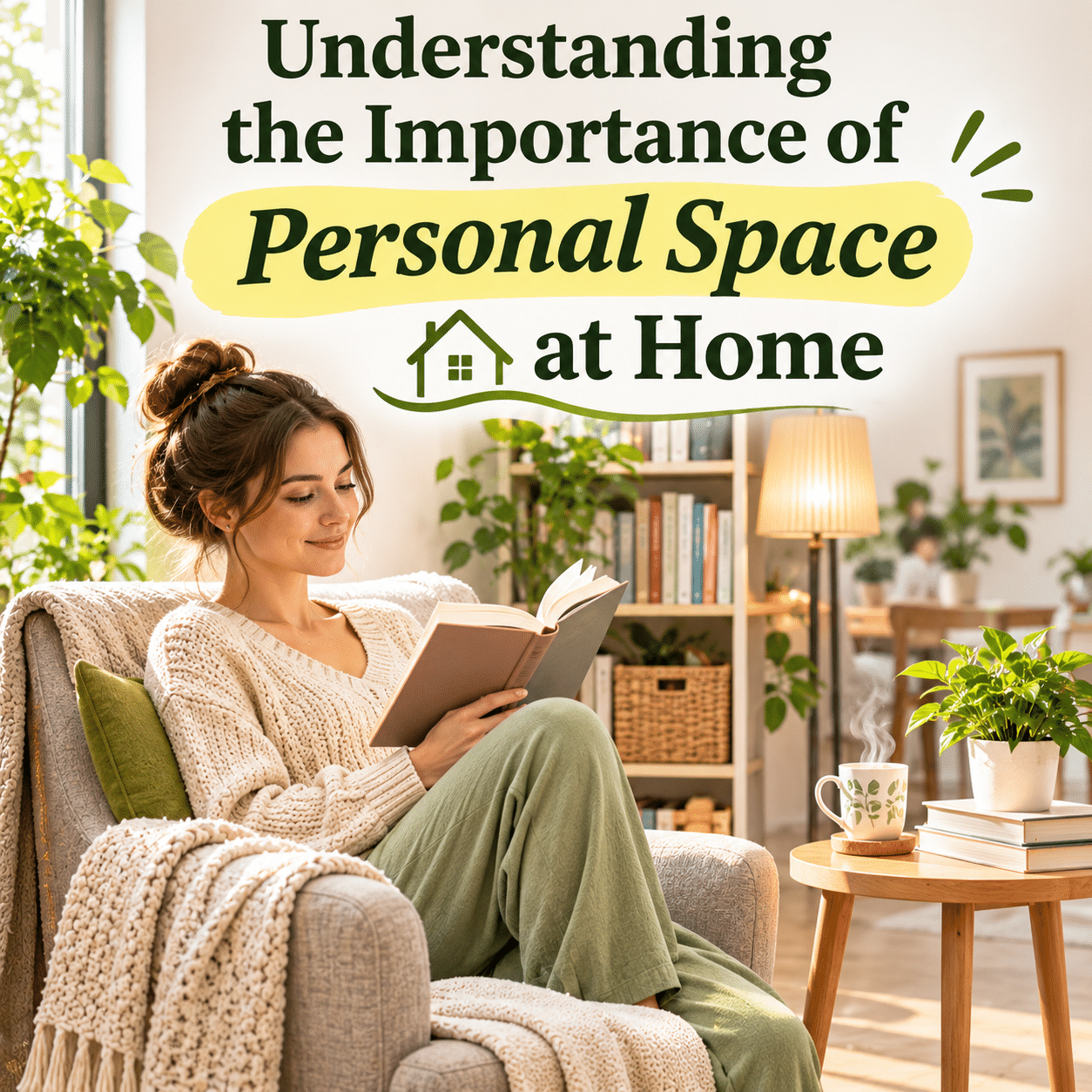
Home is often described as a place of comfort, connection, and belonging. It is where people return after demanding days, spend time with loved ones, carry out familiar routines, and enjoy moments away from the outside world. Yet even in the most welcoming household, there is another important need that deserves attention: personal space.
Personal space at home is not simply about having a private bedroom or a separate room behind a closed door. It is about having opportunities to experience privacy, independence, quiet, and control over one’s immediate surroundings. It includes the freedom to enjoy individual activities, reflect without interruption, and maintain boundaries while still participating in shared household life.
For people living alone, personal space may involve creating distinct areas for different activities and protecting time for uninterrupted relaxation. For couples, families, roommates, and multigenerational households, it often requires balancing individual preferences with shared responsibilities and relationships.
The need for personal space can vary considerably. Some people enjoy frequent conversation and social interaction, while others prefer longer periods of solitude. A person may welcome company during meals but want quiet time afterward. Someone working from home may need uninterrupted concentration, while another household member may simply want a comfortable place to read.
These differences do not necessarily indicate emotional distance or dissatisfaction with others. They reflect the reality that people have individual needs, interests, habits, and ways of restoring their attention.
A thoughtful home environment makes room for both connection and independence. It encourages shared experiences without assuming that everyone must participate in the same activity or remain available for interaction at all times.
Understanding the importance of personal space can help households improve communication, reduce unnecessary friction, organize living areas more effectively, and create a home where everyone feels respected.
1. What Personal Space Means in Everyday Home Life
Personal space refers to the physical, emotional, and practical boundaries that allow individuals to experience a sense of autonomy within their surroundings.
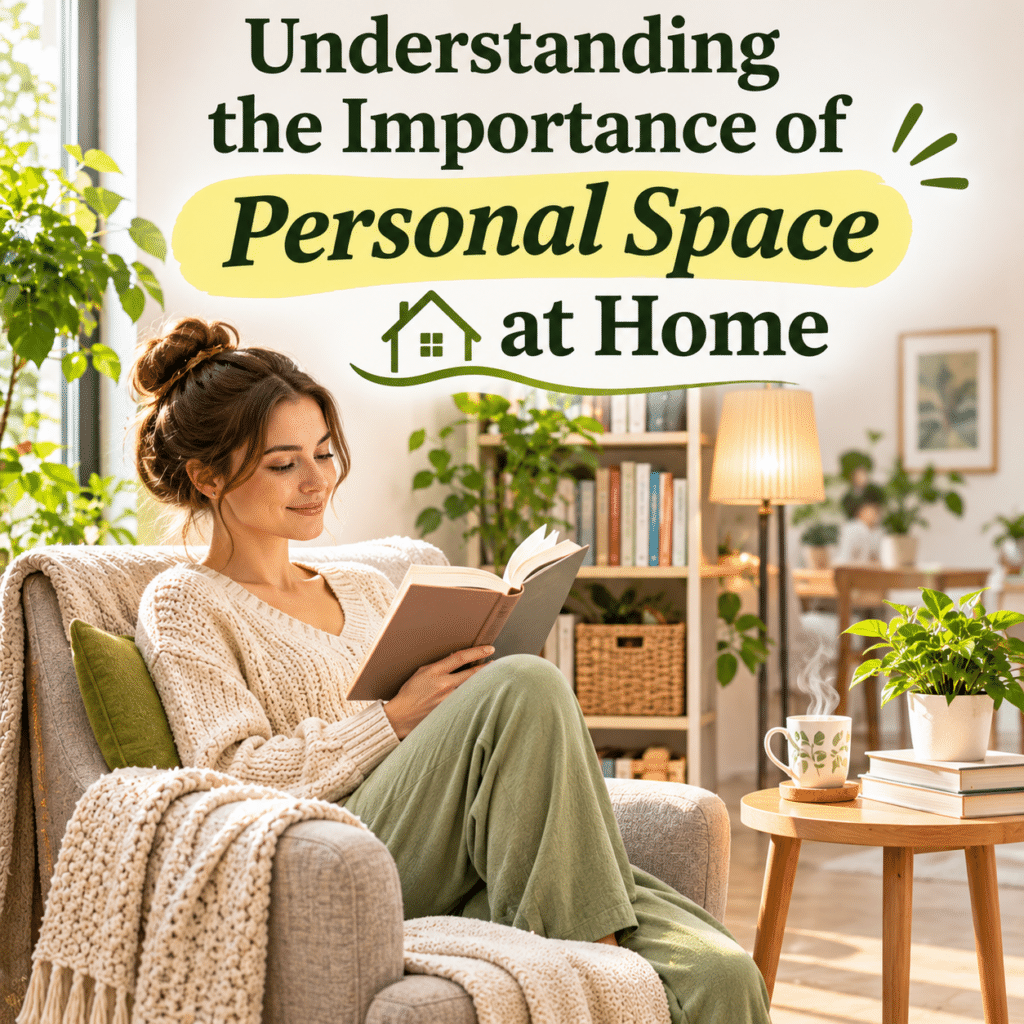
At home, physical personal space might be a bedroom, reading chair, desk, balcony corner, or designated storage area.
Emotional personal space involves having the freedom to think, feel, relax, or process experiences without constant demands for explanation or interaction.
Practical personal space includes control over personal belongings, time, routines, and certain everyday decisions.
These dimensions often overlap.
For example, someone sitting quietly at a desk may need both physical room to work and freedom from unnecessary interruptions.
Personal space does not always require complete isolation. It may simply involve a mutually understood boundary within a shared environment.
The central principle is that individuals benefit from having some control over how they use their time and surroundings.
2. Why Personal Space Is a Basic Household Need
People have different preferences for social interaction, stimulation, and privacy.
Even enjoyable activities can become tiring when individuals have little opportunity to choose when they participate.
Personal space provides a way to step away from shared demands and focus on individual needs.
A person may use private time to read, organize thoughts, pursue a hobby, or rest.
The value lies partly in having a choice.
When people feel that every moment at home must be shared, they may experience frustration or difficulty concentrating.
Providing reasonable opportunities for privacy can make everyday household life more manageable.
This does not mean that everyone requires the same amount of time alone.
A supportive home recognizes that individual needs can differ and may change from day to day.
3. The Difference Between Privacy and Isolation
Privacy and isolation are not the same.
Privacy generally involves choosing when and how to interact with others.
Isolation involves separation that may be unwanted, prolonged, or accompanied by limited meaningful connection.
Someone who closes a bedroom door to read for an hour may simply be enjoying privacy.
A person who feels excluded from household activities may experience a very different situation.
The distinction often depends on choice, circumstances, and the quality of relationships.
Healthy personal space should not prevent people from accessing support, companionship, or necessary household communication.
Instead, it allows individuals to move between private and shared experiences.
A home can support privacy while remaining warm, sociable, and connected.
4. Understanding the Emotional Value of Having Space
Personal space can provide a sense of emotional comfort.
Familiar surroundings, predictable routines, and freedom from immediate social demands may make it easier to relax.
For some people, a quiet corner offers an opportunity to reflect on the day.
For others, personal space means listening to music, writing, crafting, or spending time with a pet.
These activities can provide enjoyment and a sense of continuity.
The emotional value of personal space is not necessarily tied to the size or appearance of the area.
A small, thoughtfully arranged location may feel more personally meaningful than a large room that offers little privacy or control.
What matters is whether the space supports the individual’s needs.
5. How Personal Space Supports Independence
Independence is an important part of everyday home life.
People often want some freedom to make choices about their belongings, activities, and immediate environment.
Personal space creates opportunities for these decisions.
Someone may arrange a desk according to their working habits, select books for a personal shelf, or maintain a preferred routine in a designated area.
These choices can help individuals feel that their needs and preferences are recognized.
Independence does not require complete separation from household responsibilities.
A person can contribute to shared activities while maintaining control over reasonable aspects of personal life.
Respecting this balance can be especially important in households where several adults share a limited amount of space.
6. Why Personal Space Matters in Close Relationships
Close relationships involve companionship, cooperation, and shared experiences.
However, closeness does not eliminate individual preferences.
Partners, family members, and friends may have different interests or needs for quiet time.
One person may enjoy watching television while another prefers reading.
Someone may want to discuss the day immediately after arriving home, while another prefers a short period of quiet first.
Recognizing these differences can reduce misunderstandings.
Personal space is most constructive when it is communicated respectfully rather than used to avoid necessary conversations.
A household can value togetherness while acknowledging that constant interaction is not required for meaningful connection.
7. Recognizing Different Needs for Solitude
There is no universal amount of solitude that suits everyone.
Some individuals feel comfortable with frequent social interaction and relatively little time alone.
Others prefer longer periods of uninterrupted activity.
These preferences may be influenced by personality, daily responsibilities, environmental conditions, and current circumstances.
A person who spends the day working independently may welcome conversation at home.
Someone whose work involves continuous interaction may prefer a quieter evening.
Needs can also change depending on fatigue, stress, or personal interests.
Rather than assigning fixed labels to household members, it is more helpful to ask what kind of space or time would support them.
Flexibility allows these needs to be addressed without unnecessary judgment.
8. The Relationship Between Personal Space and Relaxation
Relaxation often becomes easier when people can choose their surroundings and activities.
A quiet environment may support reading, meditation, listening to music, or simply sitting without interruption.
However, relaxation does not always require silence.
Some people unwind through creative activities, movement, or familiar background sounds.
Personal space allows these preferences to coexist.
For example, one household member might relax by gardening on a balcony while another enjoys a quiet bedroom.
Neither activity is inherently better.
The important factor is having suitable opportunities to disengage from immediate responsibilities and enjoy personally meaningful leisure.
9. Creating Opportunities for Mental Rest
Daily life often involves decisions, conversations, information, and competing responsibilities.
Personal space can provide an opportunity to reduce these demands temporarily.
A person might sit quietly, look outside, write in a journal, or take a short break from electronic devices.
These activities may help create a more restful transition between demanding tasks.
Mental rest should not be understood as a guaranteed result of entering a private room.
The quality of rest also depends on noise, interruptions, personal circumstances, and the activity itself.
Nevertheless, a predictable place for quieter moments can be a useful part of an everyday routine.
10. Supporting Concentration and Focus
Many activities require sustained attention.
Reading, studying, working, writing, and creative projects can become more difficult when interruptions are frequent.
Personal space provides a practical setting for concentration.
A dedicated desk is useful, but not always necessary.
A dining table during an agreed quiet period or a comfortable chair in a less busy area may also work.
Good lighting, accessible supplies, and reasonable control over noise can improve usability.
Household members should communicate when uninterrupted time is important.
Clear expectations are generally more effective than assuming others will recognize the need automatically.
11. Personal Space in Homes With Multiple Residents
Shared households require coordination because different people use the same rooms and facilities.
Bedrooms may provide private areas, but kitchens, bathrooms, living rooms, and hallways are often communal.
Personal space becomes especially important when residents have different schedules.
One person may study late, another may work early, and someone else may spend much of the day at home.
Reasonable agreements can help protect individual needs.
These may include respecting closed doors, asking before entering private rooms, and avoiding unnecessary interruptions during designated quiet periods.
The goal is not to create rigid separation.
It is to make shared living more predictable and respectful.
12. Respecting Personal Space Between Partners
Partners often share bedrooms, furniture, routines, and household responsibilities.
However, they may still benefit from individual areas or activities.
One partner might enjoy a small workspace, while the other prefers a reading corner.
Separate hobbies can also provide opportunities for personal enjoyment.
Respecting personal space involves discussing needs openly rather than interpreting every request for solitude as rejection.
For example, saying that an hour of quiet reading helps someone unwind is clearer than withdrawing without explanation.
Healthy arrangements depend on mutual understanding and the practical realities of the household.
Shared time and individual time can complement each other.
13. Personal Space for Children
Children can benefit from having age-appropriate opportunities to play, explore interests, and manage personal belongings.
A dedicated play area, reading corner, or small desk may provide a sense of ownership.
However, privacy expectations should reflect age, development, and safety needs.
Young children require appropriate supervision, and private areas should not create unsafe conditions.
As children grow, they may seek greater control over their rooms, possessions, and personal activities.
Families can gradually introduce boundaries around knocking, borrowing belongings, and respecting quiet time.
These practices can help children understand both their own needs and the importance of respecting others.
14. Understanding Teenagers’ Need for Privacy
Adolescence often brings growing interest in independence and personal identity.
Teenagers may want more control over their bedrooms, hobbies, conversations, and daily routines.
Reasonable privacy can support this development.
At the same time, parents and caregivers remain responsible for age-appropriate safety, guidance, and household expectations.
The appropriate balance depends on the teenager’s maturity, circumstances, and needs.
Open communication is usually more constructive than treating every request for privacy as secrecy.
Families can discuss expectations about entering rooms, shared devices, responsibilities, and respectful communication.
Privacy and parental involvement do not have to be opposing goals.
15. Personal Space for Older Adults
Older adults may value personal space for familiar routines, hobbies, rest, and independence.
In multigenerational households, it is important to avoid assuming that older residents always want company or assistance.
Some may enjoy active participation in family life while also appreciating uninterrupted personal time.
A comfortable chair, accessible reading area, or organized personal storage space may support these preferences.
Physical accessibility should also be considered.
Stable seating, appropriate lighting, clear pathways, and conveniently positioned belongings can improve usability.
Respecting personal space includes allowing individuals to make reasonable choices about their daily activities and environment.
16. Balancing Personal Space in Multigenerational Homes
Multigenerational households often bring together different routines, expectations, and cultural traditions.
Children may need play areas, adults may require workspaces, and older residents may prefer quieter surroundings.
Limited space can make these needs difficult to accommodate simultaneously.
A practical approach begins with identifying which activities require privacy and which can be shared.
Households may designate quiet periods, create flexible activity zones, or adjust furniture arrangements.
Communication is especially important when expectations differ.
Rather than assuming that one generation’s habits should determine the entire household, shared decisions can reflect the needs of all residents.
17. Personal Space When Living Alone
Living alone does not eliminate the importance of personal space.
Although a person may have control over the entire home, different activities can still compete for attention.
Work materials may spread into relaxation areas.
Household chores may become visually distracting.
Entertainment devices may interfere with quiet activities.
Creating separate zones can help establish useful boundaries.
For example, a desk may serve work-related tasks while a comfortable chair becomes a place for reading.
These distinctions do not require additional rooms.
They simply help different activities feel intentional and manageable.
Personal space for someone living alone can also involve protecting time for leisure, rest, and personal interests.
18. The Importance of Physical Boundaries
Physical boundaries help communicate how different areas should be used.
Walls and doors provide clear separation, but smaller visual cues can also be useful.
A bookshelf, rug, desk arrangement, or change in lighting may distinguish one activity zone from another.
For example, a reading chair positioned away from the television can create a quieter area within a living room.
A small desk facing a wall may provide greater visual focus than one positioned in a busy walkway.
Physical boundaries should not obstruct necessary movement or create safety hazards.
Their purpose is to support different activities while preserving the overall functionality of the home.
19. Understanding Emotional Boundaries at Home
Emotional boundaries concern how people respect one another’s feelings, choices, and availability.
Someone may need time to process a difficult day before discussing it.
Another person may prefer not to share every personal thought or experience.
Respectful relationships allow room for these differences.
Emotional boundaries should be communicated clearly and without unnecessary hostility.
For example, requesting a short period of quiet before continuing a conversation can help establish expectations.
However, boundaries should not be used as a reason to disregard essential responsibilities or consistently avoid important household matters.
A balanced approach recognizes both personal autonomy and mutual consideration.
20. Why Personal Belongings Deserve Respect
Personal belongings often have practical, financial, or sentimental value.
Books, clothing, devices, tools, photographs, and creative projects may be important to their owners.
Respecting these items is part of respecting personal space.
Household members should avoid assuming that an object is available for shared use simply because it is visible.
Clear distinctions between personal and communal belongings can prevent misunderstandings.
For example, shared kitchen utensils may be available to everyone, while specialized equipment may require permission.
Designated storage can make these distinctions easier to maintain.
Respect also involves returning borrowed items and handling them appropriately.
21. Creating a Personal Corner in a Small Home
A small home may not have enough rooms for every person to enjoy a separate private area.
However, personal space can still be created through thoughtful arrangement.
A chair near a window, a compact desk, or a shelf beside a bed may establish a personal corner.
Lighting can help define the area.
A small storage basket or drawer may keep essential belongings nearby.
The space should be comfortable for its intended activity without interfering with shared movement.
It does not need elaborate decoration.
A modest corner can become meaningful when it offers predictable access and a degree of personal control.
22. Using Furniture to Define Individual Areas
Furniture placement can create useful boundaries without permanent construction.
Bookshelves, sofas, side tables, and storage units can help distinguish activity zones.
For example, a sofa positioned between a living area and dining space may visually separate the two functions.
A low shelving unit might distinguish a reading area from a general family space.
However, furniture should remain stable and appropriately secured where necessary.
Tall or heavy units may require anchoring according to manufacturer guidance and household safety needs.
Layouts should preserve clear pathways and suitable access.
The goal is to provide separation without making the home feel unnecessarily divided.
23. Managing Sound and Interruptions
Noise is a common challenge when several people share a home.
Conversations, entertainment, household appliances, and electronic devices can interrupt personal activities.
Soft furnishings may reduce some reflected sound, but they are not substitutes for proper sound isolation.
Practical strategies may include using headphones, adjusting volume, closing doors when appropriate, and establishing quiet periods.
Interruptions also involve behavior.
A person may be physically alone but still experience frequent demands for attention.
Households can agree on simple signals that indicate when someone needs concentration or rest.
These arrangements work best when they remain flexible and respectful.
24. Lighting and the Feeling of Personal Comfort
Lighting can influence whether a personal area feels suitable for its intended purpose.
Bright task lighting may support reading, studying, or detailed hobbies.
Softer lighting may be preferred during relaxation.
Adjustable lamps can help individuals control their immediate environment without changing lighting throughout the home.
Natural light may also make a personal corner more inviting.
However, glare, heat, and privacy concerns should be considered.
Curtains, blinds, and appropriate lamp placement can help manage these conditions.
The best lighting arrangement depends on the activity and the person’s visual comfort.
25. Personalizing a Space Without Creating Clutter
Personal expression can make an area feel meaningful.
Photographs, artwork, books, plants, textiles, and handmade objects may reflect individual interests.
However, excessive belongings can interfere with movement, cleaning, and practical use.
A useful approach is to select items that provide genuine enjoyment or serve a clear purpose.
Frequently used objects should remain accessible.
Less frequently used belongings can be stored appropriately.
Personalization does not require filling every surface.
A few carefully chosen objects may create a stronger sense of identity than a large collection displayed without organization.
26. Creating Space for Hobbies and Creative Activities
Hobbies can provide enjoyment, learning, and opportunities for individual expression.
Reading, drawing, sewing, music, crafting, gardening, and other activities may benefit from dedicated space.
The required area depends on the activity.
Some hobbies need only a small table, while others require specialized equipment or safe storage.
A practical setup should make materials accessible and support appropriate cleanup.
In shared households, activities that produce noise, dust, odors, or other disruptions may require additional planning.
A hobby area works best when it supports personal enjoyment without creating unreasonable inconvenience for others.
27. Protecting Personal Time in Busy Households
Personal space is not only physical.
Time can also be an important boundary.
A person may have a private bedroom but little opportunity to use it without interruptions.
Busy households often involve overlapping responsibilities, caregiving, work, and social expectations.
Protecting personal time may require coordination.
Household members can discuss when uninterrupted periods are practical and how essential responsibilities will still be handled.
Even short periods of personal time may be valuable when they are predictable and genuinely available.
The goal is not to avoid participation in household life.
It is to make room for individual needs alongside shared commitments.
28. Communicating the Need for Personal Space
Requests for personal space can be misunderstood when they are expressed vaguely.
Someone may interpret silence as anger or a closed door as rejection.
Clear communication helps prevent these assumptions.
For example, a person might explain that they would like thirty minutes to read before joining a family activity.
Another might request uninterrupted time for a work assignment.
Specific requests are easier to understand than general statements that others should simply leave someone alone.
It is also useful to acknowledge the needs of other household members.
Personal space is most sustainable when expectations are discussed rather than imposed without explanation.
29. Respecting Closed Doors and Private Areas
Doors provide an obvious physical boundary, but their meaning should be understood within the household.
A closed bedroom door may indicate rest, concentration, or a desire for privacy.
Knocking and waiting for permission before entering is a simple way to show respect, where appropriate.
Families may need different rules for young children, caregiving, emergencies, or safety concerns.
These exceptions should be reasonable and clearly understood.
Private storage areas and personal desks may deserve similar consideration.
Respecting boundaries does not require elaborate rules.
Consistent everyday courtesy often makes the greatest difference.
30. Finding a Balance Between Togetherness and Independence
A supportive household makes room for both shared experiences and individual activities.
Meals, conversations, games, and celebrations can strengthen relationships.
Quiet reading, personal hobbies, and independent routines can also be meaningful.
The balance may change depending on schedules and circumstances.
A household might enjoy dinner together while allowing people to spend the evening pursuing different interests.
Another family may designate a regular shared activity without expecting everyone to participate in every optional event.
The important principle is flexibility.
Connection is more meaningful when people have reasonable opportunities to choose how they participate.
31. Avoiding the Expectation of Constant Availability
Living together does not mean that everyone must always be ready for conversation or assistance.
People may be resting, concentrating, or engaged in personal activities.
Frequent interruptions can make these activities difficult.
Households benefit from distinguishing urgent needs from requests that can wait.
For example, an important safety concern requires immediate attention, while a casual question may not.
Simple agreements about availability can reduce unnecessary friction.
At the same time, personal boundaries should remain compatible with essential responsibilities.
A balanced household respects individual time while ensuring that necessary cooperation continues.
32. Personal Space and Digital Boundaries
Digital devices have become part of everyday home life.
Phones, computers, tablets, and online accounts often contain personal information, messages, and work materials.
Respecting personal space therefore includes digital privacy.
Household members should avoid accessing another person’s device or account without permission.
Shared devices may require clear agreements about user profiles, passwords, and stored information.
Digital boundaries also involve interruptions.
Notifications, video calls, and entertainment audio can affect people nearby.
Using headphones, adjusting notification settings, and choosing suitable locations for calls may help.
Personal space now includes both physical surroundings and reasonable control over digital activities.
33. Making Room for Quiet Leisure
Not every leisure activity needs to involve a group.
Reading, journaling, puzzles, drawing, listening to music, or simply enjoying a quiet moment can be satisfying individual pursuits.
A comfortable personal area can make these activities easier to enjoy.
Suitable seating, lighting, and accessible materials are often more important than elaborate decoration.
Households should avoid assuming that someone engaged in quiet leisure is necessarily bored or lonely.
For many people, such activities are intentional and enjoyable.
Respecting quiet leisure helps recognize that relaxation can take different forms.
34. Personal Space During Work-from-Home Routines
Working from home can blur boundaries between professional responsibilities and domestic life.
A person may need to concentrate while others use nearby rooms for ordinary activities.
A dedicated workspace can help, but not every home has room for a separate office.
A compact desk, suitable chair, and organized supplies may provide a workable alternative.
Clear communication about meetings and concentration periods can reduce interruptions.
Where possible, separating work materials from relaxation areas may also help create a transition at the end of the day.
Personal workspace should be planned around actual job requirements, comfort, and household circumstances.
35. Understanding Personal Space During Household Conflicts
Disagreements are a normal part of shared living.
Sometimes people benefit from a short period apart before continuing a difficult conversation.
Personal space may provide an opportunity to settle immediate emotions and consider what needs to be discussed.
However, taking space should not become a way to threaten, punish, or indefinitely avoid another person.
A constructive approach involves communicating the need for a pause and, when appropriate, agreeing to return to the conversation.
For example, household members might decide to continue a discussion after a short break.
If conflict involves intimidation, threats, or unsafe behavior, physical safety and appropriate support take priority over ordinary household negotiation.
Respectful personal space should contribute to healthier communication rather than replace it.
36. Adapting Personal Space as Life Circumstances Change
Personal-space needs evolve.
A child may eventually need a study area.
An adult may begin working from home.
A household member may develop a new hobby or require a quieter environment.
Changes in mobility, family composition, or daily schedules may also affect how rooms are used.
Periodic reassessment can help households adapt.
A storage corner may become a reading area.
An unused table may be repurposed for creative work.
Furniture may be rearranged to provide more privacy or easier access.
These changes do not always require renovation.
Flexibility allows the home to remain supportive as individual needs develop.
37. Creating Personal Space on a Limited Budget
Meaningful personal space does not require expensive furniture or a large home.
Many improvements can begin with existing belongings.
Moving a chair, reorganizing a shelf, adding a suitable lamp, or clearing a small surface may create a useful personal area.
Repurposed storage containers can help keep materials organized.
Curtains or lightweight room dividers may provide visual separation when safely installed and appropriate for the space.
Before purchasing anything, identify the main problem.
If interruptions are the primary difficulty, communication may be more effective than buying furniture.
If clutter prevents concentration, organization may offer the greatest benefit.
The best improvement is the one that addresses a genuine need.
38. Recognizing When Personal Space Is Not Working
A personal area may look attractive but fail to support everyday use.
Common signs include frequent interruptions, uncomfortable seating, poor lighting, insufficient storage, or competing household activities.
Someone may avoid using a designated corner because it is too noisy.
Another person may struggle to work at a desk that becomes a shared storage surface.
These problems suggest that the arrangement needs adjustment.
Observation and communication can reveal what is missing.
Rather than assuming that the person simply needs to adapt, consider whether the environment or household expectations can be improved.
Personal space should be evaluated by how well it works in daily life.
39. Encouraging Mutual Respect for Everyone’s Space
Personal-space arrangements are most effective when respect is mutual.
One person’s need for quiet should not automatically override every other household activity.
Likewise, communal routines should not consistently eliminate opportunities for privacy.
Fair arrangements consider the needs, responsibilities, and limitations of different household members.
For example, quiet periods may be coordinated around work schedules, children’s activities, and necessary chores.
Shared rooms may be available for individual use at different times.
The objective is not perfect equality in every moment.
It is a reasonable balance in which everyone has opportunities to feel comfortable and respected.
40. Building a Home That Supports Both Connection and Individuality
A welcoming home should provide opportunities for people to gather, communicate, and enjoy shared experiences.
It should also recognize that individuals need freedom to pursue their own interests and routines.
Personal space contributes to this balance by supporting privacy, autonomy, and individual comfort.
The most successful arrangements are not necessarily those with the greatest number of rooms.
They are the ones that reflect the household’s actual needs.
A comfortable chair, a clearly organized desk, a respected closed door, or an agreed period of quiet can all make personal space more meaningful.
Long-term success depends on flexibility, communication, and consideration.
When personal boundaries are understood and respected, shared living can become more comfortable without sacrificing connection.
Practical Reference: Different Types of Personal Space at Home
Personal space can take several forms, each serving a different purpose.
| Type of Personal Space | Main Purpose | Everyday Examples | Important Considerations |
|---|---|---|---|
| Physical Space | Provides a designated personal area | Bedroom, reading corner, desk | Comfort, accessibility, privacy |
| Emotional Space | Allows individual reflection and processing | Quiet time after work, private journaling | Respectful communication |
| Creative Space | Supports hobbies and personal interests | Craft table, music corner, art desk | Storage, safety, noise |
| Work or Study Space | Supports concentration | Home office, study desk | Lighting, seating, interruptions |
| Digital Space | Protects personal information and activities | Private devices, accounts, messages | Consent, security, shared-device rules |
| Temporal Space | Protects uninterrupted personal time | Reading hour, morning routine | Scheduling, household responsibilities |
| Personal Storage | Maintains control over belongings | Drawer, cabinet, wardrobe section | Ownership, access, organization |
| Restorative Space | Supports relaxation and quiet leisure | Balcony chair, peaceful bedroom corner | Comfort, noise, atmosphere |
These categories frequently overlap. A personal reading corner, for example, may provide physical, emotional, and restorative space at the same time.
A Step-by-Step Guide to Creating Personal Space at Home
Step 1: Identify the Main Need
Begin by asking what personal space should accomplish.
Is the goal to improve concentration, enjoy quiet leisure, organize belongings, or reduce interruptions?
A clear purpose makes planning easier.
Step 2: Observe Current Household Routines
Notice when shared areas are busiest and when quieter periods are available.
Consider whether the desired activity requires a permanent location or only occasional access.
Step 3: Choose a Suitable Area
Look for an existing corner, desk, chair, shelf, or underused part of a room.
The area should be practical and reasonably comfortable.
Step 4: Evaluate Lighting and Noise
Consider whether the location supports the intended activity.
Reading may require focused lighting, while quiet reflection may benefit from a less distracting environment.
Step 5: Arrange Essential Furniture
Choose only the furniture needed for the activity.
Avoid overcrowding the area.
Ensure that furniture remains stable and circulation paths are clear.
Step 6: Organize Personal Belongings
Provide suitable storage for frequently used items.
Keep the arrangement simple enough to maintain.
Step 7: Add Meaningful Personal Details
Introduce a few objects that make the area enjoyable.
These might include books, artwork, textiles, or plants appropriate for the environment.
Step 8: Communicate Boundaries
Explain how the area will be used and when interruptions should be minimized.
Respect the needs of other household members.
Step 9: Test the Arrangement
Use the space during ordinary routines.
Notice whether it provides the expected comfort and practicality.
Step 10: Adjust Over Time
Modify the layout, schedule, or household agreements when necessary.
Personal space should evolve with changing needs.
Personal Space Solutions for Different Household Situations
| Household Situation | Common Challenge | Practical Solution |
|---|---|---|
| Person Living Alone | Work and relaxation activities overlap | Create separate activity zones |
| Couple Sharing a Small Apartment | Different leisure preferences | Establish individual corners and flexible routines |
| Roommates | Privacy and shared-area conflicts | Agree on room access, storage, and quiet periods |
| Family With Young Children | Limited uninterrupted time | Coordinate age-appropriate supervision and personal breaks |
| Family With Teenagers | Growing need for independence | Establish reasonable privacy expectations |
| Multigenerational Household | Different schedules and comfort needs | Provide accessible personal areas and flexible shared-space rules |
| Remote Worker | Frequent household interruptions | Designate a work area and communicate meeting times |
| Small Studio Apartment | No separate private room | Use furniture placement, lighting, and time-based boundaries |
No single solution works for every household. The most effective arrangement reflects the people involved and the activities they need to support.
How Personal Space and Shared Space Can Complement Each Other
Personal and communal areas serve different but connected purposes.
| Personal Space Supports | Shared Space Supports |
|---|---|
| Individual interests | Group activities |
| Privacy | Social interaction |
| Independent routines | Household cooperation |
| Quiet concentration | Shared conversation |
| Personal belongings | Communal resources |
| Individual relaxation | Collective leisure |
| Self-expression | Shared identity |
| Flexible personal boundaries | Mutual household expectations |
A comfortable home does not need to prioritize one category exclusively.
Instead, it can provide opportunities for both.
For example, a household may enjoy regular shared meals while allowing individuals to spend the remainder of the evening on separate activities.
The balance should reflect actual preferences rather than assumptions about how much time people ought to spend together.
Everyday Examples of Healthy Personal-Space Boundaries
Example 1: A Quiet Reading Period
A household member enjoys reading after dinner.
Rather than expecting complete silence throughout the home, the family agrees to avoid unnecessary interruptions during a short reading period.
The arrangement supports individual leisure without preventing ordinary household activity.
Example 2: A Shared Bedroom With Individual Corners
Two partners share a bedroom but have different evening routines.
One prefers reading while the other prepares for sleep.
A focused reading lamp and suitable seating may help accommodate both activities.
The arrangement should avoid disturbing the person who is resting.
Example 3: A Child’s Personal Storage Area
A child has a designated shelf for books and creative projects.
Family members explain that personal belongings should be handled respectfully.
Age-appropriate guidance helps the child understand both ownership and shared responsibilities.
Example 4: A Roommate’s Work Schedule
One roommate works from home and needs quiet during scheduled meetings.
The roommates discuss meeting times and agree on reasonable noise expectations.
The arrangement is adjusted when schedules change.
Example 5: A Personal Corner in a Studio Apartment
A studio apartment contains a bed, small table, and living area.
The resident uses a comfortable chair and lamp to create a reading corner separate from the work surface.
Although the room remains physically open, the different activity zones help organize daily routines.
Common Mistakes When Creating Personal Space at Home
Assuming Personal Space Requires a Separate Room
A private room can be helpful, but meaningful personal space can also exist through designated corners, storage areas, or uninterrupted time.
Treating Every Request for Privacy as Rejection
A desire for solitude does not necessarily indicate dissatisfaction with relationships.
Ask about individual needs rather than making assumptions.
Ignoring the Needs of Other Household Members
Personal boundaries should be balanced with shared responsibilities and reasonable consideration for others.
Creating a Space That Is Uncomfortable to Use
Poor seating, inadequate lighting, and distracting noise may prevent a designated area from serving its purpose.
Using Personal Space to Avoid Important Conversations
Temporary privacy can be constructive, but consistently avoiding necessary communication may create additional problems.
Overcrowding a Personal Corner
Too much furniture or decoration can make a small area difficult to use and maintain.
Failing to Respect Personal Belongings
Borrowing or moving items without permission can undermine the sense of ownership that personal space provides.
Expecting Everyone to Need the Same Amount of Privacy
Preferences vary between individuals and across circumstances.
Flexible arrangements are generally more useful than rigid assumptions.
Establishing Boundaries Without Communication
Unspoken expectations can create misunderstandings.
Clear, respectful requests make cooperation easier.
Never Reviewing the Arrangement
Personal needs and household routines change.
A previously useful setup may require adjustment.
Personal Space at Home Checklist
Use this checklist to evaluate whether a home provides reasonable opportunities for individual comfort and privacy.
Physical Environment
- Each household member has access to some form of personal space where practical.
- Personal areas are comfortable for their intended activities.
- Lighting is suitable.
- Noise and interruptions can be managed reasonably.
- Furniture does not obstruct essential movement.
- Personal belongings have appropriate storage.
- Safety and accessibility needs are considered.
Privacy and Boundaries
- Household members understand expectations about entering private areas.
- Personal belongings are handled respectfully.
- Requests for quiet time can be communicated openly.
- Digital devices and accounts are treated with appropriate privacy.
- Boundaries are balanced with essential household responsibilities.
- Age-appropriate privacy expectations are established for children.
Comfort and Individuality
- Personal areas support meaningful activities.
- Individuals have opportunities for quiet leisure.
- Personal preferences are recognized.
- Spaces can be personalized without excessive clutter.
- Household members can adjust their routines when practical.
- Personal time is not automatically treated as social withdrawal.
Shared Household Balance
- Communal areas remain accessible for shared activities.
- Quiet periods are coordinated when necessary.
- Household responsibilities are discussed fairly.
- Personal-space arrangements do not create unreasonable inconvenience for others.
- Conflicts are addressed through respectful communication.
- Arrangements are reviewed as household needs change.
The checklist is a practical guide rather than a requirement for perfection. Even a few thoughtful improvements may make everyday living more comfortable.
Frequently Asked Questions
1. Why is personal space important at home?
Personal space allows individuals to enjoy privacy, independent activities, quiet time, and greater control over their immediate surroundings. It can support comfort, concentration, and respectful household relationships.
2. Does everyone need personal space?
Most people benefit from some degree of privacy and autonomy, but preferences vary. Some enjoy frequent interaction, while others prefer more solitude. The appropriate amount depends on individual needs and circumstances.
3. Is wanting personal space a sign of relationship problems?
Not necessarily. Wanting time alone can be a normal preference. Personal space and close relationships can coexist when needs are communicated respectfully and shared responsibilities remain supported.
4. Can personal space exist without a private bedroom?
Yes. A reading chair, designated desk, personal shelf, or agreed period of uninterrupted time can provide meaningful personal space even when a separate room is unavailable.
5. How can couples maintain personal space in a small home?
Couples can create individual activity corners, communicate preferences, coordinate quiet periods, and respect personal belongings. Flexible arrangements may be more practical than permanent physical separation.
6. Why do children need personal space?
Age-appropriate personal space can help children explore interests, organize belongings, and learn about boundaries. Privacy should be balanced with suitable supervision and safety.
7. How much privacy should teenagers have at home?
Privacy expectations should reflect maturity, safety, family circumstances, and responsibilities. Open discussion about room access, belongings, digital privacy, and household rules can help establish reasonable boundaries.
8. How can roommates respect each other’s personal space?
Roommates can discuss expectations about private rooms, shared belongings, noise, guests, cleaning, and quiet time. Clear agreements help reduce misunderstandings.
9. Does living alone make personal space unnecessary?
No. People living alone may still benefit from separating work, rest, hobbies, and household responsibilities into distinct areas or routines.
10. What is the difference between personal space and emotional distance?
Personal space involves reasonable privacy and independence. Emotional distance may involve reduced connection or communication. The distinction depends on behavior, choice, and the quality of the relationship.
11. How can I create personal space in a studio apartment?
Use furniture placement, lighting, small storage systems, and clearly defined activity zones. A compact reading corner or dedicated work surface can provide a sense of separation without additional rooms.
12. Can personal space help with concentration?
A suitable personal area may reduce distractions and interruptions, making focused activities easier. Lighting, seating, noise management, and household communication also matter.
13. How should someone ask for personal space respectfully?
Explain the specific need and, when useful, suggest a reasonable time or arrangement. For example, requesting a quiet period for reading or work is often clearer than making an undefined demand for privacy.
14. What if household members have different privacy needs?
Discuss individual preferences and identify practical compromises. Flexible schedules, separate activity areas, and mutually understood boundaries can help accommodate differences.
15. What is the most important principle of personal space at home?
Personal space should support individual comfort and autonomy while remaining compatible with respectful relationships and shared responsibilities. The goal is a home where privacy and connection can coexist.
Final Thoughts
Personal space is an important part of creating a home that feels comfortable, respectful, and supportive of everyday life.
It provides opportunities for privacy, independent activities, quiet reflection, and personal expression. It also helps individuals maintain a sense of autonomy within shared environments.
The value of personal space does not depend entirely on the size of a home or the availability of separate rooms.
A comfortable reading chair, an organized desk, a designated storage area, or a mutually respected period of quiet can all contribute to a greater sense of personal comfort.
In households with multiple residents, personal space requires thoughtful communication and reasonable boundaries.
People may have different preferences for solitude, interaction, noise, and daily routines. Recognizing these differences can help reduce unnecessary misunderstandings and create more flexible living arrangements.
Personal space should not be treated as the opposite of togetherness.
A supportive home makes room for shared meals, conversations, cooperation, and meaningful relationships while also allowing individuals to enjoy their own interests and routines.
As household circumstances change, personal-space arrangements may need to evolve. Small adjustments to furniture, schedules, storage, and communication can help maintain a practical balance.
Ultimately, a welcoming home is not defined by constant interaction or complete separation. It is defined by how well it accommodates the people who live there.
A home becomes more comfortable when everyone has room to connect with others, freedom to enjoy their individuality, and personal space that is understood and respected.