The way a day begins can influence how its first activities unfold. From getting out of bed and preparing breakfast to organizing personal belongings and reviewing responsibilities, morning habits create a familiar transition between rest and the demands of everyday life.
For some people, mornings are peaceful opportunities to enjoy natural light, a warm beverage, or a few quiet moments before beginning work. For others, they involve preparing children for school, commuting, caring for pets, or managing several responsibilities within a limited amount of time.
Regardless of lifestyle, simple morning habits can help make these activities more predictable and manageable.
A useful morning routine does not require waking up before sunrise, following an elaborate wellness program, or completing numerous productivity tasks. Its value comes from reducing unnecessary complications and creating a practical starting point for the day.
Small actions, such as preparing essential belongings, allowing time for breakfast, or identifying immediate priorities, can make the morning feel less rushed. These habits may also help people transition more comfortably into work, household responsibilities, and personal activities.
However, morning routines are not universal solutions. Sleep schedules, family responsibilities, health needs, and individual preferences all influence what works best.
The goal is not to create a perfect morning. It is to establish a few realistic habits that support everyday comfort, organization, and flexibility.
Understanding how morning habits influence daily routines can help individuals build a more manageable beginning to each day.

1. Morning Habits Create a Familiar Starting Point
Morning routines provide a predictable sequence for activities that occur after waking.
Washing up, getting dressed, preparing breakfast, and gathering essential belongings are familiar tasks for many households.
When these activities follow a practical pattern, there may be less need to reconsider each step.
For example, someone who always places their work bag near the entrance may spend less time searching for it.
A familiar sequence can also make it easier to notice when something important has been forgotten.
The routine does not need to follow an exact timetable.
Its purpose is to create a useful structure that makes everyday preparation more convenient.
2. A Comfortable Wake-Up Routine Can Reduce Morning Rush
Waking up immediately before an important responsibility can leave little room for unexpected delays.
A practical wake-up routine allows enough time for essential activities.
This might involve setting an alarm appropriate to the day’s schedule, preparing clothing in advance, and avoiding unnecessary morning decisions.
However, waking earlier is not automatically better.
Adequate sleep is more important than adopting an unnecessarily early schedule.
The most useful wake-up time is one that accommodates individual sleep needs and daily commitments.
3. Consistent Wake-Up Times Can Support Daily Rhythms
The body’s circadian system helps regulate patterns of sleep and wakefulness.
Regular timing of sleep, waking, and light exposure can support these biological rhythms.
For people with conventional daytime schedules, maintaining reasonably consistent wake-up times may be helpful.
However, shift workers, caregivers, and people with irregular schedules may require different approaches.
A consistent routine should not come at the expense of sufficient sleep.
The objective is to create a sustainable pattern that reflects individual circumstances.
4. Natural Morning Light Helps Mark the Beginning of the Day
Daylight provides an important environmental signal for the body’s internal clock.
Opening curtains after waking can introduce natural brightness into the home.
Spending time outdoors during daylight may provide stronger light exposure than remaining indoors because outdoor illumination is generally much brighter.
The effects of light depend on timing, intensity, duration, and individual factors.
Morning daylight does not guarantee greater energy or better sleep.
Nevertheless, making appropriate daylight available can be a useful part of a regular daytime routine.
5. A Simple Bedroom Reset Can Make the Space Easier to Use
Small bedroom habits can prevent everyday belongings from accumulating.
After getting dressed, clothing can be placed in appropriate storage or a laundry basket.
Books, glasses, and other bedside items can be returned to designated locations.
Making the bed is optional, but some people enjoy the visual order it creates.
The important principle is maintaining a bedroom that remains convenient for rest and personal activities.
A brief reset can reduce the amount of organization needed later.
6. Preparing Clothing in Advance Simplifies Morning Decisions
Choosing clothing can become inconvenient when wardrobes are crowded or essential items are difficult to find.
Preparing an outfit the previous evening may reduce morning preparation time.
This can be especially useful for people with early appointments or work commitments.
Consider weather, planned activities, and personal comfort.
Keep necessary accessories together when practical.
The goal is not to eliminate clothing choices but to make them easier when time is limited.
7. Keeping Everyday Essentials in One Place Prevents Searching
Keys, wallets, identification, glasses, and other frequently carried items can cause delays when misplaced.
A designated storage area near the entrance can help.
A small tray, hook, or drawer may be sufficient.
The location should be convenient, secure, and appropriate for the items stored there.
Returning belongings to the same place after use makes the system more dependable.
This simple habit can remove a recurring source of morning inconvenience.
8. Morning Hydration Can Be Part of a Practical Routine
Water supports normal bodily functions, and hydration needs vary according to individual circumstances.
Some people find it convenient to drink water after waking.
Others prefer having fluids with breakfast or during later activities.
There is no universal requirement to drink a particular amount immediately upon waking.
Climate, activity, diet, and health conditions influence fluid needs.
People with medically prescribed fluid restrictions should follow their healthcare professional’s guidance.
A useful hydration habit focuses on meeting personal needs rather than following rigid rules.
9. Breakfast Habits Can Make Food Preparation More Predictable
Breakfast preferences vary widely.
Some people enjoy a substantial morning meal, while others prefer something light or eat later according to their schedule and needs.
A practical breakfast routine begins with having suitable ingredients and equipment available.
Organized cupboards, accessible utensils, and simple meal options can reduce preparation effort.
Preparing certain ingredients in advance may also help.
The most appropriate breakfast routine reflects nutritional needs, appetite, budget, and daily commitments.
10. A Calm Breakfast Environment Can Make Mornings More Enjoyable
The surroundings in which breakfast is prepared and eaten can influence the experience.
A reasonably clear table, comfortable seating, and suitable lighting can make the activity more convenient.
Some people enjoy quiet meals, while others prefer conversation, music, or reading.
There is no requirement to create an elaborate breakfast setting.
A practical arrangement that supports personal preferences is enough.
The goal is to make an ordinary daily activity pleasant without adding unnecessary work.
11. Simple Morning Movement Can Help Transition Into Activity
Gentle movement may be a convenient way to begin daytime activities.
Stretching, walking, or completing ordinary household tasks can provide opportunities to move after a period of rest.
The appropriate activity depends on individual abilities and health circumstances.
Some people prefer exercise later in the day.
Others may find morning movement enjoyable.
There is no universal need to complete a workout immediately after waking.
Choose activities that feel suitable and can be performed safely.
12. A Short Walk Can Add Variety to the Morning
Walking is a flexible activity that can fit into many daily schedules.
A morning walk may provide an opportunity to enjoy outdoor surroundings, daylight, and a change of environment.
Its duration and intensity should reflect personal abilities and available time.
Weather, traffic conditions, air quality, and sun exposure should be considered.
For people who cannot conveniently walk outdoors, suitable indoor movement may be an alternative.
The value lies in finding an enjoyable and realistic activity rather than meeting an arbitrary morning target.
13. Morning Planning Helps Identify Immediate Priorities
Busy days often involve several responsibilities competing for attention.
A short planning habit can help clarify what needs to be completed.
Review appointments, deadlines, errands, and important household tasks.
Identify a manageable number of priorities.
Avoid filling every available hour with planned activities.
A useful morning plan provides direction while leaving room for unexpected changes.
14. Choosing a Few Priorities Can Make the Day More Manageable
Long task lists can be difficult to evaluate.
Some responsibilities are essential, while others are optional or can be postponed.
A practical approach is to identify the activities that matter most that day.
These may include work commitments, appointments, caregiving responsibilities, or household needs.
The number of priorities should reflect available time and circumstances.
Completing a few important tasks may be more useful than attempting an unrealistic list.
15. Reviewing a Calendar Can Prevent Scheduling Confusion
Appointments, meetings, deliveries, and personal commitments can be easier to manage when recorded consistently.
A brief morning calendar review helps identify upcoming obligations.
Digital calendars, paper planners, and simple written notes can all be effective.
Choose a system that is easy to maintain.
Important appointments may also benefit from appropriate reminders.
The purpose is to reduce avoidable scheduling problems without requiring constant calendar checking.
16. Preparing Work Materials Can Improve Morning Organization
Workdays often begin more smoothly when necessary materials are ready.
For office workers, this may involve checking documents, identification, transportation essentials, or equipment.
Remote workers may prepare a desk, computer, notebook, and relevant files.
Students may organize books and assignments.
A short preparation routine can reduce interruptions during the first part of the day.
Keep the process proportionate to the actual requirements.
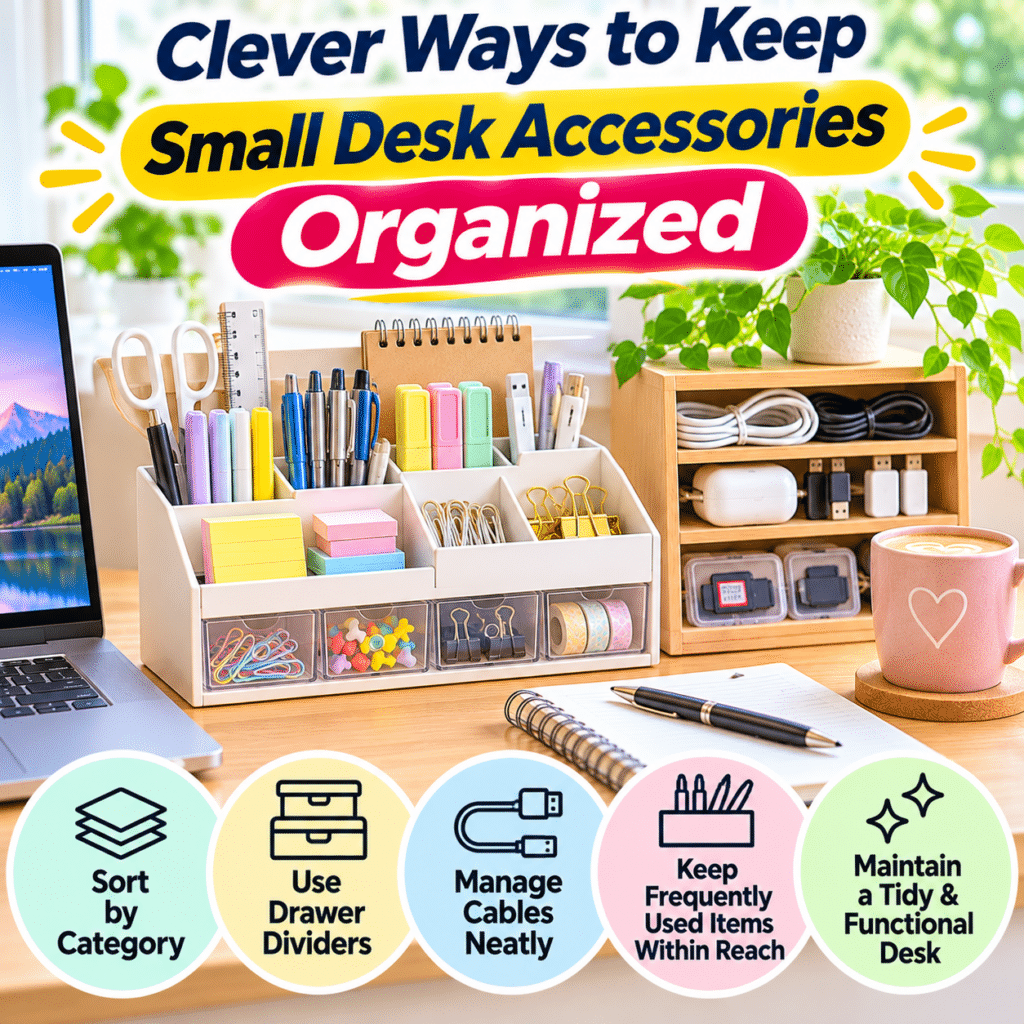
17. An Organized Workspace Makes Starting Tasks Easier
A workspace should provide enough room for its intended activities.
A desk crowded with unrelated objects may require clearing before work can begin.
Keeping essential equipment accessible can simplify the transition into focused tasks.
Arrange screens, seating, and lighting for comfortable use.
Store unnecessary supplies elsewhere.
A practical workspace does not need to be perfectly decorated.
It needs to support the activities performed there.
18. Morning Digital Habits Can Influence How Time Is Used
Phones and computers provide access to messages, calendars, news, and work information.
However, checking every notification immediately after waking may introduce distractions before essential preparations are complete.
Some people benefit from reviewing only important messages during the early morning.
Others need immediate access to work or family communications.
Notification settings and checking routines should reflect actual responsibilities.
The goal is intentional technology use rather than universal restrictions.
19. Limiting Unnecessary Notifications Can Reduce Interruptions
Digital notifications vary in importance.
An urgent family message may require immediate attention, while a promotional alert may not.
Adjusting notification settings can help distinguish between these categories.
Consider which applications need priority access during morning preparation.
Avoid disabling essential alerts without considering safety or work responsibilities.
A thoughtful system makes devices more useful without requiring constant attention.
20. Morning Household Tasks Can Prevent Small Problems From Accumulating
Certain household activities are easier when completed regularly.
Putting away breakfast dishes, clearing a countertop, or returning belongings to storage may take only a short time.
These actions can prevent minor tasks from becoming more demanding later.
However, mornings should not be overloaded with cleaning responsibilities.
Choose activities that fit naturally into the household’s schedule.
A few useful habits are often more sustainable than a long chore list.
21. A Clear Kitchen Counter Makes Breakfast Preparation Easier
Kitchen counters provide space for preparing food and handling utensils.
When these surfaces are crowded with unrelated objects, morning cooking may become inconvenient.
Keep frequently used tools accessible while preserving enough preparation space.
Store appliances according to how often they are used.
Clean food-contact surfaces appropriately.
A practical kitchen arrangement supports breakfast preparation and other daily activities.
22. Preparing Lunch or Snacks Can Simplify Busy Days
For people who bring food to work or school, preparing meals in advance may reduce morning pressure.
Some ingredients can be washed, portioned, or cooked earlier when appropriate.
Food should be stored safely and kept at suitable temperatures.
Perishable meals may require insulated containers or refrigeration.
The best preparation method depends on the food and the time before consumption.
A useful routine balances convenience with food safety.
23. Morning Pet-Care Habits Support Dependable Responsibilities
Pets may require feeding, fresh water, walks, cleaning, or other care in the morning.
A consistent routine can help household members manage these responsibilities.
However, appropriate schedules vary by animal species, age, health, and individual needs.
Veterinary recommendations should guide specific care requirements.
Keep necessary supplies organized and accessible.
A dependable pet-care routine supports the animal’s needs while fitting into the household’s schedule.
24. Family Morning Routines Benefit From Clear Responsibilities
Households with several members often have overlapping morning activities.
Bathroom use, breakfast preparation, school supplies, and transportation arrangements may require coordination.
Simple agreements can reduce confusion.
For example, each person may have designated responsibilities appropriate to their age and abilities.
Preparing supplies the night before can also help.
A family routine should allow flexibility when unexpected needs arise.
25. Children’s Morning Habits Should Be Age-Appropriate
Children may benefit from familiar sequences for getting dressed, eating breakfast, and preparing for school.
Simple visual reminders can help younger children understand recurring tasks.
However, expectations should reflect developmental abilities.
Adults may need to provide assistance, supervision, and additional preparation time.
Avoid turning ordinary morning activities into excessive performance demands.
The objective is to encourage gradually increasing independence within a supportive environment.
26. Morning Routines Can Be Useful for People Living Alone
People living alone often manage household responsibilities independently.
A simple morning routine can help organize personal preparation, meals, and essential tasks.
Keeping belongings in consistent locations may be especially convenient.
However, living alone does not require a highly structured schedule.
Some people prefer spontaneous mornings and flexible activity patterns.
The best routine reflects individual preferences and responsibilities.
27. Remote Workers Benefit From a Clear Start-of-Work Transition
Working from home can blur the boundary between personal and professional activities.
A short transition routine may help distinguish the beginning of work.
This might include getting dressed, preparing the workspace, reviewing priorities, and opening necessary applications.
A separate home office is not essential.
Even a designated work area can support practical organization.
The routine should fit work requirements without creating unnecessary formalities.
28. Commuters Can Benefit From Predictable Departure Habits
Commuting introduces additional morning considerations.
Transportation schedules, traffic, weather, and travel essentials can affect departure times.
Preparing necessary belongings and checking relevant travel information may help.
Allow reasonable flexibility for delays.
Avoid creating a schedule that depends on ideal traffic conditions every day.
A practical departure routine helps make commuting more manageable.
29. A Brief Financial or Household Check Can Be Useful When Needed
Some mornings involve bills, deliveries, shopping, or other household obligations.
A short review may help identify urgent matters.
However, there is usually no need to examine finances or household records every morning.
Weekly or periodic reviews may be more appropriate.
Choose a frequency that matches actual responsibilities.
The purpose is to remain informed without creating unnecessary monitoring habits.
30. Morning Quiet Time Can Offer a Personal Moment
Some people appreciate a few quiet minutes before beginning their responsibilities.
This might involve sitting near a window, enjoying a warm beverage, reading, or observing the garden.
Quiet time does not need to involve formal meditation.
It can simply provide an enjoyable transition between waking and activity.
Others may prefer music, conversation, or immediate movement.
Personal preferences should guide the routine.
31. Reading in the Morning Can Be an Enjoyable Habit
Reading can fit into a morning routine when time allows.
A few pages of a book, an informative article, or a favorite magazine may provide an enjoyable activity.
The material should reflect personal interests.
There is no requirement to read a particular number of pages or focus exclusively on educational subjects.
For some people, reading later in the day is more convenient.
A sustainable habit should feel rewarding rather than compulsory.
32. Morning Reflection Can Help Clarify Personal Intentions
A brief reflection habit may involve considering the day’s responsibilities or identifying something personally meaningful.
Some people prefer writing notes, while others simply think quietly.
Reflection can include practical questions such as what needs attention and what can wait.
It should not become a rigid self-evaluation exercise.
The purpose is to encourage awareness and thoughtful planning.
33. Gratitude Can Be Included Without Forcing Positivity
Some individuals enjoy noticing pleasant aspects of everyday life.
A comfortable home, a meaningful conversation, or a favorite breakfast may provide simple examples.
However, gratitude should not be used to dismiss genuine difficulties.
People can appreciate positive experiences while also recognizing stress, uncertainty, or disappointment.
A gratitude habit is optional.
It is useful only when it feels personally meaningful.
34. Morning Music Can Create a Pleasant Atmosphere
Music can be part of ordinary morning activities.
Some people enjoy gentle background music while preparing breakfast or organizing the home.
Others prefer silence.
Volume should be appropriate for the environment and considerate of other household members or neighbors.
Music preferences are personal, and no particular style is necessary.
The goal is to create surroundings that suit the individual’s morning experience.
35. Morning Habits Should Reflect Energy and Health Needs
People differ in how they feel after waking.
Some become alert quickly, while others need more time to transition into daytime activities.
Sleep quality, medications, health conditions, and individual biological rhythms can influence morning experiences.
A routine should accommodate these differences.
Avoid assuming that everyone should exercise, eat, or work immediately after waking.
Persistent or concerning morning symptoms should be discussed with an appropriate healthcare professional.
36. Shift Workers Need Flexible Definitions of Morning
For shift workers, the beginning of the personal day may occur in the afternoon or evening.
A useful wake-up routine does not depend on the clock showing a particular hour.
It depends on the person’s sleep schedule and responsibilities.
Light exposure, meals, and rest arrangements may require careful consideration.
People with irregular shifts may benefit from individualized sleep guidance when difficulties arise.
The central principle is to build routines around real circumstances rather than conventional daytime expectations.
37. Weekend Mornings Can Be Different From Workdays
Weekends often provide opportunities for slower preparation, hobbies, errands, and personal time.
There is no need to duplicate every weekday habit.
Some foundational routines, such as organizing essential belongings or maintaining suitable sleep habits, may remain useful.
Other activities can be more flexible.
A weekend morning might include a leisurely breakfast, gardening, or spending time with family.
The best approach balances consistency with enjoyment.
38. Morning Routines Should Adapt to Seasonal Changes
Daylight, temperature, and weather conditions vary throughout the year.
These changes can influence morning activities.
In warmer seasons, outdoor movement may be more comfortable earlier in the day.
During colder or darker periods, indoor preparation and suitable lighting may become more important.
Local climate should guide decisions.
A flexible routine allows adjustments without abandoning useful habits.
39. A Difficult Morning Does Not Determine the Entire Day
Unexpected delays, poor sleep, forgotten items, and other inconveniences can disrupt morning plans.
These experiences do not mean the rest of the day must be unsuccessful.
A practical response is to identify the next necessary action and adjust priorities.
Some tasks may need to be postponed.
Others can be simplified.
Morning routines are tools for convenience, not measures of personal success.
A flexible approach makes it easier to recover from interruptions.
40. The Best Morning Habits Are Simple Enough to Maintain
An effective morning routine does not need numerous steps.
It may involve waking at a suitable time, preparing essential belongings, eating according to personal needs, and reviewing immediate responsibilities.
Additional activities can be included when they provide genuine value.
However, a routine that becomes exhausting or excessively time-consuming may need simplification.
The most useful habits are those that make mornings easier while respecting sleep, personal preferences, and changing circumstances.
A good morning routine supports the day without attempting to control every moment of it.
Understanding How Morning Habits Influence Everyday Activities
Morning habits can affect different parts of daily life through practical connections.
| Morning Habit | Potential Everyday Benefit | Important Consideration |
|---|---|---|
| Consistent Wake-Up Schedule | Supports predictable daily timing | Must allow sufficient sleep |
| Natural Light Exposure | Provides environmental cues for circadian rhythms | Timing and individual needs vary |
| Preparing Clothing | Reduces last-minute decisions | Weather and activities may change |
| Organizing Essentials | Makes important belongings easier to find | Storage should be convenient and secure |
| Breakfast Preparation | Simplifies morning food arrangements | Nutritional needs and preferences differ |
| Drinking Fluids | Helps meet individual hydration needs | No universal morning quantity is required |
| Gentle Movement | Creates opportunities for physical activity | Activities should suit personal abilities |
| Reviewing Priorities | Clarifies immediate responsibilities | Avoid unrealistic task lists |
| Checking a Calendar | Helps identify appointments and commitments | Not every day requires extensive planning |
| Managing Notifications | Reduces unnecessary digital interruptions | Essential communications must remain accessible |
| Basic Household Cleanup | Prevents some tasks from accumulating | Avoid overloading mornings |
| Quiet Personal Time | Provides an enjoyable transition into the day | Optional and preference-dependent |
The value of each habit depends on whether it genuinely supports the individual’s lifestyle.
How to Build a Practical Morning Routine Step by Step
A useful morning routine begins with understanding existing responsibilities rather than copying someone else’s schedule.
Step 1: Identify Your Actual Morning Commitments
Consider work, school, caregiving, transportation, meals, and household responsibilities.
Determine which activities are essential.
Step 2: Protect Adequate Sleep
Choose wake-up arrangements that allow sufficient rest whenever possible.
Avoid waking unnecessarily early simply to add more activities.
Step 3: Notice Recurring Morning Problems
Identify what regularly causes inconvenience.
Examples include misplaced keys, rushed breakfasts, forgotten supplies, or unrealistic preparation times.
Step 4: Choose One Small Improvement
Begin with a manageable action that addresses a real problem.
Preparing a work bag the night before may be more useful than introducing several unrelated habits.
Step 5: Organize the Physical Environment
Keep essential belongings in convenient locations.
Arrange kitchen, bathroom, and entryway storage to support normal activities.
Step 6: Create a Flexible Sequence
Choose a general order for recurring tasks.
Avoid assigning exact times unless necessary.
Step 7: Allow Time for Unexpected Events
Include reasonable flexibility for delays, changing responsibilities, or additional needs.
Step 8: Add Enjoyable Activities When Practical
Consider reading, music, quiet time, movement, or other personal interests.
These should enhance the morning rather than create pressure.
Step 9: Test the Routine During Ordinary Days
Observe whether the new arrangement reduces inconvenience.
Avoid judging the routine based on a single unusually busy morning.
Step 10: Adjust as Circumstances Change
Simplify, move, or remove habits that no longer serve a useful purpose.
A sustainable routine should evolve with everyday life.
Example of a Simple Morning Routine
This example illustrates a flexible sequence rather than a fixed timetable.
| Morning Stage | Possible Activities | Practical Purpose |
|---|---|---|
| After Waking | Get out of bed, open curtains, wash up | Transition into daytime activities |
| Personal Preparation | Dress and organize personal essentials | Prepare for responsibilities |
| Breakfast | Prepare food and fluids according to individual needs | Support convenient meal arrangements |
| Household Reset | Put away a few belongings and clear necessary surfaces | Maintain usable living spaces |
| Daily Planning | Review appointments and immediate priorities | Clarify important commitments |
| Optional Personal Time | Read, walk, stretch, or enjoy a quiet moment | Include enjoyable activities |
| Before Leaving or Starting Work | Check essential supplies and prepare the workspace | Reduce avoidable interruptions |
Not every person needs every stage.
The routine should be adapted to available time, household responsibilities, and personal preferences.
Morning Habits for Different Lifestyles
Different lifestyles require different approaches to morning preparation.
| Lifestyle | Main Morning Challenge | Useful Habit |
|---|---|---|
| Office Worker | Limited preparation and commuting time | Prepare clothing and work essentials in advance |
| Remote Worker | Transitioning from home life into work | Establish a simple start-of-work routine |
| Student | Managing classes and assignments | Organize learning materials and review schedules |
| Parent | Coordinating multiple household needs | Prepare school supplies and share responsibilities |
| Caregiver | Responding to another person’s needs | Keep essential care supplies organized |
| Retiree | Creating personally meaningful structure | Combine preferred activities with necessary tasks |
| Shift Worker | Irregular sleep and wake schedules | Adapt routines to actual rest periods |
| Person Living Alone | Managing household tasks independently | Use simple storage and preparation habits |
| Frequent Traveler | Changing environments and schedules | Maintain a few portable routines |
| Pet Owner | Meeting regular animal-care responsibilities | Organize feeding and care supplies |
The purpose is not to establish identical habits for everyone but to make ordinary mornings more manageable.
How to Prepare the Night Before for an Easier Morning
Many practical morning improvements begin the previous evening.
Organize Essential Belongings
Place keys, bags, identification, and other frequently carried items in designated locations.
Prepare Suitable Clothing
Consider the next day’s activities and expected weather.
Review Important Commitments
Check appointments, deadlines, or transportation requirements.
Make Breakfast Preparation Easier
Organize necessary ingredients and utensils.
Store prepared food safely.
Clear Frequently Used Surfaces
Keep kitchen counters and dining areas reasonably functional.
Prepare Work or School Materials
Gather documents, equipment, and supplies.
Create a Comfortable Sleeping Environment
Consider suitable lighting, temperature, noise, and bedding arrangements.
Avoid Excessive Evening Preparation
A short routine is often sufficient.
The goal is to reduce predictable morning inconvenience without turning the evening into another demanding work period.
Budget-Friendly Ways to Improve Morning Routines
Better morning organization rarely requires expensive equipment.
No-Cost Improvements
- Return keys and essential belongings to consistent locations.
- Prepare clothing before bedtime.
- Review appointments in advance.
- Rearrange existing storage to improve accessibility.
- Keep frequently used kitchen utensils together.
- Reduce unnecessary morning decisions.
- Establish a simple sequence for recurring activities.
- Adjust notification settings according to actual needs.
Low-Cost Improvements
- Add a small entryway tray.
- Use simple drawer organizers.
- Purchase an appropriate laundry basket.
- Add hooks for frequently used belongings.
- Use a basic notebook or planner.
- Introduce suitable food-storage containers.
- Improve lighting in frequently used preparation areas.
Larger Improvements
- Upgrade inconvenient storage furniture.
- Improve closet organization.
- Create a dedicated workspace.
- Replace unreliable household equipment.
- Improve practical lighting or window coverings.
Before making purchases, determine whether a simpler change in habits or furniture placement would solve the problem.
Common Morning Routine Mistakes to Avoid
Waking Up Earlier Than Necessary
An early wake-up time is not inherently more productive or healthy.
Prioritize adequate sleep and realistic commitments.
Copying Elaborate Routines From Other People
A routine designed for someone else’s lifestyle may not suit your responsibilities.
Choose habits that address your own needs.
Scheduling Too Many Activities
Trying to complete exercise, reading, planning, cleaning, and numerous other tasks before work may create unnecessary pressure.
Focus on what is genuinely useful.
Ignoring Evening Preparation
Some morning difficulties can be prevented through simple preparation the night before.
Creating Unrealistic Time Estimates
Travel, household responsibilities, and unexpected delays may require flexibility.
Treating Breakfast as a Strict Rule
Eating schedules and nutritional needs vary.
Choose appropriate arrangements rather than following universal claims.
Checking Every Notification Immediately
Unnecessary digital interruptions may delay important preparations.
Prioritize essential communications.
Expecting Every Morning to Feel the Same
Energy, sleep, schedules, and responsibilities naturally vary.
Allow routines to adapt.
Turning Personal Habits Into Performance Targets
Morning routines should support daily comfort, not become another source of self-judgment.
Assuming a Difficult Morning Means a Failed Day
Unexpected problems can be addressed through practical adjustments.
The remainder of the day still offers opportunities for useful and enjoyable activities.
A Practical Morning Habits Checklist
Use this checklist to evaluate which habits may improve your mornings.
Sleep and Waking
- Wake-up arrangements allow appropriate rest.
- The routine suits actual work or household schedules.
- Natural light is available when appropriate.
- Morning preparation allows reasonable flexibility.
- Personal health and energy needs are respected.
Personal Preparation
- Clothing is easy to locate.
- Essential belongings have designated storage locations.
- Bathroom supplies are organized.
- Breakfast arrangements suit personal preferences.
- Necessary items can be gathered without excessive searching.
Household Organization
- Kitchen preparation surfaces remain usable.
- Important household tasks are manageable.
- Shared responsibilities are reasonably coordinated.
- Pet-care supplies are accessible when needed.
- Walking paths and entryways remain clear.
Work and Planning
- Important appointments are easy to identify.
- Immediate priorities are realistic.
- Work or school materials are prepared.
- Digital notifications are managed appropriately.
- Unexpected interruptions can be accommodated.
Personal Comfort
- The routine leaves room for individual preferences.
- Enjoyable activities can be included when practical.
- Morning movement suits personal abilities.
- The schedule does not create unnecessary pressure.
- Habits can be adjusted when circumstances change.
The checklist is a planning aid, not a set of requirements that must be completed every day.
Frequently Asked Questions About Morning Habits
1. How do morning habits influence the rest of the day?
Morning habits can influence how efficiently people prepare for responsibilities, organize belongings, and identify priorities. Their effects depend on the habits themselves and individual circumstances.
2. What are the most useful morning habits?
Useful habits often include preparing essentials, maintaining a practical wake-up routine, organizing breakfast arrangements, and reviewing immediate commitments. The best choices depend on personal needs.
3. Do I need to wake up early to have a successful morning?
No. Waking earlier is not automatically beneficial. Adequate sleep and a schedule suited to individual responsibilities are more important.
4. How can I create a morning routine when I have very little time?
Focus on one or two actions that remove recurring inconveniences. Preparing belongings the night before and keeping essentials organized may be especially helpful.
5. Does natural light matter in the morning?
Daylight provides environmental cues for the body’s circadian system. The effects depend on timing, intensity, duration, and individual circumstances.
6. Should everyone eat breakfast immediately after waking?
No. Meal timing and nutritional needs vary. People should choose eating arrangements that suit their health, appetite, and daily schedule.
7. Is morning exercise necessary?
No. Physical activity can be beneficial at different times of day. The most appropriate schedule depends on individual preferences, abilities, and circumstances.
8. How can I make mornings less rushed?
Prepare predictable essentials in advance, keep frequently used items accessible, and allow realistic time for necessary activities.
9. Should I check my phone immediately after waking?
That depends on responsibilities and personal preferences. Some communications may be essential, while nonurgent notifications can often wait.
10. How long should a morning routine take?
There is no universal duration. A routine may involve only a few minutes of organization or a longer sequence of activities. It should fit the available time.
11. Can morning habits improve productivity?
Practical habits may reduce unnecessary searching, planning, and interruptions. However, productivity depends on many factors beyond morning routines.
12. What if I do not enjoy structured mornings?
A routine can be informal and flexible. Even keeping essential belongings in consistent locations may provide benefits without a detailed schedule.
13. How can families create easier morning routines?
Prepare supplies in advance, establish age-appropriate responsibilities, and coordinate shared activities while allowing time for unexpected needs.
14. What should I do when my morning routine is interrupted?
Adjust priorities and continue with the next necessary activity. Occasional interruptions are normal and do not mean the routine has failed.
15. What is the most important principle of a good morning routine?
A good morning routine should make everyday preparation easier while respecting sleep, personal preferences, responsibilities, and flexibility.
Final Thoughts
Morning habits play a practical role in shaping how people begin their daily activities.
A familiar wake-up sequence, accessible belongings, manageable breakfast arrangements, and a brief review of important responsibilities can help reduce unnecessary complications.
These improvements may influence the rest of the day by making early activities more organized and leaving greater flexibility for work, household responsibilities, and personal interests.
However, a successful morning does not require elaborate rituals, unusually early alarms, or strict productivity targets.
The most effective habits are often the simplest.
Preparing clothing, keeping keys in a designated place, opening the curtains, or organizing essential work materials can make ordinary mornings easier without demanding significant time or expense.
Individual circumstances will always vary. Some mornings are busy, others are relaxed, and unexpected events can disrupt even familiar routines.
A thoughtful approach recognizes these differences and allows habits to evolve.
Ultimately, morning routines are valuable not because they guarantee a perfect day, but because they provide a practical and comfortable way to begin one.
By choosing a few meaningful habits and maintaining them with flexibility, people can create mornings that support their responsibilities, personal preferences, and everyday well-being—while leaving plenty of room for life to unfold naturally.