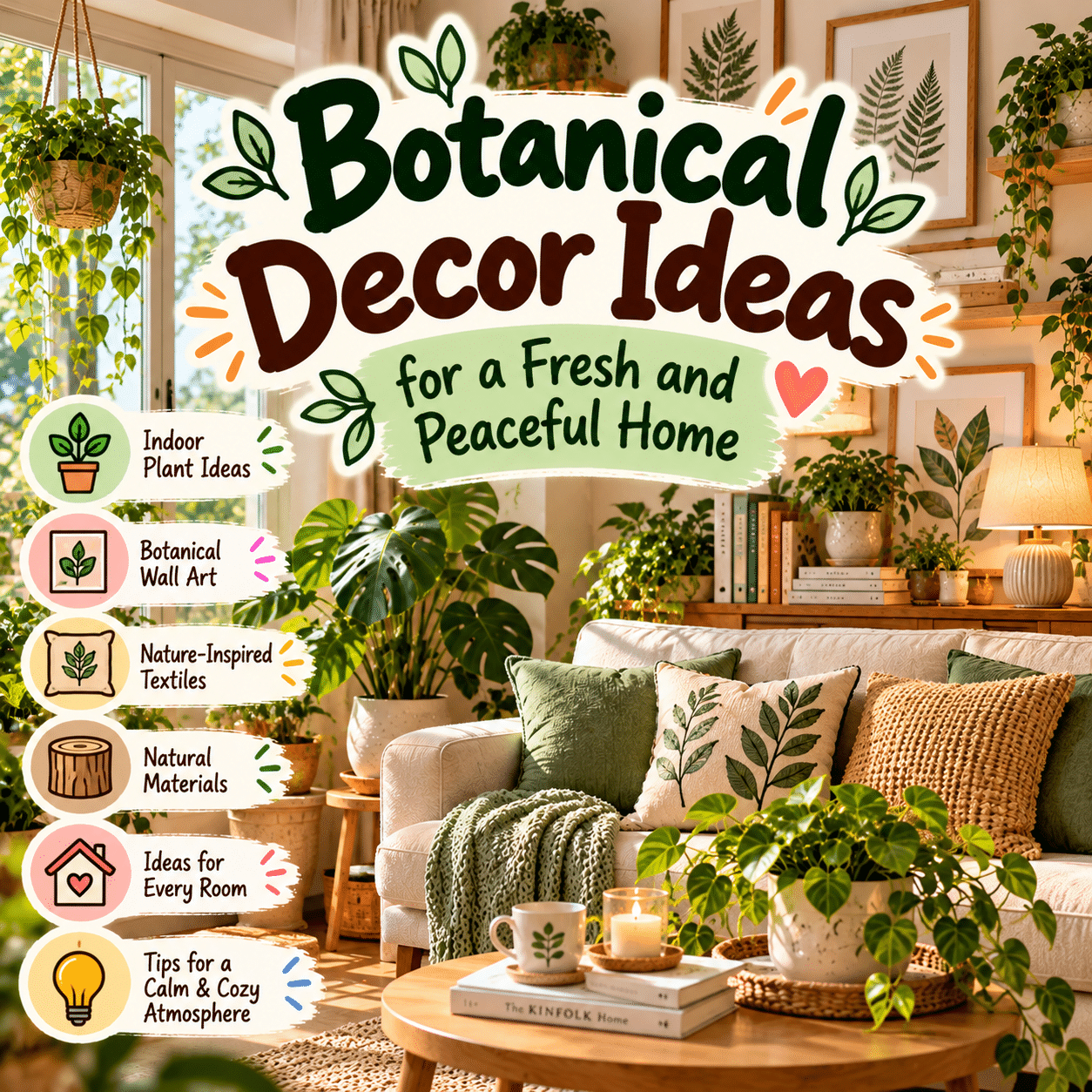
A home inspired by nature has a special kind of charm. The gentle green of leaves, the warmth of wooden furniture, the delicate beauty of botanical artwork, and the organic textures of natural materials can transform ordinary living spaces into welcoming environments that feel fresh, comfortable, and peaceful.
Botanical decor is one of the most versatile ways to introduce nature-inspired beauty into a home. It works beautifully in modern apartments, cozy cottages, minimalist interiors, traditional houses, and compact urban living spaces.
You do not need an extensive collection of houseplants or a large decorating budget to create a botanical atmosphere. A few thoughtfully selected elements—such as leafy plants, floral illustrations, natural textiles, ceramic planters, and soft green accents—can establish a cohesive style.
The key is to balance natural beauty with everyday functionality.
A peaceful botanical interior should feel inviting rather than overcrowded. Plants need suitable growing conditions, furniture should remain comfortable, and decorative objects should complement the room without creating unnecessary clutter.
Botanical decorating also offers flexibility. You can create a lush, garden-inspired living room, a calm bedroom with subtle leaf patterns, a cheerful kitchen herb display, or a simple home office accented with greenery.
For homes with limited sunlight or households where living plants are impractical, botanical prints, artificial foliage, natural materials, and nature-inspired colors provide attractive alternatives.
This guide explores creative botanical decor ideas for every room, including plant displays, wall art, natural color palettes, decorative accessories, sustainable styling choices, and practical ways to maintain a harmonious interior.
Whether you prefer understated elegance or abundant greenery, these ideas can help you create a home that celebrates the timeless beauty of nature.
1. Understand the Beauty of Botanical Interior Design
Botanical interior design draws inspiration from plants, flowers, leaves, trees, and natural landscapes.
Rather than following a single decorating style, it incorporates natural elements into different interior aesthetics.
A minimalist home might feature one sculptural plant and a framed leaf illustration. A traditional living room could combine floral upholstery with wooden furniture and ceramic vases. A contemporary apartment may use oversized botanical artwork, simple planters, and muted green accents.
Essential Elements of Botanical Decor
Common botanical decorating features include:
- Indoor plants and natural greenery.
- Botanical illustrations and framed prints.
- Floral and leaf-patterned textiles.
- Natural wood furniture.
- Ceramic, terracotta, and stone-inspired accessories.
- Earthy and nature-inspired colors.
- Woven baskets and organic textures.
- Dried botanical arrangements.
- Nature photography.
- Decorative objects inspired by plant shapes.
Not every home needs all these elements.
A successful botanical interior usually begins with a few complementary choices that reflect the existing space.
Focus on Balance
Botanical decor should enhance a room rather than overwhelm it.
Consider the proportions of plants, artwork, furniture, and accessories.
Leave enough open space for everyday activities and comfortable movement.
2. Choose a Fresh Botanical Color Palette
Color is one of the easiest ways to establish a nature-inspired atmosphere.
A cohesive palette can make a room feel connected even when botanical elements appear in different forms.
Sage Green and Warm White
Sage green offers a gentle botanical appearance.
Pair it with warm white walls, cream textiles, and natural wood for a soft, welcoming interior.
Olive Green and Earthy Brown
Olive green complements darker wooden furniture and warm brown accessories.
This combination can create a rich, grounded atmosphere.
Botanical Green and Beige
Green foliage looks beautiful against beige, sand, and oatmeal-colored backgrounds.
These neutral shades allow plants and botanical artwork to become focal points.
Soft Pink and Leafy Green
Muted pink can complement floral illustrations and delicate greenery.
Use it through cushions, artwork, or small decorative accessories.
Terracotta and Natural Green
Terracotta planters and earthy accents provide warmth against green foliage.
Cream, Wood, and Subtle Green
A predominantly neutral room can introduce botanical character through a few green accents.
Keep the Palette Cohesive
Choose one main color, one or two supporting shades, and a limited number of accents.
This creates visual harmony without requiring every decorative object to match.
3. Create a Botanical Living Room With Indoor Plants
The living room is an ideal place to introduce botanical decor because it often provides opportunities for larger plant displays and decorative arrangements.
Choose a Statement Plant
A suitable floor plant can become a natural focal point.
Select a species that matches the room’s available light, temperature, and maintenance conditions.
Consider the plant’s mature size before purchasing.
Add Smaller Supporting Plants
Place compact plants on shelves, side tables, or suitable stands.
Different leaf shapes can create visual variety.
Use Decorative Planters
Ceramic, terracotta, and neutral-colored containers can complement the room’s furniture.
Combine Plants With Natural Materials
Wooden side tables, woven baskets, and textured cushions can reinforce the botanical atmosphere.
Preserve Comfortable Movement
Avoid positioning large plants where they obstruct doors, seating, or walkways.
Keep Plant Care Practical
Every plant should remain accessible for watering, cleaning, and inspection.
4. Decorate With Beautiful Botanical Wall Art
Botanical wall art is a timeless decorating option.
It introduces natural imagery without requiring additional floor space or ongoing plant care.
Framed Leaf Illustrations
Illustrations of leaves, branches, and botanical specimens can complement modern and traditional interiors.
Vintage Botanical Prints
Vintage-style botanical illustrations often feature detailed plant drawings and classic typography.
They work particularly well with wooden frames and warm neutral colors.
Contemporary Botanical Artwork
Abstract leaves, simplified floral shapes, and watercolor designs can create a modern appearance.
Nature Photography
Photographs of gardens, forests, flowers, and landscapes offer another way to connect a room with the outdoors.
Create a Botanical Gallery Wall
Combine several related prints in a coordinated arrangement.
Use consistent framing or a complementary color palette.
Try One Large Statement Print
A single oversized botanical artwork may create a stronger focal point than numerous small decorations.
Choose Meaningful Images
Artwork inspired by favorite flowers, memorable gardens, or personal travel experiences can make the room feel more individual.
5. Style Botanical Prints Above the Sofa
The wall above a sofa often provides an excellent location for botanical artwork.
Choose the Right Scale
Select artwork that complements the sofa’s dimensions.
A piece that is too small may appear disconnected from the furniture.
Use a Coordinated Series
Two or three related botanical prints can create a balanced arrangement.
Consider Natural Frames
Wooden frames can reinforce the nature-inspired theme.
Mix Botanical Subjects
Combine leaf illustrations, delicate flowers, and nature photography when the styles work together.
Maintain Visual Balance
Leave appropriate spacing between frames.
Avoid Excessive Decoration
Allow the artwork to remain the main visual feature.
6. Introduce Botanical Patterns Through Textiles
Textiles provide an easy way to experiment with botanical decorating.
They can introduce leaves, flowers, and natural colors without permanent changes to the room.
Leaf-Patterned Cushions
A few cushions with botanical patterns can refresh a neutral sofa.
Floral Curtains
Curtains featuring subtle floral designs can soften the appearance of windows.
Botanical Bedding
Leaf prints or delicate floral patterns can create a nature-inspired bedroom.
Nature-Inspired Rugs
A rug with organic shapes or muted botanical colors can help define a seating area.
Table Runners
Botanical table textiles can add character to dining spaces.
Upholstered Accent Chairs
A botanical-patterned chair may become a decorative focal point.
Balance Patterns With Plain Fabrics
Avoid combining too many competing prints.
Pair patterned textiles with solid-colored furniture and accessories.
7. Create a Peaceful Botanical Bedroom
A botanical bedroom can combine gentle colors, natural textures, and carefully selected greenery.
Begin With Soft Colors
Cream, warm white, muted green, and beige can create a cohesive foundation.
Add Botanical Bedding
Choose leaf-patterned bedding or subtle floral designs.
Display Nature-Inspired Artwork
A framed botanical print above the bed can provide a decorative focal point.
Introduce a Small Plant
A suitable plant on a dresser or near a window may add natural greenery.
Use Wooden Furniture
Wooden bedside tables, shelves, and frames complement botanical decor.
Include Soft Textures
Cotton bedding, linen-look curtains, and comfortable cushions can make the room feel inviting.
Avoid Overcrowding
Keep bedside tables and walkways functional.
Maintain Realistic Expectations
Indoor plants can provide decorative enjoyment, but ordinary houseplant collections should not be relied upon to meaningfully purify bedroom air.
8. Add Botanical Charm to the Kitchen
Kitchens can incorporate botanical elements through plants, artwork, storage accessories, and natural materials.
Create a Windowsill Herb Display
A bright kitchen window may support suitable culinary herbs.
Choose plants according to their individual light and watering needs.
Display Botanical Prints
Small framed herb or vegetable illustrations can complement kitchen decor.
Use Wooden Accessories
Wooden trays, shelves, and suitable kitchen tools can introduce natural warmth.
Choose Ceramic Containers
Ceramic jars and planters can reinforce the botanical style.
Introduce Green Accents
Muted green towels, containers, or decorative accessories can complement neutral cabinetry.
Add a Small Shelf Plant
A compact plant may soften the appearance of open shelves.
Keep Food Preparation Areas Safe
Avoid placing soil, fertilizers, or plant drainage water near food preparation surfaces.
Keep greenery away from cooking heat.
9. Create a Botanical Dining Room
Botanical decor can make dining spaces feel welcoming and connected to nature.
Use a Plant Centerpiece
A compact potted plant can provide a simple table focal point.
Choose an arrangement that does not obstruct conversation.
Try a Botanical Table Runner
A subtle leaf or floral pattern can introduce visual interest.
Display Botanical Artwork
Nature-inspired prints can complement dining room walls.
Add a Sideboard Plant Display
A few plants or botanical accessories can decorate a sideboard.
Combine Greenery With Natural Wood
Wooden tables and chairs work beautifully with plant-inspired colors.
Choose Simple Ceramic Tableware
Earthy ceramics can reinforce the natural theme.
Preserve Practical Dining Space
Avoid excessive decorations that interfere with serving and cleaning.
10. Design a Botanical Home Office
A botanical home office can combine professional functionality with a welcoming natural atmosphere.
Add a Compact Desk Plant
Choose a plant that fits comfortably beside working equipment.
Display Botanical Artwork
A framed leaf illustration can soften the appearance of an office wall.
Introduce Wooden Desk Accessories
A wooden organizer or suitable desk shelf can add natural texture.
Use a Botanical Desk Mat
A subtle leaf pattern or green accent may introduce personality.
Choose a Cohesive Palette
Muted green, cream, and natural wood can complement many office interiors.
Keep the Desk Organized
Decorative objects should not interfere with typing, writing, or other work.
Protect Electronics
Position plants and water containers away from electrical equipment.
11. Decorate a Reading Nook With Botanical Details
A reading nook can become a cozy retreat with a few carefully selected natural elements.
Add a Plant Beside the Chair
A medium-sized plant may soften the appearance of the seating area.
Choose a Botanical Cushion
A leaf-patterned cushion can introduce color and comfort.
Use a Wooden Side Table
A compact table provides space for books and drinks.
Display Nature Photography
A framed garden or forest photograph can complement the atmosphere.
Add a Soft Throw
Neutral textiles can create a warm, inviting appearance.
Provide Suitable Reading Light
Natural daylight can be pleasant, but a reading nook also needs appropriate task lighting.
Keep Books Protected
Avoid placing watering containers where they could damage books or paper materials.
12. Create a Botanical Bathroom
Bathrooms can benefit from greenery and natural textures, provided the environment is suitable.
Evaluate Natural Light
A bathroom with a window may support plants adapted to its conditions.
Windowless bathrooms generally require appropriate artificial grow lighting for living plants.
Choose Suitable Greenery
Some tropical foliage plants appreciate humid conditions, but individual requirements vary.
Display Botanical Artwork
Moisture-resistant framed prints can introduce natural imagery.
Use Wooden-Look Accessories
Choose materials designed for bathroom humidity.
Add Natural Colors
Stone gray, cream, and muted green can create a cohesive palette.
Include Decorative Storage
Suitable baskets and containers can organize towels and supplies.
Maintain Ventilation
Decorations should not obstruct airflow or moisture control.
13. Welcome Guests With a Botanical Entryway
An entryway can introduce the home’s natural decorating style.
Place a Plant on a Console Table
A compact plant may provide a welcoming accent.
Hang Botanical Artwork
A framed leaf illustration can establish the theme immediately.
Use a Wooden Tray
A decorative tray can organize keys and small essentials.
Add a Woven Basket
A suitable basket may provide practical storage.
Choose a Simple Color Palette
Green, cream, and wood tones can create a harmonious appearance.
Keep Walkways Clear
Avoid oversized plants or furniture that obstruct doors.
Consider Available Light
If the entryway is dark, botanical prints or artificial greenery may be more practical than living plants.
14. Create a Beautiful Botanical Shelf Display
Shelves provide opportunities to combine plants, books, and decorative objects.
Begin With a Small Plant
A compact plant can introduce greenery.
Add Botanical Books
Books featuring plants, gardens, or nature photography can complement the display.
Include Ceramic Accessories
A vase or decorative bowl can add texture.
Mix Heights and Shapes
Combine upright objects with lower decorative pieces.
Leave Empty Space
Avoid filling every shelf completely.
Coordinate Colors
Use related shades to create a cohesive arrangement.
Protect Furniture
Place plants in suitable containers and prevent moisture damage.
15. Use Hanging Plants as Botanical Decor
Hanging plants can add graceful lines and make use of vertical space.
Choose Suitable Trailing Plants
Select species appropriate for the available light.
Use Decorative Hangers
Macramé-style hangers and ceramic planters can complement botanical interiors.
Hang Plants Near Windows
Position plants where they receive appropriate illumination.
Vary Display Heights
Different elevations can create visual interest.
Avoid Walkway Hazards
Keep hanging containers clear of doors and frequently used areas.
Install Supports Securely
Use appropriate structural hardware and observe weight limits.
Plan for Watering
Ensure plants can be accessed safely without spilling water onto furniture or floors.
16. Create a Botanical Corner With Layered Greenery
A dedicated plant corner can become a beautiful feature in a living room or other suitable space.
Choose One Focal Plant
A larger plant establishes the main visual element.
Add Medium-Sized Plants
Supporting plants create depth.
Include Compact Greenery
Smaller plants can fill lower visual areas.
Use Plant Stands
Stands can create different elevations.
Coordinate Containers
Choose related colors or materials.
Maintain Airflow
Avoid packing plants too tightly.
Keep the Collection Manageable
Every plant should remain accessible for care.
17. Explore Botanical Wallpaper Ideas
Botanical wallpaper can transform a wall into a nature-inspired feature.
Large Leaf Patterns
Oversized foliage designs can create a bold focal point.
Delicate Floral Prints
Small floral patterns may suit bedrooms and cozy living areas.
Watercolor Botanicals
Soft watercolor designs can create a gentle appearance.
Vintage Botanical Patterns
Traditional floral and leaf illustrations can complement classic furniture.
Neutral Botanical Wallpaper
Subtle beige or gray patterns can introduce texture without strong color contrast.
Create an Accent Wall
A single feature wall may be sufficient in a small room.
Consider Removable Options
Removable wallpaper may offer flexibility, but check surface compatibility and installation instructions.
18. Use Botanical Curtains and Window Treatments
Windows offer another opportunity to introduce nature-inspired patterns.
Choose Subtle Leaf Prints
Gentle foliage patterns can complement neutral walls.
Try Floral Designs
Small floral motifs may add charm.
Consider Light-Filtering Fabrics
Suitable curtains can soften daylight while maintaining privacy.
Coordinate With Other Textiles
Choose patterns that complement cushions and rugs.
Avoid Overly Busy Combinations
If curtains feature bold botanical prints, keep nearby accessories relatively simple.
Consider Maintenance
Choose fabrics suited to the room and cleaning requirements.
19. Decorate With Botanical Ceramics and Vases
Ceramic accessories offer a practical way to introduce botanical character.
Leaf-Shaped Bowls
Decorative bowls inspired by foliage can add sculptural interest.
Floral Ceramic Vases
Vases featuring botanical patterns can complement shelves and tables.
Terracotta Planters
Terracotta adds warmth and natural texture.
Minimalist Ceramic Pots
Simple containers can emphasize the beauty of living plants.
Handmade-Style Ceramics
Subtle variations in shape and finish can add character.
Coordinate Materials
Ceramics work beautifully with wood, woven fibers, and natural textiles.
Avoid Excessive Accessories
A few meaningful pieces can create a more balanced arrangement.
20. Introduce Dried Flowers and Botanical Arrangements
Dried botanical decorations can provide natural texture without requiring regular watering.
Simple Dried Flower Bouquets
A small arrangement can decorate a side table or shelf.
Decorative Branches
Branches can introduce sculptural shapes.
Dried Grasses
Suitable grasses may complement neutral interiors.
Botanical Wreaths
A wreath can add natural character to a wall or door.
Pressed Flower Art
Pressed botanical specimens can become framed decorative pieces.
Consider Dust and Allergies
Dried materials may collect dust or shed particles.
Prioritize Fire Safety
Keep dried flowers and branches away from candles, open flames, and heat sources.
21. Create Botanical Decor With Pressed Flowers
Pressed flowers and leaves offer opportunities for delicate decorative artwork.
Frame Individual Specimens
A single pressed leaf can become a minimalist artwork.
Create a Botanical Collection
Arrange several specimens in coordinated frames.
Use Transparent Display Frames
Suitable frames can highlight the natural shapes of flowers and leaves.
Label Botanical Artwork
Simple labels can add an educational or vintage-inspired touch.
Preserve Materials Properly
Pressed plants should be thoroughly dried before framing.
Protect From Strong Sunlight
Direct sunlight may fade botanical specimens.
Collect Responsibly
Avoid taking protected plants or removing specimens from locations where collection is prohibited.
22. Combine Botanical Decor With Natural Wood
Wood and greenery create a classic nature-inspired combination.
Wooden Coffee Tables
A wooden table can complement a plant centerpiece.
Floating Wooden Shelves
Shelves can display botanical artwork and small plants.
Wooden Picture Frames
Natural wood frames can reinforce the organic theme.
Wooden Storage Furniture
Suitable cabinets and benches combine practicality with warmth.
Light Wood for Airy Interiors
Pale wood tones can complement white and sage green.
Dark Wood for Rich Contrast
Darker finishes can create a more traditional or dramatic appearance.
Choose Durable Materials
Consider maintenance, moisture exposure, and responsible sourcing.
23. Create a Minimalist Botanical Interior
Botanical decorating can be subtle and restrained.
A minimalist approach emphasizes a few carefully chosen natural elements.
Select One Statement Plant
A distinctive plant may become the focal point.
Use Simple Planters
Neutral containers keep the arrangement visually calm.
Display One Botanical Artwork
A single framed print can introduce nature-inspired imagery.
Choose Soft Colors
Cream, beige, muted green, and natural wood provide a cohesive foundation.
Limit Decorative Objects
Keep surfaces relatively clear.
Focus on Proportion
Choose plants and accessories that suit the room.
Allow Empty Space
Visual simplicity can help individual botanical elements stand out.
24. Design a Lush Botanical Interior
For those who enjoy abundant greenery, a layered botanical interior can create a garden-inspired atmosphere.
Combine Different Leaf Shapes
Broad leaves, narrow foliage, and trailing plants can create visual variety.
Use Multiple Heights
Floor plants, shelves, and stands can establish depth.
Add Botanical Artwork
Artwork can reinforce the theme without requiring additional plants.
Introduce Natural Textures
Wood, ceramic, and woven accessories complement greenery.
Choose Coordinated Containers
A consistent palette can unify a large collection.
Avoid Overcrowding
Plants need suitable light, airflow, and access for maintenance.
Monitor Plant Health
Inspect foliage regularly for pests and other problems.
25. Decorate Small Spaces With Botanical Details
Compact rooms can incorporate botanical beauty without sacrificing functionality.
Use Vertical Shelves
Suitable shelves can display small plants and artwork.
Choose Compact Planters
Small containers may fit on desks, tables, and windowsills.
Try Botanical Wall Art
Artwork adds natural imagery without using floor space.
Introduce Leaf-Patterned Cushions
Textiles can refresh existing furniture.
Use a Narrow Plant Stand
A slim stand may fit beside a window.
Keep Colors Cohesive
A limited palette can help the room feel visually connected.
Avoid Oversized Decorations
Choose accessories appropriate for the available space.
26. Bring Botanical Beauty Into Low-Light Rooms
Not every room receives enough natural light for living plants.
Fortunately, botanical decorating can work without them.
Use Botanical Artwork
Leaf illustrations and nature photography can provide natural imagery.
Try Artificial Greenery
Well-designed artificial plants can create decorative foliage.
Choose Green Textiles
Cushions, curtains, and rugs can introduce botanical colors.
Add Natural Wood
Wooden accessories create warmth.
Display Ceramic Planters
Decorative containers can complement the theme even without living plants.
Consider Suitable Grow Lighting
If you want living plants in a dark room, appropriate grow lighting may be necessary.
Avoid Misunderstanding Low-Light Plants
Plants described as low-light tolerant still require sufficient light for sustained growth.
27. Create Botanical Decor That Is Easy to Maintain
A beautiful home should not require excessive effort to keep organized.
Choose Plants That Match Your Routine
Select varieties suited to your available time and growing conditions.
Use Practical Containers
Planters should provide appropriate drainage and be easy to handle.
Limit Decorative Clutter
A manageable collection is easier to clean.
Choose Washable Textiles
Consider maintenance when selecting cushions and curtains.
Use Durable Accessories
Choose materials appropriate for the room’s environment.
Keep Plants Accessible
Avoid displays that require unsafe reaching.
Refresh Arrangements Occasionally
Rearranging existing accessories can create variety without constant purchases.
28. Make Botanical Decorating More Sustainable
Nature-inspired decorating can encourage thoughtful purchasing and responsible use of materials.
Reuse Existing Planters
Suitable containers can be refreshed or repurposed.
Choose Durable Furniture
Long-lasting pieces may reduce replacement needs.
Consider Secondhand Accessories
Frames, shelves, and decorative ceramics may be available secondhand.
Avoid Unnecessary Purchases
Choose items that genuinely contribute to your home.
Select Appropriate Plants
Plants suited to your conditions may require fewer replacements.
Use Water Thoughtfully
Water according to individual plant needs.
Consider Responsible Materials
Look for credible information about sourcing and durability when purchasing wood and natural-fiber products.
29. Common Botanical Decorating Mistakes to Avoid
Even beautiful natural elements can become impractical when used without planning.
Overcrowding With Plants
Too many plants can make a room difficult to navigate and maintain.
Ignoring Light Requirements
Living plants need suitable illumination.
Mixing Too Many Patterns
Excessive botanical prints may create visual clutter.
Choosing Oversized Accessories
Large objects can overwhelm compact rooms.
Forgetting About Drainage
Water can damage furniture and flooring.
Using Unstable Plant Stands
Heavy containers require secure support.
Overlooking Pet Safety
Some popular houseplants are toxic to cats and dogs.
Placing Plants Near Heat Sources
Strong heat and unsuitable airflow can damage foliage.
Assuming Plants Replace Ventilation
Ordinary houseplant collections do not provide meaningful air purification under typical indoor conditions.
Decorating Without Considering Function
A peaceful home should remain comfortable and practical.
30. Botanical Decor Ideas for Every Room
| Room | Botanical Decor Idea | Styling Benefit |
|---|---|---|
| Living room | Statement plant and botanical artwork | Creates a natural focal point |
| Bedroom | Leaf-patterned bedding and soft green accents | Adds gentle visual warmth |
| Kitchen | Herb display and botanical prints | Combines greenery with everyday function |
| Dining room | Plant centerpiece and natural textiles | Creates a welcoming atmosphere |
| Home office | Small desk plant and wooden accessories | Softens the workspace |
| Reading nook | Floor plant and botanical cushion | Creates a cozy retreat |
| Bathroom | Suitable greenery and nature-inspired colors | Adds natural character |
| Entryway | Compact plant and botanical wall art | Establishes a welcoming first impression |
| Hallway | Framed botanical illustrations | Adds interest without occupying floor space |
| Small apartment | Vertical greenery and coordinated accessories | Preserves valuable living space |
| Low-light room | Botanical prints and artificial foliage | Provides a practical alternative |
| Balcony | Container plants and natural outdoor accessories | Extends the botanical theme outdoors |
These ideas can be adapted to different room sizes, lighting conditions, and decorating preferences.
31. A Step-by-Step Botanical Home Makeover
Creating a botanical interior does not require redesigning every room at once.
A gradual approach can produce a cohesive result.
Step 1: Evaluate Your Existing Space
Observe the room’s furniture, colors, lighting, and available surfaces.
Step 2: Choose a Botanical Style
Decide whether you prefer minimalist greenery, vintage botanical artwork, lush foliage, or a combination.
Step 3: Select a Color Palette
Choose natural shades that complement existing furniture.
Step 4: Introduce One Focal Element
Start with a suitable plant, botanical print, or decorative accessory.
Step 5: Add Supporting Textures
Use wood, ceramic, or suitable textiles to create depth.
Step 6: Incorporate Greenery
Choose plants based on actual growing conditions.
Step 7: Organize Decorative Displays
Arrange accessories by height, shape, and color.
Step 8: Preserve Functionality
Keep furniture accessible and walkways clear.
Step 9: Review Safety and Maintenance
Check plant toxicity, container stability, drainage, and electrical safety.
Step 10: Refine Over Time
Allow the room to evolve naturally as your preferences and needs change.
32. Botanical Home Decor Checklist
Use this checklist when creating or refreshing a botanical interior.
Colors and Style
- The color palette feels cohesive.
- Botanical patterns complement the furniture.
- Natural textures are used thoughtfully.
- Decorative elements reflect my preferences.
- The room has enough visual breathing space.
Plants and Greenery
- Living plants match available light.
- Containers provide appropriate drainage.
- Plants have room to grow.
- Plant safety has been checked for children and pets.
- Every plant is accessible for maintenance.
Decorative Accessories
- Botanical artwork is appropriately sized.
- Shelves and stands are stable.
- Textiles are suitable for everyday use.
- Decorative objects are easy to clean.
- Accessories complement rather than overwhelm the room.
Functionality
- Walkways remain clear.
- Furniture is comfortable and accessible.
- Water is kept away from electrical equipment.
- Natural light and ventilation remain functional.
- The space supports everyday activities.
Long-Term Enjoyment
- Plant care fits my routine.
- Materials are durable.
- Decorations can be rearranged easily.
- Unnecessary clutter is minimized.
- The home feels welcoming and personal.
Frequently Asked Questions About Botanical Home Decor
1. What is botanical decor?
Botanical decor is an interior decorating approach inspired by plants, flowers, leaves, and natural landscapes.
It may include living plants, botanical artwork, floral textiles, natural materials, and nature-inspired colors.
2. How can I make my home feel more botanical?
Start with a few natural elements, such as a suitable houseplant, botanical print, wooden accessory, or leaf-patterned cushion.
Choose a cohesive palette and avoid overcrowding the space.
3. What colors work best with botanical decor?
Sage green, olive green, cream, beige, terracotta, earthy brown, and soft gray are versatile options.
The best palette depends on your furniture, lighting, and personal preferences.
4. Can botanical decor work in a modern home?
Yes. Botanical decor complements contemporary interiors beautifully.
Simple planters, large leaf artwork, natural wood, and restrained green accents can soften modern furniture and architectural lines.
5. How can I decorate with botanicals without using real plants?
Use botanical prints, floral textiles, nature photography, artificial greenery, and organic-shaped accessories.
These options are particularly useful in rooms with limited light or where plant care is impractical.
6. Is botanical decor suitable for small apartments?
Yes. Compact plants, vertical shelves, framed artwork, and subtle botanical textiles can introduce natural beauty without consuming much floor space.
Choose appropriately sized accessories.
7. How do I combine botanical patterns without making a room look busy?
Choose one dominant botanical pattern and support it with simpler designs or solid colors.
Repeat related colors to create visual continuity.
Leave some surfaces undecorated.
8. Are botanical interiors difficult to maintain?
Not necessarily.
A botanical interior can be low-maintenance when it uses a manageable number of suitable plants, durable materials, and practical accessories.
Artwork and artificial greenery provide alternatives to living plants.
9. Are all indoor plants safe for pets?
No. Some common houseplants are toxic to cats and dogs.
Verify the safety of each plant species before bringing it home.
Keep potentially harmful plants and gardening products inaccessible.
10. Can botanical decor make a room feel peaceful?
Botanical colors, natural textures, and thoughtfully arranged greenery can create a visually gentle and welcoming atmosphere.
However, personal responses to decorating styles vary.
Comfortable furniture, suitable lighting, and manageable clutter are also important.
11. How can I create botanical decor on a budget?
Reuse existing planters, display personal nature photography, refresh cushion covers, and consider suitable secondhand accessories.
Start with one or two meaningful changes rather than purchasing many items at once.
12. Is botanical decor a timeless interior style?
Botanical motifs and natural materials have appeared in interior decoration across many periods and styles.
Their versatility makes them adaptable to changing preferences.
Choosing durable materials and designs you genuinely enjoy can help create a lasting interior.
Conclusion: Create a Fresh and Peaceful Home Inspired by Nature
Botanical decor offers a beautiful and flexible way to bring nature-inspired character into everyday living spaces.
From the simple elegance of a framed leaf illustration to the vibrant presence of indoor greenery, botanical elements can make a home feel more welcoming, personal, and visually connected to the outdoors.
The most successful botanical interiors combine natural beauty with thoughtful design. A cohesive color palette, comfortable furniture, practical storage, and carefully selected accessories create a foundation that allows plants and botanical details to shine.
You do not need to fill every room with greenery or invest in an elaborate decorating project. A few meaningful choices can transform the atmosphere of a space.
A botanical cushion can refresh a sofa. A wooden shelf can introduce warmth. A small plant can brighten a suitable window corner. A nature-inspired artwork can bring visual interest to a room where living plants are impractical.
Most importantly, botanical decorating should reflect the way you live.
Choose plants that suit your environment, materials that are easy to maintain, and decorative elements that bring you genuine enjoyment.
Allow your home to evolve gradually, combining natural textures, gentle colors, and personal details in a way that feels comfortable and authentic.
With thoughtful styling and an appreciation for the enduring beauty of nature, any home can become a fresh, peaceful, and inspiring place to enjoy everyday life.