Indoor plants have a wonderful ability to bring natural beauty, color, and personality into everyday living spaces. From delicate trailing vines to sculptural foliage plants, greenery can soften furniture, complement interior colors, and create welcoming corners throughout the home.
One of the most creative ways to display indoor plants is by arranging them on shelves.
Plant shelves offer a practical combination of decoration and organization. They allow you to display several plants at different heights, experiment with containers and textures, and make use of vertical space without filling the floor with individual planters.
Whether you have a spacious living room, a compact apartment, a cozy bedroom, or a small home office, a thoughtfully arranged plant shelf can become a beautiful feature of your interior.
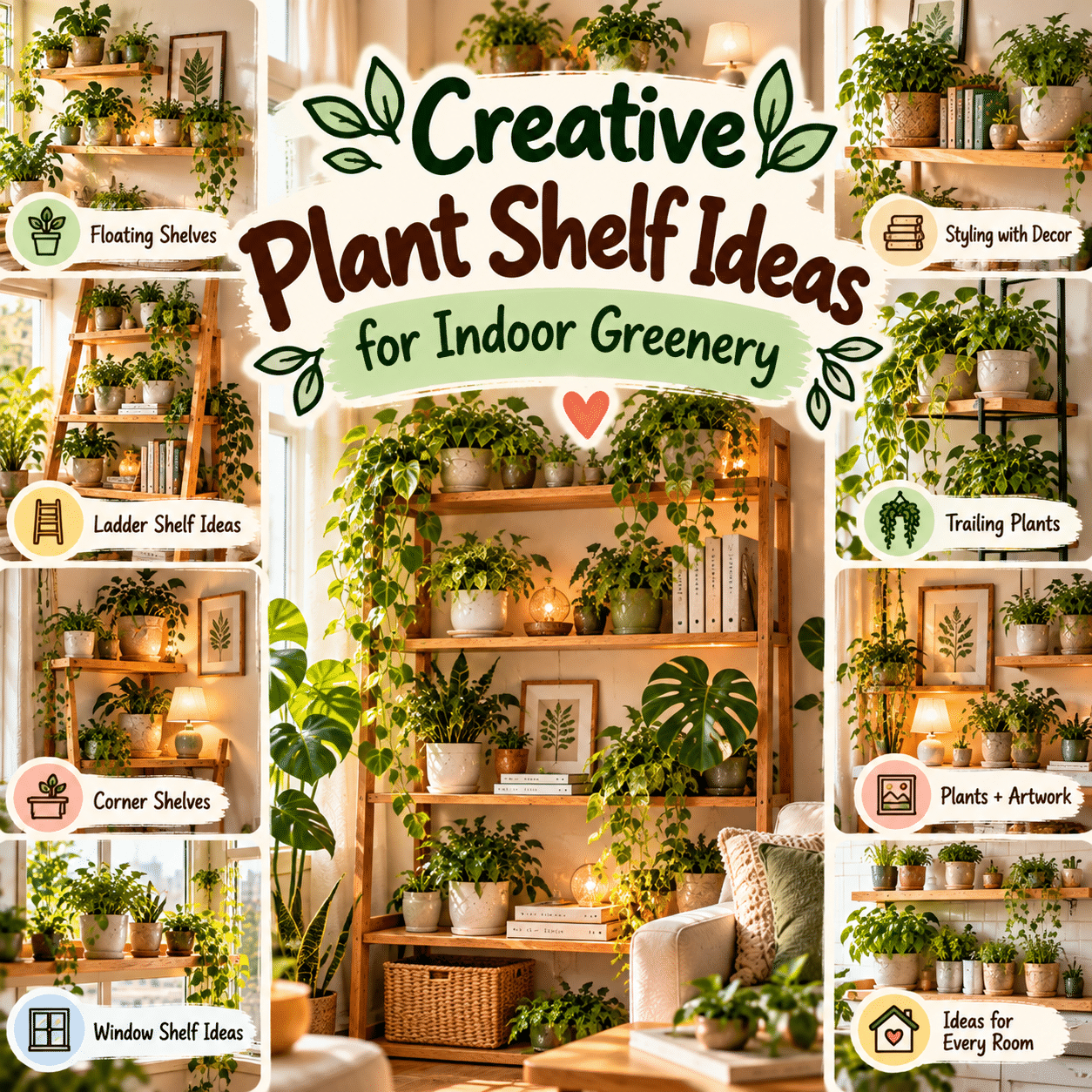
The possibilities are surprisingly diverse. Floating shelves can create a clean, minimalist display. Wooden shelving units can introduce warmth and natural texture. Ladder shelves can showcase plants in layers, while corner shelves can transform overlooked spaces into charming greenery displays.
Plant shelves also provide opportunities to express personal style. You might prefer a lush botanical arrangement filled with different leaf shapes, a carefully coordinated collection of ceramic pots, or a simple shelf featuring one beautiful plant alongside books and meaningful decorative objects.
However, an attractive plant shelf should do more than look beautiful.
Living plants need suitable light, appropriate watering, adequate airflow, and enough space to grow. Shelves must also support the weight of containers, soil, and water, while remaining stable and accessible for maintenance.
The most successful plant displays balance these practical considerations with creative styling.
This guide explores inspiring plant shelf ideas for different rooms, interior styles, and available spaces. It also covers plant selection, shelf materials, decorative arrangements, lighting, organization, and long-term maintenance to help you create indoor greenery displays that remain beautiful and functional over time.
1. Start With the Purpose of Your Plant Shelf
Before selecting shelves or arranging plants, consider what you want your display to accomplish.
A plant shelf may serve as a decorative focal point, a practical home for an expanding plant collection, or a space-saving alternative to individual floor planters.
Understanding your priorities helps you choose the right structure and arrangement.
Create a Decorative Focal Point
A carefully styled shelf can become an attractive feature above a cabinet, beside a window, or along a living room wall.
Choose plants with distinctive foliage and containers that complement the surrounding furniture.
Organize an Existing Plant Collection
If you already own several houseplants, a shelving unit can bring them together in one convenient location.
Group plants according to their growing requirements rather than appearance alone.
Save Valuable Floor Space
Vertical shelving can be especially useful in small apartments.
It allows greenery to occupy wall space while preserving room for seating, storage, and movement.
Combine Plants With Everyday Decor
Plant shelves do not need to contain only plants.
Books, framed photographs, ceramic objects, and other meaningful accessories can create a balanced display.
Make Plant Care Convenient
Choose a shelf that allows you to inspect, water, rotate, and clean plants without difficulty.
A beautiful arrangement should remain practical for everyday use.
2. Choose the Right Location for Your Indoor Plant Shelf
Location is one of the most important decisions when creating a plant display.
Different areas of the home provide different light conditions, temperatures, and maintenance opportunities.
Near a Bright Window
A shelf near a window may provide suitable natural light for many houseplants.
However, the amount and intensity of light depend on window direction, distance, seasonal changes, and nearby obstructions.
Against a Living Room Wall
A shelving unit can transform an empty wall into a decorative greenery feature.
Choose plants suited to the available light rather than assuming that a visually attractive location will support healthy growth.
Beside a Reading Corner
A plant shelf can complement a comfortable chair, side table, and reading lamp.
Keep foliage clear of essential lighting and seating space.
In a Home Office
A compact shelf can introduce greenery without occupying valuable desk space.
Protect electronics and documents from watering spills.
In a Bedroom
A small plant shelf may add natural character to a bedroom.
Choose a location that does not obstruct movement or interfere with furniture.
In a Kitchen
A shelf may accommodate suitable herbs or decorative plants.
Keep containers away from cooking heat and food preparation surfaces.
3. Create a Minimalist Floating Plant Shelf
Floating shelves are a popular option for modern interiors because they provide display space without visually heavy furniture.
Their simple lines allow the plants themselves to become the main attraction.
Choose a Clean Shelf Design
A simple wooden or neutral-colored shelf can complement many decorating styles.
Display a Few Carefully Selected Plants
Two or three plants may be enough to create an attractive arrangement.
Avoid filling every inch of the shelf.
Mix Plant Shapes
Combine an upright plant with a compact rounded plant or a trailing variety.
Different growth habits create visual interest.
Use Coordinated Planters
Containers in white, beige, terracotta, or muted green can establish a cohesive palette.
Preserve Negative Space
Leave some empty space between plants and decorative objects.
This helps each element stand out.
Install Shelves Securely
Floating shelves must be attached using appropriate hardware for the wall construction and expected load.
Wet potting mix and ceramic containers can add considerable weight.
4. Design a Beautiful Wooden Plant Shelf
Wooden shelving brings warmth and organic texture to indoor greenery displays.
The natural appearance of wood complements leaves, branches, and many decorative planters.
Light Wood for an Airy Interior
Pale wood tones work well with white walls, neutral furniture, and soft green foliage.
Medium Wood for a Cozy Atmosphere
Warm wooden finishes can create a welcoming appearance in living rooms and bedrooms.
Dark Wood for Rich Contrast
Darker shelving can provide an elegant backdrop for bright green foliage.
Choose a Suitable Finish
Wooden shelves should be protected from repeated moisture exposure.
Use appropriate trays and waterproof barriers beneath containers.
Consider Durability
Choose shelves with sufficient strength and stable construction.
Coordinate With Existing Furniture
Matching or complementing nearby wood tones can make the display feel intentional.
5. Use a Ladder Shelf for Layered Greenery
Ladder shelves provide an attractive way to display plants at different heights.
Their tiered structure naturally creates visual depth.
Place Taller Plants on Suitable Lower Shelves
Larger containers are often more stable on lower levels.
Always follow the shelf manufacturer’s weight limits.
Use Compact Plants on Upper Shelves
Smaller containers can create a lighter appearance toward the top.
Add Trailing Foliage
A trailing plant may create graceful lines along the side of the shelf.
Mix Plants With Decorative Accessories
Books, ceramics, and framed artwork can complement the greenery.
Maintain Visual Balance
Avoid placing all the largest or most colorful objects on one side.
Secure the Shelf
Tall or leaning shelving units may require anti-tip restraints or appropriate wall attachment.
This is particularly important in homes with children or pets.
6. Transform an Empty Corner With Plant Shelves
Corners are often overlooked when decorating a home.
A thoughtfully selected shelf can turn an unused corner into a charming botanical display.
Choose a Corner Shelving Unit
A triangular or curved corner shelf may fit into spaces that cannot accommodate a standard rectangular unit.
Use Different Plant Heights
Arrange taller plants below and compact plants above when appropriate.
Introduce Trailing Greenery
Trailing foliage can soften the edges of the shelving unit.
Coordinate Containers
Choose planters in related colors or materials.
Preserve Comfortable Movement
Avoid extending foliage into narrow walkways.
Evaluate Light Carefully
Corners may receive less natural light than areas closer to windows.
Select plants according to actual conditions.
7. Create a Window-Side Plant Shelf
A plant shelf near a window can make use of available daylight while creating an attractive greenery display.
Observe the Window’s Light Conditions
Direct sunlight, bright indirect light, and lower light levels support different plant varieties.
Arrange Plants According to Their Needs
Place plants where they receive suitable illumination.
Avoid assuming that all plants on the same shelf require identical light.
Use a Narrow Shelving Unit
A slim shelf can fit beside a window without overwhelming the room.
Keep Windows Functional
Do not obstruct ventilation, required access, or emergency escape routes.
Protect Plants From Temperature Extremes
Windows may become unusually hot or cold depending on the season and climate.
Consider Curtains and Blinds
Make sure the shelf does not interfere with window coverings.
8. Create a Lush Botanical Shelf Display
For plant enthusiasts who enjoy abundant greenery, a layered shelf arrangement can create a garden-inspired atmosphere.
Combine Different Foliage Textures
Mix broad leaves, delicate foliage, upright plants, and trailing varieties.
Introduce Multiple Shades of Green
Different foliage colors can add depth without requiring colorful flowers.
Use Several Shelf Levels
Vertical arrangements allow plants to be displayed at different heights.
Choose Complementary Containers
Planters in a consistent color family can unify a diverse collection.
Allow Room for Growth
Avoid packing plants so tightly that leaves become damaged or maintenance becomes difficult.
Maintain Airflow
Crowded displays may retain moisture and make pest problems harder to detect.
Keep the Collection Manageable
A lush display should still allow every plant to receive appropriate care.
9. Style Plant Shelves With Trailing Plants
Trailing plants are particularly attractive on shelves because their stems can extend naturally over the edges.
They introduce flowing lines that contrast with rectangular furniture.
Create a Cascading Effect
Position a suitable trailing plant where its foliage has room to grow.
Combine Trailing and Upright Plants
An upright plant beside a trailing variety can create an appealing contrast.
Avoid Excessive Overlap
Keep foliage from covering neighboring plants that require light.
Consider Maintenance Access
Trailing stems may need occasional pruning or repositioning.
Protect Nearby Objects
Avoid allowing foliage to interfere with electronics, doors, or delicate decorations.
Check Pet Safety
Some popular trailing houseplants can be harmful to pets if ingested.
Verify each species before introducing it into your home.
10. Mix Plant Heights for a Balanced Display
Variation in height is one of the simplest ways to create an interesting plant shelf.
Begin With a Focal Plant
Choose one plant with a distinctive shape or size.
Add Medium-Sized Plants
Supporting plants can connect the focal plant with smaller accessories.
Introduce Compact Greenery
Small plants can fill visual gaps without dominating the arrangement.
Use Plant Stands Carefully
A stable riser may elevate a small container.
Avoid stacking pots on unstable objects.
Consider Mature Growth
Plants may become taller or wider over time.
Maintain Proportion
Choose plants appropriate for the shelf’s dimensions and weight capacity.
11. Combine Plants With Books
Books and plants create a classic decorative combination.
The structured shapes of books contrast beautifully with natural foliage.
Arrange Books Vertically
A row of books can provide a simple backdrop for a small plant.
Stack a Few Books Horizontally
Horizontal stacks can introduce variation in height.
Avoid placing wet containers directly on books.
Use Decorative Bookends
Bookends can keep collections organized.
Add One Small Plant Between Groups
A compact plant can soften the appearance of a bookshelf.
Coordinate Colors
Books and planters in related shades can create a cohesive display.
Preserve Practical Access
Do not arrange plants where they prevent you from retrieving frequently used books.
12. Create a Plant Shelf With Botanical Artwork
Combining living greenery with botanical illustrations can create a layered nature-inspired arrangement.
Display a Small Framed Print
A leaf illustration can complement nearby plants.
Use Nature Photography
Photographs of forests, flowers, or gardens can reinforce the botanical theme.
Choose Coordinated Frames
Wooden or neutral-colored frames often work well with greenery.
Vary Object Heights
A framed print can provide vertical contrast beside a low-growing plant.
Avoid Visual Overcrowding
Leave space between plants and artwork.
Protect Paper Materials
Keep watering containers and drainage away from framed prints and books.
13. Create a Scandinavian-Inspired Plant Shelf
Scandinavian-inspired interiors often emphasize simplicity, natural materials, and functional design.
A plant shelf can complement this aesthetic beautifully.
Choose Light Wood
Pale wooden shelves can create a bright, welcoming appearance.
Use Neutral Planters
White, cream, beige, and soft gray containers can provide a restrained palette.
Select Simple Plant Shapes
A few distinctive foliage plants may be enough.
Add Natural Textures
Ceramic accessories and suitable woven details can introduce warmth.
Keep the Arrangement Uncluttered
Allow plants and decorative objects to stand apart.
Prioritize Practicality
Choose a shelf that is easy to clean and maintain.
14. Design a Modern Plant Shelf
Modern interiors can incorporate greenery through streamlined shelves and coordinated containers.
Choose Clean Architectural Lines
Simple metal or wooden shelving can complement contemporary furniture.
Use a Limited Color Palette
Black, white, gray, and natural wood provide versatile foundations.
Highlight Distinctive Foliage
Plants with sculptural forms can become focal points.
Introduce Contrast
Green foliage looks striking against darker shelves or neutral walls.
Limit Decorative Accessories
A few carefully selected objects can create a polished appearance.
Keep the Display Functional
Avoid sacrificing accessibility or stability for visual effect.
15. Create a Rustic Plant Shelf
Rustic-inspired decor emphasizes warmth, texture, and natural materials.
Choose Wood With Visible Character
Wood grain and textured finishes can create a relaxed appearance.
Use Terracotta Planters
Terracotta complements rustic furniture and green foliage.
Add Ceramic Accessories
Simple pottery can reinforce the natural theme.
Introduce Woven Details
Suitable baskets or woven-look containers can add texture.
Mix Plants With Decorative Objects
Books, framed photographs, and handmade accessories can create a personal arrangement.
Protect Wooden Surfaces
Use waterproof protection beneath plant containers.
Keep the Display Balanced
Rustic styling can feel abundant without becoming cluttered.
16. Style Plant Shelves in a Small Apartment
Plant shelves are particularly useful in compact homes where floor space is valuable.
Choose a Narrow Shelf
A slim unit may fit beside a window, sofa, or desk.
Use Vertical Space
A taller shelving unit can display several plants within a relatively small footprint.
Select Compact Plants
Choose varieties that fit the available shelf dimensions.
Avoid Oversized Containers
Large pots may dominate the display and add unnecessary weight.
Keep the Color Palette Cohesive
Coordinated containers can help the arrangement feel organized.
Preserve Walkways
Avoid placing shelves where they obstruct movement.
Plan for Growth
Choose plants that can remain suitable for the space as they mature.
17. Add a Plant Shelf to Your Bedroom
A small plant shelf can introduce natural character into a bedroom without requiring a large floor plant.
Choose a Calm Color Palette
Soft green, cream, beige, and natural wood can complement bedroom furnishings.
Display a Few Plants
A restrained arrangement may suit a peaceful atmosphere.
Add Botanical Artwork
A framed leaf illustration can complement the greenery.
Use a Compact Shelf
Choose dimensions appropriate for the room.
Avoid Overcrowding
Keep access to wardrobes, doors, and bedside furniture clear.
Consider Nighttime Safety
Avoid unstable shelves or heavy containers positioned where they could fall onto sleeping areas.
Choose Suitable Plants
Select varieties that match the bedroom’s available light and temperature.
18. Create a Home Office Plant Shelf
A home office plant shelf can add visual warmth while preserving desk space.
Position the Shelf Near Suitable Light
Choose a location that supports the plants’ needs.
Keep the Desk Clear
Use shelves to display greenery away from keyboards and working documents.
Add a Few Books
Reference materials can complement the arrangement.
Choose Coordinated Containers
Simple planters can create an organized appearance.
Protect Electronics
Keep watering equipment and drainage away from electrical devices.
Avoid Excessive Decorations
The shelf should complement the workspace without creating unnecessary distractions.
Make Maintenance Convenient
Choose plants that fit your schedule and care preferences.
19. Create a Plant Shelf for a Study Space
A study area can incorporate greenery through a compact shelf that does not interfere with learning activities.
Choose a Small Wall Shelf
A suitable shelf may provide greenery without occupying the desk.
Add One or Two Plants
A limited collection can introduce natural beauty while preserving simplicity.
Include Study Materials
Books and notebooks can share the shelf when protected from moisture.
Use a Cohesive Palette
Neutral containers can complement stationery and furniture.
Preserve Task Lighting
Avoid positioning foliage where it blocks reading or writing light.
Keep Supplies Accessible
Plants should not interfere with frequently used materials.
20. Add Plant Shelves to the Kitchen
Kitchen shelves can combine greenery with everyday practicality.
Create a Small Herb Display
Suitable herbs can be grown indoors when they receive enough light.
Use Individual Pots
Separate containers allow different watering and soil requirements.
Display Greenery on Open Shelves
Small decorative plants can complement dishes and storage jars.
Choose Easy-to-Clean Materials
Kitchen shelves may be exposed to humidity, grease, and temperature changes.
Keep Plants Away From Cooking Heat
Avoid placing foliage near stovetops or ovens.
Maintain Food Safety
Keep soil, fertilizers, and drainage water away from food preparation areas.
Preserve Practical Storage
Do not allow plants to interfere with everyday kitchen activities.
21. Create a Bathroom Plant Shelf
A bathroom plant shelf can introduce greenery and soften the appearance of tile, mirrors, and fixtures.
Evaluate the Available Light
Bathrooms with windows may support suitable houseplants.
Windowless bathrooms generally require appropriate grow lighting for living plants.
Choose Moisture-Resistant Shelves
Materials should be suitable for humid environments.
Use Compact Planters
Small containers can fit on narrow shelves.
Consider Suitable Tropical Plants
Some tropical foliage plants appreciate humidity, but each species has specific growing requirements.
Keep Shelves Away From Direct Water Exposure
Avoid locations where containers or supports may be repeatedly soaked unless designed for those conditions.
Maintain Ventilation
Plants and shelves should not obstruct exhaust fans or airflow.
Prevent Water Damage
Use appropriate drainage and surface protection.
22. Design a Plant Shelf Above a Console Table
A shelf above a console table can create a coordinated decorative arrangement.
Use the Console as a Visual Foundation
Choose a shelf width that complements the furniture.
Display a Few Plants
Small and medium plants can introduce greenery.
Add Framed Artwork
Botanical prints or personal photographs can create visual interest.
Coordinate Materials
Wooden shelves and ceramic containers can work beautifully together.
Leave Space Between Objects
Avoid overcrowding the display.
Keep the Console Functional
Preserve room for everyday essentials.
Check Wall Mounting
Install the shelf securely and avoid placing heavy containers above areas where they could cause injury if they fell.
23. Create a Plant Shelf Above a Reading Nook
A shelf near a reading chair can make the area feel more connected to nature.
Choose a Suitable Shelf Position
Avoid installing heavy containers directly above seating where falling objects could cause injury.
Use a Nearby Wall Instead
A shelf beside the chair may provide a safer and more accessible arrangement.
Add Compact Plants
Small plants can introduce greenery without dominating the nook.
Include Favorite Books
A few books can complement the botanical theme.
Use Natural Materials
Wooden shelves and neutral containers can create warmth.
Preserve Reading Light
Keep foliage away from lamps and windows needed for comfortable reading.
Maintain Easy Access
Arrange plants so watering does not require awkward reaching over furniture.
24. Use Decorative Planters to Personalize Your Shelf
Planters are an important part of plant shelf styling.
Their colors, shapes, and materials influence the overall appearance.
White Ceramic Planters
White containers can create a clean, bright look.
Terracotta Pots
Terracotta provides warmth and an earthy appearance.
Textured Ceramic Containers
Subtle patterns and finishes can add visual interest.
Minimalist Black Planters
Black containers can create modern contrast.
Pastel Planters
Muted pastel colors may suit playful or cozy interiors.
Decorative Outer Pots
Cachepots can conceal basic nursery pots while maintaining a coordinated appearance.
Consider Drainage
Decorative containers without drainage holes should not allow excess water to remain around plant roots.
25. Create Visual Harmony With a Limited Color Palette
A coordinated palette can make a plant shelf feel thoughtfully arranged.
Green and White
Fresh greenery against white containers creates a simple appearance.
Green and Natural Wood
Wood tones add warmth.
Green and Terracotta
Terracotta provides earthy contrast.
Green and Beige
Neutral shades create a soft, understated look.
Green and Black
Dark containers can highlight foliage.
Green and Soft Pastels
Pastel accents can introduce a gentle decorative character.
Repeat Colors Thoughtfully
Use related colors across planters and accessories.
The goal is harmony rather than perfect uniformity.
26. Combine Different Leaf Shapes and Textures
Plant shelves become more visually interesting when foliage forms vary.
Broad Leaves
Large leaves can provide bold shapes.
Fine Foliage
Delicate leaves introduce softer textures.
Upright Growth
Vertical plants can add height.
Trailing Vines
Trailing plants create flowing lines.
Variegated Leaves
Variegated foliage can introduce subtle color variation.
Rounded Leaves
Compact plants with rounded leaves can balance angular furniture.
Consider Growing Requirements
Plants grouped for appearance should still receive suitable light and care.
27. Add Creative Accessories Without Overcrowding
Decorative accessories can make a plant shelf feel personal.
However, too many objects may compete with the greenery.
Small Ceramic Vases
A vase can complement plant containers.
Framed Photographs
Personal photographs can add meaning.
Decorative Books
Books introduce structured shapes.
Natural Stone Accessories
Small stone-inspired objects can add texture.
Botanical Prints
Framed illustrations can reinforce the theme.
Handmade Decorations
Personal crafts or pottery can make the shelf unique.
Leave Empty Space
A few carefully chosen accessories often create a more balanced display.
28. Create a Plant Shelf With Grow Lights
Some rooms do not provide enough natural light for healthy plant growth.
Appropriate grow lighting may make additional locations suitable for living plants.
Evaluate the Existing Light
Observe whether plants receive sufficient natural illumination.
Choose Suitable Grow Lighting
Different plants have different light intensity and duration requirements.
Select lighting designed for plant growth.
Follow Manufacturer Guidance
Use recommended mounting distances and operating instructions.
Consider Heat and Electrical Safety
Keep fixtures appropriately separated from foliage and water.
Manage Light Duration
Plants generally benefit from a suitable light-dark cycle rather than continuous illumination.
Protect Household Comfort
Position grow lights to avoid uncomfortable glare in living spaces.
Keep the Setup Practical
A small, well-planned arrangement may be easier to maintain than an elaborate lighting system.
29. Make Plant Shelves Safe for Children and Pets
Plant shelf safety is especially important in shared family spaces.
Secure Tall Shelving Units
Use appropriate anti-tip restraints when necessary.
Avoid Unstable Containers
Choose planters that fit securely on the shelf.
Check Plant Toxicity
Some common houseplants can be harmful if ingested.
Verify each species using reliable plant safety information.
Keep Gardening Products Inaccessible
Store fertilizers, pesticides, and tools safely.
Avoid Climbing Hazards
Do not position shelves where children or pets may climb toward dangerous areas.
Protect Against Falling Objects
Keep heavy containers away from shelf edges.
Supervise When Necessary
A decorative plant display is not automatically safe for unsupervised access.
30. Maintain Healthy Plants on Indoor Shelves
A beautiful plant shelf depends on healthy plants and consistent care.
Check Watering Needs Individually
Different species require different watering practices.
Check the growing medium rather than following one fixed schedule for every plant.
Provide Suitable Light
Monitor plant growth and adjust placement when necessary.
Maintain Appropriate Drainage
Prevent water from accumulating around roots.
Protect Shelves From Moisture
Use suitable trays and waterproof barriers.
Inspect for Pests
Check leaves and stems regularly.
Clean Foliage
Remove dust using methods appropriate for each plant.
Prune When Necessary
Trim damaged or excessive growth according to plant-specific guidance.
Rotate Plants Carefully
Some plants may benefit from occasional rotation for more balanced growth.
Review the Arrangement
As plants grow, adjust spacing and positioning.
31. Common Plant Shelf Styling Mistakes to Avoid
Even an attractive display can become impractical when important details are overlooked.
Overcrowding the Shelves
Too many plants may restrict airflow and make maintenance difficult.
Ignoring Weight Limits
Wet soil, water, and ceramic containers can be heavy.
Choosing Plants Based Only on Appearance
A plant must match the available growing conditions.
Forgetting About Drainage
Water can damage shelves and nearby furniture.
Using Unstable Shelving
Poorly installed or unsecured shelves may create hazards.
Blocking Natural Light
Large plants can shade smaller plants.
Placing Plants Too High
Difficult-to-reach plants may receive inconsistent care.
Ignoring Mature Plant Size
Plants may eventually outgrow their locations.
Mixing Too Many Decorative Styles
Unrelated colors and accessories can make a shelf appear cluttered.
Overlooking Pet Safety
Some plants are toxic if ingested.
Placing Plants Near Heat Sources
Radiators, heating vents, and other intense heat sources may damage foliage.
Relying on Plants for Air Purification
Ordinary indoor plant collections should not be treated as substitutes for appropriate ventilation or air filtration.
32. Creative Plant Shelf Ideas for Different Rooms
| Room or Area | Plant Shelf Idea | Main Consideration |
|---|---|---|
| Living room | Wooden floating shelf with layered greenery | Visual balance and secure installation |
| Bedroom | Small shelf with compact plants | Calm styling and safe placement |
| Home office | Narrow shelf beside the desk | Preserve working space |
| Study area | Minimalist plant and book display | Maintain organization |
| Kitchen | Herb shelf near suitable daylight | Light and food safety |
| Bathroom | Moisture-resistant plant shelf | Humidity, ventilation, and light |
| Reading nook | Shelf beside a comfortable chair | Preserve lighting and accessibility |
| Entryway | Compact botanical shelf | Clear movement and suitable light |
| Small apartment | Tall, narrow shelving unit | Floor-space efficiency |
| Window corner | Tiered plant shelf | Appropriate light exposure |
| Low-light room | Shelf with suitable grow lighting | Electrical safety and plant requirements |
| Family home | Secure shelving with appropriate plants | Child and pet safety |
Each arrangement can be adapted to the available space, decorating style, and growing conditions.
33. A Step-by-Step Guide to Creating Your Plant Shelf
Building an attractive indoor plant shelf is easier when approached systematically.
Step 1: Choose the Location
Evaluate available light, space, temperature, and access.
Step 2: Measure the Area
Check wall dimensions, floor clearance, and nearby furniture.
Step 3: Select the Shelf Type
Choose floating shelves, a ladder shelf, a corner unit, or another suitable structure.
Step 4: Confirm Stability and Load Capacity
Use appropriate mounting hardware and follow manufacturer instructions.
Step 5: Choose Suitable Plants
Select varieties that match the available conditions.
Step 6: Plan Different Heights
Combine plants with complementary growth habits.
Step 7: Select Coordinated Containers
Choose planters that suit the room and support proper drainage.
Step 8: Arrange the Largest Elements First
Position larger plants where they are stable and visually balanced.
Step 9: Add Smaller Plants
Fill selected spaces without overcrowding.
Step 10: Introduce Decorative Accessories
Use books, artwork, or ceramics sparingly.
Step 11: Check Maintenance Access
Ensure every plant can be reached safely.
Step 12: Observe and Adjust
Monitor plant health and refine the arrangement as plants grow.
34. Indoor Plant Shelf Styling Checklist
Use this checklist when planning or refreshing your indoor greenery display.
Shelf Selection and Safety
- The shelf fits the available space.
- The structure supports the intended weight.
- Wall-mounted shelves are securely installed.
- Tall shelving units are protected against tipping where necessary.
- Heavy containers are positioned safely.
- Walkways and furniture access remain clear.
Plant Selection
- Each plant matches the available light.
- Temperature and humidity needs have been considered.
- Mature plant size is appropriate.
- Plant safety has been checked for children and pets.
- The collection fits my maintenance routine.
Display Design
- Plants have varied heights and foliage shapes.
- Planters complement the room’s style.
- Decorative accessories are used thoughtfully.
- The arrangement has enough visual breathing space.
- Plants are not overcrowded.
Practical Maintenance
- Every plant is accessible for watering.
- Containers have appropriate drainage arrangements.
- Shelves are protected from moisture.
- Plants have sufficient airflow.
- Foliage can be inspected and cleaned.
- The display can adapt as plants grow.
Long-Term Enjoyment
- The shelf remains easy to clean.
- The design complements nearby furniture.
- Plant care is manageable.
- The arrangement feels welcoming.
- The display reflects my personal style.
Frequently Asked Questions About Indoor Plant Shelves
1. How do I arrange plants on a shelf to make it look beautiful?
Start with one or two focal plants and add smaller supporting plants.
Combine different heights, leaf shapes, and container styles.
Use a cohesive color palette and leave some empty space.
The arrangement should look balanced while allowing plants enough room to grow.
2. What types of shelves are best for indoor plants?
Floating shelves, wooden shelving units, ladder shelves, corner shelves, and tiered plant stands can all work well.
The best choice depends on available space, wall construction, plant weight, and maintenance access.
3. How can I create a plant shelf in a small apartment?
Choose narrow or vertical shelving to preserve floor space.
Use compact plants and appropriately sized containers.
Avoid overcrowding and keep walkways clear.
4. Can I put plants on floating shelves?
Yes, provided the shelves are securely installed and rated to support the total load.
Consider the weight of containers, wet potting mix, and water.
Protect the shelf surface from moisture.
5. What plants look good on shelves?
Upright foliage plants, compact varieties, and trailing plants can create attractive combinations.
Choose species based on their growing requirements, mature size, and household safety.
6. How do I decorate a plant shelf without making it look cluttered?
Limit the number of decorative objects.
Choose coordinated planters and combine plants with a few books, framed prints, or ceramics.
Leave empty space between groups.
7. Can I create a plant shelf in a room with little natural light?
Some plants tolerate lower light conditions, but all living plants need sufficient light.
A dark room may require suitable grow lighting.
Artificial greenery can provide a decorative alternative.
8. How do I prevent water damage to wooden shelves?
Use appropriate drainage trays, waterproof barriers, and suitable containers.
Remove excess water promptly.
Avoid allowing moisture to collect beneath pots.
9. How many plants should I put on one shelf?
There is no ideal number.
The appropriate quantity depends on shelf dimensions, weight capacity, plant size, and growing conditions.
A few well-positioned plants may create a more attractive display than a crowded collection.
10. Are plant shelves safe for homes with pets?
They can be, but safety depends on plant toxicity, shelf stability, and accessibility.
Some plants are harmful if ingested.
Secure shelving appropriately and keep potentially dangerous materials out of reach.
11. How often should I rearrange my plant shelf?
There is no fixed schedule.
Adjust the display when plants grow, light conditions change, or maintenance becomes difficult.
Avoid unnecessary movement for plants sensitive to environmental changes.
12. Can I mix real and artificial plants on the same shelf?
Yes. Artificial greenery can complement living plants, particularly in areas where light is limited.
Choose coordinated containers and keep artificial foliage clean.
13. How can I make a plant shelf look more natural?
Combine different leaf shapes, vary plant heights, and use materials such as wood, ceramic, and terracotta.
Avoid overly rigid arrangements unless you prefer a symmetrical style.
14. What is the easiest way to maintain an indoor plant shelf?
Choose plants suited to the location and your care routine.
Keep watering supplies accessible, protect surfaces, inspect foliage regularly, and avoid overcrowding.
A simple arrangement is generally easier to maintain.
Conclusion: Turn Everyday Shelves Into Beautiful Indoor Greenery Displays
Creative plant shelves offer a wonderful way to combine natural beauty, personal style, and practical organization.
Whether you choose a minimalist floating shelf, a warm wooden shelving unit, a compact corner display, or a lush collection of trailing greenery, the right arrangement can transform an ordinary part of your home into an inviting botanical feature.
The most successful plant shelves balance visual creativity with the needs of living plants.
Appropriate lighting, secure shelving, suitable containers, proper drainage, and convenient maintenance are essential foundations.
Once these practical details are addressed, styling becomes an enjoyable opportunity to experiment with different foliage shapes, decorative planters, natural materials, and meaningful accessories.
You do not need a large plant collection or an elaborate shelving system to create something beautiful. A single carefully positioned plant can bring life to a bookshelf, while a small group of complementary plants can make an empty corner feel more welcoming.
Begin with a location that suits your home, choose plants that can thrive there, and build your arrangement gradually.
Allow the display to evolve as your plants grow and your decorating preferences change.
With thoughtful planning, creativity, and consistent care, a simple plant shelf can become a lasting source of natural beauty—bringing fresh greenery, visual warmth, and everyday inspiration into your living space.