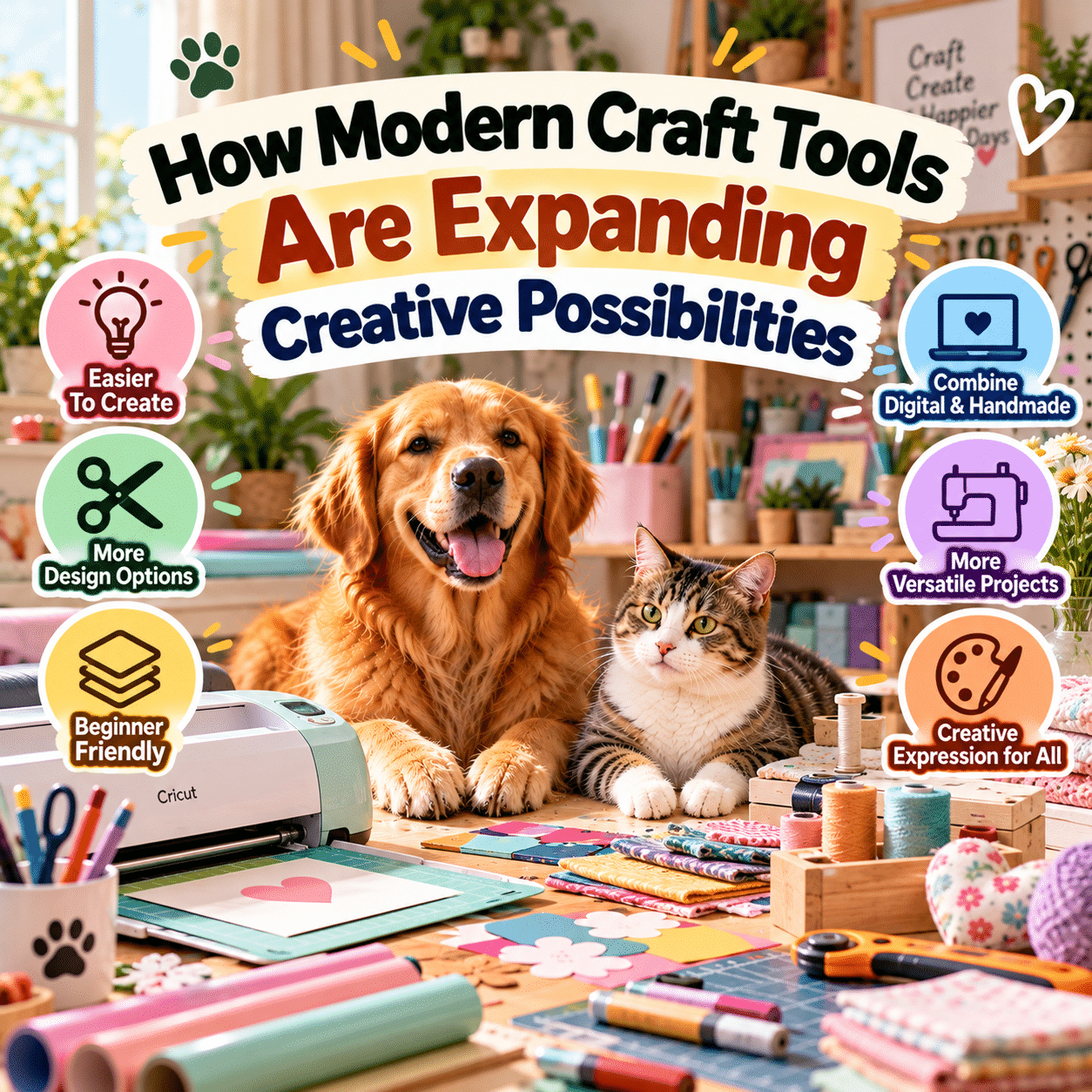
Creative hobbies have always evolved alongside the tools people use. From simple hand needles and carving instruments to mechanical sewing machines and modern digital equipment, each generation of tools has introduced new ways to transform ideas into physical objects.
Today, creative possibilities are expanding through a combination of traditional craftsmanship, precision engineering, digital design, and increasingly accessible technology.
Electronic cutting machines can reproduce intricate shapes with consistency. Digital embroidery equipment can translate patterns into stitched designs. Modern heat presses help apply graphics to suitable materials, while improved hand tools make measuring, cutting, shaping, and assembling projects more manageable.
At the same time, digital design software allows hobbyists to experiment with layouts, colors, and patterns before committing to physical materials.
These developments are changing more than the speed of production.
They are expanding the types of projects individuals can attempt, encouraging combinations of different craft techniques, and making personalized creations more practical in everyday households.
A paper-crafting enthusiast can combine hand lettering with precision-cut decorations. A sewing hobbyist can integrate digital embroidery into handmade accessories. Someone interested in home organization can design custom labels, decorative storage solutions, and personalized household items.
However, modern tools do not automatically produce better creative work.
Their value depends on how effectively they support thoughtful design, appropriate material selection, practical skills, and personal expression.
Understanding the capabilities and limitations of different craft tools can help beginners and experienced makers explore new possibilities without becoming overwhelmed by unnecessary equipment.
This guide examines how modern craft tools are transforming creative projects, how traditional and digital techniques work together, and how hobbyists can choose equipment that supports meaningful, sustainable creative development.
1. The Evolution of Craft Tools
Crafting has always involved a relationship between human skill and available equipment.
Traditional crafts developed around tools designed to cut, shape, join, decorate, and finish materials.
Modern equipment builds upon these functions while introducing new levels of precision, repeatability, and flexibility.
Traditional Hand Tools
Many creative activities still rely on familiar tools such as:
- Scissors.
- Needles.
- Brushes.
- Rulers.
- Carving tools.
- Pliers.
- Cutting knives.
- Measuring instruments.
- Sanding blocks.
- Hand-operated presses.
These tools provide direct control over materials.
They also allow makers to develop an understanding of texture, resistance, movement, and technique.
Mechanized Craft Equipment
Mechanical tools introduced ways to perform certain tasks more efficiently.
Sewing machines, rotary cutters, and specialized presses are examples.
They can reduce repetitive manual effort and improve consistency.
Digitally Controlled Equipment
Digital technology has introduced tools that interpret electronic instructions.
Examples include electronic cutting machines, computerized embroidery machines, and certain digital fabrication systems.
These devices can reproduce designs with a level of consistency that may be difficult to achieve manually.
Hybrid Crafting
Many modern projects combine manual and digital methods.
A design might begin as a hand-drawn sketch, be refined using software, cut with a machine, and assembled by hand.
This combination allows technology to support craftsmanship without replacing it.
2. Why Modern Craft Tools Matter
The significance of modern craft tools extends beyond convenience.
They can change what is practical for an individual to create.
Greater Precision
Measurement guides, digital controls, and specialized cutting systems can improve consistency.
This is particularly useful when a project requires repeated shapes or closely aligned components.
More Design Flexibility
Digital tools make it easier to test variations before producing physical objects.
Colors, dimensions, and layouts can often be adjusted without starting the entire design again.
Easier Repetition
Some projects require multiple identical components.
Modern tools can reduce the time needed to reproduce these elements.
More Opportunities for Personalization
Names, patterns, colors, and decorative details can be adapted for individual projects.
Combining Different Techniques
Modern equipment can help connect activities that were previously approached separately.
For example, digital illustration can become part of paper crafting, textile decoration, or personalized packaging.
Expanding Participation
Beginner-friendly controls and instructional resources may make certain activities more approachable.
However, equipment cost, accessibility, and learning requirements still vary.
3. Electronic Cutting Machines Are Expanding Design Possibilities
Electronic cutting machines are among the most recognizable examples of modern crafting technology.
These devices follow digital instructions to cut compatible materials.
How Electronic Cutting Machines Work
A design is prepared using compatible software.
The machine interprets the cutting paths and moves a blade or other supported tool across the material.
Depending on the model, compatible materials may include:
- Paper.
- Cardstock.
- Adhesive vinyl.
- Heat-transfer materials.
- Selected fabrics.
- Thin specialty craft materials.
Not every machine can process every material.
Users should verify compatibility and thickness limits.
Creating Intricate Shapes
Electronic cutting machines can produce detailed shapes that may be difficult to cut repeatedly by hand.
This can be useful for decorative paper designs, labels, and personalized projects.
Reproducing Designs
Once a compatible design is prepared, it may be reused for additional projects.
This supports consistency when creating multiple related items.
Adjusting Scale
Digital designs can often be resized.
However, very small details may not cut cleanly, and larger designs may exceed machine capacity.
Practical Applications
Common projects include:
- Greeting cards.
- Decorative labels.
- Scrapbook elements.
- Gift packaging.
- Party decorations.
- Wall decals.
- Selected fabric appliqués.
Limitations to Consider
Electronic cutting machines may require replacement blades, cutting mats, compatible software, and specialized materials.
Learning to prepare suitable digital files also takes practice.
4. Digital Design Software Is Connecting Ideas With Physical Projects
Design software plays an important role in modern crafting.
It allows makers to prepare visual concepts before working with physical materials.
Creating Layouts
Digital applications can help arrange shapes, text, images, and decorative elements.
Experimenting With Color
Color combinations can be tested before materials are cut or assembled.
However, screen colors may differ from printed or physical results.
Working With Vector Graphics
Vector graphics use mathematical paths rather than fixed pixels.
They are particularly useful for designs that need to be resized or interpreted by compatible cutting equipment.
Using Layers
Layers allow different design elements to be edited independently.
This can simplify complex compositions.
Preparing Files for Machines
Different craft machines support different file formats.
Compatibility should be checked before selecting software or purchasing digital designs.
Digital Planning and Material Efficiency
Testing layouts digitally may help reduce certain mistakes.
However, digital preparation does not eliminate material waste entirely.
Physical testing is still important.
5. Modern Sewing Machines Are Supporting More Complex Textile Projects
Sewing remains one of the most versatile creative hobbies.
Modern machines can provide features that support both basic construction and decorative work.
Adjustable Stitch Settings
Many machines allow users to modify stitch length and width.
These adjustments help accommodate different techniques and materials.
Decorative Stitch Options
Some machines include decorative patterns.
These can add visual details to clothing, accessories, and household textiles.
Automatic Functions
Depending on the model, features may include:
- Automatic needle threading.
- One-step buttonholes.
- Needle positioning.
- Speed control.
- Thread trimming.
- Programmable stitch selection.
These features can simplify selected tasks.
Working With Different Fabrics
Fabric handling depends on machine capability, needle selection, thread, and technique.
A machine that performs well with lightweight cotton may not be suitable for thick upholstery materials.
Creative Sewing Projects
Modern sewing equipment can support:
- Tote bags.
- Cushion covers.
- Clothing alterations.
- Quilted accessories.
- Decorative table linens.
- Fabric organizers.
- Personalized gifts.
Skill Still Matters
Even advanced machines require appropriate setup, maintenance, and understanding of fabric construction.
Modern features support the process but do not replace foundational sewing skills.
6. Computerized Embroidery Is Expanding Textile Decoration
Embroidery combines decorative design with stitching.
Computerized embroidery machines allow certain patterns to be stitched according to digital instructions.
How Digital Embroidery Works
A compatible design file guides the machine’s stitching movements.
The fabric is typically stabilized and positioned within an appropriate hoop or frame.
The machine then follows the programmed design.
Personalized Text
Names, initials, and decorative lettering can be incorporated into suitable projects.
Decorative Patterns
Digital embroidery can reproduce floral designs, geometric patterns, and other decorative elements.
Combining Embroidery With Sewing
A maker may embroider a fabric panel before assembling it into a bag, cushion, or garment.
Understanding Stabilizers
Stabilizers help support fabric during stitching.
Different fabrics and designs may require different stabilization methods.
Practical Limitations
Embroidery equipment can involve substantial costs.
It may also require specialized thread, needles, stabilizers, software, and maintenance.
Digital embroidery should be approached as a skill to develop rather than a fully automatic process.
7. Heat Presses Are Changing Personalized Fabric Projects
Heat presses use controlled heat and pressure to apply compatible materials to selected surfaces.
They are commonly associated with personalized textiles.
Heat-Transfer Designs
Certain decorative materials are designed to bond with fabric under specified conditions.
Consistent Application
A suitable heat press may provide more consistent temperature and pressure than some improvised methods.
However, results depend on the equipment, material, and application process.
Personalized Projects
Examples include:
- Decorative tote bags.
- Personalized shirts.
- Fabric labels.
- Selected household textiles.
- Custom gift accessories.
Material Compatibility
Not every fabric tolerates the same temperature.
Some materials can scorch, shrink, melt, or become damaged.
Users should follow the instructions for both the fabric and transfer material.
Safety Requirements
Heat presses can cause serious burns.
They should be operated on suitable heat-resistant surfaces and kept away from children and pets.
Electrical safety and ventilation requirements must also be considered.
8. Precision Hand Tools Are Improving Traditional Crafting
Modern crafting is not exclusively digital.
Improvements in manual equipment can also expand creative possibilities.
Rotary Cutters
Rotary cutters can help cut fabric or other compatible materials along guided paths.
They are often used with suitable cutting mats and rulers.
Precision Scissors
Specialized scissors may support detailed cutting or particular materials.
Craft Knives
Precision knives allow detailed manual work.
They require careful handling and appropriate cutting surfaces.
Measuring Guides
Clear rulers, alignment grids, and measuring templates can improve consistency.
Ergonomic Handles
Some tools feature grips intended to improve comfort.
However, ergonomic suitability varies between individuals.
Why Manual Precision Still Matters
Hand tools provide flexibility for tasks that do not require digital equipment.
They can also be more affordable and easier to maintain.
A well-chosen manual tool may be the best solution for a particular project.
9. Comparing Modern Craft Tool Categories
| Tool Category | Main Function | Creative Opportunities | Key Considerations |
|---|---|---|---|
| Electronic cutting machine | Digitally controlled cutting | Paper crafts, labels, decorations | Software, materials, consumables |
| Digital design software | Preparing and editing designs | Layouts, patterns, personalization | File compatibility and licensing |
| Sewing machine | Joining and decorating fabric | Clothing, accessories, textiles | Fabric compatibility and maintenance |
| Embroidery machine | Automated decorative stitching | Personalized fabric designs | Stabilizers, thread, design files |
| Heat press | Applying compatible transfers | Textile personalization | Temperature, pressure, safety |
| Rotary cutter | Manual precision cutting | Sewing and quilting | Sharp blades and cutting mats |
| Digital drawing tablet | Creating digital artwork | Illustration and pattern design | Hardware and software |
| Paper craft tools | Cutting, folding, shaping | Cards, packaging, decorations | Material quality and technique |
| Jewelry-making tools | Shaping and assembling components | Handmade accessories | Small parts and tool safety |
| Digital fabrication tools | Producing designed components | Models, decorative objects | Ventilation, materials, training |
The most appropriate tools depend on project goals rather than technological sophistication.
10. Paper Crafting Is Becoming More Versatile
Paper crafting remains popular because it can begin with simple materials while offering opportunities for advanced techniques.
Modern tools have expanded the range of possible designs.
Precision Cutting
Electronic and manual cutting tools can create decorative shapes.
Embossing
Embossing techniques create raised or recessed patterns.
Different systems use pressure, heat, or specialized materials.
Die Cutting
Die-cutting tools use shaped dies to cut or emboss compatible materials.
Manual and electronic approaches offer different advantages.
Layered Paper Designs
Multiple paper layers can create depth and visual interest.
Personalized Stationery
Modern tools support custom cards, invitations, labels, and decorative stationery.
Combining Digital and Manual Techniques
A maker may print a design, cut decorative elements, and assemble the final piece by hand.
This hybrid approach offers flexibility without requiring every step to be automated.
11. Modern Tools Are Expanding Jewelry-Making Possibilities
Jewelry making involves shaping, connecting, and decorating small components.
Modern tools can improve precision and organization.
Specialized Pliers
Round-nose, chain-nose, and flat-nose pliers support different tasks.
Measuring Tools
Accurate measurements can help create consistent components.
Wire-Working Equipment
Suitable tools allow makers to bend and shape compatible wire.
Organized Component Storage
Small compartments help separate beads, findings, and other materials.
Digital Design Planning
Some makers use digital sketches or templates to plan arrangements.
Safety Considerations
Small components can create choking hazards.
Sharp wire ends, adhesives, and heated tools require appropriate precautions.
Materials should also be selected with consideration for potential skin sensitivities.
12. Modern Woodworking Tools Are Supporting Smaller Creative Projects
Woodworking can involve anything from simple decorative objects to complex furniture.
Modern tools may make selected projects more manageable.
Compact Measuring Equipment
Digital measuring devices and precision guides can support layout work.
Cutting Guides
Guides can improve repeatability when used correctly.
Sanding Tools
Manual and powered sanding equipment can help prepare surfaces.
Clamping Systems
Clamps help secure materials during selected operations.
Digital Design
Software can assist with measurements and project planning.
Beginner Projects
Suitable introductory projects may include:
- Simple wooden organizers.
- Decorative signs.
- Small shelves.
- Picture frames.
- Basic storage accessories.
Safety Comes First
Woodworking can involve sharp tools, dust, noise, and moving machinery.
Appropriate training, protective equipment, dust control, and safe workspaces are essential.
Compact tools are not automatically safer than larger equipment.
13. Digital Fabrication Is Introducing New Forms of Making
Digital fabrication includes processes that create physical objects from digital designs.
Some technologies are increasingly available to hobbyists.
Three-Dimensional Printing
3D printers build objects using compatible materials and manufacturing processes.
They can support models, prototypes, and decorative objects.
Creative Applications
Potential projects include:
- Decorative organizers.
- Miniature models.
- Custom display stands.
- Prototype components.
- Educational objects.
Design Flexibility
Digital models can often be modified before production.
Material and Equipment Limitations
3D printing requires knowledge of material properties, machine operation, and maintenance.
Some processes involve heated components, emissions, or chemical handling.
Safety and Ventilation
Appropriate ventilation and material-specific safety precautions are important.
Not every printed material is suitable for food contact, children’s products, or load-bearing applications.
When Digital Fabrication Makes Sense
These tools are most useful when a project genuinely benefits from custom physical components.
They are not necessary for most introductory crafts.
14. Combining Traditional and Digital Craft Techniques
Some of the most interesting creative opportunities arise when different techniques are combined.
Hand Drawing and Digital Cutting
A hand-drawn design can be digitized and adapted for compatible cutting equipment.
Sewing and Embroidery
Decorative embroidery can be added to fabric before assembling a finished item.
Digital Illustration and Paper Crafting
Artwork can become part of greeting cards, bookmarks, or decorative packaging.
Photography and Scrapbooking
Digital photographs can be printed and incorporated into physical albums.
Woodworking and Decorative Vinyl
A handmade wooden object can be combined with suitable decorative lettering.
Painting and Digital Planning
Digital color studies can help plan a physical painting.
Why Hybrid Projects Matter
Hybrid workflows allow makers to select the most suitable technique for each stage.
The goal is not to use as many tools as possible.
It is to combine methods that improve the intended result.
15. Modern Craft Tools Are Supporting Personalization
Personalization is one of the clearest benefits of flexible creative equipment.
Custom Names and Lettering
Digital design and cutting tools can help create personalized text.
Individual Color Choices
Software allows color combinations to be explored before production.
Custom Dimensions
Some designs can be adjusted to fit specific spaces or objects.
Personalized Gifts
Handmade gifts may include details selected for a particular recipient.
Household Organization
Custom labels and organizers can be adapted to individual storage systems.
Creative Identity
Personalization also allows makers to develop recognizable visual styles.
However, personalized products still require appropriate material selection and safe construction.
16. How Modern Tools Can Improve Project Consistency
Consistency matters in projects involving multiple components.
Repeated Shapes
Digital cutting equipment can reproduce compatible shapes.
Measurement Accuracy
Guides and measuring tools can reduce certain dimensional errors.
Pattern Reuse
Digital patterns can be saved and reused.
Controlled Application
Some machines offer adjustable settings that can improve repeatability.
Quality Checks
Consistent equipment does not eliminate the need for inspection.
Material differences, tool wear, and setup errors can still affect results.
When Imperfection Is Part of the Design
Not every project requires identical components.
Handmade variation can contribute to the character of certain crafts.
Precision should support creative intent rather than eliminate individuality.
17. Creative Tools for Small Homes and Limited Workspaces
Modern households may not have dedicated craft rooms.
Compact equipment and organized workflows can help.
Portable Workstations
A sturdy table and protective mat may provide a temporary creative area.
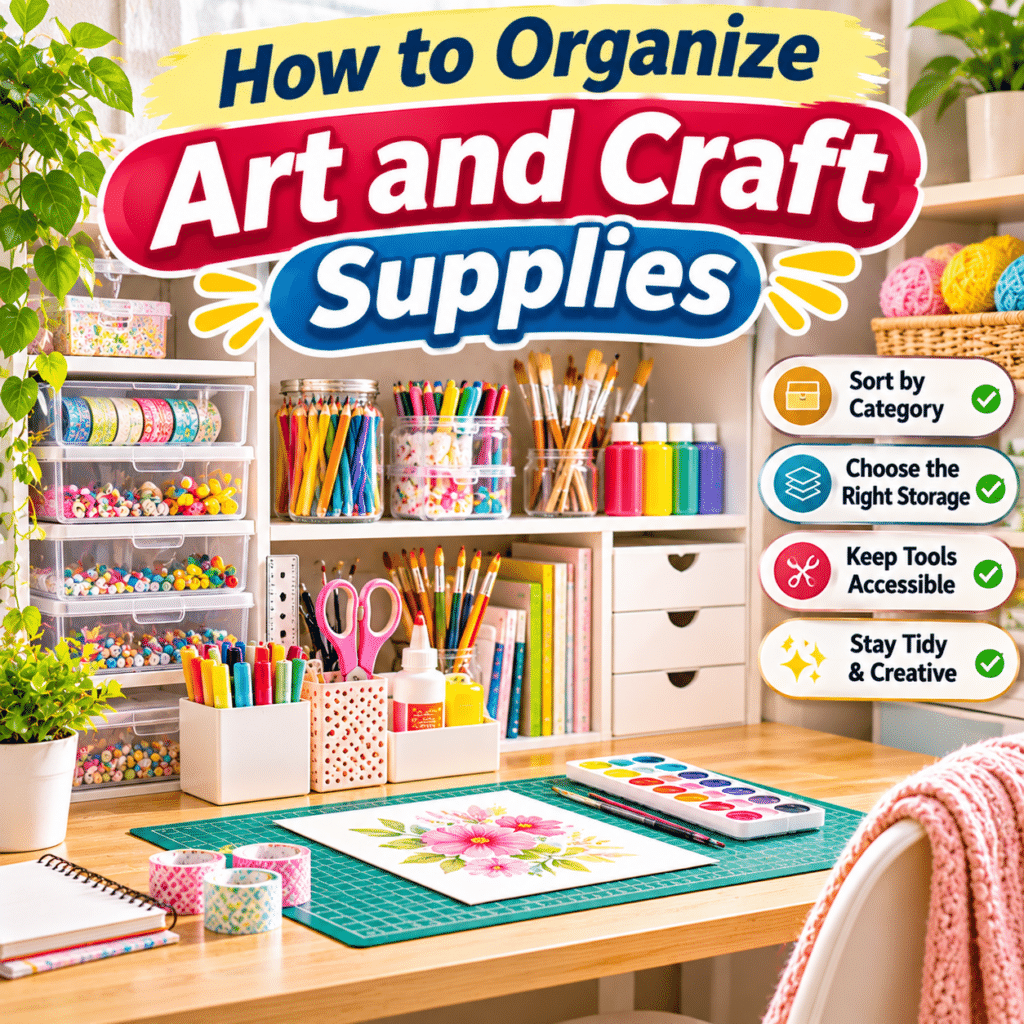
Vertical Storage
Wall organizers and shelves can help store suitable supplies.
Modular Containers
Modular storage systems allow materials to be grouped by activity.
Foldable Equipment
Some tools can be stored more compactly when not in use.
Managing Noise and Dust
Certain machines may be unsuitable for shared spaces without additional precautions.
Safe Storage
Sharp tools, chemicals, and small components should be stored securely.
Planning Before Purchasing
Measure available space and consider how equipment will be used, cleaned, and stored.
A machine that fits on a shelf may still require substantial operating clearance.
18. How Modern Tools Support Beginners
Modern equipment can reduce some technical barriers, but beginners still need appropriate learning experiences.
Guided Controls
Clearly labeled settings can simplify operation.
Templates
Prepared designs provide starting points.
Online Tutorials
Instructional resources can demonstrate techniques.
Practice Materials
Low-cost practice supplies allow experimentation.
Gradual Complexity
Beginners can start with simple projects and add more advanced techniques over time.
Learning From Mistakes
Digital tools may make some errors easier to correct.
Physical crafting still involves trial and error.
Building Confidence Through Completion
Completing manageable projects can help learners understand their progress.
19. How Experienced Makers Benefit From Modern Tools
Advanced hobbyists may use modern tools differently from beginners.
Expanding Techniques
Specialized equipment can introduce new methods.
Improving Workflow
Automation may reduce repetitive preparation.
Developing Complex Designs
Digital planning can support projects involving multiple components.
Experimenting With Materials
Compatible tools may allow makers to explore different textures and construction methods.
Combining Skills
Experienced makers may integrate sewing, illustration, paper crafting, and other techniques.
Maintaining Creative Control
Advanced users often benefit from tools that provide adjustable settings rather than only automated presets.
20. Choosing Tools Based on Creative Goals
A useful purchasing decision begins with the project rather than the equipment.
Step 1: Define the Project
What do you want to make?
Step 2: Identify Required Techniques
Does the project involve cutting, stitching, painting, shaping, printing, or assembly?
Step 3: Evaluate Existing Equipment
Can the project be completed using tools already available?
Step 4: Consider Manual Alternatives
A manual technique may be sufficient for occasional projects.
Step 5: Estimate Total Cost
Include accessories, materials, software, and maintenance.
Step 6: Evaluate Workspace Requirements
Consider operating space, storage, ventilation, and noise.
Step 7: Check Compatibility
Verify supported materials and file formats.
Step 8: Consider Long-Term Use
Will the tool support future projects?
Step 9: Review Safety
Understand hazards and required precautions.
Step 10: Begin With a Manageable Project
Test the equipment before attempting complex work.
21. The Hidden Costs of Modern Craft Equipment
A tool’s purchase price may represent only part of its total cost.
Consumables
Some machines require replacement blades, mats, needles, thread, or specialized materials.
Software
Certain digital functions may depend on paid applications or subscriptions.
Maintenance
Moving parts may require cleaning, adjustment, or replacement.
Storage
Large equipment may require additional furniture or organization.
Electricity
Powered equipment uses electricity, although consumption varies.
Learning Time
Complex tools require time to understand.
Failed Projects
Mistakes may consume materials.
Long-Term Value
A tool is more valuable when its benefits justify the full cost of ownership.
22. Sustainability and Responsible Crafting
Modern craft tools can support more efficient material use, but they can also encourage additional consumption.
Digital Prototyping
Testing designs digitally may reduce unnecessary physical trials.
Precise Material Planning
Accurate layouts can help optimize material use.
Reusable Patterns
Patterns can support repeated projects.
Durable Equipment
Long-lasting tools may reduce replacement frequency.
Repairable Designs
Replaceable components can extend equipment life.
Material Selection
Environmental impacts depend on sourcing, manufacturing, use, and disposal.
Avoiding Excessive Production
Making more items simply because a machine can produce them does not necessarily improve sustainability.
Responsible crafting involves considering whether the finished objects will be useful or valued.
23. Safety Considerations for Modern Craft Tools
Creative equipment can introduce mechanical, electrical, thermal, and chemical hazards.
Sharp Blades
Cutting machines and manual knives require careful handling.
Moving Components
Sewing and embroidery machines contain moving parts that can cause injury.
Heated Equipment
Heat presses and glue guns can cause burns.
Electrical Safety
Use appropriate power supplies and inspect cords.
Ventilation
Some paints, adhesives, coatings, and fabrication processes require ventilation.
Dust Control
Woodworking and sanding can produce harmful airborne particles.
Small Parts
Beads, needles, and other components should be stored away from children and pets.
Manufacturer Guidance
Users should follow equipment-specific instructions and safety warnings.
Training
Specialized equipment may require instruction before safe operation.
Convenience features should never be treated as substitutes for safe technique.
24. Common Mistakes When Exploring Modern Craft Tools
Buying Equipment Before Choosing Projects
A tool may seem exciting but remain unused.
Start with a clear creative goal.
Assuming Expensive Tools Guarantee Better Results
Skill, materials, and design decisions remain important.
Ignoring Software Compatibility
Some machines depend on specific applications or file formats.
Underestimating Maintenance
Electronic equipment still requires care.
Using Incompatible Materials
Incorrect materials can damage equipment or produce unsafe results.
Skipping Practice
Beginner projects help develop familiarity.
Overcomplicating Simple Tasks
A manual tool may be faster and more practical for a small project.
Neglecting Safety
Modern features do not eliminate physical hazards.
Focusing Only on Productivity
Creative hobbies do not need to become production systems.
Enjoyment and experimentation are valid goals.
25. Practical Projects That Combine Modern Craft Tools
The following examples demonstrate how different tools can work together.
Project 1: Personalized Greeting Cards
Tools: Design software, paper-cutting tools, adhesive.
Create a simple layout, cut decorative shapes, and assemble the card.
Project 2: Custom Fabric Tote Bag
Tools: Sewing machine, fabric scissors, optional heat-transfer equipment.
Sew a basic tote and add suitable decoration.
Project 3: Decorative Storage Labels
Tools: Digital design application, compatible printer or cutting machine.
Prepare labels that match household storage needs.
Project 4: Embroidered Cushion Cover
Tools: Sewing equipment and suitable embroidery tools.
Decorate a fabric panel before assembling the cover.
Project 5: Handmade Scrapbook
Tools: Paper trimmer, decorative punches, printed photographs.
Combine images, paper textures, and handwritten notes.
Project 6: Personalized Bookmark Collection
Tools: Drawing supplies, cardstock, optional cutting equipment.
Create a series of coordinated designs.
Project 7: Decorative Wooden Organizer
Tools: Appropriate woodworking tools, measuring equipment, finishing supplies.
Build a simple organizer and personalize it with suitable decoration.
Each project can be adapted to available tools and experience.
26. Creating a Balanced Craft Toolkit
A balanced toolkit supports current interests without unnecessary duplication.
Essential Manual Tools
Depending on the hobby, these may include:
- Scissors.
- Measuring tools.
- Cutting mats.
- Basic adhesives.
- Marking tools.
- Storage containers.
Hobby-Specific Equipment
Choose tools based on the activities you actually pursue.
Digital Tools
Add software or electronic equipment when it provides a clear benefit.
Maintenance Supplies
Keep appropriate cleaning and replacement items available.
Safety Equipment
Include protective equipment required for the materials and processes involved.
Storage
Organize tools so they remain accessible and protected.
Periodic Review
Reassess equipment as interests change.
Tools that are no longer used may be donated, sold, or responsibly recycled when appropriate.
27. The Future of Modern Craft Tools
Craft equipment will likely continue evolving as digital technology, manufacturing methods, and user expectations change.
More Intuitive Interfaces
Manufacturers may simplify setup and controls.
Greater Material Compatibility
Future tools may support a wider range of appropriate materials.
Improved Precision
Sensors and mechanical improvements may help reduce certain errors.
More Compact Designs
Smaller equipment may support home-based creativity.
Better Integration Between Devices
Digital workflows may become easier to transfer between compatible systems.
More Accessible Equipment
Adjustable controls and adaptive accessories may support a broader range of users.
Repairability and Durability
Long-term software support and replaceable parts may become more important.
Responsible AI Assistance
AI-assisted design features may help with planning and experimentation.
However, generated designs still require evaluation for accuracy, originality, compatibility, and safety.
Continued Value of Traditional Skills
Handcraft techniques will remain relevant.
Modern tools are most valuable when they expand creative options rather than eliminate the human skills that make crafting meaningful.
28. Frequently Asked Questions
1. What are modern craft tools?
Modern craft tools include updated manual equipment, electronic machines, and digital applications designed to support creative activities.
Examples include electronic cutting machines, computerized sewing equipment, digital drawing tablets, precision cutters, and design software.
2. Do modern craft tools make crafting easier?
They can simplify selected tasks such as measuring, cutting, repeating patterns, or editing designs.
However, users still need to learn appropriate techniques and understand materials.
3. Are electronic cutting machines worth buying?
They may be useful for people who frequently create compatible paper, vinyl, or other cutting projects.
For occasional simple designs, manual tools may provide better value.
4. Can beginners use computerized sewing or embroidery machines?
Yes, but the learning requirements vary.
Beginners should start with basic functions, follow manufacturer instructions, and practice on suitable materials.
5. Do I need design software for modern crafting?
Not always.
Many crafts can be completed entirely by hand.
Design software becomes useful when projects involve digital layouts, electronic cutting, or other compatible workflows.
6. Can traditional and digital crafting techniques be combined?
Yes.
For example, a handmade illustration can be digitized, incorporated into a printed design, and assembled into a physical craft project.
Combining techniques can provide additional creative flexibility.
7. How can I choose modern craft tools without overspending?
Begin with specific projects, evaluate tools already available, compare manual alternatives, and consider total ownership costs.
Purchase specialized equipment only when its capabilities provide meaningful value.
Conclusion: Better Tools Create More Opportunities for Creative Expression
Modern craft tools are expanding creative possibilities by connecting traditional techniques with precision engineering, digital design, and practical automation.
Electronic cutting machines can reproduce detailed patterns. Modern sewing equipment supports a wider range of textile projects. Digital embroidery introduces new decorative options, while improved hand tools make many familiar techniques more precise and manageable.
These developments allow hobbyists to experiment with combinations of materials and methods that may once have required specialized workshops or extensive equipment.
However, the value of modern crafting does not depend on owning the latest machines.
A thoughtful design, suitable materials, and well-developed skills remain central to successful projects.
For beginners, the most useful tools are those that make learning approachable.
For experienced makers, modern equipment can provide greater flexibility and opportunities to explore new techniques.
For households with limited space or budgets, compact and versatile tools can make creative participation more practical.
The strongest approach combines curiosity with careful tool selection, gradual skill development, and a willingness to experiment.
As craft technology continues to evolve, the greatest opportunity is not simply to produce more objects in less time.
It is to give people more ways to transform their ideas into meaningful creations.
Modern craft tools do not replace creativity. They expand the possibilities of what creative hands and curious minds can accomplish.