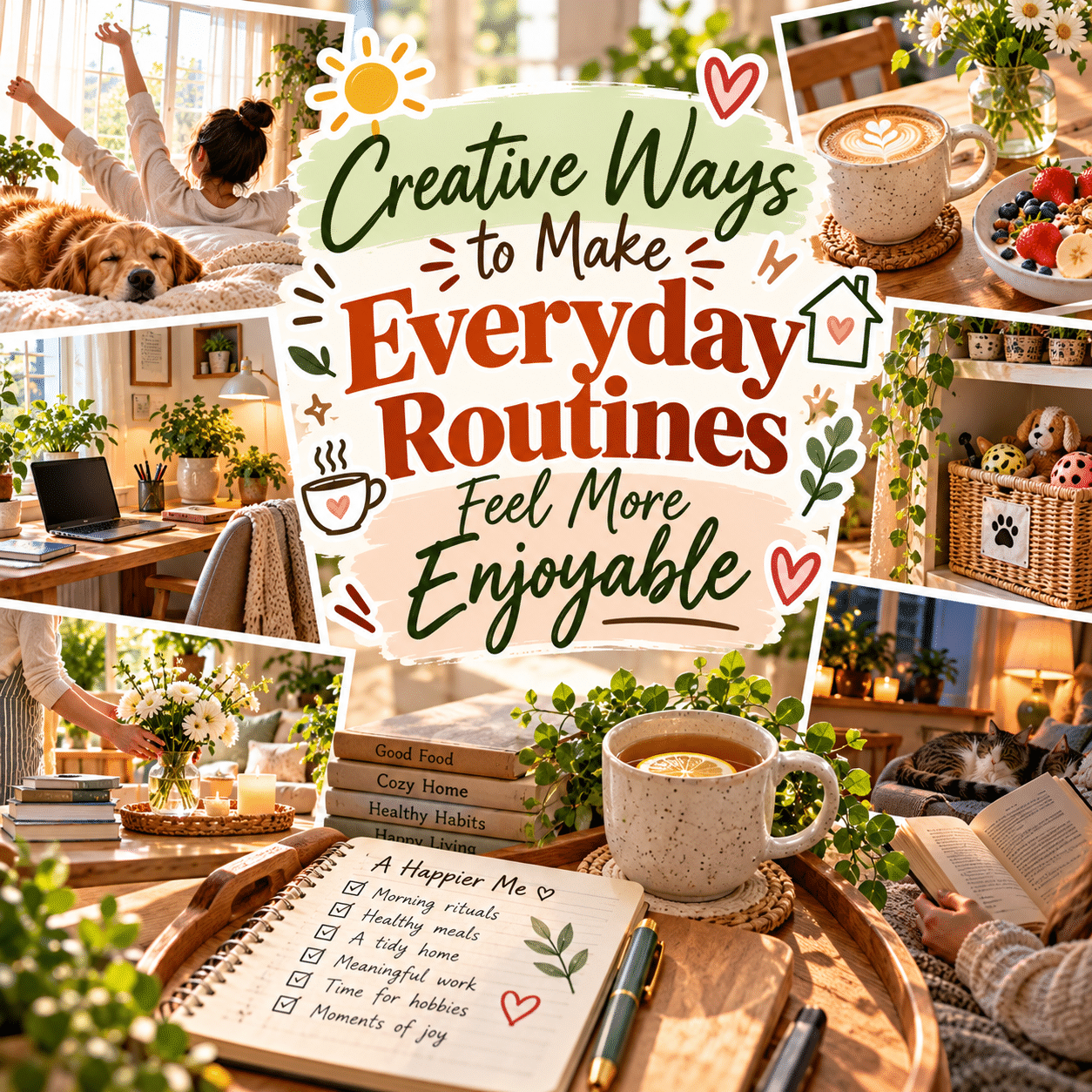
Everyday life is filled with familiar routines. Waking up, preparing breakfast, getting ready for work, organizing the home, completing daily responsibilities, and winding down in the evening are activities that often repeat with little variation.
These routines provide structure and stability, but they can sometimes begin to feel automatic, rushed, or uninspiring.
The good news is that making everyday life more enjoyable does not require dramatic lifestyle changes, expensive purchases, or elaborate plans.
Often, the most meaningful improvements come from small, thoughtful adjustments to activities you already do.
A peaceful morning ritual, a beautifully arranged breakfast, a comfortable workspace, or a few minutes spent outdoors can make ordinary moments feel more intentional. Simple changes in lighting, organization, music, surroundings, and personal habits can also influence how pleasant daily activities feel.
The goal is not to turn every responsibility into an exciting experience. Some tasks will always require effort, and not every moment needs to be productive, memorable, or perfectly organized.
Instead, the idea is to make familiar routines easier, more comfortable, and occasionally more rewarding.
Creative daily routines can also reflect personal interests. Someone who enjoys cooking might experiment with new ways to present familiar meals. A person who loves plants may enjoy checking a small indoor garden each morning. Others might find satisfaction in maintaining a cozy reading corner, preparing a favorite beverage, or keeping a simple journal.
These small experiences can add personality and warmth to everyday life.
This guide explores 40 creative ways to make everyday routines feel more enjoyable, from refreshing morning habits and organizing daily tasks to creating relaxing evening rituals and finding inspiration in ordinary moments.
Each idea is designed to be flexible, practical, and timeless, helping you build routines that feel natural rather than demanding.
1. Begin the Day with a Gentle Morning Ritual
The first few moments of the morning can influence how the beginning of the day feels.
Instead of immediately rushing into responsibilities, consider creating a short ritual that helps you transition from sleep to activity.
This might include opening the curtains, drinking a glass of water, stretching gently, or sitting quietly for a few minutes.
Choose something simple enough to repeat comfortably.
A morning ritual does not need to involve an elaborate routine or a strict schedule.
Even a few minutes of calm preparation can make the morning feel more intentional.
The most important consideration is choosing an activity that fits your natural preferences and responsibilities.
2. Create a Beautiful Morning Beverage Experience
Preparing coffee, tea, or another favorite beverage can become a pleasant daily ritual.
Rather than treating it as something to complete as quickly as possible, consider making the process a little more enjoyable.
Choose a favorite mug.
Keep the preparation area clean and organized.
Use a small tray to arrange frequently used accessories.
If you enjoy tea, explore different caffeine-free or traditional varieties according to your preferences.
Coffee lovers might appreciate learning about brewing methods or experimenting with familiar flavors.
The experience does not need to be complicated.
A comfortable chair, natural light, and a favorite beverage can create a satisfying moment before the day becomes busy.
3. Make Breakfast Feel Like a Small Daily Occasion
Breakfast is often prepared quickly, especially during busy mornings.
However, a few simple details can make an ordinary meal feel more inviting.
Use a plate or bowl you enjoy.
Arrange food neatly.
Sit at a comfortable table when possible.
Add a napkin, small placemat, or simple centerpiece.
You might occasionally vary familiar ingredients or try a new preparation method.
The goal is not to create an elaborate meal every morning.
It is to make the experience pleasant while keeping preparation realistic.
A thoughtfully presented breakfast can turn an ordinary routine into a moment worth enjoying.
4. Let Natural Light Become Part of Your Morning
Natural daylight can make a room feel brighter and more welcoming.
Opening curtains or spending a little time near a window can create a pleasant transition into the day.
Consider arranging a breakfast table, reading chair, or morning beverage station near a suitable source of daylight.
Keep window areas uncluttered.
Clean glass surfaces periodically to maintain a clear view.
If direct sunlight creates excessive heat or glare, use appropriate window coverings.
A simple connection to the changing light outside can make familiar indoor routines feel less repetitive.
5. Add Gentle Movement to Your Morning
Morning movement does not have to mean an intense workout.
For some people, a short walk, gentle stretching, or a few comfortable mobility exercises can provide an enjoyable start.
Choose activities appropriate for your abilities and health needs.
You might stretch beside an open window, walk around a garden, or move to music you enjoy.
Avoid treating the activity as another demanding obligation.
The goal is to create a comfortable opportunity for movement.
If you have an injury, medical condition, or physical limitation, choose activities with appropriate professional guidance.
6. Make Getting Ready More Organized and Pleasant
Preparing for the day can become stressful when essential items are difficult to find.
A well-organized dressing area can make the process smoother.
Keep frequently used clothing and accessories accessible.
Organize grooming products into practical categories.
Use trays, drawers, or containers to prevent small items from becoming scattered.
Consider preparing clothing or necessary belongings the evening before particularly busy days.
A clean mirror, suitable lighting, and uncluttered surfaces can make the area feel more comfortable.
Good organization allows you to spend less time searching and more time enjoying the beginning of the day.
7. Create a Personal Daily Playlist
Music can add personality to familiar activities.
Consider creating playlists for different parts of the day.
A gentle morning playlist might include relaxing instrumental music or favorite familiar songs.
An upbeat playlist may make routine cleaning or organizing feel more energetic.
For quiet reading or focused work, some people prefer soft background music, while others find silence more comfortable.
Experiment with what suits each activity.
Keep the volume at a comfortable level, especially when using headphones.
A thoughtfully selected playlist can help distinguish different routines without requiring major changes.
8. Refresh Your Workspace Before Starting Work
A comfortable workspace can make daily responsibilities feel more manageable.
Before beginning, spend a few minutes clearing unnecessary objects.
Arrange frequently used tools within easy reach.
Check that lighting is suitable for the task.
Adjust your chair, desk, and screen position for comfortable use.
Add a small personal detail, such as a photograph, plant, or favorite stationery item.
Avoid overcrowding the desk with decorations.
A refreshed workspace can make familiar tasks feel more inviting while supporting practical organization.
9. Turn Your Daily To-Do List into a Helpful Guide
A to-do list should make life easier rather than create unnecessary pressure.
Instead of writing an overwhelming collection of tasks, consider identifying a few meaningful priorities.
Separate essential responsibilities from optional activities.
Use a notebook, planner, or digital tool according to your preferences.
You might organize tasks into categories such as:
- Important responsibilities.
- Small household tasks.
- Personal projects.
- Appointments and commitments.
- Activities to enjoy.
Leave room for unexpected changes.
A flexible list can provide direction without making every minute feel scheduled.
10. Create Small Moments of Satisfaction During Work
Long work sessions can feel repetitive.
Breaking a large task into smaller, manageable stages may make progress easier to recognize.
For example, instead of focusing only on completing an entire project, identify one section that can be finished.
After completing it, take a suitable pause.
Stand up, stretch comfortably, drink water, or briefly change your surroundings.
Avoid turning every completed task into a complicated reward system.
Sometimes, acknowledging progress and giving yourself a moment to reset is enough.
11. Make Short Breaks Feel Refreshing
A break can be more enjoyable when it offers a genuine change from the activity you were doing.
If you have been looking at a screen, consider stepping away from it.
Walk to another room.
Look outside.
Water a plant.
Prepare a drink.
Sit quietly for a few minutes.
Different people benefit from different kinds of breaks.
Some enjoy movement, while others prefer stillness.
Choose a break that suits your energy, environment, and available time.
12. Create a Comfortable Midday Lunch Ritual
Lunch can become an opportunity to pause rather than simply another task.
When circumstances allow, step away from your main work area.
Choose a comfortable place to eat.
Use practical tableware and arrange the meal neatly.
Avoid unnecessary distractions if you prefer a quieter experience.
You might occasionally eat near a window, outdoors in suitable weather, or at a different table.
The meal itself does not need to be elaborate.
A change of setting and a little attention to comfort can make an ordinary lunch feel more pleasant.
13. Make Meal Preparation More Creative
Cooking can offer opportunities for creativity even when preparing familiar dishes.
Try changing the way ingredients are arranged or presented.
Experiment with herbs, textures, or cooking methods appropriate for the recipe.
Organize ingredients before beginning.
Keep utensils and equipment within easy reach.
You might explore one new recipe occasionally rather than attempting something unfamiliar every day.
A practical kitchen setup can make preparation smoother.
For busy households, simple and repeatable meals are just as valuable as elaborate cooking projects.
14. Create a Pleasant Kitchen Atmosphere
The kitchen is often one of the most frequently used spaces in a home.
Small changes can make everyday food preparation feel more enjoyable.
Clear unnecessary items from countertops.
Organize commonly used tools.
Improve task lighting where needed.
Use attractive but practical containers for suitable ingredients.
A small decorative element, such as a framed print or appropriate plant, may add warmth.
Keep decorations away from hot surfaces and food preparation areas.
A welcoming kitchen should remain safe, clean, and functional.
15. Turn Everyday Cleaning into a Manageable Routine
Cleaning may not always be enjoyable, but it can feel less overwhelming when tasks are organized thoughtfully.
Instead of waiting until everything needs attention, divide cleaning into smaller activities.
For example, focus on one surface, one shelf, or one room at a time.
Keep appropriate supplies organized.
Choose tools that are comfortable and suitable for the task.
If you enjoy music or podcasts, consider listening while completing safe, routine chores.
Avoid rushing through tasks that involve chemicals, sharp objects, or electrical equipment.
A manageable cleaning routine can make maintaining the home feel less demanding.
16. Make Laundry Day More Organized
Laundry is a familiar household responsibility that benefits from a simple system.
Use suitable baskets to separate items according to their care requirements.
Keep detergent and other supplies stored securely.
Check garment labels before washing.
Create a convenient space for folding clean clothing.
If you enjoy background entertainment, laundry folding may be a suitable time to listen to music or an audiobook.
Avoid leaving clothing piles in walkways.
A practical laundry setup can make the process smoother and reduce unnecessary repetition.
17. Create a Simple Daily Home Reset
A short home reset can help familiar spaces remain comfortable.
Choose a convenient time of day.
You might straighten sofa cushions, return books to shelves, clear the dining table, and organize frequently used items.
Focus on a few visible areas rather than attempting to clean the entire home.
A reset might include:
- Returning objects to their designated places.
- Folding blankets.
- Clearing countertops.
- Organizing shoes.
- Putting away papers.
- Preparing frequently used spaces for the next activity.
Keep the routine flexible.
Some days may allow more time than others.
The purpose is to support everyday comfort, not maintain a perfectly arranged home.
18. Make Grocery Shopping More Enjoyable
Grocery shopping can become easier with thoughtful preparation.
Keep a running list of items you need.
Organize the list by category or store section.
Consider planning a few familiar meals before shopping.
When time permits, explore a new ingredient or seasonal food that interests you.
Avoid purchasing unfamiliar products simply for novelty.
Choose items that fit your preferences, household needs, and budget.
An organized shopping routine can reduce unnecessary decisions while leaving room for small discoveries.
19. Create a Small Indoor Garden Routine
Caring for plants can introduce a gentle connection to nature into daily life.
Choose plants suited to your home’s light and environmental conditions.
Place them where they can be observed and maintained conveniently.
Spend a few moments checking soil moisture, leaves, and general condition.
Water according to each plant’s needs rather than following an identical schedule for every species.
You might keep a simple plant-care journal.
If pets share the home, verify plant toxicity and keep fertilizers or other supplies securely stored.
A small collection of plants can become a pleasant part of everyday routines.
20. Make Time Outdoors Feel Special
Spending time outdoors does not require a long trip or elaborate plan.
A short walk, a few minutes on a balcony, or a quiet moment in a garden can offer a change of surroundings.
Notice the weather, natural light, plants, and sounds around you.
Choose a location appropriate for the conditions.
In hot weather, consider shade, hydration, and comfortable timing.
In colder or wet conditions, dress appropriately and prioritize safety.
A brief outdoor moment can provide variety within an otherwise familiar day.
21. Turn an Ordinary Walk into a Small Exploration
Walking the same route can become more interesting when you pay attention to different details.
Notice architecture, trees, gardens, or seasonal changes.
Explore a different safe route occasionally.
You might look for interesting colors, textures, or shapes in your surroundings.
Photography enthusiasts can capture details that catch their attention.
Avoid distractions while crossing roads or navigating busy areas.
The purpose is not to turn every walk into a project.
It is simply to remain curious about familiar places.
22. Create a Comfortable Reading Ritual
Reading can become a satisfying daily habit when the environment feels inviting.
Choose a comfortable chair or quiet corner.
Use suitable lighting.
Keep a book or reading device nearby.
Consider pairing reading time with a favorite beverage.
You do not need to read for a fixed number of minutes.
A few pages may be enough on a busy day.
Choose books, essays, magazines, or other materials that genuinely interest you.
A flexible reading ritual can provide an enjoyable alternative to more demanding activities.
23. Make Journaling Simple and Personal
Journaling can help preserve everyday observations, ideas, and memories.
It does not require lengthy writing.
A few sentences may be enough.
Consider recording:
- Something interesting you noticed.
- A pleasant moment from the day.
- An idea worth exploring.
- A favorite meal or experience.
- Progress on a personal project.
- A memory you want to keep.
You can use a notebook, digital document, or another format you enjoy.
There is no need to write every day.
The value comes from having a personal place to capture meaningful details.
24. Add Creativity to Everyday Note-Taking
Notes do not have to be purely functional.
If you enjoy visual organization, consider using simple headings, colors, or small illustrations.
A shopping list might include categories.
A project notebook could feature diagrams or sketches.
A daily planner might use symbols to distinguish priorities.
Keep the system easy to understand.
Avoid spending so much time decorating notes that they become less useful.
Creative note-taking works best when it improves clarity while making the process enjoyable.
25. Turn Small Household Projects into Creative Activities
Simple household improvements can provide satisfying opportunities for creativity.
Consider organizing a bookshelf, refreshing a decorative tray, or rearranging a small display.
Other possibilities include:
- Creating a photo arrangement.
- Organizing a craft drawer.
- Restyling a side table.
- Making labels for storage containers.
- Refreshing a reading corner.
- Displaying handmade objects.
Choose projects that fit your available time and skills.
Avoid taking on unnecessary repairs or unsafe modifications.
A small completed project can make a familiar space feel more personal.
26. Make Your Daily Commute More Comfortable
Commuting can be a repetitive part of daily life.
While travel conditions may not always be controllable, preparation can make the experience easier.
Organize necessary belongings before leaving.
Allow reasonable time when possible.
Choose comfortable clothing and appropriate travel accessories.
For public transportation passengers, a book, podcast, or downloaded audio program may make the journey more enjoyable.
When driving or cycling, keep attention on the road and avoid distracting activities.
A practical commuting routine should prioritize safety and comfort.
27. Create a Pleasant Transition After Work
Moving from work responsibilities into personal time can be easier with a simple transition ritual.
Consider changing into comfortable clothing, taking a short walk, or preparing a refreshing drink.
You might spend a few minutes tidying your workspace before leaving it.
Some people enjoy listening to music, while others prefer quiet.
Choose an activity that helps distinguish work time from personal time.
The ritual does not need to be elaborate.
A small change in activity or environment can make the transition feel more intentional.
28. Make Dinner Preparation a Relaxed Experience
Dinner can be a chance to reconnect with familiar routines after a busy day.
Choose meals that suit your available time and energy.
Organize ingredients before cooking.
Keep the preparation area clean and functional.
Consider setting the table before the meal is ready.
A simple placemat, comfortable lighting, and favorite dishes can create a welcoming atmosphere.
For households with several people, suitable tasks can be shared.
The goal is to make dinner preparation manageable and enjoyable rather than unnecessarily complicated.
29. Create a Cozy Evening Dining Atmosphere
The atmosphere surrounding a meal can influence how pleasant it feels.
Consider adjusting lighting to create a comfortable environment.
Use clean, practical tableware.
Keep the dining table free from unnecessary clutter.
A small centerpiece may add warmth without interfering with conversation.
If you enjoy background music, choose something suitable for the setting.
Avoid placing unstable candles or fragile decorations where they could create hazards.
A cozy dining atmosphere can make even a familiar meal feel like a welcome pause.
30. Make Dishwashing and Kitchen Cleanup Easier
Cleaning the kitchen after meals can feel more manageable with a simple sequence.
Begin by clearing the table.
Store leftovers safely.
Organize dishes according to the cleaning method.
Wipe food preparation surfaces.
Return utensils to their designated places.
Keep cleaning tools accessible and in good condition.
If you enjoy listening to audio entertainment, it may provide pleasant background activity during routine cleanup.
Avoid distractions when handling sharp knives, hot cookware, or cleaning chemicals.
A consistent cleanup routine can help the kitchen feel ready for the next day.
31. Create a Comfortable Evening Relaxation Corner
A dedicated relaxation area can make evenings feel more inviting.
Choose a comfortable chair, sofa, or quiet corner.
Add suitable lighting and a soft cushion or throw.
Keep frequently used items nearby, such as a book, notebook, or favorite beverage.
Avoid overcrowding the area.
You might use the space for reading, listening to music, or simply resting.
A relaxation corner does not need to occupy an entire room.
Even a small, thoughtfully arranged space can become a pleasant part of daily life.
32. Make Screen-Free Moments More Appealing
Digital devices are useful, but some activities may feel more relaxing without constant notifications.
Consider choosing occasional moments when screens are not necessary.
You might:
- Read a physical book.
- Sketch or write.
- Arrange flowers.
- Work on a simple craft.
- Sit outdoors.
- Organize photographs.
- Enjoy a conversation.
- Listen to music without browsing.
There is no need to eliminate screens completely.
The goal is to create more variety in how you spend personal time.
33. Rediscover Simple Creative Hobbies
Creative hobbies can add enjoyment to familiar routines.
Choose activities that genuinely interest you.
Possibilities include drawing, watercolor painting, knitting, paper crafts, photography, writing, or simple decorative projects.
Begin with materials you already own when possible.
Set up a convenient place to work.
Keep supplies organized and store sharp or hazardous materials safely.
Avoid putting pressure on yourself to create something impressive.
A hobby can be worthwhile simply because the process is enjoyable.
34. Turn Personal Organization into a Satisfying Activity
Organizing personal belongings can feel rewarding when approached in small stages.
Choose one drawer, shelf, or category at a time.
Remove everything and evaluate what you actually use.
Group similar items together.
Select storage containers only when they solve a practical problem.
Label containers if helpful.
Avoid purchasing elaborate organizational systems before understanding your needs.
A simple, consistent arrangement often works better than a complicated system that requires constant maintenance.
35. Create Small Traditions for Different Days of the Week
Not every day needs to feel identical.
Simple weekly traditions can introduce variety without requiring major planning.
For example:
- A favorite breakfast on one morning.
- A weekly reading session.
- A relaxed cooking evening.
- A short neighborhood walk.
- A personal creative project.
- A regular time to call someone.
- A quiet weekend beverage ritual.
Choose traditions that fit naturally into your schedule.
They should feel like enjoyable possibilities rather than strict obligations.
A familiar weekly activity can provide something pleasant to anticipate.
36. Make Time with Pets More Meaningful
For households with pets, daily care routines can become opportunities for companionship.
Feeding, grooming, walking, and playtime are important responsibilities.
They can also provide enjoyable moments of interaction.
Consider setting aside time for appropriate play, gentle grooming, or quiet relaxation.
Choose activities suited to the animal’s species, age, health, and preferences.
Observe body language and avoid forcing interaction.
A comfortable pet corner or organized toy station can make daily care easier.
Meaningful companionship often develops through ordinary, consistent moments rather than elaborate activities.
37. Add a Personal Touch to Everyday Objects
Objects used frequently can influence how pleasant routines feel.
Consider the mug you use each morning, the notebook on your desk, or the tray beside your favorite chair.
Choose items that are comfortable, durable, and personally appealing.
You do not need to replace everything.
Sometimes, cleaning, rearranging, or rediscovering an existing object is enough.
A favorite ceramic cup or well-designed pen can make a familiar activity feel a little more special.
Practicality should remain the priority.
Beautiful objects are most valuable when they also work well.
38. Create a Gentle Evening Wind-Down Routine
Evening routines can provide a comfortable transition toward rest.
Choose activities that suit your schedule and preferences.
You might dim bright lighting, organize the next day’s essentials, read a few pages, or listen to relaxing music.
Keep the routine simple.
Avoid turning bedtime preparation into a long list of obligations.
If you use screens in the evening, consider whether notifications or stimulating content interfere with your preferred rest schedule.
A predictable, comfortable environment can make the end of the day feel calmer.
39. Notice and Appreciate Small Everyday Moments
Enjoyment does not always come from adding new activities.
Sometimes, it comes from noticing what is already present.
A quiet breakfast, an interesting cloud formation, a freshly organized shelf, or a pleasant conversation can become a meaningful moment.
Consider occasionally asking yourself:
- What felt enjoyable today?
- What made an ordinary task easier?
- Which part of the day felt comfortable?
- What small experience would I like to repeat?
There is no need to record every answer.
The practice is simply an invitation to pay attention to everyday experiences.
40. Build Routines That Reflect Your Own Lifestyle
The most enjoyable routines are not necessarily the most elaborate or popular.
They are the ones that fit your actual needs, interests, and circumstances.
Someone who enjoys quiet mornings may prefer reading and tea.
Another person may feel more comfortable beginning the day with music and movement.
A home enthusiast might enjoy organizing and decorating.
A creative person may prefer drawing, photography, or writing.
There is no single ideal routine.
Experiment with small changes and keep the ones that genuinely improve your experience.
Allow routines to evolve as responsibilities, interests, and energy levels change.
The goal is to create a daily rhythm that supports your life rather than forcing your life to fit a rigid schedule.
Everyday Routine Ideas for Different Parts of the Day
Different activities offer opportunities for small improvements.
| Time of Day | Routine | Creative Way to Make It More Enjoyable |
|---|---|---|
| Early morning | Waking up | Open curtains and enjoy a gentle start |
| Morning | Preparing beverages | Use a favorite mug and organized beverage station |
| Breakfast | Eating | Set a simple, welcoming table |
| Before work | Planning | Choose a few realistic priorities |
| Work hours | Focused tasks | Maintain a comfortable workspace |
| Midmorning | Taking a break | Walk, stretch, or enjoy a change of scenery |
| Lunchtime | Eating | Step away from the main work area |
| Afternoon | Household tasks | Organize chores into manageable stages |
| Late afternoon | Outdoor time | Take a short walk or enjoy a garden |
| Evening | Cooking | Prepare familiar meals creatively |
| After dinner | Relaxation | Read, listen to music, or enjoy a hobby |
| Before bed | Winding down | Use comfortable lighting and a simple routine |
These are flexible examples rather than a required schedule.
Creative Routine Ideas for Different Lifestyles
The most practical changes depend on individual preferences and responsibilities.
| Lifestyle or Preference | Suitable Routine Ideas | Main Focus |
|---|---|---|
| Busy professionals | Organized mornings, simple meals, short breaks | Convenience and comfort |
| People working from home | Workspace refreshes, movement breaks, clear transitions | Daily structure |
| Home enthusiasts | Small decorating projects, organization, plant care | Creative surroundings |
| Creative hobbyists | Journaling, sketching, photography, crafts | Personal expression |
| People who enjoy quiet time | Reading, tea rituals, gentle walks | Calm and simplicity |
| Families | Shared meals, simple weekly traditions | Connection |
| Pet owners | Playtime, grooming, comfortable pet areas | Companionship |
| People with changing schedules | Flexible rituals, portable hobbies, simple planning | Adaptability |
Choose ideas that fit your circumstances rather than attempting to adopt every suggestion.
How to Make Ordinary Tasks Feel More Enjoyable
Many routines become easier to appreciate when they include a few thoughtful elements.
Improve the Environment
Comfortable lighting, organized surfaces, and suitable seating can make everyday activities more pleasant.
Reduce Unnecessary Friction
Keep frequently used items accessible and remove obstacles that make simple tasks difficult.
Add Personal Meaning
Use favorite objects, meaningful decorations, or familiar music where appropriate.
Introduce Small Variations
Occasionally change a walking route, meal presentation, or reading location.
Keep Activities Manageable
Avoid adding complicated steps to routines that are already demanding.
Allow Flexibility
Some days call for creativity, while others require simplicity.
Appreciate Completion
Finishing a small task or maintaining a comfortable space can provide its own satisfaction.
A Simple Seven-Day Plan for Refreshing Everyday Routines
You can experiment with one small change each day.
| Day | Focus | Simple Activity |
|---|---|---|
| Day 1 | Morning enjoyment | Create a comfortable beverage ritual |
| Day 2 | Workspace comfort | Organize your desk and improve lighting |
| Day 3 | Mealtime experience | Set a welcoming table for one meal |
| Day 4 | Household organization | Refresh one drawer, shelf, or surface |
| Day 5 | Outdoor connection | Take a short, comfortable walk |
| Day 6 | Creative enjoyment | Spend time on a favorite hobby |
| Day 7 | Evening relaxation | Create a gentle wind-down ritual |
At the end of the week, consider which changes felt natural.
Keep the ideas you enjoyed and leave behind those that did not suit your lifestyle.
There is no need to continue an activity simply because it appeared in a plan.
How to Create a Daily Routine That Feels Natural
A successful routine should support everyday life without becoming another source of pressure.
Step 1: Identify Your Existing Habits
Think about activities you already repeat.
These might include preparing breakfast, commuting, working, cooking, cleaning, or relaxing.
Step 2: Choose One Routine to Improve
Start with an activity that feels inconvenient, repetitive, or less enjoyable than you would like.
Step 3: Identify What Would Make It Better
Consider whether the routine needs better organization, improved comfort, more variety, or fewer unnecessary steps.
Step 4: Make One Small Change
Avoid redesigning the entire day.
For example, organize your coffee supplies or create a comfortable reading spot.
Step 5: Try the Change in Real Life
Use the new arrangement or activity for several days when practical.
Step 6: Notice What Works
Pay attention to whether the change feels useful, comfortable, and enjoyable.
Step 7: Adjust Without Pressure
Simplify or remove anything that creates unnecessary effort.
Step 8: Add Another Improvement When Ready
Once a change feels natural, consider refreshing another part of the day.
Gradual experimentation is often more sustainable than adopting numerous new habits at once.
Simple Ways to Add Enjoyment Without Spending Money
Many of the most effective ideas require little or no spending.
| Everyday Activity | No-Cost Refresh Idea |
|---|---|
| Morning coffee or tea | Enjoy it in a different comfortable location |
| Breakfast | Arrange existing tableware more thoughtfully |
| Working | Clear and reorganize the desk |
| Walking | Explore a different safe route |
| Reading | Create a quiet corner using existing furniture |
| Cooking | Try a new presentation of familiar ingredients |
| Cleaning | Divide tasks into smaller stages |
| Decorating | Move accessories between rooms |
| Journaling | Use an existing notebook or digital document |
| Relaxing | Listen to favorite music or enjoy quiet time |
| Organizing | Repurpose suitable containers already at home |
| Evening routine | Adjust lighting and reduce unnecessary clutter |
Enjoyment does not need to depend on buying new products.
Often, attention and creativity are enough to make a familiar activity feel different.
Practical Checklist for More Enjoyable Daily Routines
Use this checklist to identify small changes worth trying.
Morning
- Create a comfortable waking routine.
- Prepare a favorite beverage.
- Make breakfast more inviting.
- Use natural daylight when possible.
- Organize essential belongings.
- Allow a little flexibility.
Work and Productivity
- Keep the workspace comfortable.
- Organize frequently used tools.
- Choose realistic priorities.
- Take suitable breaks.
- Reduce unnecessary clutter.
- Recognize completed tasks.
Home and Household
- Create simple cleaning systems.
- Organize one area at a time.
- Keep daily supplies accessible.
- Make meal preparation manageable.
- Refresh familiar spaces with existing objects.
- Maintain safe, practical storage.
Personal Enjoyment
- Make time for a favorite hobby.
- Enjoy occasional outdoor moments.
- Read or listen to something interesting.
- Capture meaningful memories.
- Explore small creative projects.
- Enjoy companionship when possible.
Evening
- Create a comfortable transition from work.
- Enjoy a relaxed meal when possible.
- Organize essential items for the next day.
- Choose a pleasant relaxation activity.
- Keep the wind-down routine simple.
- Allow time for rest.
Common Mistakes When Trying to Improve Daily Routines
Small changes are most useful when they make life easier rather than more complicated.
Trying to Change Everything at Once
Introducing too many new habits can create unnecessary pressure.
Begin with one or two improvements.
Copying Someone Else’s Ideal Routine
A routine that works for one person may not suit another person’s responsibilities, energy, or preferences.
Choose activities that fit your own circumstances.
Making Simple Activities Too Complicated
A morning beverage ritual does not need expensive equipment or a lengthy preparation process.
Keep enjoyable routines practical.
Turning Every Moment into a Productivity Goal
Rest, hobbies, and ordinary pleasures do not need measurable outcomes.
Allow some activities to exist simply because you enjoy them.
Buying Too Many Organizational Products
New containers and accessories do not automatically improve a routine.
Understand the problem before purchasing solutions.
Ignoring Comfort
An attractive workspace or decorative corner may not be enjoyable if it is uncomfortable or difficult to use.
Prioritize practical needs.
Creating Rigid Schedules
Unexpected events are part of everyday life.
Leave room for flexibility.
Expecting Every Routine to Feel Exciting
Some responsibilities will remain ordinary.
The goal is to make them more manageable and occasionally more pleasant, not transform every task into entertainment.
Comparing Daily Life with Curated Images
Beautiful photographs often show carefully arranged moments rather than the full reality of daily living.
Focus on comfort and usefulness instead of perfection.
Forgetting to Reevaluate Habits
Preferences and circumstances change.
A routine that once worked well may need adjustment.
Frequently Asked Questions About Enjoyable Everyday Routines
1. How can I make my daily routine more enjoyable?
Begin with small changes to activities you already do. Improve your surroundings, organize essential items, add personal touches, and create comfortable moments for relaxation.
2. What are some simple ways to make mornings better?
Prepare a favorite beverage, enjoy natural light, organize belongings in advance, and create a gentle morning ritual that suits your schedule.
3. How can I make boring household chores more enjoyable?
Divide chores into manageable tasks, organize supplies, and consider listening to music or audio entertainment when it is safe and appropriate.
4. How can I enjoy everyday life without spending money?
Rearrange existing objects, explore familiar surroundings, read, journal, enjoy music, and create simple personal rituals using what you already have.
5. How do I make working from home feel less repetitive?
Refresh your workspace, take suitable breaks, vary your surroundings when possible, and create a clear transition between work and personal time.
6. What are some creative daily rituals?
Examples include a morning tea ritual, a short reading session, plant care, journaling, a comfortable evening walk, or a weekly creative activity.
7. How can I make cooking more enjoyable?
Organize ingredients, keep tools accessible, try occasional recipe variations, and create a pleasant kitchen atmosphere.
8. How can I make my evening routine more relaxing?
Choose comfortable lighting, reduce unnecessary clutter, enjoy a quiet activity, and keep bedtime preparation simple.
9. Do I need a strict schedule to have a good routine?
No. Flexible routines can provide structure while allowing for changes in responsibilities, energy, and personal preferences.
10. How can I make ordinary moments feel special?
Pay attention to small details, use favorite everyday objects, create comfortable surroundings, and occasionally introduce simple variations.
11. What if I do not have much free time?
Choose improvements that fit into existing activities rather than adding new obligations. Even a few minutes of comfortable organization or relaxation can be worthwhile.
12. How can I make cleaning feel less overwhelming?
Focus on one manageable area at a time, keep supplies organized, and use a simple maintenance routine rather than waiting for large amounts of work to accumulate.
13. How can I make my home routines more creative?
Experiment with decorative arrangements, meal presentation, journaling, small craft projects, or thoughtful organization.
14. How do I know whether a new routine is working?
Consider whether it makes the activity easier, more comfortable, or more enjoyable without creating unnecessary stress or complexity.
15. How often should I change my routines?
There is no required frequency. Adjust routines when your needs, interests, responsibilities, or circumstances change.
Final Thoughts
Everyday routines are an important part of life, but they do not have to feel entirely repetitive or uninspiring.
Small changes can bring new comfort, creativity, and enjoyment to familiar activities.
A favorite mug can make a morning beverage feel more personal. A tidy workspace can make daily responsibilities easier to approach. A simple walk can become an opportunity to notice interesting details. A comfortable reading corner can turn a quiet evening into something worth anticipating.
The most meaningful improvements rarely require expensive purchases or complicated schedules.
They often begin with paying attention to what you already do and considering how those moments could feel a little better.
Creative routines also provide opportunities to express personal preferences. Some people enjoy peaceful mornings, while others prefer music and movement. Some find satisfaction in cooking and organizing, while others appreciate journaling, gardening, or spending time with pets.
There is no universal formula for an enjoyable day.
The best routines are flexible, practical, and suited to the people who follow them.
Rather than trying to transform every part of your life at once, begin with one familiar activity. Make a small adjustment, notice the experience, and keep what works.
Over time, these thoughtful choices can help everyday life feel more comfortable, personal, and rewarding.
A meaningful daily routine is not about making every moment extraordinary. It is about discovering more opportunities to enjoy the ordinary moments that make up a life.