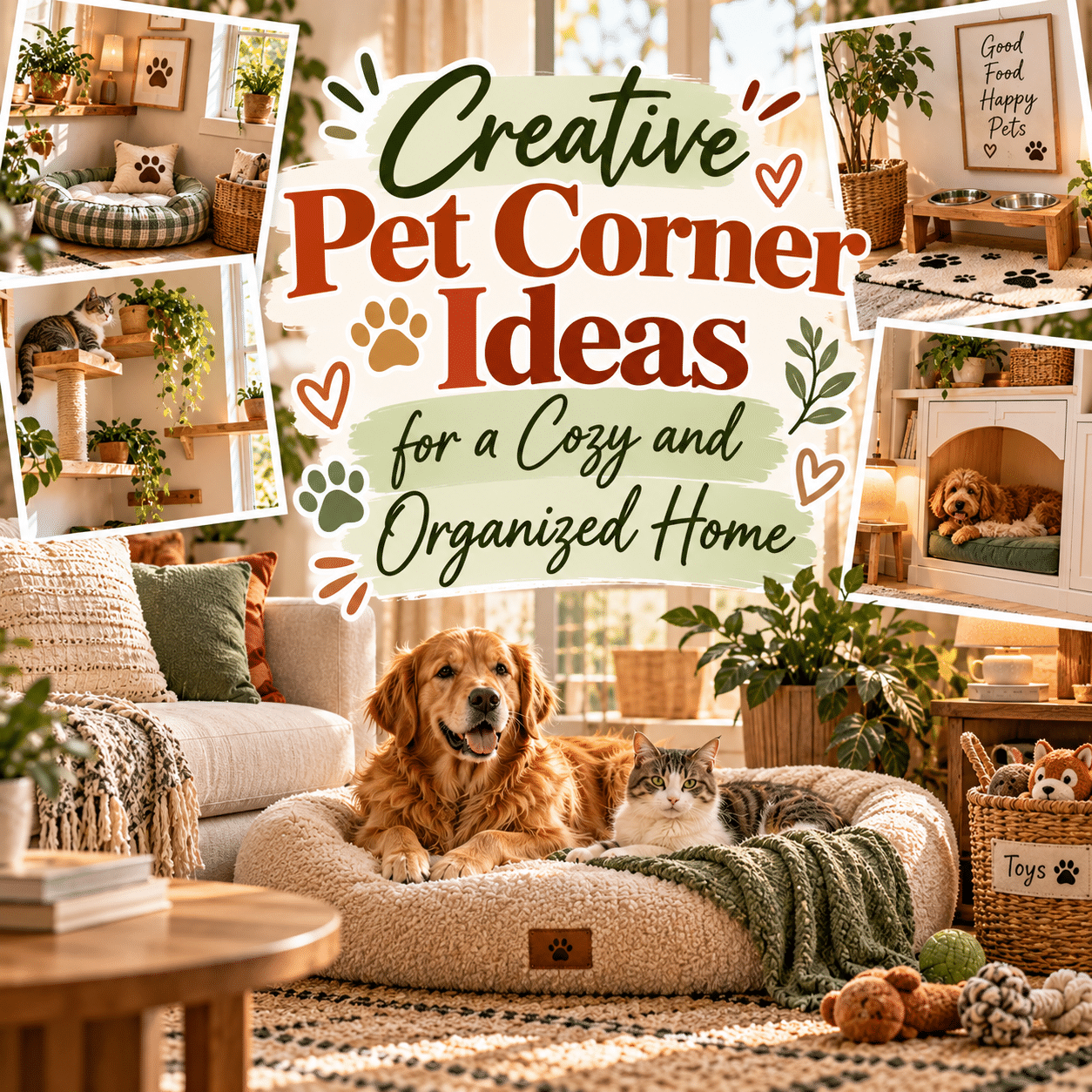
A home feels even more welcoming when every member of the household has a comfortable place to relax, including beloved pets. Whether you share your space with a playful dog, a curious cat, or several animal companions, creating a dedicated pet corner can make everyday life more comfortable, organized, and enjoyable.
A thoughtfully designed pet corner is more than a place for a bed or a collection of toys. It can become a peaceful resting area, a convenient storage station, a playful enrichment space, or a cozy retreat where pets feel secure while remaining connected to household activities.
The best pet corners balance three essential qualities: comfort, practicality, and visual harmony.
Comfort begins with understanding how your pet naturally behaves. Some dogs enjoy sleeping close to their families, while others prefer a quiet spot away from busy walkways. Cats may appreciate elevated perches, enclosed hideaways, scratching surfaces, or sunny places where they can observe their surroundings.
Practicality comes from choosing durable materials, washable bedding, accessible storage, and furniture that is easy to maintain. A well-organized pet area can help reduce clutter while keeping everyday essentials conveniently available.
Visual harmony is equally important. Pet furniture does not need to look disconnected from the rest of the home. Coordinated colors, natural textures, simple shelving, and attractive storage solutions can help pet corners blend beautifully with living rooms, bedrooms, home offices, and other shared spaces.
Even a small apartment can accommodate a thoughtful pet corner. A compact bed beside the sofa, a secure cat perch near a window, or a neatly organized cabinet for toys and accessories can transform an overlooked space into something useful and inviting.
This guide explores 40 creative pet corner ideas for different rooms, interior styles, and household needs. From minimalist pet retreats and cozy sleeping nooks to stylish feeding stations, vertical cat spaces, and practical storage solutions, these timeless ideas can help create a home that feels comfortable, organized, and welcoming for both people and pets.
1. Create a Cozy Pet Corner Beside the Living Room Sofa
The living room is often where families spend much of their time, making it a natural location for a pet corner.
A comfortable bed beside the sofa allows pets to remain close to household activities while enjoying a designated resting place.
Choose a quiet side of the seating area rather than a busy walkway.
Add a washable pet bed that complements the sofa’s color and texture.
A small basket nearby can hold a few favorite toys, while a simple mat can help define the space.
For a cohesive appearance, repeat colors already present in the room.
For example, a cream sofa with sage-green cushions may pair beautifully with a neutral pet bed and a natural-looking storage basket.
The result is a comfortable pet corner that feels like an intentional part of the living room.
2. Design a Minimalist Pet Corner with Neutral Colors
Minimalist pet corners focus on comfort without unnecessary clutter.
Start with a simple bed in beige, cream, gray, or another neutral tone.
Choose furniture with clean lines and practical materials.
Instead of displaying numerous accessories, keep only frequently used items nearby.
A compact storage box can hold toys, while grooming supplies and other essentials can remain in closed cabinets.
Use one or two decorative elements, such as a small framed illustration or a suitable wall decoration positioned safely out of reach.
The goal is not to eliminate everything your pet needs.
It is to organize those essentials thoughtfully so the corner feels peaceful, functional, and visually balanced.
3. Create a Scandinavian-Inspired Pet Retreat
Scandinavian-inspired interiors are known for light colors, natural materials, and comfortable simplicity.
These qualities make the style particularly suitable for pet corners.
Choose a soft bed with a washable cover.
Pair it with light wood furniture, a neutral rug, and simple storage.
A small wooden shelf above the resting area can display decorative items, provided it is securely installed and nothing can fall onto the pet.
Soft beige, warm white, and muted gray create a calm atmosphere.
For additional warmth, incorporate a textured cushion or blanket without loose threads or decorative attachments that might be chewed.
A Scandinavian-inspired pet corner should feel inviting without becoming overcrowded.
4. Make a Warm Modern Farmhouse Pet Corner
Modern farmhouse styling combines rustic charm with practical everyday comfort.
A pet corner can reflect this style through warm wood tones, neutral textiles, and simple accessories.
Choose a durable pet bed in cream, taupe, or soft brown.
A sturdy wooden storage cabinet can organize supplies.
A washable rug with a subtle pattern can help define the area.
Decorative details might include a simple framed pet portrait or a personalized name sign.
Avoid using rough wood, exposed nails, or decorative pieces that pets could chew or swallow.
A farmhouse-inspired pet corner works especially well in living rooms with natural textures and comfortable furniture.
5. Design a Bohemian-Inspired Pet Nook
A bohemian-inspired pet corner can bring warmth and personality into the home.
Choose earthy colors such as terracotta, olive green, warm beige, and muted rust.
Layer a comfortable pet bed over a practical, non-slip mat.
Use patterned textiles sparingly to create visual interest.
A suitable woven-look storage basket can hold toys, although pets that chew natural fibers may need a different storage material.
Avoid loose tassels, fringe, beads, and decorative cords.
For cats, a stable scratching post in a natural tone can complement the style.
The overall arrangement should feel relaxed and creative while remaining easy to clean and safe for daily use.
6. Create a Pet Corner Under a Window
Many pets enjoy resting near windows where they can observe outdoor activity.
A window-side pet corner can provide natural light and an interesting view.
For dogs, place a comfortable bed near the window without blocking access or creating a tripping hazard.
For cats, consider a stable perch or appropriately secured climbing structure.
Check that windows, screens, and nearby furniture are safe.
Ordinary insect screens may not prevent animals from falling.
Avoid placing pet furniture near unsecured openings.
Consider how sunlight affects the area throughout the day.
If the window receives intense afternoon sun, provide a cooler resting alternative.
A well-planned window corner can become one of a pet’s favorite places in the home.
7. Use an Empty Corner for a Compact Pet Bed
An unused corner can become a comfortable resting area without requiring major changes.
Measure the available space before selecting furniture.
Choose a pet bed that fits naturally without being squeezed between objects.
Leave enough room for the animal to enter, turn around, stretch, and leave comfortably.
A corner bed with raised sides may appeal to pets that enjoy resting against a supportive edge.
Keep the surrounding floor clear.
A small storage container nearby can organize toys without overcrowding the space.
This idea is especially useful in apartments where every square meter matters.
8. Create a Pet Nook Beneath a Side Table
A sturdy side table with an open lower section may provide a convenient place for a small pet bed.
The arrangement can save floor space while making the resting area feel integrated into existing furniture.
However, not every table is suitable.
Choose a stable design with sufficient height, width, and ventilation.
Avoid tables with sharp supports, exposed wiring, or objects that could fall.
Do not place heavy decorations or hot drinks where they could spill onto the pet below.
The animal should be able to enter and leave freely.
A comfortable, appropriately sized space beneath suitable furniture can create a cozy retreat without requiring a separate pet house.
9. Design a Built-In Pet Sleeping Nook
Built-in pet nooks can provide a polished, integrated appearance.
They may be incorporated into cabinetry, custom furniture, or a carefully designed alcove.
A built-in nook should prioritize the pet’s comfort and safety.
Important considerations include:
- Sufficient interior space.
- Proper ventilation.
- Easy entry and exit.
- Smooth, finished surfaces.
- Washable bedding.
- Accessible cleaning.
- Safe placement away from heat and electrical equipment.
Avoid creating a sealed or poorly ventilated compartment.
A built-in resting area should never restrict an animal’s movement or prevent it from leaving when it wishes.
When designed appropriately, a custom nook can blend beautifully into the surrounding furniture.
10. Create a Pet Corner in the Bedroom
Some pets prefer sleeping near their owners.
A bedroom pet corner can provide a designated resting area without requiring the animal to sleep on the bed.
Choose a quiet location beside a wall or near the foot of the bed.
Use comfortable bedding appropriate for the pet’s size and preferences.
A washable mat beneath the bed can protect flooring and simplify cleaning.
Keep electrical cords, personal medications, and small accessories inaccessible.
Choose colors that complement the bedroom’s existing palette.
Soft neutrals and coordinated textiles can make the pet corner feel peaceful and naturally integrated.
11. Design a Pet Corner in the Home Office
Pets often enjoy spending time near household members while they work.
A dedicated home office pet corner can provide a comfortable place to rest without interfering with daily tasks.
Position the bed away from rolling chair wheels and foot traffic.
Keep charging cables, office supplies, and electrical equipment out of reach.
A small storage bin can hold a few suitable toys.
For cats, a secure perch near a window may provide additional enrichment.
Avoid placing pet furniture where it could block desk drawers or create obstacles.
A thoughtfully arranged office corner allows pets to remain nearby while maintaining an organized workspace.
12. Create a Cozy Pet Corner in a Reading Nook
A reading nook and pet corner can complement each other beautifully.
Place a comfortable pet bed beside an armchair or sofa.
Use a washable rug to define the shared relaxation area.
A small side table can hold books and drinks, provided its contents remain safely out of the pet’s reach.
Choose warm, stable lighting.
Avoid loose electrical cords and easily tipped floor lamps.
A neutral pet bed and a soft throw can help the arrangement feel cohesive.
This setup is ideal for households where quiet reading time often becomes an opportunity to relax with a beloved companion.
13. Make a Dedicated Puppy Resting Corner
Puppies need comfortable resting places and careful management of their environment.
Choose an easy-to-clean area with suitable bedding.
Keep electrical cords, small objects, toxic plants, and chewable household accessories inaccessible.
A puppy-safe playpen may help define a supervised area when used appropriately.
Provide suitable toys and access to water according to the puppy’s needs.
Avoid excessive decorative materials.
Young dogs may chew or swallow items that appear harmless.
The most effective puppy corner prioritizes safety, supervision, comfort, and age-appropriate enrichment.
14. Create a Comfortable Corner for Senior Dogs
Older dogs may have changing mobility and comfort needs.
A senior-friendly pet corner should be easy to access.
Choose a resting area on the main floor rather than somewhere that requires jumping or climbing.
Consider supportive bedding and a non-slip surface.
Avoid placing the bed beside stairs or in busy walkways.
Keep essential resources conveniently accessible.
If the dog has difficulty standing, walking, or settling comfortably, consult a veterinarian about appropriate accommodations.
A senior pet corner should provide calm, familiarity, and practical support without requiring unnecessary movement.
15. Design a Quiet Hideaway for Shy Cats
Some cats prefer enclosed spaces where they can retreat from activity.
A cozy hideaway can provide a sense of privacy.
Choose a suitable cat cave, covered bed, or stable furniture enclosure.
Ensure the space is well ventilated and large enough for comfortable movement.
Position it away from loud appliances, busy doors, and constant foot traffic.
Allow the cat to enter and leave voluntarily.
Do not force interaction while the cat is resting.
A simple hideaway in a neutral color can blend into the home while providing an important choice of resting space.
16. Create a Vertical Cat Corner with Climbing Furniture
Vertical space can be especially valuable in homes with cats.
A secure climbing structure provides opportunities for perching, exploration, and observation.
Choose a stable cat tree or properly installed wall-mounted furniture.
Consider including different levels, comfortable platforms, and appropriate scratching surfaces.
Ensure the equipment suits the cat’s size and abilities.
Wall-mounted components should be installed according to manufacturer instructions and into appropriate structural supports.
Avoid positioning climbing structures beside unsecured windows or unstable objects.
A coordinated vertical cat corner can become a visually interesting feature while supporting natural feline behavior.
17. Combine a Cat Tree with a Cozy Resting Area
A cat tree can serve as both an activity structure and a relaxation space.
Choose a design with stable platforms and suitable resting surfaces.
Position it near an area the cat already enjoys.
A lower bed or soft mat can provide an alternative resting option.
Select colors that complement the room’s furniture.
For example, a beige cat tree can blend into a neutral living room, while a natural wood design may suit a Scandinavian-inspired interior.
Inspect the structure regularly for loose components or damaged scratching materials.
The best cat corner provides several comfortable choices rather than relying on one elevated perch.
18. Add a Dedicated Scratching Station
A scratching station can become a practical part of a cat corner.
Cats scratch for several reasons, including stretching, marking, and maintaining their claws.
Provide appropriate surfaces based on the cat’s preferences.
Options include:
- Vertical scratching posts.
- Horizontal scratching boards.
- Angled scratchers.
- Stable scratching furniture.
- Scratching surfaces integrated into cat trees.
Position the station where the cat naturally spends time.
Choose sturdy products that will not tip during use.
Avoid exposed staples, loose fibers, or damaged components.
A scratching station can be attractive while supporting normal feline behavior.
19. Create a Pet Toy Organization Corner
Pet toys can quickly make a room feel cluttered.
A dedicated storage corner helps keep frequently used items organized.
Choose a durable container that suits the pet’s behavior.
Fabric bins, sturdy baskets, and closed cabinets may all be appropriate.
Avoid containers with loose handles or materials that the animal chews.
Sort toys into simple categories, such as:
- Soft toys.
- Fetch toys.
- Interactive toys.
- Puzzle feeders.
- Grooming accessories.
Keep small or damaged toys out of reach.
A neat toy station can make daily cleanup easier while maintaining an inviting home environment.
20. Design a Pet Supply Cabinet
A dedicated cabinet can organize pet essentials without leaving them visible throughout the home.
Choose a location that is convenient for daily routines.
Use separate containers or shelves for different supplies.
A practical cabinet might include:
- Leashes and harnesses.
- Grooming brushes.
- Waste bags.
- Clean towels.
- Spare bedding.
- Sealed food or treats.
- Cleaning accessories.
Store medications, chemicals, sharp grooming tools, and other hazardous items securely.
Choose a cabinet with doors or drawers that pets cannot easily open.
A coordinated storage unit can blend into the room while improving everyday organization.
21. Create a Stylish Pet Feeding Corner
A dedicated feeding area can make mealtimes more organized.
Choose a quiet, accessible location away from busy walkways.
Use stable food and water bowls appropriate for the pet.
Place them on an easy-to-clean mat.
Avoid positioning bowls near electrical equipment or areas where they may be accidentally kicked.
For cats, consider individual preferences and the need to keep food and water away from litter areas.
In multi-pet households, separate feeding locations may help reduce competition.
A simple feeding station can look attractive without compromising cleanliness or accessibility.
22. Use a Washable Feeding Mat
A feeding mat is a small accessory that can make a noticeable difference.
Choose a material that is easy to clean and suitable for the flooring.
A non-slip backing may help keep bowls in place.
Select a size that accommodates the bowls and surrounding spills.
Neutral colors can blend with the interior, while subtle patterns may help conceal minor marks between cleanings.
Wash the mat regularly according to its instructions.
Avoid materials that pets repeatedly chew or damage.
A practical feeding mat helps protect floors and visually defines the feeding area.
23. Create a Pet Corner Near the Entryway
An entryway pet station can simplify routines for households with dogs.
Use hooks or a cabinet to organize leashes, harnesses, and walking accessories.
Keep a clean towel nearby for wiping paws after outdoor activities.
A durable mat can help manage dirt near the entrance.
If space permits, include a small bench or storage unit for convenience.
Avoid leaving loose leashes or cords where pets could become entangled.
Keep the entrance clear so people and animals can move safely.
An organized entryway station makes daily walks easier without allowing supplies to spread throughout the home.
24. Design a Pet Grooming Supply Corner
Grooming supplies are easier to manage when they have a designated storage location.
Choose a cabinet, drawer, or shelf for brushes, combs, nail-care tools, and appropriate cleaning products.
Use separate containers to prevent small items from becoming mixed together.
Store sharp tools and chemicals securely.
For routine brushing, choose a comfortable location with good lighting and an easy-to-clean floor.
Avoid forcing pets to remain in a stressful grooming environment.
A grooming corner should support calm, positive handling rather than function as a restrictive space.
25. Create a Pet Corner with Hidden Storage
Hidden storage can help maintain a clean visual appearance.
A storage bench, enclosed cabinet, or furniture piece with drawers may provide room for pet accessories.
Choose designs that are stable and easy to access.
If storage furniture also incorporates a pet resting area, ensure adequate ventilation and sufficient space.
Do not store cleaning chemicals or other hazardous supplies in compartments accessible to pets.
Use coordinated containers to keep items organized.
Hidden storage is especially useful in compact homes where visual clutter can make rooms feel smaller.
26. Use Floating Shelves for Pet Accessories
Floating shelves can provide additional storage without occupying floor space.
They may be useful for displaying framed photographs, storing lightweight accessories, or organizing selected supplies.
Install shelves securely into suitable supports.
Keep heavy or breakable objects away from positions where they could fall onto pets.
Do not assume ordinary decorative shelves are suitable for cats to climb.
Any shelf intended for animal use must be specifically designed and installed to support the expected load and movement.
A carefully planned shelving arrangement can add both function and style.
27. Create a Pet Corner with Personalized Wall Art
Personalized decorations can make a pet corner feel special.
Consider a framed illustration, a custom name sign, or a collection of favorite pet photographs.
Choose colors that coordinate with the room.
Keep the arrangement simple to avoid visual clutter.
Mount frames securely and use appropriate materials.
Avoid placing fragile decorations directly above a pet’s bed where they could fall.
A small gallery wall can celebrate the pet’s place in the family while maintaining a polished interior design.
28. Add a Cozy Rug to Define the Pet Area
A rug can help visually separate a pet corner from the surrounding room.
Choose a washable, low-pile design that is comfortable and easy to maintain.
Use suitable non-slip backing.
The rug should be large enough to accommodate the bed or activity area without creating awkward edges.
For pets with mobility challenges, traction is especially important.
Avoid loose fringe or decorative threads that may be chewed.
A well-chosen rug adds warmth while making the pet corner feel intentional.
29. Use Soft Lighting for a Relaxing Pet Corner
Lighting can influence the comfort and atmosphere of a pet corner.
Natural daylight is useful, but the area should also provide a comfortable place away from intense sunlight.
For evening use, choose stable ambient lighting.
Wall-mounted fixtures or securely positioned lamps may reduce the risk of accidental tipping.
Keep cords inaccessible.
Avoid exposed hot bulbs or intense lighting directed toward the pet’s resting area.
A softly lit corner can feel peaceful without requiring elaborate decorative lighting.
30. Incorporate Pet-Safe Greenery
Plants can add freshness and natural beauty to a pet corner.
However, plant selection requires care.
Some common indoor plants are toxic to cats and dogs.
Verify the specific species using reliable veterinary or animal poison-control information.
Certain spider plants, Boston ferns, and parlor palms are commonly listed as non-toxic to cats and dogs, but plant identity matters.
Even non-toxic plants can cause digestive upset if eaten, and fertilizers or pesticides may create additional hazards.
Use stable pots and avoid placing heavy planters where they could fall.
For pets that frequently chew plants, artificial greenery or decorative botanical artwork may be a more practical choice, provided the materials themselves are not accessible for chewing.
31. Design a Pet Corner for a Small Apartment
Small apartments benefit from carefully selected multifunctional furniture.
Choose a compact bed that fits beside existing furniture.
Use vertical storage for supplies.
A small cabinet can organize toys and grooming accessories.
For cats, a stable climbing structure may provide enrichment without requiring extensive floor space.
Avoid overcrowding the room with oversized pet furniture.
Keep walking paths clear.
A small pet corner can feel comfortable and attractive when each item has a practical purpose.
32. Create a Pet Corner for Multiple Animals
Multi-pet households may need more than one resting area.
Different animals can have different preferences and social relationships.
Provide suitable individual spaces rather than assuming all pets will enjoy sharing one bed.
For cats, multiple resting and scratching locations may help accommodate different preferences.
For dogs, separate beds can provide comfortable personal areas.
Consider whether feeding stations and other resources should be separated.
Observe how pets interact and avoid forcing them into shared confined spaces.
If persistent conflict or resource guarding occurs, seek guidance from a veterinarian or qualified animal behavior professional.
A well-organized multi-pet home respects each animal’s needs.
33. Make a Pet Corner for Active and Playful Pets
Some pets benefit from a designated activity area.
Choose a space with enough room for appropriate movement.
Use durable flooring and keep fragile objects away.
Provide suitable toys and enrichment activities.
For dogs, puzzle feeders and appropriate interactive toys may offer mental stimulation.
For cats, scratching surfaces, climbing furniture, and suitable play activities can support natural behaviors.
Supervise activities when required by the toy or equipment.
Avoid leaving items with small detachable parts or damaged components accessible.
A playful pet corner should encourage activity without creating unnecessary hazards.
34. Create a Calm Pet Retreat Away from Household Noise
A quiet retreat can be valuable for pets that become overwhelmed by activity.
Choose a low-traffic location away from loud appliances, speakers, and busy entrances.
Provide comfortable bedding and appropriate access to water.
Some pets prefer an open bed, while others may choose an enclosed hideaway.
Allow the pet to use the space voluntarily.
Avoid treating the retreat as punishment.
For animals experiencing significant fear or anxiety, consult a veterinarian or qualified behavior professional.
A calm pet corner can provide a predictable place to rest and recover from everyday stimulation.
35. Design a Pet Corner That Matches Your Furniture
Pet furniture can blend beautifully with existing interiors.
Begin by identifying the room’s main colors, materials, and shapes.
Choose a pet bed or storage unit that complements these features.
For example:
- A cream pet bed can coordinate with a neutral sofa.
- A natural wood cat tree may complement wooden shelves.
- A charcoal storage cabinet can match contemporary furniture.
- A muted green cushion can repeat the room’s accent color.
Avoid matching materials so closely that practicality is overlooked.
A coordinated pet corner should still be comfortable, durable, and easy to clean.
36. Create a Budget-Friendly Pet Corner
A comfortable pet corner does not require expensive furniture.
Begin with essentials.
A suitable bed, washable mat, and durable toy container may be enough.
Use existing furniture when appropriate.
An unused cabinet can organize supplies, while a spare washable blanket may provide additional comfort.
Rearranging furniture can create a quiet resting area without purchasing anything new.
Prioritize improvements based on the pet’s actual needs.
For example, a non-slip mat may be more valuable than decorative wall art for an older dog.
Thoughtful planning often matters more than the amount spent.
37. Use Seasonal Textiles to Refresh the Pet Corner
A pet corner can change subtly with the seasons.
In warmer conditions, breathable bedding and a cooler resting option may improve comfort.
During cooler periods, some pets appreciate additional warmth and suitable blankets.
Choose materials according to the animal’s needs and the indoor environment.
Avoid heating accessories that could cause burns or overheating unless specifically appropriate and used under professional guidance.
For visual variety, change washable covers or accent colors.
Seasonal updates should remain simple and should never compromise comfort or safety.
38. Create an Easy-to-Clean Pet Corner
A pet corner should be manageable during everyday life.
Choose washable bedding and easy-care surfaces.
Avoid unnecessary decorative layers that collect hair and dust.
Keep storage containers accessible.
Use a suitable mat beneath food bowls or frequently used resting areas.
A practical cleaning routine may include:
- Removing loose pet hair.
- Washing bedding according to instructions.
- Cleaning food and water bowls.
- Inspecting toys for damage.
- Vacuuming surrounding floors.
- Wiping storage surfaces.
- Checking for moisture or odors.
Use cleaning products appropriate for the surfaces and safe for the household when used according to their instructions.
A clean, organized pet corner supports comfort while reducing maintenance effort.
39. Adapt the Pet Corner as Your Pet’s Needs Change
Pets’ needs evolve over time.
A young animal may require more supervision and chew-resistant surroundings.
An adult pet may develop strong preferences for particular resting areas.
An older pet may need easier access and supportive bedding.
Review the corner periodically.
Consider whether the bed remains appropriately sized.
Check whether climbing furniture, ramps, or elevated surfaces are still suitable.
Replace worn or damaged accessories.
If a pet begins avoiding a favorite area or shows changes in mobility, seek veterinary guidance when appropriate.
A flexible design allows the pet corner to remain useful throughout different life stages.
40. Create a Pet Corner That Feels Like Part of the Family Home
The most successful pet corners are not simply decorative displays.
They reflect the role pets play in everyday household life.
A comfortable bed beside the sofa can support quiet companionship.
A secure cat perch can provide a favorite observation point.
A neatly organized toy basket can make playtime more convenient.
A dedicated storage cabinet can simplify daily care.
When these elements are coordinated with the surrounding interior, the pet corner becomes a natural part of the home.
The goal is to create a space where thoughtful design supports real comfort, meaningful companionship, and everyday routines.
Creative Pet Corner Ideas for Different Rooms
The ideal location depends on the pet’s behavior, available space, and household activities.
| Room or Location | Pet Corner Idea | Main Benefit |
|---|---|---|
| Living room | Cozy bed beside the sofa | Comfort near family activities |
| Bedroom | Quiet sleeping nook | Familiar and peaceful resting area |
| Home office | Compact bed near the desk | Companionship during work |
| Reading corner | Pet bed beside an armchair | Shared relaxation |
| Window area | Secure perch or resting mat | Natural light and outdoor views |
| Entryway | Organized walking supply station | Convenient daily routines |
| Dining area | Designated feeding station | Easier mealtime organization |
| Unused corner | Compact bed and storage | Efficient use of space |
| Wall area | Secure cat climbing furniture | Vertical enrichment |
| Quiet room | Enclosed hideaway or resting bed | Privacy and reduced stimulation |
Choose the location based on how the pet naturally uses the home rather than simply selecting the most visually appealing corner.
Pet Corner Design Ideas by Interior Style
A cohesive design helps pet furniture blend with the surrounding environment.
| Interior Style | Suggested Colors | Pet Corner Features |
|---|---|---|
| Minimalist | Cream, gray, beige | Simple bed, enclosed storage |
| Scandinavian | White, light wood, taupe | Soft textiles, natural finishes |
| Modern farmhouse | Warm beige, brown, ivory | Rustic-inspired storage, cozy bedding |
| Bohemian | Terracotta, olive, sand | Earthy textiles, safe woven-look accents |
| Contemporary | Charcoal, ivory, muted green | Streamlined furniture, practical organization |
| Coastal | Soft blue, white, natural beige | Light textiles, simple storage |
| Japandi-inspired | Warm wood, cream, muted gray | Calm layout, restrained decoration |
| Traditional | Taupe, walnut, warm neutrals | Coordinated pet bed, classic storage |
Interior style can guide color and material choices, but safety and comfort should always take priority.
Step-by-Step Guide: How to Create a Cozy and Organized Pet Corner
A simple planning process can help turn an unused area into a comfortable space.
Step 1: Observe Your Pet’s Preferences
Identify where the pet naturally rests, plays, and spends time.
Consider whether it prefers privacy, family interaction, elevated surfaces, or soft bedding.
Step 2: Choose a Suitable Location
Select an area with enough space, comfortable temperatures, and safe access.
Avoid crowded walkways and household hazards.
Step 3: Measure the Available Space
Check the dimensions before purchasing furniture.
Allow room for the pet to move comfortably.
Step 4: Select Appropriate Bedding
Choose a bed or resting surface suited to the pet’s size, age, and preferences.
Prioritize washable materials and practical construction.
Step 5: Add Necessary Activity Features
Depending on the animal, include suitable scratching surfaces, climbing furniture, or enrichment toys.
Step 6: Plan Storage
Use cabinets, bins, or baskets to organize supplies.
Store hazardous items securely.
Step 7: Choose a Coordinated Color Palette
Select colors that complement the surrounding room.
Keep the visual design simple.
Step 8: Check Safety
Inspect cords, furniture stability, plant toxicity, and accessible small objects.
Step 9: Introduce the Space Gradually
Allow the pet to explore the new area voluntarily.
Use familiar bedding or appropriate positive reinforcement to encourage comfort.
Step 10: Adjust Based on Actual Use
Observe whether the pet enjoys the corner.
Change the arrangement if the location or furniture does not suit its needs.
A successful pet corner should work for the animal, not just look attractive.
Essential Pet Corner Organization Checklist
A practical checklist can help you prepare the space.
Comfort and Resting
- Suitable pet bed or resting mat.
- Washable bedding.
- Comfortable temperature.
- Quiet resting location.
- Enough room for movement.
- Appropriate floor traction.
Activity and Enrichment
- Suitable toys.
- Scratching surfaces for cats.
- Stable climbing furniture where appropriate.
- Safe enrichment activities.
- Regular inspection of accessories.
Storage and Organization
- Dedicated toy container.
- Secure grooming supply storage.
- Organized leashes and harnesses.
- Storage for spare bedding.
- Secure storage for medications and chemicals.
- Easy access for cleaning.
Safety
- Electrical cords secured.
- Furniture stable.
- Windows and screens checked.
- Indoor plants verified for safety.
- Small choking hazards removed.
- No exposed sharp edges.
- No unstable decorations above resting areas.
- Adequate ventilation.
Style and Maintenance
- Coordinated colors.
- Easy-care materials.
- Washable mat or rug.
- Simple decorative details.
- Practical cleaning routine.
- Flexible layout for changing needs.
How to Keep a Pet Corner Clean and Organized
Maintaining a pet corner is easier when the design supports routine cleaning.
Choose Washable Materials
Removable bed covers, washable mats, and durable fabrics can simplify maintenance.
Limit Unnecessary Accessories
Too many decorative objects create additional surfaces for dust and pet hair.
Use Dedicated Storage
Keep toys and supplies in appropriate containers rather than scattered across the floor.
Clean Food and Water Areas Regularly
Wash bowls and surrounding surfaces using suitable cleaning methods.
Inspect Bedding
Check for damaged seams, loose stuffing, and signs of excessive wear.
Rotate Appropriate Toys
Keep the active toy collection manageable and inspect items before reuse.
Maintain Floor Surfaces
Vacuum or clean the area according to the flooring manufacturer’s instructions.
Review the Setup Periodically
As pets grow or their routines change, adjust furniture and storage accordingly.
An organized pet corner should make everyday care easier rather than introduce additional work.
Common Pet Corner Design Mistakes to Avoid
A beautiful pet corner can become impractical when important details are overlooked.
Choosing a Location Based Only on Appearance
An attractive corner may be too noisy, warm, or isolated for the pet.
Observe behavior before selecting the location.
Buying a Bed That Is Too Small
Pets need enough room to rest comfortably.
Choose dimensions based on size and preferred sleeping position.
Using Unsafe Decorative Accessories
Loose cords, small ornaments, fragile objects, and toxic plants can create hazards.
Overcrowding the Area
Too much furniture may restrict movement and make cleaning difficult.
Ignoring Floor Traction
Slippery surfaces may be uncomfortable or difficult for some animals.
Use appropriate non-slip solutions.
Installing Unstable Cat Furniture
Climbing structures must be secure and suitable for the animal.
Storing Hazardous Supplies Within Reach
Medications, cleaning chemicals, and sharp tools require secure storage.
Placing Beds Near Heat Sources
Excessive heat can make resting areas uncomfortable or unsafe.
Forcing Pets to Use the New Corner
Allow animals to explore and become comfortable at their own pace.
Forgetting That Needs Change Over Time
Pet furniture and layouts may require adjustments as animals age or develop new preferences.
Frequently Asked Questions About Creative Pet Corners
1. How can I create a cozy pet corner at home?
Choose a quiet, comfortable location and add a suitable pet bed, washable mat, and a few appropriate accessories. Keep the layout simple and organize supplies in dedicated storage.
2. Where is the best place to put a pet corner?
The best location depends on the pet’s preferences. Living rooms, bedrooms, home offices, and quiet unused corners can all work when they provide comfort, safety, and appropriate access.
3. How can I make a pet corner look stylish?
Coordinate bedding, storage, and furniture with the room’s existing colors and materials. Use a consistent design style and avoid excessive decorations.
4. What should I include in a dog corner?
A comfortable bed, suitable toys, accessible water, and organized care supplies are useful essentials. Choose the arrangement according to the dog’s size, age, and behavior.
5. What should I include in a cat corner?
Cats may appreciate comfortable resting areas, scratching surfaces, secure climbing furniture, hiding spaces, and safe window views.
6. How do I create a pet corner in a small apartment?
Use compact furniture, practical storage, and an unused floor area. For cats, suitable vertical furniture can provide additional enrichment without occupying much floor space.
7. Can I place a pet bed under furniture?
Yes, when the furniture is stable and the space provides adequate room, ventilation, and safe entry and exit. Avoid enclosed or hazardous compartments.
8. How do I organize pet toys?
Use a dedicated durable container and separate toys by type when useful. Inspect them regularly and remove damaged items.
9. What colors are best for a pet corner?
Neutral colors such as beige, cream, gray, and taupe are versatile. Earthy tones and muted accent colors can also coordinate beautifully with many interior styles.
10. How can I create a pet corner on a budget?
Begin with a suitable bed, washable mat, and storage container. Rearrange existing furniture and prioritize practical needs before purchasing decorations.
11. Are indoor plants suitable for pet corners?
Only use plants verified as appropriate for the species in your household. Some common indoor plants are toxic, and even non-toxic plants may cause problems if chewed or treated with chemicals.
12. How can I make a pet corner comfortable for an older dog?
Choose supportive bedding, an accessible location, and good floor traction. Avoid unnecessary jumping or climbing, and seek veterinary advice for mobility difficulties.
13. Should multiple pets share one corner?
Some pets enjoy resting together, but each animal should have access to suitable individual spaces and resources. Observe their interactions and avoid forcing shared use.
14. How often should I clean a pet corner?
Remove visible dirt and hair as needed, clean bowls regularly, wash bedding according to instructions, and inspect toys and furniture periodically.
15. How do I encourage my pet to use a new corner?
Place the corner in a location the pet already enjoys, introduce familiar bedding, and allow voluntary exploration. Appropriate positive reinforcement may help build a comfortable association.
Final Thoughts
A creative pet corner can transform an ordinary part of the home into a welcoming space that supports comfort, organization, and everyday companionship.
Whether it is a cozy bed beside the living room sofa, a peaceful sleeping nook in the bedroom, a secure climbing area for a curious cat, or a neatly organized station for pet supplies, the most successful designs begin with understanding the animal’s needs.
Thoughtful materials, washable bedding, practical storage, and safe furniture provide the foundation. Coordinated colors, natural textures, simple decorations, and comfortable lighting help the corner blend beautifully into the surrounding interior.
A pet corner does not need to be large, expensive, or elaborate. Small spaces can become inviting retreats when every element serves a purpose.
As pets grow and their preferences change, the space can evolve through simple adjustments that maintain comfort and safety.
Above all, a pet corner should feel like a natural extension of the home rather than a separate decorative feature.
By balancing creativity with practical care, you can create a cozy, organized environment where pets feel comfortable, household routines become easier, and everyday moments of companionship feel even more special.