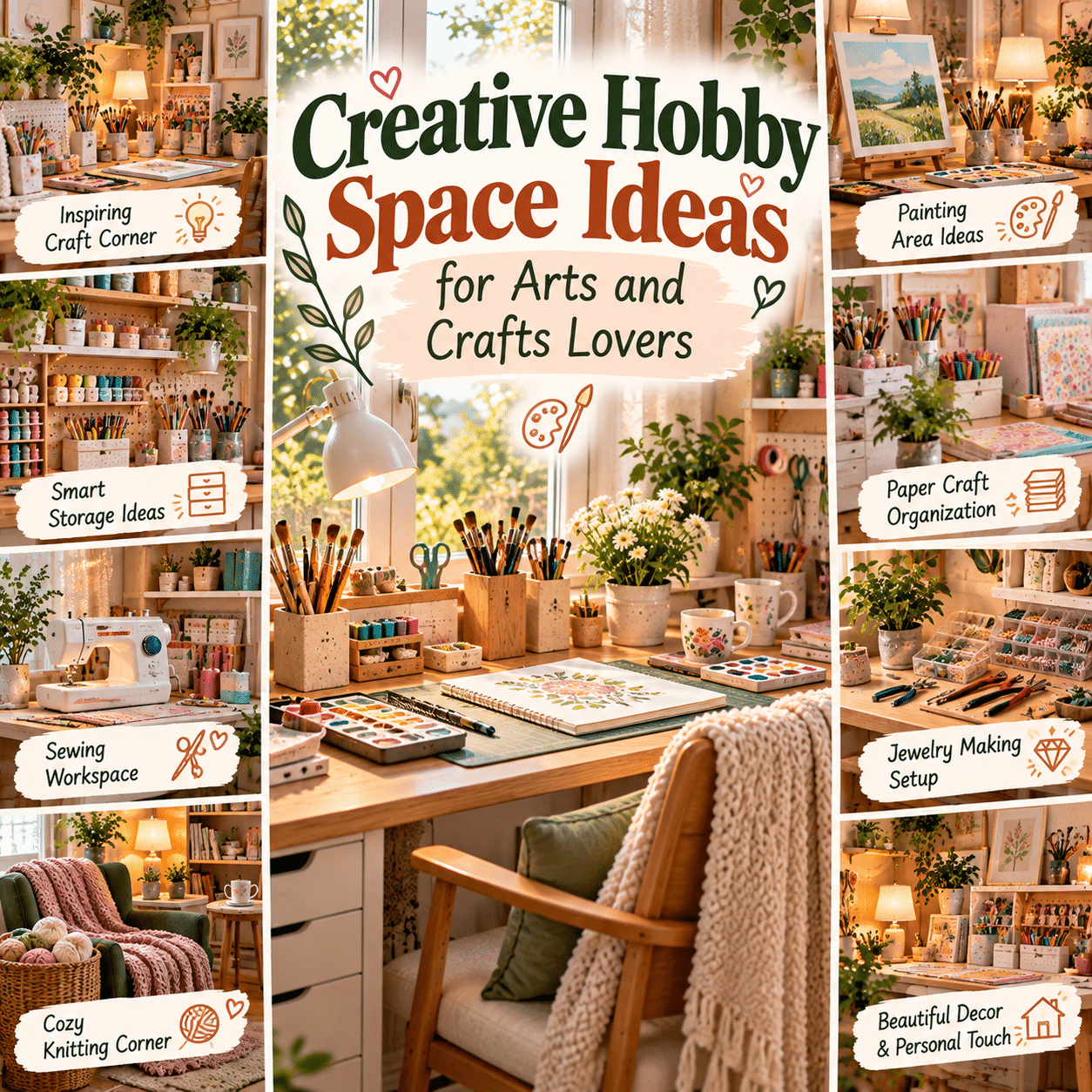
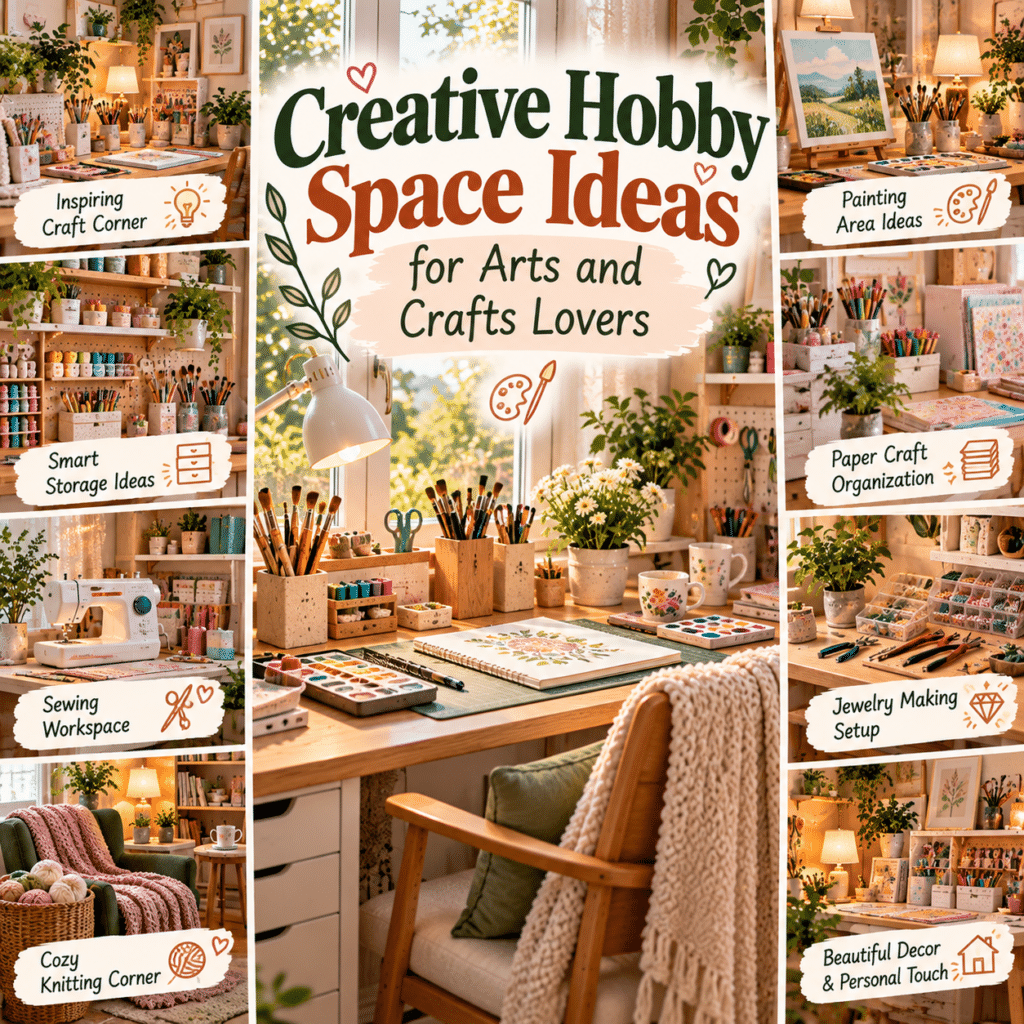
A creative hobby space is more than a place to store art supplies. It is a personal environment where ideas take shape, skills develop, and everyday moments can become opportunities for imagination and hands-on enjoyment.
Whether you love painting, drawing, sewing, knitting, scrapbooking, pottery, paper crafts, or DIY projects, having a thoughtfully arranged creative area can make your favorite activities more convenient and enjoyable.
The good news is that you do not need a large studio, a separate room, or expensive furniture to create a functional hobby space.
A small desk beside a window, a compact craft cart, an organized corner of a bedroom, or a shared dining table can become a welcoming creative retreat with the right arrangement.
The most successful hobby spaces combine inspiration with practicality. They provide enough room to work comfortably, keep frequently used materials accessible, support appropriate lighting, and make cleanup manageable.
They also reflect personal style.
Some creative people prefer bright, colorful studios filled with artwork and decorative details. Others enjoy minimalist workspaces with natural wood, neutral colors, and carefully organized tools.
Neither approach is inherently better. A hobby space should support the way you create, the materials you use, and the atmosphere that makes you feel comfortable.
This guide explores creative hobby space ideas for arts and crafts lovers, including inspiring layouts, practical storage solutions, lighting arrangements, budget-friendly furniture, small-space designs, and organization strategies for different creative activities.
1. Define the Purpose of Your Creative Hobby Space
Before arranging furniture or buying storage containers, consider which activities your hobby space needs to support.
Different crafts have different requirements.
A watercolor painter may need a sturdy table, access to clean water, and organized paper storage. A sewing enthusiast may need a larger work surface, comfortable seating, and space for fabric. Someone who enjoys knitting may prefer a cozy chair, good task lighting, and a basket for yarn.
Begin by identifying your main creative activities.
Common hobbies include:
- Drawing and sketching.
- Watercolor painting.
- Acrylic painting.
- Sewing and embroidery.
- Knitting and crocheting.
- Scrapbooking.
- Card making.
- Paper crafting.
- Jewelry making.
- Calligraphy and lettering.
- Clay modeling.
- DIY home decoration.
- Model building.
- Photography and product styling.
Prioritize Your Most Frequent Activities
If you enjoy several hobbies, identify which ones you practice most often.
Arrange the workspace around those activities first.
Occasional projects can use portable storage or flexible work surfaces.
This approach helps prevent overcrowding and keeps the space practical.
2. Choose the Best Location for Your Hobby Area
A creative hobby space can fit into many areas of the home.
Possible locations include:
- A spare bedroom.
- A home office.
- A living room corner.
- A bedroom alcove.
- A dining area.
- A sheltered sunroom.
- A dedicated craft room.
- A suitable garage workspace.
- A small area near a window.
Consider Light, Noise, and Ventilation
The best location depends on your materials and activities.
Drawing and sewing benefit from clear lighting. Activities involving paints, adhesives, solvents, dust, or heat may require additional ventilation and safety precautions.
Choose a location that accommodates your work without interfering with household movement.
Think About Cleanup
If your hobby involves water, glue, paint, or small loose materials, select surfaces that are easy to protect and clean.
A beautiful workspace becomes much more useful when maintenance is straightforward.
3. Create a Dedicated Craft Corner in a Small Room
You do not need an entire room to enjoy a creative hobby.
A compact corner can become a functional workspace with a small desk, comfortable chair, and organized supplies.
Start with the essentials:
- A stable work surface.
- Suitable lighting.
- A supportive chair.
- A small storage unit.
- A container for frequently used tools.
Use Vertical Space
Wall shelves, pegboards, and organizers can help keep materials accessible without occupying valuable desk space.
Avoid installing heavy storage directly above seating areas unless it is securely mounted and appropriate for the wall.
Keep the Corner Visually Balanced
Choose furniture that fits the available dimensions.
A narrow desk and compact rolling cart may be more practical than a large workstation in a small bedroom.
4. Design a Bright and Airy Art Studio
Natural daylight can make a creative workspace feel welcoming.
If possible, place your desk near a window where you can enjoy daylight without excessive glare.
Light-colored walls, simple furniture, and uncluttered surfaces can help create an open atmosphere.
Manage Direct Sunlight
Strong sunlight can produce glare and heat.
It may also affect certain artworks, papers, fabrics, and stored materials over time.
Use adjustable blinds or curtains when needed.
For color-sensitive work, consistent artificial task lighting can help reduce changes in appearance throughout the day.
5. Build a Cozy Craft Room with Warm Colors
Not every hobby space needs to resemble a professional studio.
A cozy craft room can feel inviting through warm colors, comfortable textiles, and natural materials.
Consider a palette featuring:
- Cream.
- Beige.
- Warm white.
- Sage green.
- Dusty pink.
- Muted terracotta.
- Light wood.
- Soft blue.
Add Personal Details
A framed illustration, handmade decoration, or small inspiration board can give the space character.
Avoid covering every available surface with decorative items.
Leave enough room for actual projects.
6. Create a Minimalist Creative Workspace
A minimalist hobby area emphasizes clear surfaces and organized materials.
This approach may appeal to people who prefer fewer visual distractions.
Consider:
- A simple desk.
- Closed storage cabinets.
- Neutral containers.
- A compact task lamp.
- A comfortable chair.
- A small selection of inspiring artwork.
Keep Supplies Easy to Find
Minimalism should not make tools difficult to access.
Store frequently used materials in convenient drawers or organizers.
Use labels when multiple containers look similar.
The goal is functional simplicity rather than an empty-looking room.
7. Use a Large Worktable for Multiple Crafts
A generous work surface can support activities such as sewing, scrapbooking, paper cutting, and assembling DIY projects.
If space allows, choose a sturdy table that accommodates your largest typical project.
Consider Table Height
The most comfortable working height depends on the activity.
Drawing, sewing, and detailed handcrafts may be easier at seated desk height.
Some cutting and assembly tasks may benefit from a standing-height surface.
If you perform both types of work, an adjustable-height table may be useful.
Protect the Surface
Use an appropriate cutting mat, protective covering, or washable work surface when needed.
Never cut directly on furniture that is not designed for cutting.
8. Choose Comfortable Seating for Creative Sessions
Arts and crafts can involve extended periods of sitting.
A supportive chair helps make creative sessions more comfortable.
Look for:
- Suitable seat height.
- Stable construction.
- Comfortable back support.
- Appropriate cushioning.
- Easy movement.
- A design that fits beneath the desk.
Adjust Your Working Position
Position the chair so your shoulders can remain reasonably relaxed and your arms can work comfortably.
Keep your feet supported.
Change position and take movement breaks during longer sessions.
If your craft requires frequent standing, consider a stable anti-fatigue mat where appropriate.
9. Create a Flexible Workspace with Adjustable Furniture
A flexible hobby space can accommodate different creative activities.
An adjustable-height desk may allow you to alternate between seated and standing tasks.
A folding table can provide extra space for occasional projects.
A mobile storage cart can move between work areas.
Avoid Buying Flexibility You Will Not Use
Adjustable furniture can be helpful, but it is not essential.
Consider your actual habits before investing.
A sturdy conventional desk may be sufficient for many creative hobbies.
10. Use Pegboards for Visible Tool Organization
Pegboards are popular in craft spaces because they keep tools visible and accessible.
They can hold suitable hooks, baskets, and small organizers.
Possible items include:
- Scissors.
- Measuring tapes.
- Rulers.
- Lightweight tools.
- Thread organizers.
- Small supply containers.
- Frequently used accessories.
Organize by Activity
Group related tools together.
For example, place measuring and cutting accessories in one section and drawing tools in another.
Use suitable mounting hardware and respect the organizer’s weight limits.
Sharp tools should be stored securely, especially in homes with children.
11. Create a Beautiful Wall of Craft Supplies
A well-organized storage wall can become a decorative feature.
Combine shelves, cabinets, drawers, and pegboards to accommodate different materials.
Use open storage for attractive, frequently used supplies and closed storage for items that create visual clutter.
Balance Display and Function
Colorful yarn, neatly arranged paper, or labeled containers can look appealing.
However, not every supply needs to be displayed.
Protect light-sensitive materials from direct sunlight and keep delicate supplies away from dust and moisture.
12. Organize Small Supplies with Clear Containers
Small craft materials can be difficult to manage.
Buttons, beads, clips, paper embellishments, and other accessories may become mixed together without suitable storage.
Clear containers make contents easier to identify.
Consider:
- Compartment boxes.
- Small drawers.
- Stackable containers.
- Lidded jars.
- Divided organizers.
- Portable supply cases.
Use Labels When Helpful
Even transparent containers benefit from labels when materials look similar.
Choose a labeling system that is easy to update.
Avoid creating dozens of unnecessary categories.
13. Add a Rolling Craft Cart
A rolling cart can be particularly useful in small or shared spaces.
It allows you to move supplies between a desk, dining table, and storage area.
A three-tier cart might hold:
- Frequently used tools on top.
- Current project materials in the middle.
- Extra supplies below.
Keep the Cart Stable
Choose a cart with appropriate load capacity and secure wheels when necessary.
Store heavier items on lower shelves.
Avoid moving carts with unsecured sharp tools or open containers of liquids.
14. Create a Portable Hobby Station
If you cannot dedicate permanent space to crafting, consider a portable setup.
Use a sturdy storage box, tote, or compact organizer to hold the essentials for one activity.
A portable drawing kit might contain:
- Sketchbook.
- Pencils.
- Eraser.
- Sharpener.
- Small ruler.
- Protective case.
A portable knitting kit might include yarn, needles, stitch markers, and a pattern.
Make Setup and Cleanup Easy
Choose a container that fits your materials without excessive weight.
Keep supplies organized so you can begin and finish a session quickly.
This approach works well for shared homes and multipurpose rooms.
15. Design a Painting Corner
A painting area should accommodate your preferred medium.
Watercolor, acrylic, and oil painting can have different requirements for surfaces, storage, ventilation, and cleanup.
A basic painting corner may include:
- A stable desk or easel.
- Appropriate task lighting.
- Brush storage.
- Paint organizers.
- A protected work surface.
- Paper or canvas storage.
- Suitable cleaning supplies.
Understand Material Safety
Read labels and safety information for paints, mediums, solvents, and cleaning products.
Some products require specific ventilation, protective equipment, or disposal methods.
Do not assume that every art material is harmless because it is sold for creative use.
16. Create an Inspiring Watercolor Workspace
Watercolor painting often benefits from a clean, stable surface and organized access to supplies.
Consider a desk with enough room for paper, palettes, brushes, and water containers.
Use a protective mat if necessary.
Organize by Workflow
Keep clean water, paint, and brushes conveniently positioned.
Store finished and unfinished artwork away from accidental splashes.
Allow paintings to dry in a suitable area.
Keep beverages separate from painting water to avoid confusion.
17. Build a Comfortable Drawing and Sketching Station
Drawing can be enjoyed in a compact space.
A desk, sketchbook, pencils, and good lighting may be enough.
An adjustable drawing board can be helpful for some artists.
Reduce Uncomfortable Postures
If you spend long periods leaning over a flat desk, consider changing the work angle or taking breaks.
Position supplies within easy reach.
Keep frequently used pencils and erasers in a small organizer.
18. Create a Calligraphy and Lettering Corner
Calligraphy and hand lettering benefit from a stable surface and clear lighting.
Arrange pens, nibs, inks, paper, and practice sheets in separate containers.
Protect the Work Area
Use a washable protective mat when working with ink.
Keep bottles upright and securely closed.
Store specialty pens and inks according to their instructions.
A simple layout makes it easier to concentrate on lettering rather than searching for supplies.
19. Design a Sewing Room That Supports Your Workflow
A sewing workspace often requires several distinct activities:
- Measuring.
- Cutting.
- Sewing.
- Pressing.
- Organizing fabric.
- Storing patterns.
If space allows, separate these activities into convenient zones.
Position the Sewing Machine Carefully
Use a stable table designed to support the machine’s weight and movement.
Provide adequate lighting.
Keep electrical cords organized and follow the machine manufacturer’s instructions.
Store Sharp Tools Safely
Scissors, rotary cutters, pins, and needles should have designated storage.
Retract or cover cutting blades when not in use.
Keep small sharp items away from children and pets.
20. Create a Practical Fabric Storage System
Fabric collections can grow quickly.
Organize fabrics according to the system that best suits your projects.
Possible categories include:
- Fabric type.
- Color.
- Project.
- Pattern.
- Frequency of use.
Protect Fabrics from Damage
Keep materials clean and dry.
Avoid prolonged exposure to direct sunlight when fading is a concern.
Use breathable or suitable protective storage according to fabric type.
Label containers so you can find materials without unpacking everything.
21. Set Up a Cozy Knitting and Crochet Corner
Knitting and crochet can be enjoyed in a comfortable chair rather than at a traditional desk.
Choose supportive seating with suitable lighting.
Keep yarn, hooks, needles, and current projects nearby.
Create a Yarn Basket
A basket beside the chair can hold current supplies.
Use separate containers for additional yarn if necessary.
Protect yarn from dust, moisture, and curious pets.
Add a Small Side Table
A side table provides space for patterns, reading glasses, and other accessories.
Keep drinks away from delicate materials.
22. Design a Scrapbooking and Paper Craft Station
Scrapbooking and paper crafting often involve many small materials.
A well-organized station can make projects easier to manage.
Useful storage may include:
- Paper trays.
- Vertical file organizers.
- Sticker folders.
- Drawer dividers.
- Cutting tool storage.
- Small embellishment containers.
Keep Paper Flat and Protected
Store paper according to its size and material requirements.
Avoid damp conditions and excessive sunlight.
Use a suitable cutting mat to protect furniture.
23. Create a Card-Making and Gift-Wrapping Corner
Card making and gift wrapping share many materials.
A combined station can accommodate:
- Decorative paper.
- Ribbons.
- Scissors.
- Adhesives.
- Stamps.
- Envelopes.
- Gift tags.
Organize Wrapping Supplies Vertically
Tall containers or suitable wall organizers can hold wrapping paper rolls.
Keep ribbons in boxes or on secure holders to prevent tangling.
Store cutting tools safely.
24. Build a Jewelry-Making Workspace
Jewelry making often involves tiny components and detailed handwork.
A stable desk with bright task lighting is especially useful.
Consider compartment organizers for:
- Beads.
- Clasps.
- Findings.
- Wire.
- Small tools.
- Current project components.
Prevent Small-Item Loss
Use a tray with raised edges or a suitable work mat.
Keep small components away from children and pets.
If your work involves soldering, resins, polishing dust, or chemicals, follow material-specific safety requirements and use appropriate ventilation and protective equipment.
25. Create a Clay and Pottery Hobby Area
Clay modeling can be enjoyable at home, but different materials require different setups.
Air-dry clay, polymer clay, and traditional ceramic clay are not interchangeable.
Choose a work surface that is stable and easy to clean.
Plan for Material-Specific Safety
Read product instructions carefully.
Some materials require dedicated equipment or controlled curing conditions.
Traditional ceramic clay work can generate fine dust, and firing requires suitable kiln equipment and safety procedures.
Avoid dry sweeping clay dust; use appropriate wet-cleaning methods.
Do not use household food-preparation equipment for materials when the manufacturer prohibits it.
26. Design a DIY Home Decor Workbench
DIY projects may involve cutting, sanding, painting, gluing, or assembling materials.
Choose a sturdy work surface appropriate for the tools and tasks.
Keep materials organized by project.
Separate Decorative Crafting from Hazardous Work
Activities involving power tools, significant dust, fumes, or heat may require a workshop environment rather than a bedroom or living room.
Use appropriate protective equipment and follow tool instructions.
Do not prioritize attractive decoration over safe working conditions.
27. Create a Digital and Traditional Art Workspace
Some artists combine sketching, digital illustration, photography, and physical crafts.
A hybrid workspace may include a computer, drawing tablet, traditional supplies, and a separate surface for messy projects.
Protect Electronics
Keep paint, water, adhesives, and loose materials away from computers and charging equipment.
Organize cables to prevent snagging and tripping.
Use a separate protected work surface when handling liquids.
28. Add an Inspiration Board
An inspiration board can make a creative space feel personal and visually engaging.
Use a corkboard, magnetic board, or other suitable display surface.
Include:
- Color combinations.
- Sketches.
- Fabric samples.
- Project ideas.
- Photographs.
- Inspirational words.
- Personal artwork.
Refresh the Board Periodically
Remove references that are no longer relevant.
Leave enough empty space for new ideas.
An inspiration board should support creativity rather than become another source of visual clutter.
29. Display Your Finished Artwork
Displaying completed projects can give a hobby space a sense of personality and accomplishment.
Consider:
- Framed illustrations.
- Small shelves.
- A rotating gallery wall.
- Display stands.
- Shadow boxes.
- Decorative hooks for suitable textile pieces.
Rotate Displays
You do not need to display every project simultaneously.
Choose a few favorites and change them periodically.
Protect delicate artwork from moisture, direct sunlight, and unstable mounting.
30. Create a Colorful and Playful Craft Room
If bright colors inspire you, consider a cheerful creative space.
Use colorful storage containers, artwork, or accessories.
A neutral desk and shelving system can provide balance.
Choose a Cohesive Palette
Instead of introducing every color equally, select a few recurring shades.
For example, coral, teal, mustard, and cream can create a playful combination.
Keep essential work surfaces visually clear so colorful decoration does not interfere with detailed tasks.
31. Design a Natural Botanical Hobby Space
A botanical theme can create a warm, nature-inspired creative environment.
Combine:
- Sage green accents.
- Light wood furniture.
- Botanical prints.
- Woven baskets.
- Neutral textiles.
- A few suitable houseplants.
Keep Plants Away from Sensitive Supplies
Watering plants near paper, fabric, or electrical equipment can create problems.
Use stable planters and protective trays.
Check plant toxicity when pets or children have access.
32. Create a Vintage-Inspired Craft Room
Vintage-inspired spaces can feel charming and personal.
Consider:
- Wooden drawers.
- Antique-style organizers.
- Framed illustrations.
- Decorative tins.
- Traditional sewing baskets.
- Warm brass-inspired accents.
Combine Old and New Carefully
Older furniture may require inspection or repair.
Check stability, drawer function, and surface condition.
Avoid using vintage electrical equipment unless it has been appropriately assessed for safe operation.
33. Use Open Shelving to Display Attractive Supplies
Some craft materials are visually appealing.
Colorful yarn, neatly arranged markers, and coordinated paper collections can become part of the room’s decoration.
Protect Materials
Open shelves expose supplies to dust and light.
Store delicate, light-sensitive, or infrequently used materials in suitable closed containers.
Keep heavy objects on lower shelves.
34. Use Closed Cabinets for a Cleaner Appearance
Closed storage can help reduce visual clutter.
It is particularly useful for:
- Extra supplies.
- Unfinished projects.
- Bulky equipment.
- Packaging materials.
- Occasional-use tools.
Create Clear Categories
Use labels or drawer organizers to avoid losing track of materials.
Store items according to frequency of use.
Frequently used supplies should remain convenient to access.
35. Create a Dedicated Project-in-Progress Station
One challenge in creative hobbies is managing unfinished work.
A dedicated project station can keep materials together between sessions.
Use a tray, drawer, basket, or labeled box for each active project.
Limit the Number of Active Projects
If too many unfinished projects compete for space, consider keeping only a manageable number readily accessible.
Store paused projects separately.
This makes the workspace easier to maintain without requiring you to abandon creative ideas.
36. Design a Shared Family Craft Space
A shared hobby area can support creative activities for different household members.
Choose durable furniture and clearly organized storage.
Consider separate containers for each person’s materials.
Adapt for Different Ages
Children’s craft supplies should be age-appropriate.
Keep sharp tools, chemicals, small choking hazards, and heated equipment securely stored.
Supervise activities according to the materials and tools involved.
Provide washable surfaces and easy cleanup options.
37. Create a Craft Space in a Multipurpose Room
A living room, bedroom, or home office can accommodate creative activities without becoming a permanent workshop.
Choose furniture that serves multiple purposes.
Examples include:
- A desk used for both writing and drawing.
- A storage ottoman for yarn.
- A folding table for occasional projects.
- A rolling cart for craft supplies.
- A cabinet with designated hobby shelves.
Establish a Simple Reset Routine
After each session, return materials to storage.
Protect shared furniture with suitable mats.
Keep walkways clear.
A multipurpose hobby area works best when transitioning between activities is easy.
38. Improve Lighting for Detailed Arts and Crafts
Good lighting is essential for many creative activities.
A task lamp can help illuminate small details and reduce shadows.
Consider adjustable lamps that allow you to direct light toward your work.
Pay Attention to Color Accuracy
For painting, fabric matching, and other color-sensitive tasks, lighting quality can influence how colors appear.
A lamp with good color rendering may be useful.
Try to maintain consistent lighting when comparing colors.
Reduce Glare and Shadows
Position lighting according to your dominant hand and work activity.
For example, placing a lamp on the opposite side of your writing hand may help reduce shadows during drawing.
Adjust the setup based on your actual workspace.
39. Organize Electrical Cords and Equipment
Craft rooms may include sewing machines, cutting machines, lamps, computers, and other electrical equipment.
Keep cords organized and away from liquids or cutting areas.
Use appropriate outlets and follow equipment instructions.
Avoid Overloading Power Sources
Do not overload extension cords or power strips.
High-power or heat-producing equipment may have specific electrical requirements.
Keep cords out of walking paths.
Disconnect equipment when required by its instructions.
40. Make Your Creative Space Easy to Clean
A practical hobby space should support simple cleanup.
Choose surfaces that tolerate the materials you use.
Keep appropriate cleaning supplies nearby.
Match Cleaning Methods to Materials
Water-based paint, oil-based materials, adhesives, glitter, clay, and sanding dust may require different cleanup methods.
Follow product safety information.
Do not wash hazardous materials into household drains unless disposal guidance permits it.
Keep food and beverages away from potentially hazardous craft materials.
How to Design Your Creative Hobby Space Step by Step
Creating an inspiring craft area becomes easier when you approach the project in stages.
Step 1: Identify Your Main Creative Activities
List the hobbies you enjoy most often.
Consider the tools, materials, and work surfaces they require.
Step 2: Measure the Available Space
Record the dimensions of your chosen area.
Check door clearance, electrical outlets, windows, and existing furniture.
Step 3: Choose a Practical Work Surface
Select a stable desk or table suited to your main activities.
Consider height, durability, and cleaning requirements.
Step 4: Arrange Comfortable Seating
Choose a chair that supports your working posture.
Allow enough space to move comfortably.
Step 5: Plan Storage Around Frequency of Use
Keep everyday tools within easy reach.
Store occasional supplies in drawers, cabinets, or labeled containers.
Step 6: Improve Lighting
Use natural light where practical and add suitable task lighting.
Reduce glare and shadows.
Step 7: Create Separate Zones When Needed
For larger spaces, consider zones for:
- Creating.
- Cutting.
- Storage.
- Drying.
- Displaying.
- Packing and cleanup.
Step 8: Add Personal Decoration
Choose artwork, colors, and accessories that reflect your interests.
Keep the main work surface functional.
Step 9: Establish a Cleanup System
Provide designated places for tools, scraps, waste, and unfinished projects.
Use material-appropriate disposal methods.
Step 10: Adjust the Space as Your Hobbies Evolve
Your needs may change as you learn new skills.
Choose flexible storage and furniture when practical.
Avoid buying equipment before you know whether it will be useful.
Creative Hobby Space Ideas for Different Crafts
| Creative Hobby | Useful Workspace Features | Storage Priorities |
|---|---|---|
| Drawing and sketching | Stable desk, adjustable lighting | Pencils, paper, sketchbooks |
| Watercolor painting | Protected surface, water access | Brushes, palettes, paper |
| Acrylic painting | Easel or desk, appropriate ventilation | Paints, brushes, canvases |
| Sewing | Stable machine table, cutting space | Fabric, thread, patterns |
| Knitting and crochet | Comfortable chair, task lighting | Yarn, needles, hooks |
| Scrapbooking | Spacious table, cutting mat | Paper, stickers, embellishments |
| Calligraphy | Smooth work surface, bright lighting | Pens, inks, practice paper |
| Jewelry making | Detailed task lighting, raised-edge mat | Beads, findings, tools |
| Clay modeling | Easy-clean surface, material-specific safety | Clay, tools, drying supplies |
| DIY home decor | Durable workbench, protective equipment | Tools, materials, hardware |
| Digital illustration | Ergonomic desk, tablet, computer | Cables, accessories, reference materials |
| Card making | Compact table, organized supplies | Paper, stamps, adhesives |
Choose the features that match your actual activities rather than trying to build a workspace for every possible hobby.
Creative Hobby Space Layouts for Different Room Sizes
| Available Space | Suggested Layout | Best Approach |
|---|---|---|
| Very small corner | Narrow desk, wall organizer, task lamp | Vertical storage |
| Small bedroom | Compact desk and rolling cart | Multipurpose furniture |
| Living room corner | Foldable work surface and closed storage | Easy setup and cleanup |
| Home office | Separate craft storage beside main desk | Shared workspace |
| Spare bedroom | Large desk, shelves, comfortable chair | Dedicated creative zone |
| Dedicated craft room | Multiple workstations and storage zones | Activity-based organization |
| Garage workshop | Durable bench and suitable ventilation | Tool and material safety |
| Shared family room | Central table and individual supply boxes | Flexible use and clear storage |
Even a small area can support meaningful creative work when it is thoughtfully organized.
Budget-Friendly Craft Room Ideas
A beautiful hobby space does not require expensive custom furniture.
Consider starting with items you already own.
| Element | Budget-Friendly Idea | Optional Upgrade |
|---|---|---|
| Worktable | Existing sturdy desk | Adjustable-height craft table |
| Seating | Comfortable existing chair | Ergonomic task chair |
| Storage | Reused containers | Modular drawer system |
| Wall organization | Simple hooks and shelves | Full pegboard system |
| Lighting | Existing adjustable lamp | High-quality color-rendering task light |
| Project storage | Labeled boxes | Dedicated project drawers |
| Supply cart | Portable storage basket | Rolling craft cart |
| Inspiration display | Corkboard or framed prints | Large modular display board |
| Surface protection | Suitable craft mat | Specialized cutting workstation |
| Decoration | Handmade artwork | Coordinated studio accessories |
Prioritize tools, lighting, and storage that improve everyday usability.
Decorative upgrades can come later.
Creative Hobby Space Organization Checklist
Workspace Essentials
- The work surface is stable.
- Seating is comfortable.
- Lighting supports detailed activities.
- Frequently used tools are accessible.
- The layout allows easy movement.
Storage and Organization
- Supplies are grouped by purpose.
- Small materials have suitable containers.
- Unfinished projects have designated storage.
- Heavy items are stored securely.
- Containers are labeled where useful.
Creative Inspiration
- The space reflects personal interests.
- Favorite artwork or references are displayed.
- Colors feel inviting.
- Decorations do not obstruct work.
- There is room for new ideas and projects.
Safety and Maintenance
- Sharp tools are stored safely.
- Electrical cords are organized.
- Ventilation suits the materials used.
- Appropriate protective equipment is available.
- Cleaning and disposal methods suit the materials.
- Children and pets cannot access hazardous supplies.
Long-Term Practicality
- The workspace is easy to clean.
- Storage can adapt to changing hobbies.
- The setup fits the available budget.
- Materials are protected from moisture and damage.
- The space remains enjoyable to use.
A Simple 15-Minute Craft Space Reset
Keeping a hobby area organized does not require a major cleaning session after every project.
A short reset can help maintain the space.
| Time | Activity | Purpose |
|---|---|---|
| Minutes 1–3 | Put away frequently used tools | Clear the work surface |
| Minutes 4–6 | Sort leftover materials | Reduce waste and clutter |
| Minutes 7–9 | Store unfinished projects | Protect ongoing work |
| Minutes 10–12 | Clean the work surface appropriately | Maintain a usable workspace |
| Minutes 13–15 | Prepare supplies for the next session | Make future crafting easier |
Some activities require more extensive cleaning or material-specific safety procedures.
Always complete necessary cleanup before leaving the workspace.
Common Craft Room Design Mistakes to Avoid
Buying Storage Before Understanding Your Needs
Containers may look attractive but fail to fit the materials you actually use.
Sort supplies first, then choose storage.
Choosing a Desk That Is Too Small
A compact desk may be suitable for drawing but inconvenient for large sewing or scrapbooking projects.
Consider your typical project dimensions.
Ignoring Lighting
Poor lighting can make detailed work difficult.
Invest in suitable task lighting before decorative accessories.
Displaying Every Supply
Open storage can look attractive, but excessive visual clutter may make the room feel crowded.
Combine open and closed storage.
Overlooking Cleanup
Paint, glue, fabric scraps, and other materials require appropriate maintenance.
Choose surfaces and storage that simplify cleanup.
Ignoring Safety Requirements
Different crafts involve different hazards.
Follow product instructions and use appropriate ventilation, protective equipment, and storage.
Creating an Overly Rigid Layout
Creative interests can change.
Choose flexible furniture and organizers when possible.
Decorating Before Establishing Functionality
A beautiful craft room should still provide enough space to work.
Prioritize practical arrangements first.
Frequently Asked Questions About Creative Hobby Spaces
1. How can I create a hobby space at home?
Start by identifying your main creative activities.
Choose a suitable area, add a stable work surface, arrange comfortable seating, and organize frequently used supplies.
Good lighting and practical storage are more important than elaborate decoration.
2. Do I need a separate room for arts and crafts?
No.
A bedroom corner, home office, living room area, or portable craft station can work well.
The ideal setup depends on your activities, available space, and materials.
3. How can I organize a small craft room?
Use vertical storage, compact drawers, labeled containers, and rolling carts.
Keep frequently used supplies accessible.
Store occasional materials in closed cabinets or boxes.
4. What furniture is essential for a craft room?
Most hobby spaces benefit from a stable work surface, comfortable seating, suitable lighting, and practical storage.
Specialized furniture depends on the craft.
5. How can I make my craft room look beautiful?
Choose a cohesive color palette, organize supplies neatly, and display a few meaningful creative projects.
Combine practical furniture with personal decorative details.
Avoid overcrowding the workspace.
6. What is the best lighting for arts and crafts?
Adjustable task lighting is useful for detailed activities.
For color-sensitive work, consistent lighting with good color rendering can be helpful.
Reduce glare and position lamps to minimize shadows.
7. How can I create a craft space on a budget?
Reuse an existing desk, chair, and storage containers.
Add labels and organize supplies before purchasing new furniture.
Prioritize lighting and surface protection.
8. Are pegboards useful for craft rooms?
Yes.
Pegboards can keep lightweight tools visible and accessible.
Use suitable mounting hardware and avoid exceeding weight limits.
Store sharp items securely.
9. How should I store unfinished craft projects?
Use labeled trays, boxes, drawers, or project bags.
Keep all materials for one project together.
Protect delicate work from dust, moisture, and accidental damage.
10. Can I combine a home office and craft room?
Yes.
A shared desk can support both activities when supplies are organized.
Consider separate storage areas and protect electronics from paint, water, adhesives, and other materials.
11. How can I make a craft room comfortable for long sessions?
Choose supportive seating, appropriate work height, good lighting, and a convenient layout.
Change positions and take breaks during extended activities.
Avoid repetitive movements that cause discomfort.
12. How can I safely store art supplies?
Follow product labels and safety instructions.
Keep sharp tools, chemicals, and small hazardous components secure.
Store materials away from incompatible substances, excessive heat, moisture, and unauthorized access.
13. What colors work well in a creative hobby space?
Neutral colors can create a simple backdrop, while brighter accents may feel energizing.
Choose a palette that suits your preferences and the activities you enjoy.
14. How do I keep my hobby space organized over time?
Give frequently used tools designated storage locations.
Sort leftover materials after projects and keep unfinished work in labeled containers.
Review supplies periodically and adjust the organization system as your hobbies evolve.
Final Thoughts: Create a Hobby Space That Inspires Everyday Creativity
A creative hobby space does not need to be large, expensive, or perfectly decorated to become one of the most enjoyable areas of your home.
What matters most is creating an environment that supports your favorite activities and makes it easy to begin a new project.
A sturdy desk, comfortable chair, appropriate lighting, organized supplies, and a few personal details can transform an ordinary corner into a welcoming creative retreat.
For some people, that means a bright art studio filled with colorful materials. For others, it may be a cozy knitting chair, a carefully organized sewing table, or a compact desk for drawing and journaling.
The best hobby spaces balance inspiration with everyday practicality.
They provide enough room to work, keep tools conveniently accessible, support safe material handling, and make cleanup manageable.
Begin with the space and supplies you already have.
Identify what would make your creative activities easier, introduce improvements gradually, and allow the arrangement to evolve as your interests grow.
Most importantly, remember that the purpose of a hobby space is not simply to look beautiful.
It is to make creativity feel accessible, enjoyable, and naturally connected to everyday life.
A thoughtfully designed creative corner can turn even a small part of your home into a place where imagination, personal expression, and the simple pleasure of making something come together.