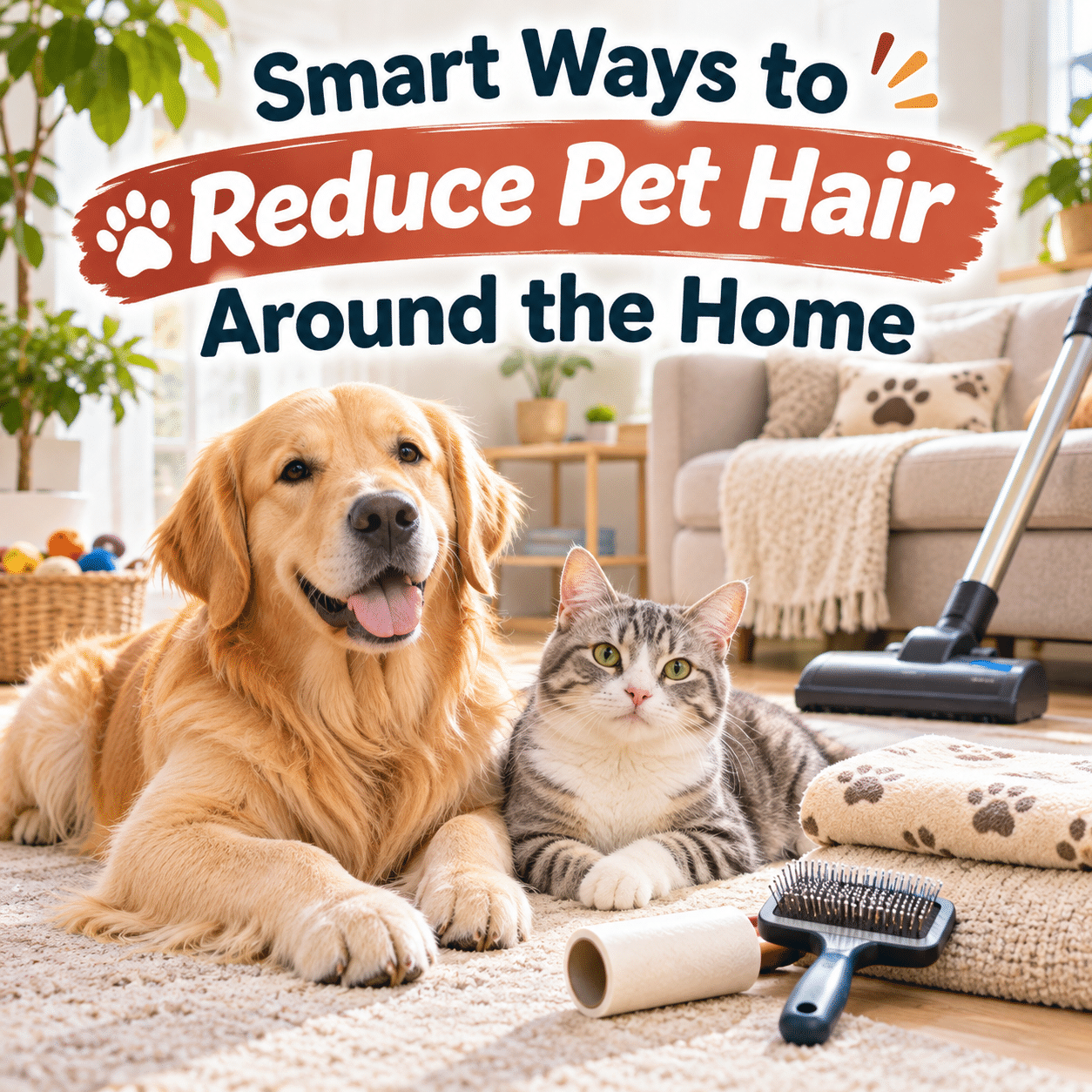
Sharing your home with a dog or cat brings companionship, comfort, and plenty of memorable moments. However, it also comes with a familiar household challenge: pet hair that seems to appear everywhere. From sofas and carpets to clothing, bedding, and hard-to-reach corners, loose fur can quickly become part of everyday life.
While shedding is a natural process for many pets, managing the hair they leave behind does not have to involve constant cleaning or complicated routines. With thoughtful grooming habits, practical cleaning methods, and a few adjustments to your living environment, you can significantly reduce the amount of pet hair that accumulates throughout your home.
The key is to address pet hair at its source, prevent it from spreading unnecessarily, and use cleaning techniques that work with different household surfaces.
This guide explores smart, realistic ways to manage pet hair while maintaining a comfortable, welcoming, and pet-friendly living space.
1. Understand Why Pets Shed Hair
Before developing an effective cleaning routine, it helps to understand why shedding occurs.
Natural Hair Growth Cycles
Dogs and cats naturally replace older hairs with new growth. Individual hairs move through growth, transition, resting, and shedding phases.
The amount of visible shedding depends on several factors, including:
- Breed and coat characteristics.
- Age and overall health.
- Seasonal changes.
- Indoor lighting and environmental conditions.
- Grooming frequency.
- Individual differences between pets.
Some animals shed relatively small amounts throughout the year, while others release substantial quantities of loose hair during seasonal coat changes.
Seasonal Shedding Patterns
Many double-coated dogs experience noticeable shedding periods when their coats adjust to changing daylight and environmental conditions.
Indoor pets may shed more consistently throughout the year because artificial lighting and temperature-controlled environments can influence their natural coat cycles.
Understanding your pet’s typical shedding pattern makes it easier to anticipate periods when additional grooming and cleaning may be necessary.
When Shedding May Indicate a Problem
Normal shedding should not be confused with unusual hair loss.
Consult a veterinarian if your pet develops:
- Bald patches or noticeably thinning areas.
- Persistent scratching or excessive licking.
- Red, inflamed, or irritated skin.
- Unusual dandruff, sores, or scabs.
- Sudden changes in coat appearance.
- Shedding accompanied by other changes in health or behavior.
Routine grooming can help manage normal shedding, but it cannot resolve underlying medical causes of abnormal hair loss.
2. Establish a Consistent Pet Grooming Routine
One of the most effective ways to reduce pet hair around the home is to remove loose fur before it falls onto furniture and floors.
Brush Your Pet Regularly
Brushing collects loose hairs directly from your pet’s coat.
The ideal frequency depends on coat type, breed, shedding intensity, and individual grooming needs.
For example:
- Short-haired pets may benefit from regular gentle brushing.
- Long-haired pets often need more frequent attention to prevent tangles.
- Double-coated breeds may require additional grooming during heavy shedding periods.
- Pets with sensitive skin may need softer tools and shorter grooming sessions.
Rather than following a rigid schedule for every animal, observe how quickly loose hair accumulates and adjust accordingly.
Choose Grooming Tools Carefully
Different coats require different tools.
| Grooming Tool | Common Purpose | Important Consideration |
|---|---|---|
| Soft bristle brush | Gentle surface grooming | Suitable for many sensitive coats |
| Rubber grooming mitt | Collecting loose surface hair | Often useful for short-haired pets |
| Slicker brush | Removing loose hair and minor tangles | Use gently to avoid skin irritation |
| Undercoat rake | Managing loose undercoat | Choose a tool appropriate for the coat |
| Wide-tooth comb | Working through longer coats | Avoid pulling on knots |
| Deshedding tool | Removing loose hair from suitable coats | Excessive use may damage the coat |
Always choose grooming equipment designed for your pet’s species and coat type.
Create a Dedicated Grooming Area
Whenever possible, brush your pet in a location where loose hair is easy to collect.
Suitable locations may include:
- A washable floor area.
- A bathroom with a dry, easy-to-clean surface.
- A designated grooming corner.
- A secure outdoor area when weather and pet safety permit.
Avoid grooming near open food preparation areas or directly above upholstered furniture.
Collect and dispose of loose hair immediately after each session.
3. Use Bathing as a Supporting Grooming Method
Bathing can help remove dirt and loose hair, but it should complement rather than replace brushing.
Follow Your Pet’s Individual Bathing Needs
Bathing frequency varies considerably.
Some dogs benefit from occasional baths, while others require schedules based on coat condition, activity level, or veterinary advice.
Healthy cats generally groom themselves and often do not need routine bathing.
Excessive bathing may remove protective skin oils or cause irritation.
Use Appropriate Pet-Safe Products
Choose shampoos formulated for the animal being bathed.
Avoid using ordinary human shampoo unless specifically recommended by a veterinarian.
After bathing:
- Rinse thoroughly.
- Dry the coat appropriately.
- Brush gently when suitable for the coat.
- Collect loose hair from the bathing area.
- Remove hair from drain covers before it enters the plumbing.
A non-slip surface can make bathing safer and more comfortable.
Consider Professional Grooming
Professional grooming may be particularly useful for pets with dense coats, difficult tangles, or substantial seasonal shedding.
A qualified groomer can also help identify suitable coat-maintenance techniques.
However, grooming methods should respect the natural function of the coat. Double-coated breeds generally should not be shaved solely to reduce shedding unless medically indicated or advised by an appropriate professional.
4. Choose Cleaning Tools Designed for Pet Hair
Not every cleaning tool handles pet hair equally well.
Loose fur can cling to fabric, become embedded in carpet fibers, or collect along floor edges.
Using suitable tools for each surface makes cleaning more efficient.
Vacuum Cleaners
A vacuum with effective suction and appropriate attachments can help remove pet hair from multiple surfaces.
Useful features may include:
- Upholstery attachments.
- Motorized brush tools suitable for fabric.
- Adjustable suction.
- Brushes designed to resist hair tangling.
- Effective filtration.
- Easy-to-empty dust containers.
For households concerned about airborne allergens, a well-sealed vacuum with suitable high-efficiency filtration may help reduce the release of collected particles during cleaning.
Rubber Cleaning Tools
Rubber brushes and squeegees can help gather hair from certain carpets and upholstery.
Their friction against fabric may lift hair that ordinary vacuuming leaves behind.
Always test these tools on an inconspicuous area before using them extensively.
Microfiber Cloths
Microfiber cloths are particularly useful for collecting loose hair from smooth surfaces.
A slightly damp microfiber cloth can help capture hair without simply pushing it into the air.
Avoid excessive moisture on wood, electronics, and moisture-sensitive finishes.
5. Develop a Pet Hair Cleaning Routine That Fits Your Home
A manageable routine is more effective than occasional intensive cleaning followed by long periods of buildup.
Daily Maintenance
Focus on the places where hair accumulates most quickly.
Examples include:
- Pet sleeping areas.
- Frequently used sofas.
- Entryways.
- Main walking paths.
- Favorite resting spots.
A few minutes of targeted cleaning can prevent loose hair from spreading throughout the house.
Weekly Cleaning
Schedule more thorough attention for:
- Carpets and rugs.
- Upholstered furniture.
- Bedding.
- Floor edges.
- Furniture bases.
- Pet accessories.
The frequency should reflect the number of pets, coat types, household activity, and visible accumulation.
Periodic Deep Cleaning
Less frequently, clean areas that are easily overlooked.
These may include:
- Behind large furniture.
- Under beds.
- Beneath sofas.
- Along baseboards.
- Behind curtains.
- Around ventilation grilles.
Consistency matters more than following an unnecessarily demanding schedule.
6. Remove Pet Hair Effectively From Hard Floors
Hard floors are often easier to clean than carpets, but pet hair can travel surprisingly far.
Air movement, footsteps, and daily household activity may push loose fur into corners and along walls.
Use a Microfiber Dust Mop
A microfiber dust mop can collect hair without scattering it as much as some traditional sweeping methods.
Move slowly and systematically.
Begin at the edges of the room and work toward a central collection area.
Vacuum Before Wet Mopping
For heavily covered floors, vacuuming first can reduce the amount of hair that becomes tangled in a wet mop.
After collecting loose fur, use a cleaning method appropriate for the floor material.
Avoid Excessive Water
Wood, laminate, and certain engineered flooring products may be damaged by excessive moisture.
Use only the amount of water recommended by the flooring manufacturer.
The goal is to remove hair and dust without creating additional maintenance problems.
7. Keep Carpets and Rugs From Becoming Hair Traps
Carpet fibers can hold pet hair more firmly than smooth flooring.
This makes carpets one of the most challenging surfaces in homes with shedding animals.
Vacuum Slowly and Thoroughly
Rapid vacuuming may leave embedded hair behind.
Use overlapping passes and adjust the vacuum settings for the carpet pile.
For heavily used areas, cleaning from more than one direction may help lift trapped fur.
Use Carpet-Safe Hair Removal Tools
Certain rubber brushes or carpet rakes can help loosen embedded hair before vacuuming.
However, aggressive scraping may damage delicate fibers.
Avoid using unsuitable tools on:
- Loose-weave rugs.
- Antique carpets.
- Fragile textiles.
- Long decorative fringe.
- Delicate natural fibers.
Consider Washable Rugs
Washable rugs can simplify maintenance in high-traffic areas.
Before purchasing or laundering one, check:
- Washing instructions.
- Size and machine compatibility.
- Drying requirements.
- Backing material.
- Durability under frequent cleaning.
A washable rug is only convenient when it can be cleaned safely using the equipment available in your home.
8. Protect Sofas and Upholstered Furniture
Sofas are common gathering places for both people and pets.
Unfortunately, upholstered surfaces can hold substantial amounts of fur.
Use Washable Furniture Covers
Removable throws or fitted covers can protect frequently used seating areas.
Choose fabrics that:
- Are comfortable for pets.
- Tolerate repeated laundering.
- Resist excessive snagging.
- Fit securely.
- Are easy to remove.
Wash covers according to their care labels.
Clean Upholstery With Suitable Attachments
Use a vacuum upholstery attachment or a fabric-safe hair removal tool.
Pay special attention to:
- Seat cushions.
- Cushion seams.
- Armrests.
- Backrest corners.
- Spaces beneath removable cushions.
Test Fabric Cleaning Methods
Some upholstery materials are sensitive to friction, moisture, or cleaning chemicals.
Always check manufacturer guidance before using damp cloths, brushes, or cleaning solutions.
Avoid aggressive rubbing that may cause pilling or fabric damage.
9. Make Pet Bedding Easier to Maintain
Pet beds are natural collection points for loose fur.
Keeping them clean can reduce the amount of hair transferred to surrounding surfaces.
Choose Removable Covers
Pet beds with washable covers are often easier to maintain than designs that require cleaning the entire cushion.
Useful characteristics include:
- Durable seams.
- Machine-washable materials.
- Accessible closures.
- Suitable drying instructions.
- Comfortable, supportive construction.
Remove Hair Before Washing
Shake or brush loose hair from bedding in an appropriate location before placing it in the washing machine.
This helps reduce the amount of fur entering the appliance.
Dry Bedding Thoroughly
Follow the care label and ensure bedding is completely dry before returning it to your pet.
Persistent moisture may contribute to unpleasant odors and other hygiene problems.
Maintain More Than One Cover
A spare cover allows one to be washed while the other remains in use.
This simple arrangement can make regular cleaning more convenient.
10. Prevent Pet Hair From Spreading Into Bedrooms
Pet hair can easily move from shared living spaces into bedrooms.
Even pets that rarely enter bedrooms may leave hair on clothing, blankets, and other items that travel between rooms.
Establish Comfortable Sleeping Boundaries
If you prefer to keep certain sleeping areas relatively free of pet hair, create clear and consistent household boundaries.
Provide a comfortable alternative resting place for your pet.
Avoid sudden changes that cause unnecessary stress.
Use Washable Bedding Layers
If your pet sleeps on the bed, a washable top blanket can help protect the main bedding.
Wash it regularly and remove loose hair before laundering.
Keep Clean Laundry Protected
Freshly washed clothing and bedding can collect fur when left on sofas or other shared surfaces.
Store clean laundry promptly in drawers, wardrobes, or covered containers.
11. Reduce Pet Hair on Clothing
Pet hair on clothing can be particularly frustrating, especially with dark fabrics or textured materials.
Keep a Lint Roller Accessible
A lint roller is useful for removing surface hair before leaving home.
Consider keeping one near:
- Your wardrobe.
- The front door.
- A laundry area.
- A frequently used dressing space.
Reusable lint brushes can also be practical.
Separate Clothing From Pet Resting Areas
Avoid placing clean clothes directly on pet beds or heavily used sofas.
Use hooks, shelves, or closed storage.
Select Fabrics Thoughtfully
Some fabrics release hair more easily than others.
Smooth, tightly woven materials may be easier to clean than certain fuzzy or loosely textured fabrics.
However, performance varies by fiber type, weave, finish, and the characteristics of your pet’s hair.
Test fabrics in your own household rather than assuming one material will always remain hair-free.
12. Improve Laundry Habits for Pet Hair Removal
Laundry can remove a significant amount of pet hair, but poor preparation may leave fur on clothing or transfer it between items.
Remove Loose Hair Before Washing
Use a lint brush, vacuum attachment, or other fabric-safe method to remove visible hair.
For heavily covered items, this step can make laundering more effective.
Avoid Overloading the Washing Machine
Clothing needs room to move during washing and rinsing.
Overloading can reduce cleaning effectiveness and make it harder to remove loose debris.
Clean Appliance Filters and Seals
Follow the manufacturer’s maintenance instructions for:
- Washer drain filters.
- Door seals.
- Dryer lint filters.
- Accessible collection areas.
Pet hair can accumulate in these locations over time.
Use the Dryer Appropriately
For dryer-safe fabrics, a suitable low-heat or air-only cycle may help loosen hair before or after washing.
Always follow garment and appliance instructions.
Clean the lint filter as directed, and never operate a dryer with obstructed airflow.
Not every garment is suitable for tumble drying.
13. Manage Pet Hair Around Air Vents and Filters
Loose pet hair and associated dust may accumulate around ventilation grilles, return-air openings, and household air filters.
Inspect Accessible Ventilation Areas
Check visible grilles periodically.
Remove accumulated hair using a vacuum or appropriate cleaning tool.
Avoid pushing debris deeper into the ventilation system.
Maintain HVAC Filters
If your home uses a heating, ventilation, or air-conditioning system with replaceable filters, follow the equipment manufacturer’s guidance.
Filter replacement frequency depends on factors such as:
- Filter design.
- System operating hours.
- Indoor dust levels.
- Number of pets.
- Household conditions.
Do not install a filter that creates excessive airflow resistance for the system.
Understand the Limits of Air Purifiers
An appropriately sized air purifier may help capture some airborne particles, including certain pet-related allergens.
However, it cannot remove large amounts of hair already settled on furniture or floors.
Air filtration should complement grooming and surface cleaning rather than replace them.
14. Pay Attention to Pet Hair in Corners and Hidden Areas
Pet hair often collects in places that receive little daily attention.
Air currents and movement can push loose fur into narrow spaces.
Common Collection Points
Inspect areas such as:
- Behind doors.
- Beneath cabinets.
- Under sofas.
- Around table legs.
- Along baseboards.
- Behind storage baskets.
- Under low furniture.
Use Narrow Cleaning Attachments
A vacuum crevice tool can reach spaces that ordinary floor attachments cannot.
A flexible microfiber duster may help with certain narrow gaps.
Avoid moving heavy furniture without assistance when doing so could cause injury.
Reduce Unnecessary Floor Clutter
The fewer obstacles on the floor, the easier it becomes to collect loose hair.
Storage baskets, raised organizers, and clear walking paths can make regular maintenance faster.
15. Create a Dedicated Pet Resting Area
Pets often have favorite locations where they spend much of their time.
These areas naturally accumulate more hair.
Rather than trying to prevent your pet from resting comfortably, make those spaces easier to clean.
Select Practical Locations
A dedicated resting area may work well in:
- A quiet living room corner.
- A comfortable area near family activity.
- A suitable bedroom corner.
- A shaded location away from excessive heat.
Choose a place that meets your pet’s comfort and safety needs.
Use Easy-Care Materials
Consider placing a washable mat or blanket beneath the pet bed.
This can help catch loose hair and protect surrounding surfaces.
Keep Grooming Supplies Nearby
A small grooming basket may contain:
- An appropriate brush.
- A grooming mitt.
- A lint roller.
- A washable cloth.
- A container for collected fur.
Keep sharp grooming tools and other potentially hazardous items safely stored when not in use.
16. Choose Pet-Friendly Home Furnishings
Furniture and textiles influence how difficult pet hair is to remove.
Thoughtful material choices can reduce cleaning effort over time.
Favor Easy-Clean Surfaces
Depending on your household, practical options may include:
- Smooth, tightly woven upholstery.
- Washable cushion covers.
- Durable flooring.
- Removable throws.
- Machine-washable rugs.
- Furniture with accessible space underneath.
Consider Texture and Construction
Hair may become trapped in deep fabric textures, loose weaves, and thick pile.
Smoother materials can sometimes release hair more readily.
However, scratch resistance, comfort, washability, and overall durability are also important.
Avoid Choosing Furniture Based Only on Color
Furniture colors that resemble your pet’s coat may make loose hair less noticeable.
They do not reduce the amount of shedding.
Choose materials primarily for durability and cleanability rather than appearance alone.
17. Use Robot Vacuums Strategically
Robot vacuums can help maintain floors between more thorough cleaning sessions.
They are especially useful in homes with relatively open floor plans.
Where Robot Vacuums Work Well
They may help collect loose hair from:
- Hard floors.
- Low-pile rugs.
- Open living areas.
- Frequently used walking paths.
Understand Their Limitations
Robot vacuums may struggle with:
- Thick carpets.
- Tangled cords.
- High thresholds.
- Narrow spaces.
- Cluttered floors.
- Large amounts of embedded fur.
They also cannot replace upholstery cleaning or pet grooming.
Prepare the Floor Before Cleaning
Remove small objects, loose cables, and items that could obstruct the device.
If pets have access to the area, check for accidents or other hazards before starting an unattended cleaning cycle.
18. Manage Pet Hair in Multi-Pet Households
Homes with several animals may require additional maintenance because shedding patterns overlap.
Observe Each Pet’s Coat Needs
Different pets may require different grooming approaches.
For example, a long-haired cat and a short-haired dog should not automatically receive the same grooming routine.
Identify High-Shedding Areas
Notice where each pet spends the most time.
Cleaning these locations frequently can prevent larger accumulations.
Keep Grooming Equipment Hygienic
Clean grooming tools regularly.
If a pet has a suspected contagious skin condition, avoid sharing grooming equipment until a veterinarian advises that it is safe.
Distribute Cleaning Tasks
If several household members share pet care responsibilities, divide grooming and cleaning tasks into manageable routines.
A consistent system helps prevent important tasks from being overlooked.
19. Reduce Pet Hair Without Restricting Your Pet’s Comfort
A clean home should not require making pets uncomfortable or preventing normal behavior.
Provide Suitable Resting Options
Comfortable pet beds and blankets can encourage animals to spend time in easy-to-maintain areas.
Use Positive Reinforcement
If you want your pet to use a designated resting area, reward appropriate behavior and introduce changes gradually.
Avoid punishment for natural shedding or ordinary resting behavior.
Maintain Normal Enrichment
Continue providing opportunities for:
- Exercise.
- Play.
- Rest.
- Exploration.
- Social interaction appropriate to the animal.
Pet hair management should support a comfortable shared environment rather than become a source of stress.
20. Understand the Difference Between Pet Hair and Pet Allergens
Pet hair and pet allergens are related, but they are not the same thing.
Many pet allergies involve proteins found in substances such as dander, saliva, and urine.
These allergens can attach to hair, fabrics, dust, and other surfaces.
Cleaning Can Help Reduce Exposure
Regular grooming, appropriate laundering, vacuuming, and surface cleaning may reduce the accumulation of pet-related material.
However, removing visible hair does not guarantee that allergen exposure has been eliminated.
Consider Additional Measures When Needed
For households affected by pet allergies, useful measures may include:
- Keeping pets out of selected sleeping areas.
- Washing bedding regularly.
- Using suitable vacuum filtration.
- Maintaining ventilation and filtration equipment.
- Cleaning high-contact surfaces.
People with persistent allergy symptoms should seek advice from an appropriate healthcare professional.
No dog or cat breed can be assumed to be completely allergen-free.
21. Common Pet Hair Cleaning Mistakes to Avoid
Even households that clean regularly may struggle with pet hair because certain habits make the problem harder to manage.
Mistake 1: Waiting Until Hair Becomes Highly Visible
Large accumulations require more time to remove.
Better approach: Clean high-shedding areas frequently before fur becomes embedded in fabrics.
Mistake 2: Using the Same Tool on Every Surface
A tool that works well on tile may perform poorly on upholstery.
Better approach: Match the cleaning method to the surface.
Mistake 3: Neglecting Pet Grooming
Cleaning floors without removing loose hair from the coat addresses only part of the problem.
Better approach: Combine suitable grooming with household cleaning.
Mistake 4: Washing Heavily Covered Fabrics Without Preparation
Excessive loose hair can accumulate in washing equipment.
Better approach: Remove visible fur before laundering.
Mistake 5: Overusing Aggressive Deshedding Tools
Excessive brushing or inappropriate tools can irritate skin or damage healthy hair.
Better approach: Follow coat-specific grooming guidance.
Mistake 6: Ignoring Hidden Collection Areas
Hair under furniture may gradually spread back into visible spaces.
Better approach: Include hidden areas in periodic cleaning.
Mistake 7: Relying Entirely on Air Purifiers
Air purifiers do not remove settled hair from furniture.
Better approach: Use air filtration alongside grooming and surface cleaning.
Mistake 8: Using Unsafe Cleaning Products Around Pets
Some household chemicals may irritate or harm animals.
Better approach: Follow product labels, keep pets away during cleaning when directed, and allow surfaces to dry or ventilate appropriately before pets return.
22. Troubleshooting Common Pet Hair Problems
Different pet hair problems require different solutions.
| Problem | Possible Reason | Practical Solution |
|---|---|---|
| Hair returns quickly after vacuuming | Ongoing shedding and high pet activity | Increase targeted grooming and cleaning |
| Fur remains embedded in carpets | Hair trapped within carpet fibers | Use appropriate carpet attachments and gentle hair-removal tools |
| Pet hair sticks to clothing | Fabric texture and static attraction | Use a lint brush and store clean clothing properly |
| Hair gathers in room corners | Air movement and floor layout | Clean edges and corners regularly |
| Pet beds collect excessive fur | Frequent contact with shedding coats | Use removable washable covers |
| Hair remains after laundering | Excessive loose hair or overloaded washer | Pre-remove fur and wash suitable loads |
| Vacuum brushes become tangled | Long hair wrapping around rotating parts | Clean brush rolls according to manufacturer instructions |
| Upholstery remains covered in fur | Hair embedded in textured fabric | Use fabric-safe upholstery tools |
| Hair appears near air vents | Airflow and dust accumulation | Clean accessible grilles and maintain filters |
| Shedding suddenly increases | Seasonal change or possible health issue | Assess normal patterns and consult a veterinarian when unusual |
The most useful troubleshooting approach is to identify where hair originates, how it spreads, and why it remains difficult to remove.
23. Build a Simple Pet Hair Management Checklist
A practical checklist can help turn pet hair management into a predictable household routine.
Daily Tasks
- Remove visible hair from frequently used seating areas.
- Clean the main pet resting area when needed.
- Collect loose hair from high-traffic floors.
- Check clothing before leaving home.
- Remove accumulated fur from frequently used pet accessories.
Weekly Tasks
- Groom pets according to their individual coat needs.
- Vacuum carpets and rugs thoroughly.
- Clean upholstered furniture.
- Wash suitable pet blankets and covers.
- Remove hair from floor corners and edges.
- Inspect vacuum brushes and collection containers.
Periodic Tasks
- Clean beneath large furniture.
- Inspect accessible ventilation grilles.
- Maintain household air filters as recommended.
- Deep-clean suitable pet bedding.
- Inspect grooming tools for wear or damage.
- Review whether cleaning routines remain effective.
This checklist should be adapted to the household rather than treated as a rigid requirement.
24. Frequently Asked Questions About Reducing Pet Hair at Home
1. What is the most effective way to reduce pet hair around the house?
A combination of appropriate pet grooming, regular vacuuming, washable fabrics, and targeted cleaning is generally more effective than relying on one method.
2. Can pet shedding be stopped completely?
No. Normal shedding is part of the natural hair growth cycle for many dogs and cats. The goal is to manage loose hair, not eliminate healthy shedding.
3. How often should I brush my dog to reduce shedding?
The appropriate frequency depends on breed, coat type, skin condition, and shedding intensity. Some dogs benefit from frequent brushing, while others need less intensive grooming.
4. Do indoor cats shed throughout the year?
Many indoor cats shed throughout the year, although patterns vary with coat characteristics, lighting, and environmental conditions.
5. Does bathing a dog reduce loose hair?
Appropriate bathing can help remove some loose hair, but excessive bathing may irritate the skin. Bathing frequency should match the dog’s individual needs.
6. Should cats be bathed regularly to control shedding?
Most healthy cats do not require routine bathing solely for shedding control. Regular, appropriate brushing is often more practical.
7. What is the best way to remove pet hair from a sofa?
Use a suitable upholstery vacuum attachment, fabric-safe rubber brush, or lint-removal tool. Always consider the upholstery manufacturer’s cleaning instructions.
8. How can I remove embedded pet hair from carpets?
Slow vacuuming with appropriate attachments can help. For stubborn hair, a carpet-safe rubber brush may loosen fur before vacuuming.
9. Are hardwood floors easier to keep free of pet hair?
Hard floors generally allow easier surface hair removal than thick carpets, but loose fur can move into corners and beneath furniture.
10. Do robot vacuums work well for pet hair?
Robot vacuums can help maintain floors, particularly hard surfaces and low-pile rugs. They may not remove deeply embedded hair or clean upholstery effectively.
11. Can an air purifier remove pet hair?
Air purifiers may capture some airborne particles, but they cannot remove substantial amounts of hair that have already settled on household surfaces.
12. Does pet hair cause allergies?
Pet hair itself is not usually the primary allergen. Allergy-related proteins commonly originate from dander, saliva, and other animal substances and may be carried on hair and dust.
13. What fabrics are easiest to clean when living with pets?
Smooth, tightly woven, washable fabrics are often easier to maintain than heavily textured materials, although performance varies by construction and fiber type.
14. How do I keep pet hair off my bed?
Use washable protective bedding, maintain grooming routines, and establish consistent sleeping boundaries if desired.
15. Why does pet hair stick to freshly washed clothing?
Hair may remain trapped in fabric during washing or become attached through static and contact with contaminated surfaces.
16. Can dryer cycles help remove pet hair?
Appropriate dryer cycles may loosen some hair from dryer-safe fabrics. Always follow garment and appliance instructions and maintain the lint filter.
17. How do I prevent pet hair from clogging my washing machine?
Remove excessive loose hair before washing, avoid overloading the appliance, and clean accessible filters and seals according to manufacturer guidance.
18. Are lint rollers effective for pet hair?
Yes. Lint rollers are useful for collecting surface hair from clothing and some fabrics, although they are less effective for deeply embedded fur.
19. How can I manage pet hair in a small apartment?
Focus on regular grooming, washable textiles, compact cleaning tools, clear floor areas, and frequently used pet resting locations.
20. Does trimming a pet’s coat reduce shedding?
Trimming may change how noticeable loose hair appears, but it does not necessarily reduce the natural shedding cycle. Coat modifications should be appropriate for the breed and coat type.
21. Should double-coated dogs be shaved to reduce hair around the home?
Generally, no. Shaving can interfere with the coat’s protective functions and may create coat-regrowth problems. Seek professional guidance before making major coat changes.
22. Why does pet hair accumulate under furniture?
Air currents, movement, and limited cleaning access can cause loose hair to collect beneath furniture and along floor edges.
23. What should I do if my pet suddenly sheds much more than usual?
Consider seasonal patterns, but seek veterinary advice if shedding changes abruptly or is accompanied by bald patches, skin irritation, excessive scratching, or other symptoms.
24. Can I maintain a clean home with multiple shedding pets?
Yes. Managing several pets may require more frequent grooming and cleaning, but consistent routines and washable furnishings can make the workload manageable.
25. How can I reduce pet hair without making my pet uncomfortable?
Use gentle grooming, comfortable designated resting areas, positive reinforcement, and appropriate cleaning methods. Avoid excessive grooming or restrictive practices intended solely to prevent shedding.
25. Create a Long-Term Pet Hair Management Strategy
The most sustainable approach to pet hair management is to make cleaning part of ordinary household maintenance rather than treating shedding as a constant emergency.
Focus on Prevention
Collecting loose fur through appropriate grooming reduces the amount that reaches household surfaces.
Simplify Your Environment
Washable covers, accessible furniture, and practical storage can make cleaning less demanding.
Prioritize High-Impact Areas
Spend the most attention on locations where pets regularly rest and where hair accumulates quickly.
Adjust to Seasonal Changes
Some periods may require additional grooming or more frequent vacuuming.
Keep the Routine Realistic
An overly complicated cleaning plan is difficult to maintain.
Choose habits that fit your available time, household layout, and pet’s individual needs.
Review What Works
If certain surfaces repeatedly collect difficult-to-remove hair, consider whether a different cleaning tool, fabric, or protective cover would make maintenance easier.
Small improvements can produce meaningful benefits when practiced consistently.
Final Thoughts
Pet hair is a normal part of sharing a home with many dogs and cats, but it does not have to dominate your cleaning routine.
The most effective approach combines regular, coat-appropriate grooming with thoughtful household organization, suitable cleaning tools, and easy-to-maintain furnishings. Rather than trying to eliminate every loose hair, focus on preventing excessive buildup and keeping the spaces you use most often comfortable and clean.
Simple habits—such as brushing your pet regularly, vacuuming high-traffic areas, washing removable covers, and checking hidden collection points—can make a noticeable difference over time.
A pet-friendly home does not need to be perfectly free of fur. It needs to be healthy, welcoming, and practical for everyone who lives there.
With a balanced routine and a few smart adjustments, you can spend less time chasing loose hair and more time enjoying life with your pets.