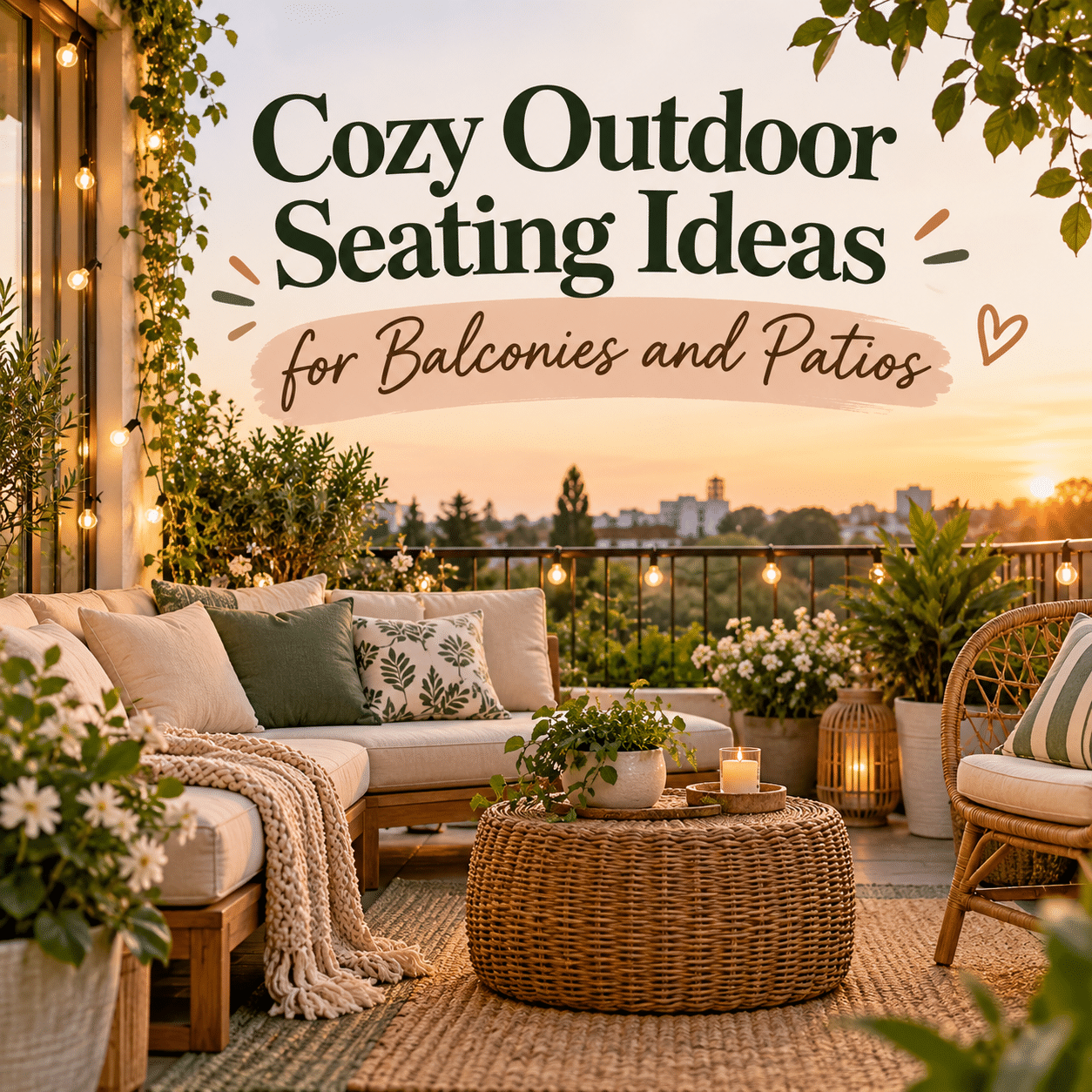
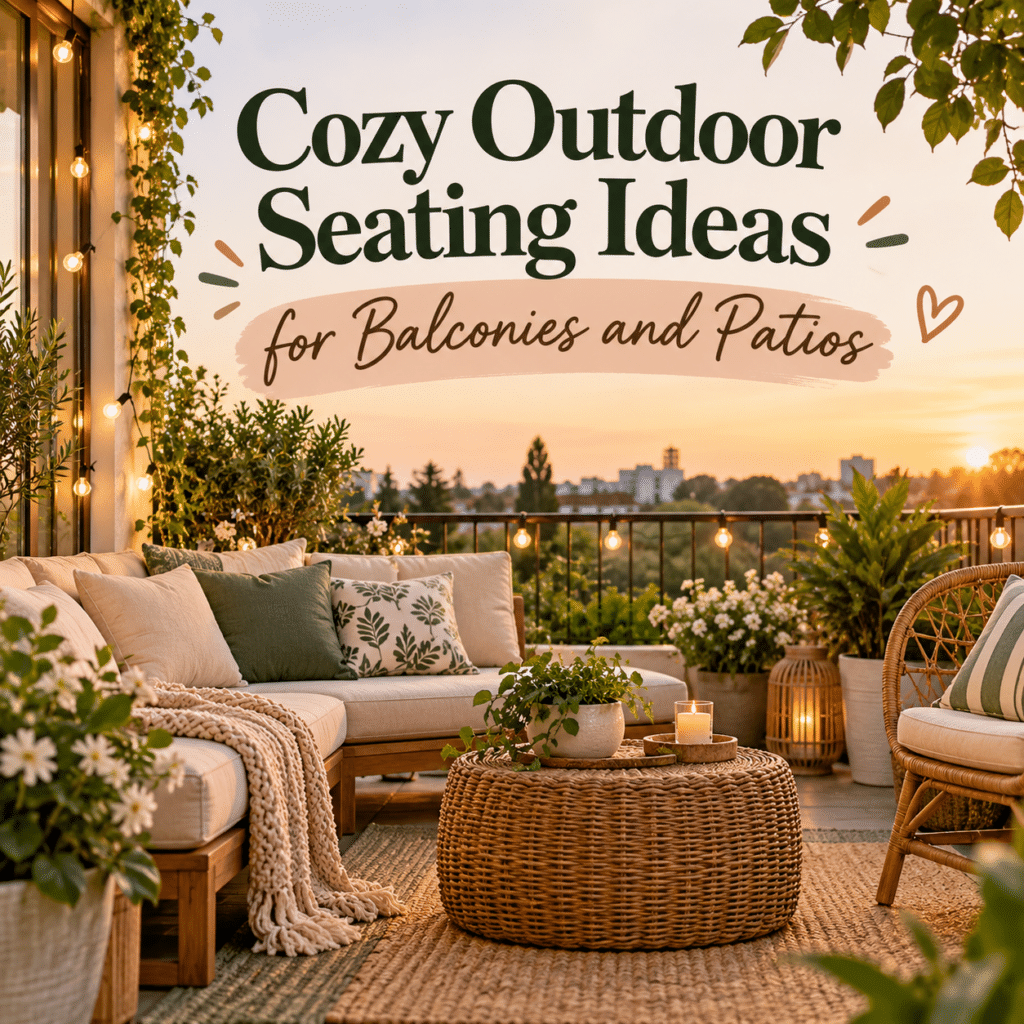
A cozy outdoor seating area can transform even the simplest balcony or patio into a welcoming extension of your home. Whether you have a compact apartment balcony, a narrow terrace, a spacious backyard patio, or a small courtyard, thoughtful seating arrangements can create a comfortable place to relax, enjoy fresh air, share conversations, or unwind after a busy day.
The beauty of outdoor seating design is that comfort does not depend entirely on available space or expensive furniture. A carefully positioned chair, a few soft cushions, gentle lighting, and some greenery can make a modest outdoor corner feel surprisingly inviting.
Outdoor spaces also offer opportunities to express personal style. Natural wood and woven textures create a warm, organic atmosphere, while clean-lined furniture and neutral fabrics bring a contemporary touch. Colorful cushions, decorative planters, and handmade accessories can add personality without overwhelming the setting.
The most successful outdoor seating areas balance appearance with everyday practicality. Furniture should suit the dimensions of the space, materials should tolerate local weather conditions, and the arrangement should support the activities you enjoy most.
A balcony designed for quiet morning coffee may need only a small table and two comfortable chairs. A family patio might benefit from a modular sofa, flexible seating, and surfaces for snacks or games. A peaceful reading corner may feel complete with a lounge chair, shade, and a small side table.
This guide explores creative, practical, and timeless outdoor seating ideas for balconies and patios of different sizes. From space-saving furniture and cozy textiles to lighting, privacy, greenery, and seasonal maintenance, these ideas can help you create an outdoor retreat that feels comfortable, functional, and uniquely yours.
1. Start by Understanding Your Outdoor Space
Before selecting furniture or decorations, take time to understand the shape, dimensions, and everyday conditions of your balcony or patio.
Measure the usable floor area, including any narrow corners, columns, doors, or built-in structures that affect furniture placement. Consider how much room is needed to open doors, move chairs, and walk comfortably through the space.
Observe the direction of sunlight throughout the day. A balcony that receives strong afternoon sun may benefit from shade, while a covered patio with limited daylight might feel more welcoming with light-colored furniture and warm lighting.
Wind, rain, humidity, and nearby buildings also influence the design.
Ask yourself:
- How many people will normally use the seating area?
- Will the space be used mainly for reading, dining, entertaining, or relaxing?
- Is the area fully exposed to weather or partially sheltered?
- How much privacy is available?
- Where can cushions and accessories be stored during bad weather?
- Are there building regulations or structural restrictions?
For elevated balconies, confirm permitted loads and avoid attaching heavy fixtures or screens to railings without appropriate approval.
Understanding these conditions helps you choose an arrangement that remains enjoyable beyond its initial appearance.
2. Create a Cozy Balcony Corner with a Comfortable Chair
A single comfortable chair can become the centerpiece of a charming outdoor retreat.
This approach works particularly well for compact balconies where a large furniture set would make the space feel crowded.
Choose a chair with supportive seating and a shape that suits the available area. Outdoor lounge chairs, compact armchairs, and weather-resistant woven chairs can all work beautifully.
Add a small side table for a drink, book, or portable lamp.
To make the corner feel more inviting:
- Place an outdoor cushion on the chair.
- Add a lightweight throw that can be brought indoors.
- Position a potted plant nearby.
- Use a small outdoor rug to define the seating area.
- Add a warm, weather-rated light for evening relaxation.
The result is a personal retreat that does not require extensive furniture or decoration.
3. Use a Small Bistro Set for Morning Coffee
A bistro set is one of the most practical outdoor seating solutions for small balconies and patios.
Typically consisting of a compact table and two chairs, it creates a dedicated place for coffee, breakfast, conversation, or casual dining.
<text></text>
Folding bistro sets are particularly useful when space is limited. Chairs can be folded and stored when not needed, allowing the balcony to serve other purposes.
For a warm and inviting look, consider natural wood tones, muted metal finishes, or neutral cushions.
A small vase of flowers, a potted herb, or a simple table lantern can provide decoration without taking up much valuable surface area.
Choose a table shape that works with your layout. Round tables often make movement easier in tight spaces, while narrow rectangular tables may fit more naturally against a wall.
4. Design an Outdoor Lounge with a Compact Sofa
A compact outdoor sofa can make a balcony or patio feel like a miniature living room.
Two-seat sofas and small loveseats offer comfortable seating without requiring the footprint of a full outdoor sectional.
Look for furniture with weather-resistant frames and cushions designed for outdoor use.
Place the sofa against a suitable wall to preserve circulation space, then add a small coffee table or nesting tables.
Decorative pillows in complementary colors can soften the arrangement.
For a balanced look, combine a neutral sofa with textured cushions, greenery, and a simple outdoor rug.
Avoid overcrowding the space with too many accessories. Leaving some open floor area helps the seating zone feel relaxed rather than cramped.
5. Arrange an L-Shaped Seating Area for Social Gatherings
L-shaped seating arrangements make excellent use of patio corners and larger balconies.
They create a natural conversation area while keeping the center of the space open.
An outdoor sectional sofa can provide the arrangement, but a similar effect can be achieved by placing a loveseat and two chairs at right angles.
A low table in the middle gives everyone a convenient place for drinks and snacks.
This layout is particularly useful for:
- Casual family gatherings
- Conversations with friends
- Relaxed weekend afternoons
- Outdoor board games
- Small entertaining areas
Choose modular furniture when possible so the arrangement can be adapted to different occasions.
6. Make the Most of Narrow Balconies
Long, narrow balconies require thoughtful furniture placement.
Rather than filling the width with large chairs, position seating along one side and preserve a clear walking route.
A slim bench, narrow outdoor sofa, or pair of compact chairs may work better than bulky lounge furniture.
Wall-adjacent tables and folding furniture can also help.
Consider using vertical planters instead of large floor pots to introduce greenery without reducing circulation space.
A coordinated color palette can make the space appear more visually organized.
Light neutrals, natural wood, and subtle greenery create an airy atmosphere, while a few darker accents provide contrast.
The key is to prioritize comfortable movement and avoid turning the balcony into a storage area for oversized furniture.
7. Add a Built-In Bench for a Streamlined Look
Built-in benches can create an attractive, space-efficient seating arrangement on suitable patios.
They are especially effective along walls, garden borders, and sheltered courtyard edges.
A bench can provide seating without requiring multiple individual chairs, helping the area look organized and cohesive.
Add removable outdoor cushions for comfort and use nearby planters to soften the appearance.
Some benches can incorporate storage, although storage compartments should be designed to manage moisture and drainage.
For elevated balconies, permanent built-in seating requires particular care. Structural loads, waterproofing, drainage, and building permissions should be evaluated before installation.
A freestanding bench is often the more flexible option for apartment balconies.
8. Create a Relaxed Atmosphere with Floor Cushions
Low seating can create a casual, intimate outdoor atmosphere.
Large outdoor floor cushions, poufs, and low lounge chairs are especially appealing for informal gatherings or quiet relaxation.
Arrange cushions around a low table to create a flexible seating area.
Use a durable outdoor rug underneath to visually define the space.
Choose cushions with outdoor-rated fabrics and appropriate filling, and store them in a dry location when not in use.
Floor seating is not equally comfortable for everyone, so include at least one supportive chair when accommodating guests with different mobility needs.
This approach works best in sheltered spaces where textiles can be protected from prolonged moisture.
9. Introduce a Hanging Chair for a Playful Retreat
A hanging chair can become a beautiful focal point in an outdoor seating area.
Its gentle movement and enclosed shape often create a sense of relaxation.
Woven-style hanging chairs, egg-shaped chairs, and fabric sling designs can suit different outdoor aesthetics.
However, hanging furniture requires careful installation.
Ceiling-mounted chairs should only be attached to structures confirmed to support the intended dynamic loads, using appropriate hardware and professional installation where necessary.
Freestanding hanging chairs avoid the need for ceiling attachment but still require adequate floor space, stable positioning, and compliance with the manufacturer’s weight limits.
Allow sufficient clearance around the chair so it can move without striking walls, railings, or nearby furniture.
10. Use a Porch Swing on a Suitable Patio
A porch swing can add timeless charm to a covered patio or veranda.
It creates a welcoming place to enjoy a breeze, read a book, or sit with a companion.
Wooden swings complement traditional and farmhouse-inspired settings, while streamlined metal designs suit contemporary spaces.
Soft outdoor cushions can improve comfort.
A swing should only be installed where the supporting structure and hardware are suitable for its intended loads and movement.
Avoid improvising attachments to decorative beams, balcony railings, or structures not designed for suspended furniture.
Where installation is not practical, a freestanding glider bench can offer a similar relaxing experience.
11. Choose Modular Seating for Flexible Outdoor Living
Modular furniture is useful when an outdoor area serves multiple purposes.
Individual seating units can be arranged as a sofa, separated into chairs, or repositioned around a table.
This flexibility makes modular seating appealing for households that alternate between private relaxation and entertaining.
Choose lightweight but stable pieces that can be moved without excessive effort.
Look for secure connectors where sections are intended to remain joined.
For smaller patios, two or three modular units may provide sufficient versatility without occupying the entire space.
12. Bring Warmth with Natural Wood Furniture
Wooden furniture adds warmth, texture, and a connection to nature.
Outdoor benches, chairs, and tables made from appropriately selected and maintained wood can complement greenery, stone surfaces, and woven accessories.
Wood tones work particularly well with cream, sage green, terracotta, and muted blue textiles.
Different wood species and finishes require different maintenance routines.
Some outdoor woods gradually develop a weathered appearance, while others need periodic cleaning and protective treatment.
Follow the manufacturer’s guidance rather than assuming all wood furniture can tolerate continuous exposure to rain and sunlight.
A small wooden bench paired with leafy plants and a soft cushion can create a timeless outdoor corner.
13. Add Woven Textures for a Relaxed, Natural Style
Woven furniture and accessories can make an outdoor seating area feel softer and more inviting.
Outdoor-rated synthetic wicker is commonly used for chairs, sofas, and tables because it can provide a woven appearance while being designed for exterior conditions.
Natural rattan, wicker, and other plant-based materials may require more protection from moisture and sunlight.
Combine woven furniture with linen-look outdoor cushions, ceramic planters, and warm wood accents.
A woven-look chair beside a simple round table can create a welcoming reading or coffee corner.
Keep the overall arrangement balanced by mixing textures rather than using the same material for every item.
14. Create a Mediterranean-Inspired Patio
Mediterranean-inspired outdoor seating combines warm colors, natural textures, and a relaxed atmosphere.
Terracotta planters, cream cushions, textured walls, and wooden furniture can establish the look.
Consider using:
- Warm white and sandy beige fabrics
- Terracotta or clay-colored accents
- Olive-green cushions
- Patterned outdoor tiles or rugs
- Simple wrought-metal furniture
- Potted herbs and suitable Mediterranean-style plants
A small café table surrounded by greenery can evoke the feeling of a peaceful courtyard.
The design does not require an actual Mediterranean climate. Select plants and materials that suit your local growing conditions.
15. Design a Minimalist Outdoor Seating Area
Minimalist outdoor design emphasizes comfort through simplicity.
Choose a limited number of furniture pieces with clean shapes and practical functions.
A neutral loveseat, a small table, and two carefully positioned planters may be enough.
Use a restrained palette of warm white, charcoal, beige, or natural wood.
Instead of adding numerous decorative objects, focus on the quality of materials, comfortable cushions, and thoughtful proportions.
Minimalism should not mean sacrificing warmth.
Soft textiles, rounded furniture edges, and natural greenery can keep the area inviting.
16. Create a Bohemian-Inspired Outdoor Lounge
Bohemian outdoor seating embraces layered textures, relaxed arrangements, and creative combinations.
Woven chairs, patterned cushions, textured rugs, and decorative planters can work together to create a personal atmosphere.
Use a cohesive base color to prevent the space from feeling visually chaotic.
For example, begin with cream furniture and natural wood, then add terracotta, mustard, olive, or muted pink accents.
A mix of seating heights can make the arrangement feel informal.
Choose outdoor-safe textiles and decorations, especially in uncovered spaces.
Rather than filling every corner, leave enough room for movement and comfortable use.
17. Use Outdoor Rugs to Define the Seating Zone
An outdoor rug helps turn a collection of furniture into a recognizable seating area.
It creates visual boundaries and adds texture underfoot.
For a compact balcony, a rug beneath two chairs and a small table can establish a cozy café-like setting.
On larger patios, a rug can anchor a sofa and conversation chairs.
Choose a rug designed for outdoor conditions, with suitable drainage and drying characteristics.
Avoid placing moisture-trapping materials over surfaces where prolonged dampness could cause damage.
Lift and clean rugs periodically, especially after rain.
A rug should complement the furniture without creating a tripping hazard near doors or walking routes.
18. Layer Outdoor Cushions for Comfort
Cushions are among the simplest ways to improve the comfort and appearance of outdoor seating.
They soften hard furniture surfaces and introduce color, pattern, and texture.
Combine a few different sizes while maintaining a consistent color palette.
For example:
- Large neutral cushions for support
- Smaller patterned cushions for visual interest
- One textured accent cushion
- A removable seat pad for wooden or metal chairs
Select outdoor-rated cushion covers and filling suitable for the level of exposure.
Even weather-resistant cushions benefit from being stored during extended rain or severe weather.
Avoid using so many pillows that guests have nowhere comfortable to sit.
19. Add Cozy Throws for Cooler Evenings
A lightweight throw can make an outdoor seating area feel welcoming during cooler weather.
Drape one over the arm of a chair or keep folded blankets in a nearby indoor storage basket.
Choose washable materials that suit your climate.
Cotton blends may work well for mild evenings, while warmer fabrics can provide additional comfort in cooler seasons.
Most household throws are not intended for continuous outdoor exposure.
Bring them indoors after use to prevent dampness, odors, and unnecessary wear.
Cozy styling works best when the accessories remain practical and easy to maintain.
20. Use Greenery to Surround the Seating Area
Plants can make outdoor seating feel more peaceful and connected to nature.
They introduce color, texture, and seasonal interest while helping soften hard architectural surfaces.
Arrange plants at different heights using floor pots, plant stands, and suitable vertical supports.
A combination of leafy plants, flowering varieties, and herbs can create a layered appearance.
Choose species based on sunlight, wind exposure, local climate, and watering needs.
For small balconies, prioritize compact plants and containers that fit securely within the available space.
Avoid placing heavy pots on railings or overhead edges where they could fall.
Use containers with appropriate drainage and protect surfaces from persistent water accumulation.
21. Create Privacy with Thoughtful Plant Placement
Privacy can make an outdoor seating area feel more relaxing, particularly in apartments or densely populated neighborhoods.
Tall potted plants and freestanding planters can create partial visual screening.
Position greenery where it interrupts direct sightlines without blocking important views or ventilation.
Choose plants that can tolerate the actual wind and sunlight conditions.
For elevated balconies, tall plants and screens must be stable and securely positioned.
Avoid creating large wind-catching surfaces without considering safety and building restrictions.
Privacy does not require completely enclosing the space. A few carefully positioned plants can provide a comfortable sense of separation.
22. Introduce Outdoor Privacy Screens
Privacy screens can define a seating corner and reduce unwanted views.
Freestanding decorative panels, slatted screens, and suitable outdoor curtains offer different levels of enclosure.
Wood-look slats create warmth, while simple metal panels can complement modern furniture.
Before installation, check building rules, wind exposure, and available anchoring options.
Screens should not obstruct emergency access, drainage, required ventilation, or shared building systems.
On balconies, avoid attaching screens directly to railings unless the building and installation method permit it.
Choose a design that provides privacy without making the outdoor area feel unnecessarily dark.
23. Use Outdoor Curtains for a Soft, Relaxed Look
Outdoor curtains can make a covered patio feel like an extension of the living room.
They soften hard surfaces and create a sense of enclosure.
Light-colored curtains often provide an airy appearance, while darker fabrics can create stronger visual contrast.
Use materials specifically designed for outdoor exposure.
Curtains should be installed on suitable supports and secured appropriately during windy weather.
Avoid positioning fabric near open flames, heaters, or other heat sources.
For an intimate patio seating arrangement, combine curtains with neutral cushions, a wooden table, and warm ambient lighting.
24. Create Comfortable Shade for Sunny Days
Shade is an important part of outdoor seating comfort.
A beautiful patio may remain unused if direct sunlight makes the furniture too hot during the hours when people want to relax.
Depending on the space, suitable shade options may include:
- A patio umbrella
- An adjustable cantilever umbrella
- A retractable awning
- A properly installed shade sail
- A covered pergola
- Existing architectural shade
Select a solution that matches the dimensions and exposure of the area.
Umbrellas need stable bases and should be closed when wind conditions exceed their rated limits.
Shade sails and awnings require appropriate structural attachment and installation.
For balconies, confirm building permissions before adding exterior shade structures.
25. Add Warm Lighting for Evening Relaxation
Lighting can transform an ordinary outdoor seating area into a welcoming evening retreat.
Warm, gentle illumination often feels more relaxing than harsh overhead lighting.
Consider combining several light sources at different heights.
Outdoor-rated string lights can create a festive atmosphere, while portable lanterns provide flexible illumination.
Wall-mounted fixtures may offer useful lighting near entrances or seating areas.
Choose products rated for their actual outdoor exposure, including appropriate protection against moisture.
Keep electrical connections away from standing water and follow installation instructions.
Battery-powered or rechargeable outdoor lamps can be convenient where electrical outlets are unavailable.
26. Create a Soft Glow with Outdoor Lanterns
Lanterns add visual warmth and can serve as attractive decorative accents.
Place them beside chairs, on suitable tables, or near the edges of a patio.
LED lanterns are particularly convenient because they provide ambient light without an exposed flame.
Select stable designs that are suitable for outdoor use.
For a coordinated look, combine two or three lanterns of different heights while keeping their materials or finishes consistent.
Avoid placing lanterns where they could obstruct movement or be easily knocked over.
Flameless lighting is generally the more practical choice around textiles, children, and pets.
27. Build a Cozy Outdoor Reading Nook
A reading nook is an ideal use for a quiet balcony or patio corner.
Begin with a comfortable chair that supports your preferred reading posture.
Add a side table large enough for a book, drink, and reading glasses.
Position the chair to take advantage of pleasant views while avoiding uncomfortable glare.
For evening reading, use a weather-rated task light that provides sufficient illumination.
A small plant and a cushion can make the area feel more personal.
Keep the arrangement simple so the reading corner remains easy to use.
A peaceful outdoor reading space does not need elaborate decoration; comfortable seating and appropriate light are the essentials.
28. Design a Conversation-Friendly Seating Arrangement
Outdoor seating becomes more inviting when people can interact comfortably.
Rather than placing every chair in a straight line, arrange seating so guests can face one another naturally.
For small patios, two chairs positioned at a slight angle with a shared table can work beautifully.
Larger spaces may accommodate a sofa facing two armchairs.
Keep tables within convenient reach without obstructing legroom.
Consider how guests will move into and out of the seating area.
A good conversation layout feels open, balanced, and comfortable without requiring people to lean awkwardly or raise their voices unnecessarily.
29. Create a Family-Friendly Outdoor Seating Space
A family patio should support different activities and ages.
Durable furniture, washable cushions, and flexible seating can make everyday use easier.
Choose stable tables with practical surfaces for snacks, games, and creative activities.
Avoid sharp furniture edges where possible, particularly in areas used by young children.
Keep climbing hazards away from balcony railings and never position furniture where it could help a child climb over a barrier.
Outdoor furniture should not obstruct access to doors or exits.
For a family-friendly arrangement, prioritize comfortable circulation, easy cleaning, and furniture that can adapt as needs change.
30. Add a Small Dining Area to Your Patio
An outdoor dining arrangement can make a patio more useful for everyday meals and gatherings.
A compact dining table with comfortable chairs is often sufficient for casual breakfasts or weekend dinners.
Choose a table size that accommodates the intended number of people while leaving enough space to move chairs.
On smaller patios, benches can sometimes provide flexible seating.
A simple centerpiece, such as a small potted plant or weather-resistant lantern, adds warmth without interfering with dining.
Consider shade during daytime meals and appropriate lighting for evening use.
Keep food preparation, serving, and cleanup practical, particularly when the patio is far from the kitchen.
31. Use Multifunctional Furniture to Save Space
Multifunctional furniture is especially valuable for small outdoor areas.
A storage bench can provide seating while keeping selected accessories organized.
A nesting table set offers extra surface area when needed and can be compactly arranged afterward.
An outdoor ottoman may function as a footrest, occasional seat, or table when paired with a suitable stable tray.
Folding chairs allow seating capacity to change without permanently occupying the space.
Choose furniture based on genuine daily needs rather than trying to make every item perform too many functions.
Outdoor storage compartments should be appropriate for the items stored and should not trap moisture.
32. Make a Patio Feel Cozy with a Fire Feature
A fire feature can create a welcoming gathering point on an appropriately designed outdoor patio.
However, it requires careful consideration of local regulations, ventilation, combustible materials, and manufacturer clearance requirements.
Fire pits and outdoor fireplaces are not suitable for every space.
They should not be used on balconies, beneath low coverings, or near combustible furniture unless the specific installation is expressly permitted and meets all applicable safety requirements.
Never use charcoal or other fuel-burning devices in enclosed or poorly ventilated areas.
For locations where open flames are unsuitable, consider LED lanterns, warm lighting, and cozy textiles to create a similar visual atmosphere without combustion.
33. Create a Peaceful Outdoor Tea Corner
A tea corner can turn a small outdoor area into a relaxing daily ritual.
Choose a comfortable chair or compact bistro set and position it where the atmosphere feels pleasant.
A small table should provide enough room for a teapot, cup, and simple serving tray.
Add a potted herb or flowering plant for a natural touch.
Use cushions and a coordinated table covering to create warmth.
Keep the arrangement uncluttered so preparing and enjoying tea remains convenient.
A sheltered location is especially useful for protecting drinks and table accessories from wind.
34. Design a Nature-Inspired Outdoor Retreat
Nature-inspired seating areas emphasize organic textures, greenery, and calm colors.
Use natural wood tones, woven-look furniture, stone-inspired surfaces, and plant arrangements to create a balanced setting.
Choose a palette based on soft greens, warm neutrals, and earthy browns.
A comfortable bench beside a collection of leafy plants can create a quiet garden-like atmosphere.
Consider adding a small decorative water feature only where its weight, electrical requirements, maintenance, and water management are appropriate.
The goal is to create a restful environment that feels connected to the outdoors without introducing unnecessary complexity.
35. Add Personality with Handmade Decorations
Handmade decorations can make an outdoor seating area feel unique.
Consider decorative plant pots, painted wooden signs, outdoor-safe mosaic accents, or handmade cushion covers using appropriate fabrics.
A simple DIY project can introduce personal character without requiring major changes to the furniture.
Choose materials that can tolerate the intended exposure.
For example, ordinary indoor paints, untreated wood, and delicate craft adhesives may deteriorate outdoors.
Avoid hanging heavy handmade objects where they could fall or become unstable in wind.
A few carefully chosen personal touches often create more impact than numerous unrelated decorations.
36. Choose a Color Palette That Feels Warm and Inviting
Color influences how an outdoor seating area feels.
Warm neutrals can create a peaceful foundation, while greens and earthy tones reinforce the connection to nature.
Blue and white combinations can feel fresh and coastal, while terracotta and cream create a warmer, rustic atmosphere.
A simple way to establish a cohesive palette is to select one main color, one supporting color, and one accent.
| Color Palette | Overall Atmosphere | Suggested Elements |
|---|---|---|
| Cream, beige, sage green | Calm and natural | Neutral cushions, wooden furniture, plants |
| Terracotta, sand, olive | Warm and earthy | Clay planters, woven textures, outdoor rugs |
| White, soft blue, natural wood | Airy and coastal | Light cushions, simple tables, striped accents |
| Charcoal, cream, warm wood | Modern and cozy | Metal frames, neutral upholstery, wooden accessories |
| Muted pink, ivory, sage | Soft and romantic | Floral cushions, light planters, decorative lanterns |
| Rust, mustard, cream | Creative and relaxed | Patterned textiles, poufs, woven accessories |
Choose colors that complement the existing exterior surfaces rather than competing with them.
37. Select Furniture Materials for Your Climate
Outdoor furniture should be chosen for the conditions it will actually experience.
Rain, strong sunlight, humidity, salt air, and temperature changes affect materials differently.
| Material | Advantages | Considerations |
|---|---|---|
| Powder-coated aluminum | Lightweight, versatile, generally corrosion-resistant | Finish quality and damage affect durability |
| Outdoor-rated synthetic wicker | Woven appearance, varied styles | Quality and UV resistance vary |
| Suitable outdoor hardwood | Warm natural appearance | May require cleaning and periodic maintenance |
| Stainless steel | Strong, contemporary appearance | Grade and environment affect corrosion resistance |
| Outdoor-rated plastic or resin | Lightweight, often easy to clean | UV exposure and product quality influence longevity |
| Outdoor performance fabrics | Comfortable, available in many colors | Cleaning, drying, and storage remain important |
No material is completely maintenance-free.
Follow product-specific care instructions and consider the exposure level before making a purchase.
38. Plan Your Seating Layout Around Everyday Activities
A comfortable outdoor seating area should reflect how you actually spend time.
A balcony intended for solitary relaxation has different requirements from a patio designed for frequent gatherings.
| Primary Activity | Recommended Seating | Useful Accessories |
|---|---|---|
| Morning coffee | Bistro chairs or compact bench | Small table, potted herbs |
| Reading | Supportive lounge chair | Side table, reading light |
| Conversation | Facing chairs or small sofa arrangement | Coffee table, cushions |
| Casual dining | Outdoor dining chairs and table | Shade, serving accessories |
| Relaxation | Lounge chair or outdoor loveseat | Cushions, footrest, soft lighting |
| Family activities | Flexible chairs and durable bench | Washable textiles, practical table |
| Entertaining | Modular seating or sectional | Extra tables, portable lighting |
Choose one main purpose first, then add secondary functions where space allows.
This prevents the outdoor area from becoming crowded with furniture that is rarely used.
39. Create a Cozy Look on a Budget
A welcoming outdoor seating area does not require an expensive furniture collection.
Begin with the essentials and improve the space gradually.
If you already have suitable outdoor furniture, consider refreshing it with new cushions or a coordinated color palette.
A simple outdoor rug can define the seating area, while inexpensive planters add greenery.
Rechargeable LED lanterns can provide evening atmosphere without complex installation.
Secondhand outdoor furniture may also be worth considering, provided its structure, stability, and condition are carefully checked.
Prioritize spending on comfort, durability, and safety before decorative extras.
Budget-Friendly Outdoor Styling Ideas
- Refresh existing outdoor chairs with suitable cushions.
- Use a small folding table instead of a large coffee table.
- Group a few affordable plants for greater visual impact.
- Choose one outdoor rug rather than multiple decorative accessories.
- Reuse suitable weather-resistant planters.
- Add portable LED lighting.
- Introduce one accent color through textiles.
- Rearrange existing furniture before purchasing more.
A simple, cohesive design can feel more welcoming than a crowded arrangement filled with unnecessary objects.
40. Keep Outdoor Seating Comfortable Throughout the Seasons
Outdoor spaces change with weather and seasonal conditions.
A seating area that feels comfortable during mild mornings may become too hot, wet, or windy at other times.
Flexible accessories and thoughtful maintenance can help the space remain useful.
During warmer periods, prioritize shade, airflow, and breathable seating materials.
In cooler weather, removable throws and appropriate cushions can improve comfort.
During rainy seasons, protect textiles and ensure drainage remains unobstructed.
In windy conditions, secure lightweight objects and store accessories that could become airborne.
Inspect furniture periodically for loose hardware, damaged surfaces, and signs of wear.
A little regular care helps preserve both comfort and appearance.
Step-by-Step Guide: How to Create a Cozy Outdoor Seating Area
A practical design process can help you avoid unnecessary purchases and create a space that works for everyday life.
Step 1: Measure the Available Space
Record the length and width of the usable area.
Include doors, walkways, railings, and permanent fixtures in your plan.
Use the measurements to determine realistic furniture dimensions.
Step 2: Decide on the Main Purpose
Choose whether the space will primarily support relaxation, reading, dining, or social gatherings.
This decision guides furniture selection and layout.
Step 3: Choose the Main Seating Piece
Start with the most important item, such as a lounge chair, bistro set, bench, or small sofa.
Confirm that it fits without blocking movement.
Step 4: Add a Practical Surface
Include a table or stable surface for drinks, books, or everyday accessories.
Select a size appropriate to the seating arrangement.
Step 5: Introduce Comfort
Add outdoor cushions, seat pads, or a suitable rug.
Choose materials that match the level of weather exposure.
Step 6: Establish a Color Palette
Select a few complementary colors that coordinate with the existing surroundings.
Use textiles and planters to introduce accents.
Step 7: Add Greenery
Choose plants that suit the light, climate, and available space.
Position containers securely and maintain drainage.
Step 8: Plan Lighting and Shade
Consider how the area will be used at different times of day.
Use appropriate outdoor lighting and suitable shade solutions.
Step 9: Check Safety and Accessibility
Confirm furniture stability, circulation space, and any relevant building restrictions.
Avoid blocking exits or creating climbing hazards near balcony railings.
Step 10: Test the Arrangement
Spend time using the space before adding more decorations.
Adjust chair positions, table placement, and accessories based on real comfort.
The final arrangement should feel natural and convenient rather than simply attractive in photographs.
Outdoor Seating Layout Ideas by Space Size
Different outdoor dimensions call for different design priorities.
| Space Type | Suggested Layout | Design Priority |
|---|---|---|
| Very small balcony | One chair and compact side table | Preserve movement |
| Narrow balcony | Slim bench or compact seating along one wall | Maintain a clear walkway |
| Small square balcony | Folding bistro set | Flexible everyday use |
| Medium balcony | Loveseat and small coffee table | Comfortable relaxation |
| Small patio | Two facing chairs and shared table | Conversation |
| Medium patio | Compact sofa with accent chairs | Multifunctional seating |
| Large patio | Separate lounge and dining zones | Organized activity areas |
| Sheltered courtyard | Bench seating with layered greenery | Privacy and atmosphere |
These arrangements are starting points rather than fixed rules.
Actual furniture dimensions, access requirements, and local conditions should determine the final layout.
How to Make Outdoor Seating Feel Like an Extension of Your Home
One of the most effective ways to create a cozy outdoor space is to connect its visual style with the adjoining indoor room.
If your living room uses warm neutrals and natural wood, continue those tones outdoors.
If your interior features contemporary furniture, select outdoor pieces with similarly clean lines.
Use comparable textures and accent colors to establish continuity.
A coordinated indoor-outdoor palette can make both spaces feel more connected.
However, choose materials appropriate for outdoor conditions rather than moving unsuitable indoor furniture outside.
The goal is visual harmony without sacrificing durability.
Common Outdoor Seating Design Mistakes to Avoid
Even attractive outdoor furniture can produce disappointing results when the overall layout is not carefully considered.
Choosing Furniture That Is Too Large
Oversized seating can overwhelm a small balcony and restrict movement.
Measure carefully and consider the space needed to pull out chairs or walk around tables.
Ignoring Weather Exposure
Indoor furniture and ordinary fabrics may deteriorate quickly when exposed to moisture or strong sunlight.
Choose materials designed for the intended environment.
Adding Too Many Decorative Accessories
Excessive cushions, planters, and ornaments can make a small area difficult to use.
Prioritize comfort and leave some open space.
Forgetting About Shade
A seating area exposed to intense sun may become uncomfortable during the hours when it is most likely to be used.
Plan shade according to actual sunlight conditions.
Neglecting Lighting
Without suitable lighting, a patio may be less enjoyable after sunset.
Use practical, outdoor-rated illumination.
Overlooking Storage
Cushions, throws, and small accessories need appropriate storage during bad weather.
Plan storage before the area becomes cluttered.
Blocking Walkways and Doors
Furniture should not interfere with entrances, exits, or essential circulation routes.
Ignoring Balcony Safety
Heavy furniture, unsecured planters, suspended seating, and wind-catching screens can introduce risks.
Respect building requirements, structural limits, and manufacturer instructions.
Outdoor Seating Maintenance Checklist
Regular maintenance helps preserve the appearance and usability of your outdoor retreat.
Weekly or As Needed
- Remove leaves, dust, and loose debris.
- Wipe down tables and frequently used surfaces.
- Check cushions for moisture.
- Water plants according to their needs.
- Keep drainage areas clear.
- Bring vulnerable accessories indoors before severe weather.
Monthly or Periodically
- Inspect furniture for loose fasteners.
- Clean outdoor rugs according to care instructions.
- Check metal surfaces for finish damage or corrosion.
- Examine wooden furniture for wear.
- Clean planters and remove dead plant material.
- Inspect outdoor lighting and electrical accessories.
- Check that screens, umbrellas, and movable furniture remain stable.
Seasonally
- Deep-clean furniture according to manufacturer guidance.
- Wash or replace cushion covers when necessary.
- Review shade requirements.
- Refresh plant arrangements.
- Inspect storage areas for moisture.
- Repair or replace damaged accessories.
- Reevaluate the layout as your needs change.
Frequently Asked Questions About Cozy Outdoor Seating
1. How can I make a small balcony feel cozy?
Start with one comfortable seating piece, a compact table, and a few carefully selected accessories. Add greenery, a cushion, and warm outdoor lighting while preserving enough room to move comfortably.
2. What is the best seating option for a narrow balcony?
Slim benches, compact chairs, and folding bistro sets often work well. Position furniture along one side where practical and maintain a clear walking route.
3. How can I decorate a patio without spending much money?
Refresh existing furniture, introduce affordable outdoor cushions, add a few plants, and use portable LED lanterns. A cohesive color palette can make simple accessories feel intentional.
4. What colors make an outdoor seating area feel relaxing?
Cream, beige, sage green, muted blue, and natural wood tones often create a calm atmosphere. Choose colors that complement the surrounding architecture and landscape.
5. Can I use indoor cushions outdoors?
Indoor cushions are generally not designed for prolonged exposure to moisture and sunlight. Outdoor-rated cushions are more suitable, although they may still need protection and dry storage.
6. How do I make outdoor seating more private?
Use appropriately positioned plants, freestanding screens, or outdoor curtains where permitted. Ensure any privacy solution is stable, suitable for wind conditions, and compliant with building requirements.
7. What furniture works best for a small patio?
A compact loveseat, two conversation chairs, or a bistro set can provide comfortable seating. The best option depends on whether the space is mainly used for relaxing, dining, or entertaining.
8. How can I create a cozy outdoor seating area without plants?
Focus on comfortable furniture, textured outdoor cushions, a coordinated rug, and warm lighting. Natural wood tones and woven-look materials can create an inviting atmosphere without greenery.
9. Are outdoor rugs suitable for balconies?
Yes, provided the rug is designed for outdoor use and does not trap moisture against vulnerable surfaces. Keep drainage clear and lift the rug periodically for cleaning and drying.
10. What lighting is best for a cozy patio?
Warm outdoor-rated string lights, portable LED lanterns, and gentle wall lighting can create a welcoming atmosphere. Include brighter task lighting where activities such as reading or dining require it.
11. How can I make outdoor furniture more comfortable?
Add supportive outdoor cushions, appropriate seat pads, and convenient side tables. Consider seating height, back support, shade, and the amount of room available for relaxing.
12. Is a hanging chair suitable for an apartment balcony?
A hanging chair may be suitable only when there is enough clearance and the installation meets structural, load, and building requirements. A properly rated freestanding model may be an alternative, but it still requires adequate space and stability.
13. How do I protect outdoor cushions from rain?
Use cushions intended for outdoor conditions and follow their care instructions. Store them in a dry, ventilated location during extended wet weather, and allow damp cushions to dry thoroughly before storage.
14. How can I make a balcony or patio comfortable throughout the year?
Use flexible furniture, suitable shade, removable textiles, and weather-appropriate accessories. Adjust the arrangement for changing sunlight, temperature, rainfall, and wind while maintaining regular furniture care.
Final Thoughts
Creating a cozy outdoor seating area is less about filling a balcony or patio with furniture and more about making thoughtful choices that support everyday comfort.
A small balcony can become a peaceful coffee corner with a comfortable chair, a compact table, and a few plants. A larger patio can accommodate conversation seating, outdoor dining, and relaxing lounge areas. Even an awkward or narrow space can feel welcoming when furniture is carefully selected and positioned.
Soft cushions, natural textures, warm lighting, and greenery can bring personality to the setting, while durable materials and practical storage help keep the space enjoyable over time.
The most successful outdoor seating arrangements reflect the people who use them. Some households prefer a lively gathering place, while others value a quiet retreat for reading, reflection, or enjoying the surrounding view.
Begin with comfortable seating, preserve open space, and add details gradually. Pay attention to how the area feels during different times of day and adjust the arrangement as your needs evolve.
With a thoughtful balance of comfort, functionality, and personal style, almost any balcony or patio can become a welcoming outdoor retreat—a place to slow down, enjoy simple moments, and make everyday living feel a little more special.