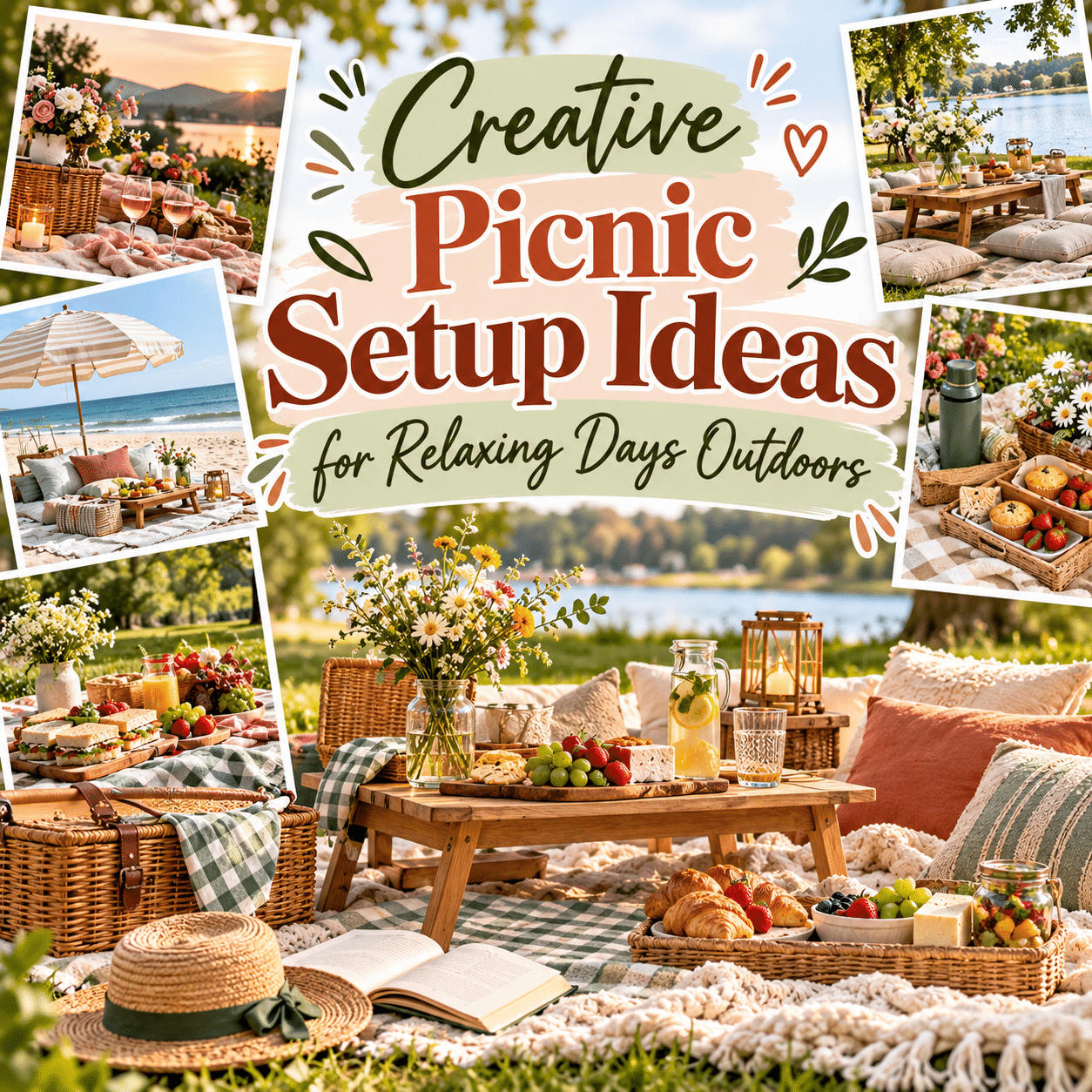
A thoughtfully arranged picnic can turn an ordinary afternoon into a memorable outdoor experience. Whether you are enjoying a quiet moment in a nearby park, gathering with friends in a garden, spending time with family beside a lake, or planning a peaceful afternoon in the countryside, a welcoming picnic setup adds comfort, beauty, and a sense of occasion.
The charm of a picnic comes from its simplicity. A soft blanket spread across the grass, a basket filled with favorite foods, a few comfortable cushions, and the gentle sounds of nature can create an atmosphere that feels refreshing and personal.
Yet a beautiful picnic does not have to be elaborate or expensive. With thoughtful planning, everyday items such as reusable containers, lightweight tableware, fabric napkins, and simple decorations can come together to create an inviting outdoor setting.
Creative picnic design is also about adapting to different occasions. A romantic picnic for two may feature soft colors, flowers, and an intimate seating arrangement. A family picnic benefits from practical food stations, comfortable seating, and space for children to play. A gathering with friends may call for shared platters, relaxed conversation areas, and simple outdoor activities.
Location, weather, comfort, and food safety are just as important as appearance. A successful picnic setup should be easy to transport, enjoyable to use, and simple to clean up afterward.
This guide explores timeless picnic setup ideas for different locations, occasions, and personal styles. From cozy blanket arrangements and low picnic tables to creative food displays, natural decorations, comfortable seating, and practical packing strategies, these ideas will help you create relaxing outdoor experiences that feel effortless, welcoming, and beautifully organized.
1. Start with the Perfect Picnic Location
Choosing the right location is the foundation of an enjoyable picnic.
A beautiful setting can make even the simplest arrangement feel special, but appearance should not be the only consideration. Comfort, accessibility, shade, and nearby facilities can greatly influence the experience.
Parks with grassy areas are popular because they provide open space and a natural atmosphere. Botanical gardens, where picnicking is permitted, can offer beautiful surroundings and interesting plant displays.
Lakeside locations may provide peaceful views, while beaches offer a relaxed coastal atmosphere. A private garden or backyard can be equally appealing, particularly when convenience and privacy are priorities.
Before selecting a location, consider:
- Whether picnicking is allowed.
- The availability of natural shade.
- Ground conditions and seating comfort.
- Access to drinking water and restrooms.
- Walking distance from parking or public transportation.
- Exposure to wind and direct sunlight.
- Accessibility for guests with different mobility needs.
- Local rules concerning food, decorations, pets, and waste disposal.
Visit or research the location in advance when possible.
A convenient, comfortable setting often creates a better picnic experience than a spectacular location that is difficult to reach or unsuitable for relaxing.
2. Create a Cozy Picnic Setup with Layered Blankets
A soft blanket is one of the most recognizable elements of a traditional picnic.
Instead of relying on a single thin layer, combine a practical ground covering with comfortable textiles.
Begin with a moisture-resistant picnic mat or groundsheet. This helps separate the seating area from damp grass or uneven ground.
Place a decorative blanket over the base layer to introduce color and texture.
Cotton throws, quilted picnic blankets, and woven-look outdoor textiles can all contribute to a welcoming appearance.
For a balanced arrangement, choose a larger blanket that provides enough space for guests, food containers, and personal belongings.
Add a few cushions around the edges to make the seating area feel more comfortable.
A coordinated combination of cream, sage green, warm beige, and muted terracotta can create a natural, relaxed atmosphere.
The goal is to make the picnic feel like a comfortable outdoor living space without bringing unnecessary items.
3. Use a Low Picnic Table for an Elegant Outdoor Setting
A low picnic table can transform a blanket arrangement into a charming outdoor dining area.
Low wooden tables are especially appealing because they create a defined surface for food, drinks, and decorations while maintaining the relaxed feeling of floor-level seating.
Choose a lightweight, stable table that is easy to transport.
Folding legs can make storage and carrying more convenient.
Arrange cushions around the table so guests can sit comfortably without stretching to reach food.
Keep table decorations low enough to allow conversation across the setting.
A simple centerpiece, such as a small vase of flowers or a bowl of fruit, can add visual interest without overcrowding the surface.
Low tables work particularly well for adult gatherings where guests are comfortable sitting close to the ground. For people who prefer conventional seating, provide folding chairs and a table at a suitable height.
4. Design a Romantic Picnic for Two
A romantic picnic is an opportunity to create an intimate atmosphere through thoughtful details.
Choose a peaceful location with pleasant scenery and enough privacy for comfortable conversation.
Begin with a soft blanket and two supportive cushions.
A small table or sturdy tray can hold drinks, snacks, and a simple floral arrangement.
Use a restrained color palette to establish a cohesive appearance.
Soft cream, dusty rose, warm beige, and sage green work beautifully together.
Consider adding:
- A small bouquet of seasonal flowers.
- Reusable glasses or cups.
- A simple wooden serving board.
- Cloth napkins.
- A favorite dessert.
- A handwritten note.
- A portable LED lantern for appropriate evening settings.
Avoid fragile decorations or anything that could be easily blown away.
The most memorable romantic picnics often focus on comfort, conversation, and meaningful personal touches rather than elaborate styling.
5. Create a Relaxed Bohemian Picnic
Bohemian-inspired picnics embrace natural textures, layered textiles, and creative arrangements.
Start with a large patterned blanket or neutral woven-look mat.
Add cushions in complementary colors and textures.
A low wooden table, woven basket, and simple ceramic-look tableware can establish the overall style.
Use warm earthy colors such as terracotta, mustard, cream, rust, and olive green.
Dried floral arrangements can provide decoration, although fresh seasonal flowers may feel more appropriate in windy outdoor conditions.
Keep the layout informal rather than perfectly symmetrical.
For example, position cushions at different angles around a central food display.
The result should feel comfortable and welcoming, not overly staged.
6. Plan a Minimalist Picnic with Simple Essentials
Minimalist picnic setups emphasize quality, comfort, and thoughtful organization.
Instead of carrying numerous decorations, select a few practical items that work well together.
A neutral blanket, compact basket, reusable food containers, and comfortable seating may be enough.
Choose a simple color palette such as cream, charcoal, and natural wood.
Use one decorative accent, such as a small plant or a neatly folded cloth napkin.
A minimalist picnic is particularly appealing for solo outings, short afternoon breaks, and situations where carrying less equipment is important.
The key is to eliminate unnecessary items without sacrificing comfort or convenience.
7. Create a Vintage-Inspired Picnic Atmosphere
Vintage picnic styling can evoke the charm of traditional countryside outings.
A wicker picnic basket, checked blanket, enamel-style tableware, and classic fabric napkins can establish the look.
Soft floral patterns and muted colors add a nostalgic touch.
Consider using:
- A red-and-white or cream-and-blue checked blanket.
- A traditional picnic basket.
- Reusable enamel-style plates.
- Small glass jars with secure lids.
- Cloth napkins.
- A simple floral arrangement.
- A wooden serving board.
Vintage styling works especially well in gardens, orchards where visitors are permitted, and open grassy parks.
Choose durable versions of decorative items so the setup remains practical for outdoor use.
8. Design a Beautiful Garden Picnic
A garden picnic offers a peaceful setting surrounded by greenery and flowers.
Choose a flat area with suitable ground conditions and enough space for guests to sit comfortably.
Position the picnic where plants and existing landscaping provide natural visual interest.
Rather than bringing numerous decorations, allow the garden itself to become the backdrop.
A neutral blanket and simple tableware can complement colorful flowers.
If the garden receives strong sunlight, choose a shaded area or use an appropriate freestanding shade solution.
Avoid placing blankets or furniture directly on delicate planting beds.
For a private garden, a picnic can also be arranged on a patio or deck using low tables and comfortable cushions.
9. Create a Peaceful Lakeside Picnic
Lakeside picnics offer a naturally relaxing atmosphere.
The view of water, surrounding trees, and changing light can make the experience feel calm and refreshing.
Choose a designated or permitted picnic area on stable ground away from unsafe edges.
A lightweight blanket, compact folding table, and comfortable cushions can provide an inviting setup.
Blue, white, and sandy beige colors complement the natural surroundings.
Use secure food containers and weighted or stable accessories if the area is breezy.
Keep small children supervised near water, and avoid positioning the picnic where guests might accidentally slip toward the shoreline.
A simple arrangement that prioritizes the scenery often works best.
10. Plan a Beach Picnic with Coastal Charm
Beach picnics require additional planning because sand, wind, and sunlight can affect comfort.
Choose a suitable area away from changing tides and any restricted zones.
A large sand-resistant or easy-clean mat can provide a practical foundation.
Low beach chairs may be more comfortable than floor cushions for some guests.
Use containers with secure lids to protect food from sand.
A coastal-inspired palette can include soft blue, white, beige, and natural textures.
A properly secured beach umbrella may provide shade where permitted, but it should be installed according to manufacturer guidance and local safety rules.
Bring enough drinking water and consider how food will remain at safe temperatures.
Keep decorations simple to reduce the risk of lightweight items blowing away.
11. Organize a Family-Friendly Picnic Setup
Family picnics work best when comfort and practicality come first.
Choose a location with sufficient space for sitting, eating, and age-appropriate activities.
A large blanket can establish the main gathering area.
Add a folding table for food preparation and serving if necessary.
Use durable, reusable plates and cups that are less likely to break.
Keep food in clearly organized containers so everyone can find what they need.
Consider separate areas for:
- Eating and drinking.
- Relaxing and conversation.
- Games and activities.
- Bags and personal belongings.
- Waste collection and cleanup.
For young children, bring familiar snacks, suitable sun protection, and any essential care supplies.
Avoid small decorative objects that could become choking hazards.
A well-organized family picnic should feel flexible enough to accommodate changing activities and unexpected needs.
12. Create a Picnic Setup for Friends
A picnic with friends is often centered on shared food and relaxed conversation.
Arrange the seating so everyone can interact comfortably.
A large blanket with cushions around a central serving area works well for informal gatherings.
For bigger groups, use multiple blankets or seating zones rather than trying to fit everyone around one small table.
Shared platters, individually portioned snacks, and reusable drink containers can simplify serving.
Consider bringing a few optional activities, such as cards, conversation games, or a sketchbook.
Keep the atmosphere casual.
A picnic should encourage guests to relax rather than feel obligated to participate in a tightly scheduled event.
13. Make a Solo Picnic Feel Special
A solo picnic can be a refreshing way to enjoy time outdoors.
Choose a comfortable, familiar location where you can relax without distractions.
Bring a small blanket or folding chair, a favorite drink, and a simple meal.
A book, journal, or sketchpad can provide a pleasant activity.
You might also enjoy observing nature, listening to ambient sounds, or simply resting.
A solo picnic does not need decorative complexity.
One comfortable seat, a convenient surface for food, and a peaceful setting can create a meaningful personal retreat.
Choose a location and time that feel safe and convenient, and keep essential belongings within reach.
14. Create a Charming Breakfast Picnic
A breakfast picnic offers a refreshing alternative to an indoor morning routine.
Early hours may provide cooler temperatures and quieter surroundings, depending on the location.
Choose foods that are easy to transport and serve.
Ideas include:
- Fresh fruit.
- Breakfast sandwiches.
- Muffins or pastries.
- Yogurt kept appropriately chilled.
- Prepared overnight oats.
- Reusable bottles of water.
- Coffee or tea in an insulated flask.
Arrange the food on a small table or serving tray.
A simple checked cloth and a small bunch of flowers can make the setting feel welcoming.
Avoid complicated dishes that require extensive preparation or temperature-sensitive serving conditions.
15. Plan a Relaxing Afternoon Tea Picnic
An outdoor afternoon tea picnic combines comfort with a sense of occasion.
Choose a quiet garden, shaded park, or private outdoor space.
A low table or stable serving surface helps organize teacups, snacks, and small plates.
Use a thermos to keep tea warm when appropriate.
Serve easy-to-handle foods such as small sandwiches, biscuits, fruit, or individually portioned treats.
A soft pastel palette can create a gentle, elegant atmosphere.
Consider adding cloth napkins, a small floral centerpiece, and comfortable cushions.
Keep delicate tableware to a minimum if the location requires a long walk or has uneven ground.
16. Design a Sunset Picnic
A sunset picnic can feel especially memorable because of the changing light and peaceful atmosphere.
Choose a permitted location with a clear view and a safe route back after dark.
Arrive early enough to arrange the seating before the light begins to fade.
Warm-colored textiles, neutral cushions, and simple decorations complement the setting.
Bring a portable LED lantern or rechargeable outdoor light if the picnic will continue into the evening.
Check local park closing times and weather conditions.
Avoid open flames unless they are expressly permitted and can be used safely.
A sunset picnic is often most enjoyable when the setup remains simple enough to appreciate the surroundings.
17. Use Picnic Baskets as Functional Decorations
Picnic baskets can serve both practical and decorative purposes.
Woven baskets add texture and a traditional outdoor character.
Choose a basket that is comfortable to carry and large enough for essential supplies.
Use smaller containers inside to organize utensils, napkins, and dry snacks.
A basket with a secure lid can help keep items contained during transportation.
For a coordinated look, select a basket that complements the blanket and tableware.
Avoid relying on decorative baskets for temperature-sensitive food unless an appropriate insulated cooling system is used.
18. Arrange Food on Beautiful Serving Boards
Serving boards can create an inviting food display without requiring elaborate table settings.
Wooden or other food-safe boards work well for bread, crackers, fruit, and appropriately handled snacks.
Arrange foods in small groups to create visual balance.
Use reusable bowls for dips, olives, or items that could roll away.
Keep serving surfaces clean and protect food from insects and environmental contamination.
For perishable foods, prepare small portions for immediate serving while keeping the remaining supply chilled.
Avoid leaving temperature-sensitive foods exposed for extended periods.
The most appealing picnic food displays balance attractive presentation with safe, convenient eating.
19. Create a Color-Coordinated Picnic Theme
A consistent color palette helps different picnic accessories feel connected.
Choose two or three complementary colors and repeat them through blankets, cushions, napkins, and decorations.
| Picnic Color Palette | Atmosphere | Suggested Accessories |
|---|---|---|
| Cream, sage green, beige | Calm and natural | Neutral blanket, greenery, wooden board |
| Dusty rose, ivory, warm brown | Romantic and soft | Floral accents, fabric napkins, woven basket |
| Blue, white, sandy beige | Coastal and refreshing | Striped textiles, light tableware |
| Terracotta, mustard, cream | Warm and bohemian | Patterned cushions, woven textures |
| Red, white, natural wood | Classic and cheerful | Checked blanket, picnic basket |
| Olive, charcoal, beige | Modern and understated | Minimalist containers, neutral seating |
Avoid introducing too many unrelated patterns or accent colors.
A simple visual theme can make a modest picnic arrangement feel thoughtfully designed.
20. Add Fresh Flowers for Natural Beauty
Fresh flowers can add a welcoming touch to an outdoor picnic.
A small bouquet placed in a stable, lightweight container can serve as a centerpiece.
Choose flowers that are appropriate for the season and available locally.
Keep arrangements compact so they do not obstruct conversation or take up too much space.
Avoid strongly scented flowers near food if guests may be sensitive to fragrances.
Do not gather flowers from public spaces unless collection is explicitly permitted.
For a low-maintenance alternative, use potted plants or let the surrounding landscape provide the decoration.
21. Use Cushions to Make Ground Seating Comfortable
Cushions can make a picnic more comfortable, particularly when guests will be seated for an extended period.
Choose cushions with enough support for the intended seating position.
Outdoor-rated or washable covers are practical because cushions may come into contact with grass, dirt, or moisture.
Arrange them around the table or food display with sufficient room for movement.
A few larger cushions may provide more comfort than numerous small decorative pillows.
For guests who find ground seating uncomfortable, provide folding chairs.
Comfort should always take priority over maintaining a particular visual style.
22. Bring Lightweight Folding Chairs
Not everyone enjoys sitting directly on the ground.
Lightweight folding chairs can make a picnic more accessible and comfortable.
Compact camping chairs, low beach chairs, and portable outdoor stools offer different seating options.
Choose stable models suitable for the terrain and intended users.
Check the manufacturer’s weight rating and setup instructions.
A folding chair paired with a small side table can create a comfortable reading or dining corner.
Mixing chairs with blanket seating allows guests to choose what works best for them.
23. Create Shade for Comfortable Daytime Picnics
Shade can make a significant difference during warm or sunny weather.
Whenever possible, select a location with existing natural shade.
Trees can provide relief from direct sunlight, although conditions beneath them should be checked for falling branches, insects, or other hazards.
Portable umbrellas and appropriate freestanding shade structures may be useful where permitted.
Secure equipment according to its instructions and avoid using it in unsuitable wind conditions.
Remember that shade does not eliminate ultraviolet exposure.
Plan suitable sun protection, hydration, and breaks from heat, particularly for children and guests sensitive to high temperatures.
24. Use Decorative Lanterns for Evening Picnics
Portable lanterns can add a gentle glow as daylight fades.
Rechargeable LED lanterns are convenient because they do not require an open flame.
Place them on stable surfaces or beside the seating area where they will not create tripping hazards.
Choose lighting appropriate for outdoor conditions.
A few small lanterns can create an inviting atmosphere without overwhelming the natural setting.
Avoid using candles or flame-based decorations in areas with dry grass, wind, or restrictions on open flames.
25. Create a Cozy Reading Picnic
A reading picnic combines the pleasure of being outdoors with the comfort of a quiet personal activity.
Choose a shaded, peaceful location.
Bring a supportive chair or well-padded blanket.
A small side table or tray provides a convenient surface for a book, drink, and personal items.
Pack a light snack and enough water.
If you prefer writing or journaling, include a notebook and pen.
Keep the arrangement simple so you can focus on reading and enjoying the surroundings.
A reading picnic is particularly appealing for short solo outings or quiet weekend afternoons.
26. Plan a Creative Journaling Picnic
An outdoor journaling picnic can provide a refreshing change of environment.
Choose a comfortable setting with a stable writing surface.
Bring a journal, pens, and a compact pouch for supplies.
A clipboard or lap desk can make writing easier when seated on a blanket.
Use the surroundings as inspiration.
You might record observations about the weather, sketch nearby plants, write about personal goals, or capture memorable moments.
Avoid bringing too many materials.
A small, organized creative kit helps maintain the relaxed atmosphere.
27. Create an Outdoor Sketching and Art Picnic
A creative picnic can combine relaxation with artistic expression.
Choose a location with interesting scenery and enough room to work comfortably.
Bring portable supplies such as a sketchbook, pencils, watercolor materials, or colored pens.
Use a compact folding stool or chair if needed.
Keep art materials organized in a lightweight case.
If using paints or water, manage supplies carefully and avoid releasing pigments or cleaning liquids into natural waterways.
Choose non-toxic materials where practical and follow product instructions.
A creative picnic should leave the environment as clean as it was before the activity.
28. Organize a Picnic with Simple Outdoor Games
Outdoor games can make a picnic more interactive without requiring extensive equipment.
Choose activities that suit the ages, interests, and abilities of the group.
Options include:
- Playing cards.
- Travel-sized board games.
- Word games.
- Nature observation challenges.
- Simple drawing games.
- Trivia questions.
- Gentle lawn games where permitted.
Keep active games away from food displays and other visitors.
For small parks or crowded areas, quieter activities may be more appropriate.
Allow guests to participate voluntarily so the picnic remains relaxed.
29. Create a Birthday Picnic Setup
A birthday picnic can feel festive without the formality of an indoor party.
Begin with a comfortable seating arrangement and a simple color theme.
Use reusable tableware and a central space for food or cake.
A small decorative banner may add personality where decorations are permitted.
Choose decorations that are easy to secure and remove.
Avoid balloons, confetti, and lightweight materials that could become litter or harm wildlife.
Prepare food in manageable portions and plan how temperature-sensitive items will be stored.
A birthday picnic can be especially meaningful when it reflects the guest of honor’s favorite foods, colors, and activities.
30. Plan a Thoughtful Picnic for Special Occasions
Picnics can provide a personal setting for anniversaries, reunions, graduations, and other celebrations.
The most effective approach is to choose a few meaningful details rather than creating an elaborate display.
A framed photograph placed securely on a table, a handwritten card, or a favorite shared dessert can make the occasion feel personal.
Consider the preferences of the people attending.
Some may enjoy decorative styling, while others prefer a simple gathering focused on conversation.
Keep transportation, seating, and food preparation manageable so the celebration remains enjoyable.
31. Create a Rustic Countryside Picnic
Rustic picnic styling emphasizes natural materials and understated charm.
A checked blanket, wooden serving board, woven basket, and neutral textiles can establish the atmosphere.
Choose a permitted countryside location with safe access and suitable ground conditions.
Use durable, lightweight versions of decorative accessories.
A simple arrangement of bread, fruit, and prepared snacks can complement the setting.
Avoid disturbing agricultural areas, livestock, or private property.
Rustic charm comes from the connection between the picnic and its surroundings, not from carrying excessive decorations.
32. Design a Modern Picnic with Clean Lines
Modern picnic setups use simple shapes, coordinated colors, and uncluttered arrangements.
Choose a neutral blanket and a compact table with a straightforward design.
Use reusable containers and tableware in matching or complementary tones.
Black, white, beige, and muted green can create a contemporary look.
Add one or two natural accents to prevent the setup from feeling overly formal.
A small potted plant or wooden serving board can introduce warmth.
Modern styling works well for urban parks, rooftop terraces where picnicking is permitted, and private gardens.
33. Use Reusable Tableware for a Practical Picnic
Reusable tableware can make picnic dining feel more comfortable while reducing dependence on disposable items.
Choose lightweight plates, cups, and utensils designed for repeated use.
Durable materials are particularly useful for outdoor gatherings.
Pack clean items separately from used tableware.
Bring a dedicated container or bag for carrying dirty utensils home.
Avoid fragile glassware where breakage could create hazards.
Reusable tableware works best when the entire cleanup process has been considered in advance.
34. Organize Drinks with a Dedicated Beverage Station
A small beverage station helps keep drinks accessible and reduces clutter around the food display.
Use insulated bottles, reusable cups, and secure containers.
For larger gatherings, position drinks on a stable folding table.
Offer water as the main hydration option, especially in warm weather.
Other suitable drinks may include chilled tea, infused water, or prepared beverages kept at appropriate temperatures.
Label containers when useful.
Keep drink supplies away from direct sunlight where possible.
A practical beverage station should be easy to refill, use, and clean.
35. Create a Beautiful Fruit Display
Fresh fruit adds color and freshness to a picnic table.
Choose varieties that are easy to transport and serve.
Whole apples, mandarins, bananas, and other sturdy fruits can be convenient.
Prepared fruit may be arranged in covered containers and kept chilled when necessary.
Use contrasting colors for visual interest.
For example, combine red berries, orange citrus segments, and green grapes where suitable for the guests.
Wash fruit appropriately before packing.
Cut grapes and other potential choking hazards into age-appropriate pieces for young children.
Avoid leaving cut fruit exposed to warm temperatures for extended periods.
36. Make Picnic Food Easy to Share
Shared food can create a relaxed and sociable picnic experience.
Choose dishes that are convenient to portion and eat outdoors.
Sandwiches, wraps, crackers, prepared vegetables, and individually portioned snacks are often practical.
Use containers that prevent crushing and spills.
Separate foods that require refrigeration from shelf-stable items.
Consider dietary preferences and allergies when planning for a group.
Clearly identify dishes containing common allergens when appropriate.
Avoid assuming that attractive presentation alone makes food suitable for outdoor serving.
Convenience and food safety are essential parts of a successful picnic menu.
37. Add Personal Touches with Handmade Accessories
Handmade details can make a picnic setup feel unique.
Consider simple fabric napkins, decorative place cards, reusable utensil wraps, or a handmade picnic blanket.
A small DIY centerpiece can add personality without requiring expensive materials.
Choose accessories that are durable and easy to transport.
Avoid delicate decorations that may break, blow away, or become litter.
For a special occasion, handwritten notes or personalized food labels can create meaningful details.
Handmade elements work best when they support the picnic experience rather than complicating it.
38. Prepare for Changing Weather Conditions
Weather can affect picnic comfort and safety.
Check the forecast before leaving and be prepared to adjust plans.
Warm conditions may require additional water, shade, and cooling supplies.
Cooler weather may call for extra layers and insulated drinks.
Wind can make lightweight decorations, napkins, and tableware difficult to manage.
Rain can quickly make blankets and seating uncomfortable.
If thunderstorms, extreme heat, strong winds, or other hazardous conditions are expected, choose a safer time or location.
A flexible plan is more valuable than trying to maintain a perfect decorative setup in unsuitable weather.
39. Make Your Picnic More Environmentally Thoughtful
A relaxing picnic should respect the surrounding environment.
Bring reusable containers and tableware where practical.
Pack food in quantities that reduce unnecessary waste.
Use a dedicated bag for collecting rubbish.
Avoid leaving food scraps behind, even when they are biodegradable.
Food waste can attract wildlife and disrupt natural feeding behavior.
Do not release balloons, scatter confetti, or leave decorative materials outdoors.
Stay within designated areas and follow local rules.
A thoughtful picnic leaves the location clean and enjoyable for future visitors.
40. Keep the Setup Simple and Easy to Pack Away
A beautiful picnic should not require an exhausting cleanup process.
Choose items that are lightweight, durable, and easy to organize.
Use separate bags or containers for:
- Food and drinks.
- Tableware.
- Blankets and cushions.
- Decorations.
- Personal belongings.
- Used items and waste.
Pack heavier items at the bottom of bags or baskets.
Keep frequently needed supplies accessible.
Before leaving, inspect the area for small objects, food scraps, and rubbish.
A simple packing system makes it easier to enjoy picnics regularly rather than reserving them only for special occasions.
How to Choose the Right Picnic Setup for Different Occasions
Different picnic styles work best for different activities, group sizes, and locations.
| Picnic Occasion | Recommended Setup | Main Focus |
|---|---|---|
| Romantic picnic | Soft blanket, low table, two cushions | Intimate atmosphere |
| Family picnic | Large mat, practical food station, flexible seating | Comfort and convenience |
| Friends gathering | Shared seating area, serving boards, portable games | Conversation and interaction |
| Solo relaxation | Compact blanket or chair, small tray | Simplicity and personal comfort |
| Garden picnic | Neutral textiles, flowers, natural surroundings | Peaceful atmosphere |
| Beach picnic | Sand-resistant mat, secure containers, shade | Weather practicality |
| Breakfast picnic | Small table, easy breakfast foods, insulated drinks | Relaxed morning routine |
| Sunset picnic | Comfortable seating, warm LED lighting | Scenery and atmosphere |
| Creative picnic | Stable work surface, portable art supplies | Inspiration and creativity |
| Birthday picnic | Coordinated decorations, practical serving area | Celebration and personalization |
Use this comparison as a starting point, then adjust the arrangement according to available space, weather, and guest preferences.
Step-by-Step Guide: How to Create a Beautiful Picnic Setup
A simple planning process can make picnic preparation more enjoyable and less stressful.
Step 1: Choose the Occasion and Guest Count
Decide whether the picnic is intended for quiet relaxation, a casual meal, or a special gathering.
Estimate the number of guests and consider their seating needs.
Step 2: Select a Suitable Location
Choose a permitted area with appropriate access, ground conditions, and facilities.
Consider shade, weather exposure, and nearby restrooms.
Step 3: Decide on a Visual Theme
Select a simple color palette or design style.
Examples include rustic countryside, minimalist neutral, romantic pastel, or relaxed bohemian.
Step 4: Prepare the Seating Foundation
Choose a large picnic mat, blanket, or combination of suitable seating options.
Include chairs for guests who prefer elevated seating.
Step 5: Add a Stable Food Surface
Use a low folding table, compact portable table, or sturdy serving tray.
Ensure it sits securely on the ground.
Step 6: Plan the Food and Drinks
Choose dishes that are easy to transport, serve, and eat outdoors.
Prepare a cooling system for temperature-sensitive items.
Step 7: Organize Tableware
Pack reusable plates, cups, utensils, napkins, and serving accessories.
Keep clean and used items separate.
Step 8: Add Comfortable Details
Include cushions, a few decorative accents, and suitable shade.
Avoid overcrowding the seating area.
Step 9: Pack Essential Supplies
Bring water, appropriate sun protection, hand-cleaning supplies, waste bags, and any necessary personal items.
Step 10: Set Up and Enjoy
Arrange the seating first, then position the table and food.
Keep perishable foods chilled until serving.
Make small adjustments for comfort and enjoy the surroundings.
Step 11: Clean Up Completely
Pack all reusable items, collect waste, and inspect the area before leaving.
Leave the location in good condition for others.
Essential Picnic Packing Checklist
A reliable checklist helps prevent forgotten items and unnecessary last-minute purchases.
Seating and Comfort
- Picnic blanket or moisture-resistant mat.
- Outdoor cushions or seat pads.
- Folding chairs if needed.
- Lightweight throw for cooler weather.
- Portable shade equipment where appropriate.
Food and Drinks
- Prepared food in secure containers.
- Drinking water.
- Insulated cooler and suitable ice packs for perishables.
- Reusable cups and plates.
- Cutlery and serving utensils.
- Napkins.
- Food-safe serving surfaces.
Practical Supplies
- Hand sanitizer or suitable hand-cleaning supplies.
- Paper towels or reusable cleaning cloths.
- Waste bags.
- Containers for used tableware.
- Appropriate sun protection.
- Insect protection where needed.
- Personal medications and basic first-aid supplies.
- Phone and any necessary navigation information.
Optional Decorations and Activities
- Small floral arrangement.
- Decorative tablecloth.
- Portable LED lantern.
- Book or journal.
- Playing cards or compact games.
- Sketchbook and drawing supplies.
- Camera or phone for photographs.
Only bring optional items that genuinely improve the experience.
Picnic Food Safety and Comfort Essentials
Food safety is especially important when dining outdoors.
Temperature-sensitive foods should be transported in an insulated cooler with sufficient ice packs or another suitable cooling method.
Keep cold foods at 40°F (4°C) or below and hot foods at 140°F (60°C) or above when holding them for service.
As a general food safety guideline, perishable foods should not remain in the temperature danger zone for more than two hours, or more than one hour when ambient temperatures exceed 90°F (32°C).
These are general limits, not guarantees of safety. Follow any stricter instructions applicable to the food.
Keep raw and ready-to-eat foods separate.
Wash hands before handling food, using appropriate hand-cleaning methods when running water is unavailable.
Protect food from insects, dust, and direct environmental contamination.
When packing leftovers, discard perishable foods that have exceeded safe time or temperature limits.
Planning food safety in advance allows guests to enjoy the picnic with fewer concerns.
Common Picnic Setup Mistakes to Avoid
A picnic can become uncomfortable when visual styling takes priority over practical needs.
Bringing Too Many Decorations
Excessive decorative items make transportation and cleanup more difficult.
Choose a few meaningful accents instead.
Forgetting Ground Conditions
Thin blankets may be uncomfortable on uneven or damp ground.
Use an appropriate base layer and select the location carefully.
Choosing Impractical Tableware
Fragile glasses and heavy dishes can be difficult to transport.
Durable reusable items are often more convenient.
Ignoring Food Temperature
Perishable foods require appropriate temperature control.
Do not rely on decorative baskets to keep food cold.
Overlooking Shade and Hydration
Direct sunlight and warm weather can make a picnic uncomfortable.
Bring drinking water and plan for suitable shade.
Packing More Food Than Necessary
Excess food can increase waste and complicate storage.
Estimate portions based on the group and planned duration.
Forgetting Cleanup Supplies
Waste bags, cleaning cloths, and containers for used utensils make packing away easier.
Choosing an Inconvenient Location
A scenic location may not be suitable if it lacks safe access, shade, or necessary facilities.
Prioritize comfort and practicality.
Making the Setup Too Complicated
A picnic should feel relaxing.
If preparation requires excessive equipment or effort, simplify the design.
How to Make a Picnic Feel Special Without Spending Much Money
A beautiful picnic can be created using items already available at home.
Begin with a clean blanket and comfortable seating.
Use existing reusable food containers, cups, and utensils.
A wooden cutting board can serve as a food presentation surface when appropriate.
Choose simple homemade snacks instead of elaborate catering.
Bring seasonal fruit and a favorite drink.
A small bunch of flowers from a permitted source or a simple cloth napkin arrangement can add a decorative touch.
For a more personalized experience, include a handwritten note, favorite book, or meaningful activity.
The most memorable part of a picnic is often the experience of spending time outdoors, not the cost of the accessories.
How to Adapt Picnic Setups for Different Seasons
Picnics can be enjoyed in many seasons when the location, weather, and equipment are suitable.
| Season or Conditions | Setup Priorities | Helpful Accessories |
|---|---|---|
| Mild spring weather | Flexible layers and comfortable seating | Blanket, light jacket, seasonal flowers |
| Warm summer weather | Shade, hydration, food cooling | Umbrella where suitable, water, insulated cooler |
| Cooler autumn weather | Warmth and wind protection | Extra layers, insulated drinks, thicker seating pads |
| Mild winter conditions | Shelter and appropriate clothing | Warm clothing, insulated flask, suitable seating |
| Windy conditions | Stable equipment and secure containers | Lidded containers, low-profile decorations |
| Humid or damp conditions | Moisture protection and easy cleaning | Waterproof ground layer, quick-drying textiles |
Always consider actual local conditions rather than relying only on the season.
Frequently Asked Questions About Creative Picnic Setups
1. How can I make a simple picnic look beautiful?
Choose a coordinated blanket, arrange food neatly, and add a few comfortable cushions. A consistent color palette and one small decorative accent can make the setup feel thoughtful without requiring elaborate equipment.
2. What should I put under a picnic blanket?
A moisture-resistant picnic mat or groundsheet can help protect against damp grass and uneven surfaces. Choose a base suitable for the location and large enough for the seating area.
3. What is the best picnic setup for two people?
A medium-sized blanket, two comfortable cushions, a compact table or tray, and a small food selection can create a cozy arrangement. Adjust the setup according to the location and preferred seating style.
4. How do I create a picnic on a budget?
Use blankets, reusable tableware, and containers you already own. Prepare simple food at home and rely on the natural surroundings for decoration.
5. What colors work well for picnic decorations?
Cream, beige, sage green, terracotta, dusty rose, and soft blue are versatile choices. Select a palette that complements the location and desired atmosphere.
6. Are low picnic tables practical?
Low tables can be useful for organizing food and creating a comfortable ground-level dining area. Choose a stable, portable design and provide alternative seating for guests who cannot comfortably sit on the ground.
7. How can I keep picnic food fresh outdoors?
Use an insulated cooler with sufficient ice packs for perishable foods. Keep cold foods at safe temperatures, protect food from contamination, and follow appropriate time limits for outdoor serving.
8. What is the best picnic setup for families?
A large ground mat, durable tableware, organized food containers, and flexible seating are practical choices. Include enough space for children to move and play safely.
9. How can I make a romantic picnic more personal?
Include meaningful details such as favorite foods, a handwritten note, a small bouquet, or a shared activity. Comfortable seating and a peaceful location are often more important than elaborate decorations.
10. What should I bring to a beach picnic?
Bring a suitable mat, secure food containers, drinking water, sun protection, and a cooler for perishable foods. Consider wind, sand, tides, and local beach rules.
11. How do I prevent picnic decorations from blowing away?
Use low-profile decorations, stable containers, and appropriately secured accessories. Avoid lightweight items that could become litter, and simplify the setup when conditions are windy.
12. Can I have a picnic without a picnic basket?
Yes. A backpack, insulated tote, or reusable shopping bag can transport supplies effectively. Choose containers based on convenience, weight, and food storage needs.
13. How do I make a solo picnic enjoyable?
Choose a comfortable location, bring a favorite meal or drink, and include a relaxing activity such as reading, journaling, or sketching. Keep the setup lightweight and easy to manage.
14. How can I make my picnic more environmentally friendly?
Use reusable supplies, avoid unnecessary packaging, minimize food waste, and collect all rubbish. Respect local rules and leave natural areas undisturbed.
Final Thoughts
A creative picnic setup can transform an ordinary outdoor moment into a relaxing and meaningful experience.
Whether you prefer a simple blanket beneath a tree, a romantic arrangement with soft cushions and flowers, a family gathering filled with shared food and activities, or a peaceful solo afternoon with a book, the most enjoyable picnics reflect the people and occasions they are designed for.
Comfort, practicality, and thoughtful organization are the foundations of a successful picnic. A suitable location, comfortable seating, easy-to-serve food, and reliable weather preparation make the experience more enjoyable from beginning to end.
Decorative details can add personality, but they do not need to be elaborate. Natural textures, coordinated colors, reusable tableware, and a few meaningful accessories can create an inviting atmosphere without unnecessary expense.
Above all, picnics offer an opportunity to slow down and appreciate simple pleasures: fresh air, favorite foods, pleasant surroundings, and time spent alone or with people who matter.
With a little creativity and preparation, almost any suitable outdoor setting can become a welcoming place to relax, connect, and create lasting memories.